Hunting a Range Cattle Allotment
Many British Columbia hunters find themselves looking at fantastic-looking habitat on a map, only to discover it's an active cattle allotment. This can lead to a lot of head-scratching – is it private land? Can I still hunt there? How do I even approach this? This guide aims to clear up the confusion and give you the confidence to ethically and effectively hunt those productive range cattle allotments across BC.
Understanding British Columbia's Range Cattle Allotments
It's easy to get discouraged when you roll into a seemingly perfect piece of hunting ground and see cattle grazing. The immediate thought might be, "Oh, this must be private property, better turn around." But in British Columbia, that's often not the case at all. Understanding what a range cattle allotment really is, and what your rights are as a hunter, is the first critical step to unlocking these areas.
What is a Range Cattle Allotment?
At its core, a range cattle allotment in British Columbia refers to specific tracts of Crown land that the provincial government has leased out to ranchers for livestock grazing. These leases are granted under the provincial Range Act, allowing ranchers to use the public land for their cattle operations. Think of it as a shared resource: the rancher has the right to graze their livestock, and you, as a member of the public and a licensed hunter, retain your right to access and hunt on that same Crown land.
This arrangement is a cornerstone of land use in many parts of the interior, from the dry grasslands of the Okanagan to the vast rangelands of the Cariboo and Chilcotin. These areas are often incredibly productive, supporting both cattle and a variety of game species like mule deer, elk, and even bears. The presence of cattle doesn't magically turn public land into private property; it simply adds another layer of consideration for respectful coexistence. Ranchers invest significant time and resources into managing these areas, maintaining fences, developing water sources, and overseeing their herds, all of which contribute to the landscape.
Navigating Access and Rights on Allotments
So, you've established it's Crown land, and you have the right to hunt. Great! But what does that practically mean when there are cows everywhere? Your hunting rights absolutely remain intact, but they come with a crucial responsibility: respect for the ranching operation and the livestock. This isn't just a matter of courtesy; it's often enshrined in law.
You need to remember that while the land is public, the rancher's improvements – fences, corrals, water troughs, cabins, and even specific pastures they might be using for calving or weaning – are private property. Damaging these, leaving gates open, or disturbing livestock can lead to serious issues, including fines under various acts or even prosecution under British Columbia Trespass and Private Land Law. Imagine the frustration of a rancher whose herd scatters because a hunter left a gate open, or whose carefully managed water source is damaged. That's why communication, if possible, is always a good idea, even if not strictly required by law. Knowing where an active calving pasture is or if cattle are being moved on a particular day can prevent conflicts. Tools like onX Hunt can often help you identify official range units and property lines, giving you a clearer picture of what's what before you even leave your driveway. Just because you have the right to be there doesn't mean you have the right to cause a problem.
How Cattle Influence Game Movement and Behavior
The presence of domestic livestock profoundly impacts the local ecosystem, and by extension, the behaviour and distribution of wild game. It's not always a simple case of "cattle bad, no game." Sometimes, the relationship is more nuanced, and understanding it can give you a real edge.
Disturbance and Displacement
Let's be realistic: a herd of a hundred cows moving through a timber block or grazing a prime alfalfa field is going to cause some disturbance. Their sheer size, constant movement, and scent can displace certain game species, especially those that are more sensitive or prone to seeking solitude, like mature mule deer bucks. You might find that during peak grazing season, areas with high cattle density are less likely to hold those big, wary animals.
Cattle will often push game out of easily accessible, palatable feed sources, particularly in open rangeland or lower elevation winter ranges. Deer and elk, being highly adaptable, will often shift their patterns. They might move into denser timber blocks adjacent to grazed areas, find refuge in steeper, rougher terrain that cattle can't easily access, or simply utilize the same areas during different times of the day – perhaps at dawn or dusk when the cattle are bedded down or moved off. Understanding these shifts is key. You won't typically find a trophy buck casually feeding alongside a herd of cows in an open pasture in broad daylight, but he might be tucked into the thicket just beyond the fence line, waiting for quiet evening hours. Why Mule Deer Move to Winter Range also sheds light on these seasonal movements, which can sometimes coincide with cattle rotations.
Attraction to Forage and Water Sources
While cattle can displace game, they can also inadvertently create benefits or highlight resources that attract game. Ranchers often manage range land to improve forage quality for their livestock. This can involve seeding specific grasses and legumes, or even controlled burns. These improved forage areas, once the cattle have moved on, can become incredibly attractive to deer, elk, and moose. The constant grazing itself can keep new, succulent growth coming up, which is highly nutritious for wild ungulates.
Perhaps even more critically, cattle allotments often feature developed water sources. In many dry regions of British Columbia, natural water can be scarce, especially during late summer and early fall. Ranchers might install dugouts, develop springs, or run pipelines to troughs to ensure their cattle have access to water. These man-made water sources quickly become magnets for all wildlife, including the game you're after. A secluded water trough in a dry basin, even if primarily for cattle, will undoubtedly see visits from deer and elk. Pay close attention to trails leading to and from these water points, and look for game sign around them. Even when cattle are present, game might approach these water sources during the quietest parts of the day. What Mule Deer Eat in the Dry Interior explains the kind of forage deer are after, which often overlaps with what cattle consume.
Strategic Hunting on Allotments
Hunting range cattle allotments isn't just about showing up; it requires a thoughtful, strategic approach that acknowledges the unique dynamics of shared land use.
Scouting and Timing for Success
Pre-season scouting is paramount when hunting allotments. Before you even set foot on the land, leverage technology. Utilise mapping applications like onX Hunt or GoHunt to identify specific range units, verify Crown land status, and pinpoint potential travel corridors, water sources, and areas of dense cover. These tools can help you visualize the terrain and avoid inadvertently trespassing on actual private parcels within or adjacent to the allotment. Scouting a British Columbia Management Unit Online is a fantastic resource for this digital reconnaissance.
Once you have a general area in mind, hands-on scouting becomes even more critical. Look for game sign away from the heaviest cattle concentrations. Pay attention to how the game is using the terrain in relation to the cattle. Are they using north-facing slopes with thicker timber for bedding? Are they hitting a particular creek bottom for water at certain times? Timing your hunt can also make a huge difference. If you know when cattle are typically moved off a specific pasture, targeting that area immediately afterwards can be incredibly productive, as game will often move back in to utilize the newly available forage. Early season hunts (late August, September) often see cattle still present, while late season (November) might find them already moved to lower winter pastures or feedlots, opening up more ground for wild game.
Tactics for Hunting Game in Grazed Areas
When hunting areas actively being grazed, your tactics need to adapt. Instead of focusing on the open, heavily grazed pastures where cattle are abundant, shift your attention to the transitional zones and less accessible pockets. Look for:
- Thicker Timber and Cover: Game animals will seek refuge from cattle pressure in dense timber, brushy draws, or steep, broken terrain that cattle avoid. These areas provide security and often hold deer and elk that are simply trying to escape the disturbance. Hunting a British Columbia Cutblock Edge can be very effective here, as these edges often provide both cover and browse.
- Water Sources: As mentioned, man-made water sources can be hotspots. Set up for an ambush near a water trough or spring that shows fresh game sign, especially in dry conditions.
- Time of Day: Game in grazed areas will often be more active during low-light hours. Hunt hard at dawn and dusk, focusing on routes to and from bedding areas in cover to feeding or water sources.
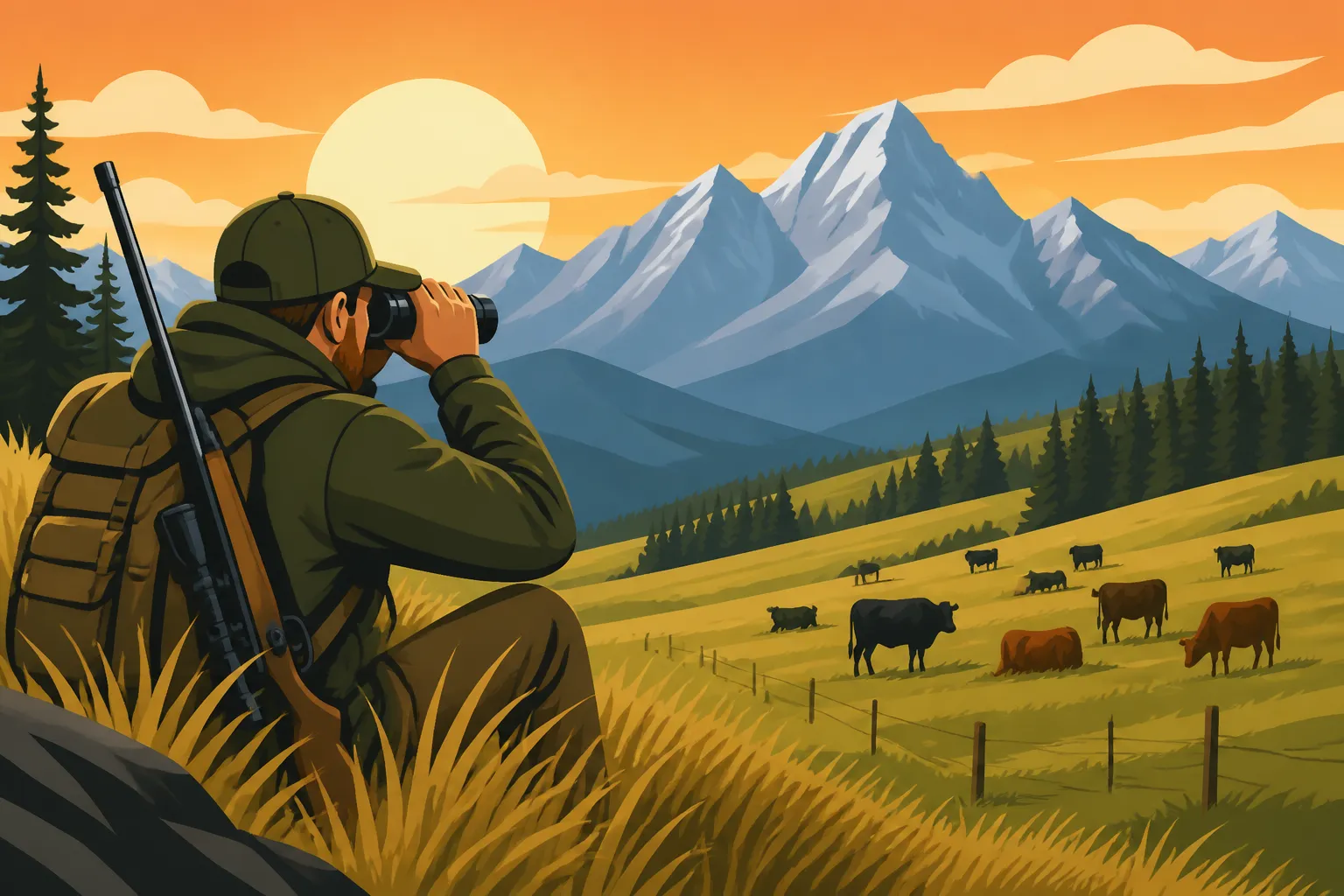
- Patience and Scent Control: Cattle tend to leave a lot of scent on the landscape. This can sometimes make it harder for game to pick up your scent, but don't count on it. Good wind discipline is always essential. Be patient, move slowly, and glass extensively from elevated positions. Glassing an Interior Hillside for Mule Deer describes techniques perfect for spotting animals moving through varied terrain, often found in these transitional allotment areas.
Remember, the game is still there, but they're adapting to the presence of cattle. Your job is to adapt to their new patterns.
Ethical Considerations and Communication
Hunting on a range cattle allotment demands a high degree of ethical conduct and, where possible, good communication. While you're on public land, you're also in someone's active workplace.
- Rancher Communication: If you can identify the rancher who holds the allotment, a brief, polite phone call can go a long way. Introduce yourself, explain you're hunting on the Crown land they lease, and simply ask if there are any specific areas to avoid due to calving or cattle movements. Even if they don't share much, it shows respect and can build goodwill. Don't expect them to guide you, but an ounce of prevention is worth a pound of cure when it comes to conflict.
- Respect for Livestock: This is non-negotiable. Never harass, chase, or intentionally disturb livestock. Give them a wide berth. If you encounter cattle while stalking, wait for them to move, or choose an alternative route. Avoid shooting towards or over livestock. If you notice a sick or injured animal, it's good practice to report it to the rancher or the authorities. If you accidentally wound game and it runs towards or into cattle, exercise extreme caution and consideration before pursuing.
- Property and Infrastructure: Close all gates you open – even if you found them open. Do not cut fences, drive off-road where it causes damage, or interfere with any ranching infrastructure. Leave no trace. Pack out all your garbage. This demonstrates responsibility and helps ensure these hunting opportunities remain open for everyone.
- Meat Care: If you harvest an animal, especially a large one, in an area with cattle, ensure proper field dressing and meat care. Rules on Wasting Game Meat apply. Keep your meat clean and cool, and prevent any cross-contamination. Keeping Meat Cool in an Early Season is vital here, as many range areas can be quite warm in the early fall.
By being a respectful and responsible hunter, you contribute positively to the perception of hunters and help maintain access to these valuable public lands.
Practical Logistics and Safety on Allotments
Successfully hunting range cattle allotments also means being prepared for the practical challenges and prioritizing safety in an environment shared with livestock.
Vehicle Access and Road Etiquette
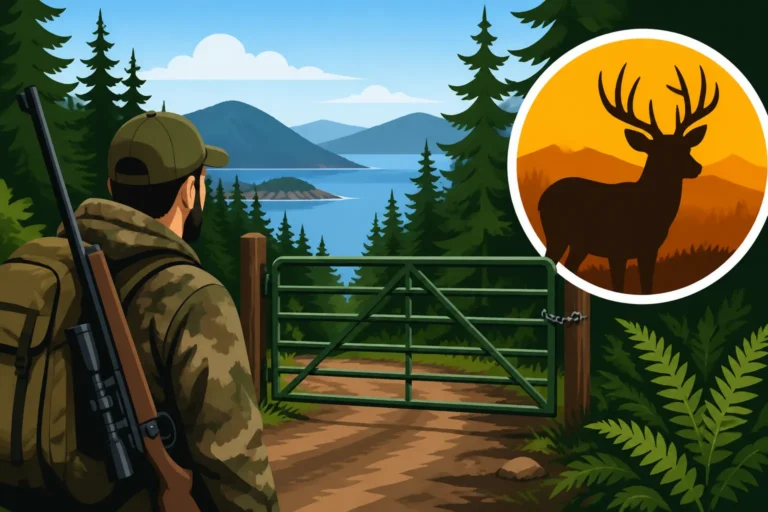
Accessing many range cattle allotments often means navigating a network of Forest Service Roads (FSRs) or older ranch tracks. While many FSRs are public, some roads within allotments might be privately maintained by the rancher or have agreements with forestry companies. It's not uncommon to encounter gates. Always assume a closed gate is meant to be closed, and if you open it to pass through, close it securely behind you. If a gate is locked and unmarked, it likely signifies private land or a restricted access point, and you should respect it. Finding Open Forest Roads in British Columbia can help you determine the status of roads before you go.
Active logging operations can also occur within these areas, meaning you might encounter heavy machinery or radio-controlled zones. Drive cautiously, be aware of other users, and yield to industrial traffic. Speeding through a cattle allotment can be dangerous for livestock and other users. Remember that dusty roads can also indicate traffic, so slow down and be prepared for cattle to be around any blind corner.
Dealing with Livestock and Infrastructure
Encountering livestock is inevitable. While most cattle are docile, it's important to remember they are large, powerful animals, and some, particularly bulls with cows, can be territorial or unpredictable. Give them space. Avoid getting between a cow and her calf. If you have a dog with you, keep it under strict control and on a leash when near livestock to prevent any harassment.
Understanding the layout of fences and gates is crucial. A single strand of barbed wire or electric fence might define a pasture boundary. Always check for signs of a hot wire before leaning on or climbing over. If you need to cross a fence, look for designated crossings, use a gate, or cross respectfully without causing damage. Never cut a fence, no matter how inconvenient it seems. This infrastructure represents a significant investment for the rancher and is essential for their operations. Report any damaged fences or gates you observe to the appropriate authorities or the rancher if you have their contact information.
Meat Care and Packing Out in Allotment Terrain
Harvesting a large animal on a range cattle allotment presents unique considerations for meat care and packing out. The terrain can vary widely, from open, relatively flat grasslands to steep, timbered hillsides.
- Contamination Risk: In heavily grazed areas, the ground can be dusty, muddy, or covered in manure. Take extra precautions during field dressing to keep your meat as clean as possible. Lay down a clean tarp or game bag material to protect the quarters. Field Dressing in British Columbia's Wet Weather can offer some tips, even in dry areas, on keeping things sanitary.
- Cooling: Many range cattle allotments are in interior regions that can experience warm temperatures, especially during early seasons. Promptly skinning, quartering, and cooling the meat is critical to prevent spoilage. Consider packing a substantial amount of ice or having a plan for rapid cooling. Keeping Meat Cool in an Early Season is a must-read for these situations.
- Packing Out: Whether you're using a frame pack, game cart, or even horseback, plan your route carefully. Trails might be heavily used by cattle, potentially making for rough or muddy going. If you're on a multi-day trip and plan to hang meat, ensure you have a secure, bear-safe method, as bear activity can be high in some allotment areas, attracted by game and general foraging opportunities. Packing Meat With a Frame Pack provides excellent advice for those long hauls out of the backcountry, which can sometimes be necessary even in seemingly accessible range country.
Remember, a successful hunt isn't just about punching a tag; it's about getting that meat home in prime condition, and being a responsible steward of the land you're privileged to hunt.
| Aspect of Allotment Hunting | Advantages | Disadvantages |
|---|---|---|
| Access | Often readily accessible via existing road networks. | Gates, potential private road sections, rancher traffic. |
| Habitat | Diverse, with grasslands, timber, and water; forage management can benefit game. | Heavy grazing pressure can displace game from prime areas. |
| Game Presence | Can hold strong populations of deer, elk, and bears. | Cattle disturbance may make game warier or shift patterns. |
| Water Sources | Developed water infrastructure (troughs, dugouts) benefits all wildlife. | Water sources might be heavily used by cattle, requiring careful timing. |
| Interaction | Opportunity to observe different land uses; shared resource management. | Potential for conflict with ranchers if rules aren't followed; livestock safety. |
| Logistics | Often easier packing out than remote wilderness. | Muddy trails, potential for cattle manure, need for extreme meat hygiene. |
Disclaimer
This article is for general informational purposes only and does not constitute professional advice. Laws, prices and regulations vary by location and change over time. Consult a qualified professional for guidance on your specific situation.