British Columbia Park Closures for Hunters
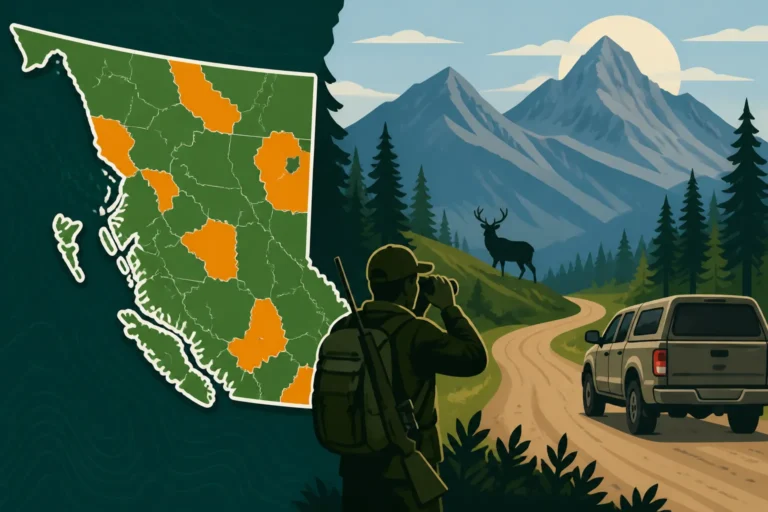
One of the most common headaches for any hunter in British Columbia is figuring out where you can actually hunt. You've spent countless hours scouting, pouring over maps, and dreaming of that perfect spot, only to find yourself wondering if that promising ridge or beautiful valley falls within a protected park boundary where hunting is absolutely forbidden. This guide aims to clear up that confusion, helping you understand British Columbia's park closures and how to navigate them responsibly, ensuring your hunting adventures stay on the right side of the law.
The Absolute "No Hunting" Rule in British Columbia Provincial Parks
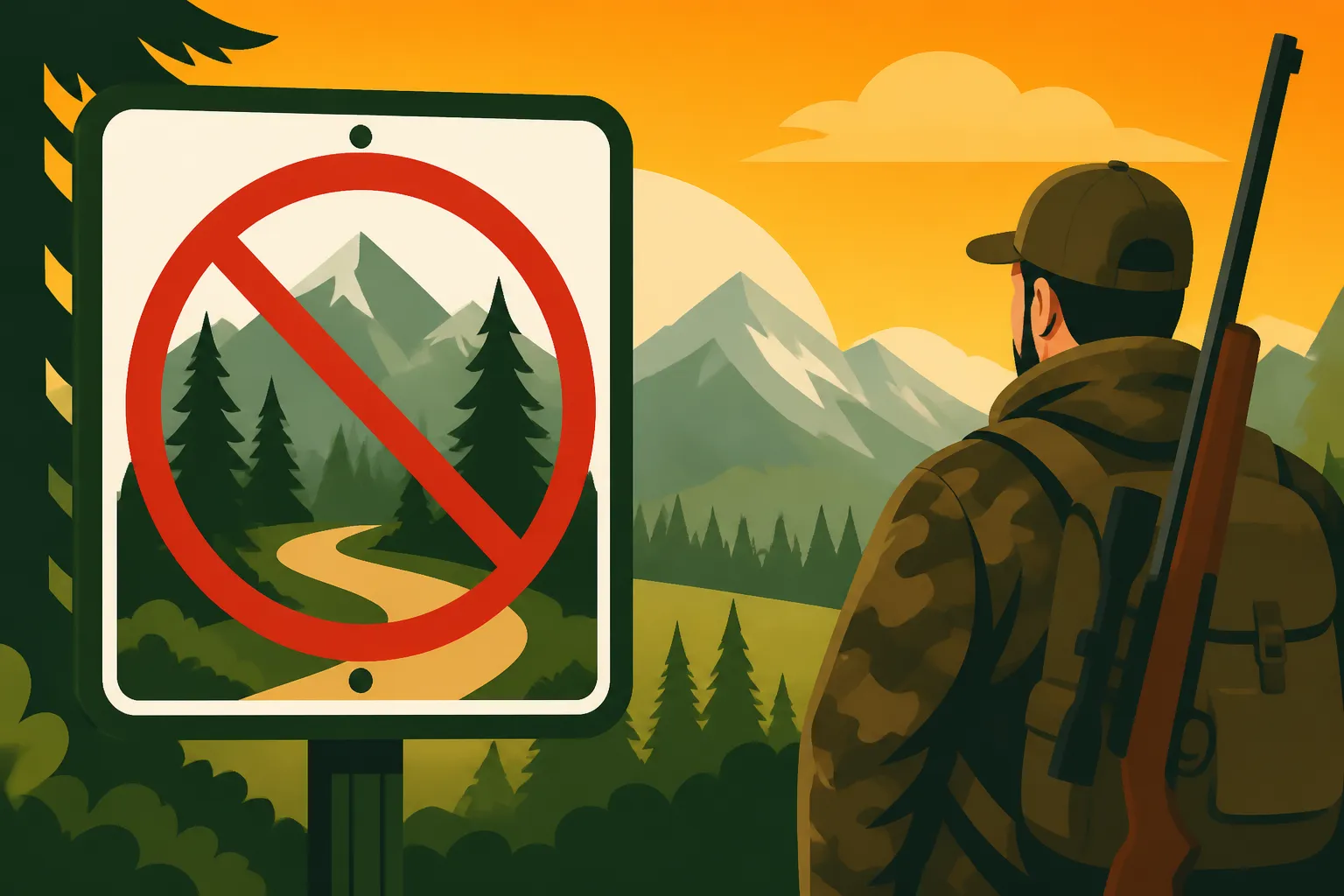
Let's get this straight right off the bat: the vast majority of British Columbia's Provincial Parks and Protected Areas are unequivocally closed to hunting. This isn't a grey area; it's a fundamental principle of how these lands are managed. They are set aside for conservation, recreation, and preserving ecological integrity, and hunting is generally not compatible with those primary objectives. Many hunters, especially those new to the province or visiting from elsewhere, often mistakenly assume that "public land" means "public hunting land." In BC, that's not always the case, and provincial parks are the prime example of this distinction.
Imagine spending a full day hiking into what looks like pristine backcountry, only to realize, deep in the mountains, that you've crossed an unmarked park boundary. That feeling of dread, knowing all your effort was for naught, and worse, that you could be facing serious penalties, is something no one wants. It's why understanding these boundaries before you ever pack your gear is crucial. These parks exist for good reasons, and respecting their rules is part of being a responsible conservationist.
What Constitutes a Provincial Park or Protected Area?
British Columbia has a comprehensive system of protected areas, and it's not just the big, famous national parks (which have their own, often even stricter, rules against hunting). Our provincial system includes a diverse array of designations, each with specific objectives, but almost all sharing the "no hunting" clause. These include:
- Class A Parks: These are the traditional provincial parks, managed to preserve natural environments and provide outdoor recreation opportunities. Think Garibaldi Provincial Park or Wells Gray Provincial Park. These are generally large, well-known, and strictly no hunting.
- Protected Areas: Similar in intent to Class A Parks but with a bit more flexibility in terms of industrial activities or existing tenures when they were established. However, for hunters, the outcome is the same: generally no hunting.
- Conservancies: These areas are established to protect biological diversity, natural environments, and cultural values, with a strong emphasis on maintaining traditional use by First Nations. Again, hunting is typically prohibited.
- Ecological Reserves: These are even more strictly protected, set aside for scientific research and to preserve representative examples of natural ecosystems. Absolutely no hunting here, and often even access is restricted.
It's important to differentiate these from other public land designations like Crown land, which makes up the vast majority of British Columbia and where hunting is generally permitted, provided you follow the relevant regulations. The key takeaway is that if a piece of land has "Provincial Park," "Protected Area," "Conservancy," or "Ecological Reserve" in its name, your default assumption should be no hunting. For a deeper dive into general public land access, you might want to check out British Columbia's Crown Land Access.
Why Are Parks Closed to Hunting?
The reasons for closing parks to hunting are multi-faceted. Primarily, it's about providing safe havens for wildlife where they are not subjected to hunting pressure, allowing populations to thrive undisturbed. This is crucial for species that might be vulnerable or for maintaining healthy ecosystems within these protected zones.
Secondly, parks are often heavily used by non-hunting outdoor enthusiasts – hikers, campers, birdwatchers, photographers. The presence of hunting activities can create safety concerns, conflicts over space, and diminish the experience for those seeking a wildlife viewing or wilderness recreation experience without the backdrop of hunting. It’s about managing different user groups and ensuring everyone can enjoy the outdoors safely and according to the land's primary designation. It also plays a significant role in conservation efforts, allowing scientists to study undisturbed wildlife populations.
Navigating the Nuances: Areas Where Hunting Might Be Allowed (or Adjacent)
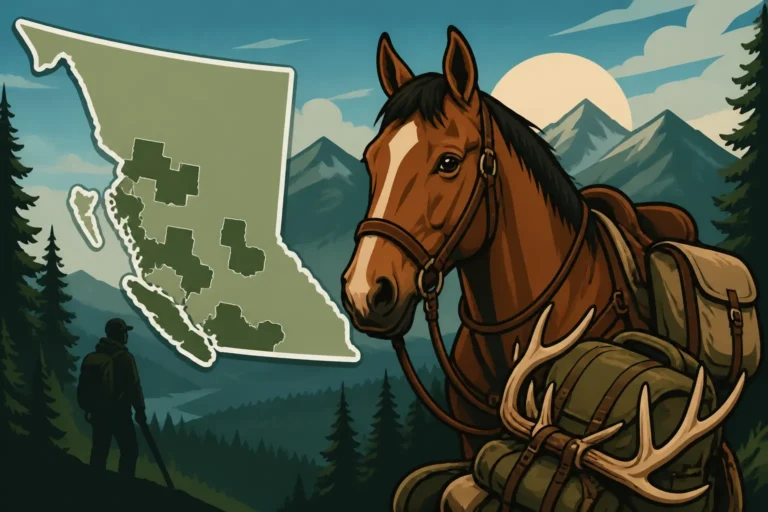
While the general rule is "no hunting in parks," the landscape of British Columbia is complex, and there are a few very specific, rare exceptions, or more commonly, areas immediately adjacent to parks that require careful attention. This is where your mapping skills and diligent research really come into play.
Sometimes, a Management Unit (MU) boundary might run right up against a park, or even occasionally, a very small sliver of a protected area might have a unique clause. However, these are extremely rare, and you should never assume such an exception exists without explicit, documented proof from the current regulations synopsis. Relying on old maps or hearsay is a recipe for trouble.
Understanding British Columbia Wildlife Management Areas (WMAs)
One area that often causes confusion for hunters are Wildlife Management Areas (WMAs). Unlike Provincial Parks, WMAs are specifically established for the conservation and management of wildlife and their habitats, and some hunting may be permitted within them, although often with specific restrictions.
WMAs are managed by the provincial government, but their rules are distinct from provincial parks. For instance, the Serpentine WMA in the Fraser Valley is critical habitat for migratory birds, and while hunting is allowed, it's strictly regulated. The Columbia Wetlands WMA in the Kootenays also allows some waterfowl hunting. It’s vital to consult the regulations for each specific WMA you plan to hunt, as they will detail allowed species, seasons, and any additional access rules. It's never a one-size-fits-all situation. Always cross-reference your plans with the specific rules for British Columbia Wildlife Management Area Rules.
Table: General Distinctions Between Protected Areas
| Area Type | Primary Purpose | Hunting Generally Allowed? | Examples |
|---|---|---|---|
| Provincial Parks | Conservation, Recreation, Ecological Preservation | No | Garibaldi, Wells Gray, Kokanee Glacier |
| Protected Areas | Similar to Parks, may have existing tenures | No | Gitnadoiks River, South Okanagan Grasslands |
| Conservancies | Biodiversity, Natural Environment, Cultural Values | No | Khutzeymateen Grizzly Bear, Tahsish-Kwois |
| Ecological Reserves | Scientific Research, Representative Ecosystems | No (often restricted access) | Mt. Maxwell, Race Rocks |
| Wildlife Management Areas | Wildlife Conservation, Habitat Management | Yes (with restrictions) | Serpentine, Columbia Wetlands, South Arm Fraser |
| Crown Land (General Use) | Public use, resource extraction, recreation, hunting | Yes (following regulations) | Most of BC's interior forests and mountains |
Buffer Zones and Adjacent Lands
While you can't hunt in a provincial park, animals don't recognize human-drawn boundaries. It's very common for wildlife to move in and out of park areas, especially during seasonal migrations or to access different forage. This means that areas immediately adjacent to park boundaries can be excellent hunting grounds.
However, this proximity also demands extreme caution and diligent map reading. It's your responsibility to know exactly where that park line is and ensure all your hunting activity – including shooting, retrieving game, and even just tracking – occurs entirely on legal hunting land. This is where tools like onX Hunt become invaluable, showing precise property boundaries on your phone or GPS device. There's no excuse for accidentally stepping into a park with a loaded firearm or bow, let alone harvesting an animal within its limits. Precision is paramount here.
Always confirm your location, especially if you're stalking a game animal that might lead you near or across a boundary. It's often safer to hold back if there's any doubt about where that animal might be in relation to a park boundary.
Planning Your Hunt: Tools and Strategies for Avoiding Park Closures
Effective trip planning is your best defense against inadvertently hunting in a closed area. With the right tools and a systematic approach, you can confidently navigate British Columbia's diverse landscapes and ensure your hunt is legal and ethical.
Utilizing Digital Mapping Tools
Modern technology has revolutionized how we scout and navigate hunting areas. Gone are the days of relying solely on paper maps, which, while still important for backup, often lack the granularity and real-time updates needed for precise boundary identification. Digital mapping apps are indispensable.
onX Hunt is a prime example of a powerful tool that displays various land ownership types, including provincial parks, protected areas, and Crown land, with remarkable accuracy. You can see these boundaries clearly overlaid on satellite imagery or topographic maps. This allows you to plan routes, mark waypoints, and verify your location in the field. Before your trip, you can download maps for offline use, which is critical given how often cell service disappears in BC's backcountry. You can spend hours at home tracing the precise perimeter of a park and planning your access points to ensure you never cross into forbidden territory.
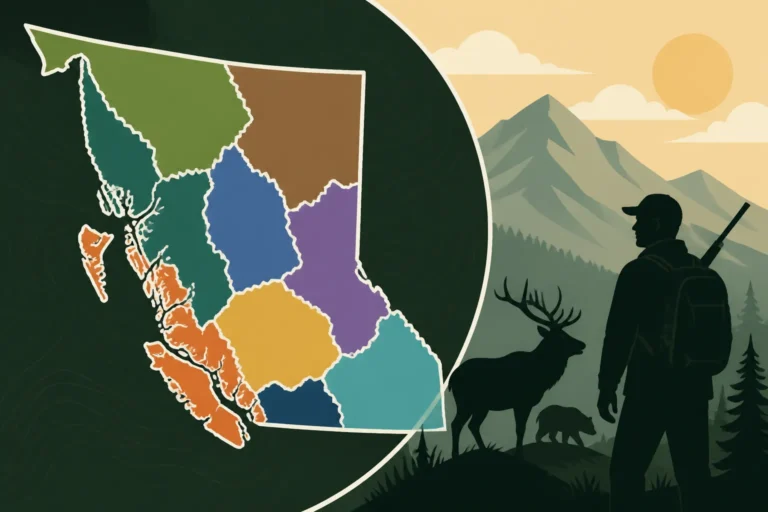
Another valuable resource is GoHunt, which, while primarily focused on drawing opportunities, often provides mapping tools and information that can help you understand the landscape and identify potential hunting zones versus protected areas. While not directly a mapping app like onX Hunt, its data can inform your strategic planning, especially when looking at the larger context of Management Units and how they interact with protected areas. Understanding a British Columbia MU map is fundamental to using these tools effectively.
Consulting the British Columbia Hunting Regulations Synopsis
The official British Columbia Hunting and Trapping Regulations Synopsis is your absolute bible for hunting in this province. It's updated every two years and contains the most current and legally binding information on seasons, bag limits, and, critically, specific area closures. You must consult this document before every hunt.
Within the synopsis, you'll find maps and text descriptions detailing specific park closures, no-shooting zones, and other restricted areas. Pay close attention to the General Open Seasons section and any notes pertaining to specific Management Units or regions. While digital maps are great for visualization, the synopsis is the definitive legal source. Never rely solely on an app; always cross-reference with the official regulations. This is especially true for British Columbia Provincial Park Hunting Rules which are explicitly laid out there.
The Importance of Pre-Trip Scouting
Even with the best maps and regulations in hand, nothing beats good old-fashioned scouting. If possible, visit your intended hunting area before the season opens. Look for boundary markers, signs, and any physical features that might delineate a park boundary. Sometimes, a river, a distinct change in timber, or an old road can serve as a de facto boundary.
Pre-scouting allows you to become familiar with the terrain, identify potential access points, and visually confirm what your maps are telling you. It's also a great way to understand game movement in relation to those boundaries. You might discover a game trail that leads directly into a park, alerting you to adjust your approach or focus your hunting efforts further away from the restricted zone. For tips on how to effectively scout, see Scouting a British Columbia Management Unit.
Consequences of Non-Compliance and Responsible Hunting
Ignoring park closures, whether intentionally or accidentally, carries significant penalties in British Columbia. Conservation Officers take these violations very seriously, and the consequences can range from hefty fines to license suspension, seizure of equipment, and even criminal charges in severe cases. Beyond the legal ramifications, there's also the profound impact on your reputation as a hunter and on the public perception of hunting as a whole.
Legal Ramifications
British Columbia's Wildlife Act outlines various offences and penalties related to hunting within prohibited areas. These can include:
- Fines: Monetary penalties can be substantial, often thousands of dollars, depending on the severity of the offence and the species involved.
- License Suspension: Your hunting license can be suspended for a period of time, effectively barring you from hunting anywhere in the province.
- Seizure of Equipment: Firearms, bows, vehicles, and even harvested game can be seized.
- Court Appearances: You may be required to appear in court, incurring legal costs and time.
These aren't just minor inconveniences; they can be life-altering. The legal system doesn't typically distinguish between intentional and accidental violations when it comes to fundamental rules like hunting in a park. It's your responsibility to know where you are at all times.
Ethical Considerations and Public Perception
Beyond the law, there's an ethical obligation to respect protected areas. These spaces are vital for conservation, and hunting within them undermines their purpose. It also creates a negative impression of hunters among the general public and other outdoor users. When a hunter is caught violating park rules, it reflects poorly on the entire hunting community, fueling anti-hunting sentiment and potentially leading to even stricter regulations for everyone.
Responsible hunting means adhering to all regulations, practicing ethical harvesting, and showing respect for the land, wildlife, and fellow outdoor enthusiasts. By diligently avoiding park closures, you not only protect yourself legally but also contribute positively to the image of hunting and conservation in British Columbia. This diligence extends to understanding all regulations, including British Columbia Blaze Orange and Safety Rules and ensuring you transport game meat properly, as detailed in Transporting Game Meat in British Columbia.
Always remember that every hunter is an ambassador for our tradition. Let's make sure we're representing it well by being diligent, informed, and respectful of all land designations in British Columbia.
Disclaimer
This article is for general informational purposes only and does not constitute professional advice. Laws, prices and regulations vary by location and change over time. Consult a qualified professional for guidance on your specific situation.