Private Forest Land Gates on Vancouver Island
It's incredibly frustrating, isn't it? You pour over maps, scout promising looking drainages, and get all geared up for a hunt on Vancouver Island, only to be met by a locked gate on a perfectly good road that used to be open. Access to British Columbia's vast landscapes is a constant puzzle for resident hunters, and nowhere is this more acutely felt than on Vancouver Island's extensive private forest lands. This guide aims to pull back the curtain on these challenging access points, helping you understand the complex world of gated timber lands and giving you some practical strategies to navigate them.
The Complex Landscape of Private Forest Land on Vancouver Island
Vancouver Island is a hunter's paradise in many ways, offering incredible opportunities for Black-Tailed Deer Hunting in British Columbia, Roosevelt Elk on British Columbia's Coast, and Black Bear Hunting British Columbia's Spring. But a significant portion of what looks like prime hunting country is actually private forest land, managed by large timber companies. This isn't like Crown land, where access is generally assumed unless otherwise posted. Here, the rules are different, often requiring specific permits or restricting entry altogether.
Why Access is Such a Challenge
The reasons behind the increasing number of gates are multifaceted, and it's easy for hunters to feel like they're being pushed out. For starters, these lands are active industrial sites. There are logging trucks moving at all hours, heavy machinery operating, and often active blasting. Safety is a huge concern for these companies. They have a responsibility to keep their workers safe and to prevent public injuries on their property. An unexpected hunter in an active logging block creates significant hazards for everyone involved.
Beyond safety, there are also concerns about vandalism, illegal dumping, and fire risk, especially during dry seasons. When thousands of people have unrestricted access, a small percentage can cause big problems, and the companies often feel the brunt of the cleanup and liability. It’s a delicate balance, trying to manage an active industrial forest while also recognizing the public's desire to use these lands for recreation. This tension often manifests as locked gates, which, while frustrating, are a company's primary tool for managing these risks.
Understanding the Landowners and Their Policies
The majority of private forest land on Vancouver Island is owned by a few major players. Historically, companies like TimberWest and Island Timberlands were key, but these have since consolidated into entities like Mosaic Forest Management. There are also smaller private holdings, but it’s these large industrial landowners that control the vast networks of logging roads that often lead to prime hunting grounds. Each company has its own policies and procedures for public access, and these can change with little notice, influenced by current logging operations, fire danger, or even specific contracts.
It's crucial to understand that these companies are primarily in the business of timber harvesting, not recreation management. Any public access they grant is often a goodwill gesture or part of a broader community relations strategy, not their core business. This means access is usually conditional and subject to strict rules. Before you even consider heading out, identifying the specific landowner for your chosen area is the first step. Mapping tools can be a huge help here, as property boundaries can be incredibly convoluted.
Navigating the Gate System and Access Programs
So, you've identified the landowner and you're staring at a gate. What now? The gate system on Vancouver Island's private forest lands is designed to control entry, but it’s not always a blanket "no." Understanding the different types of gates and the programs that allow access is key to planning a successful hunt.
Types of Gates and Access Controls
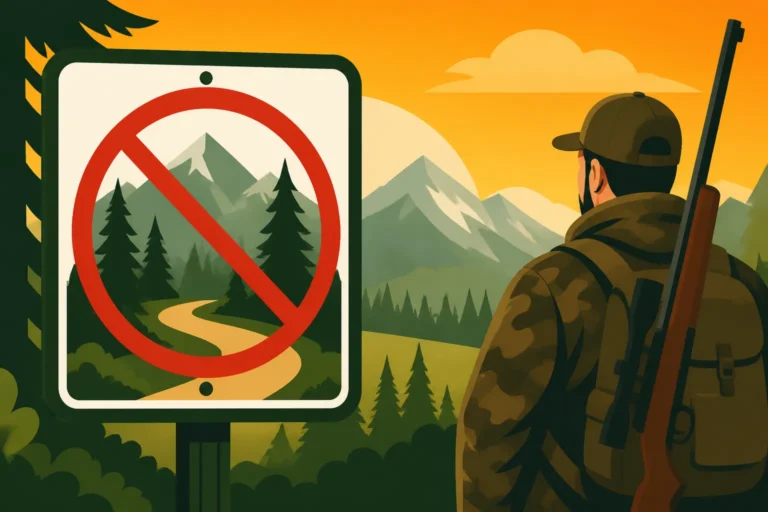
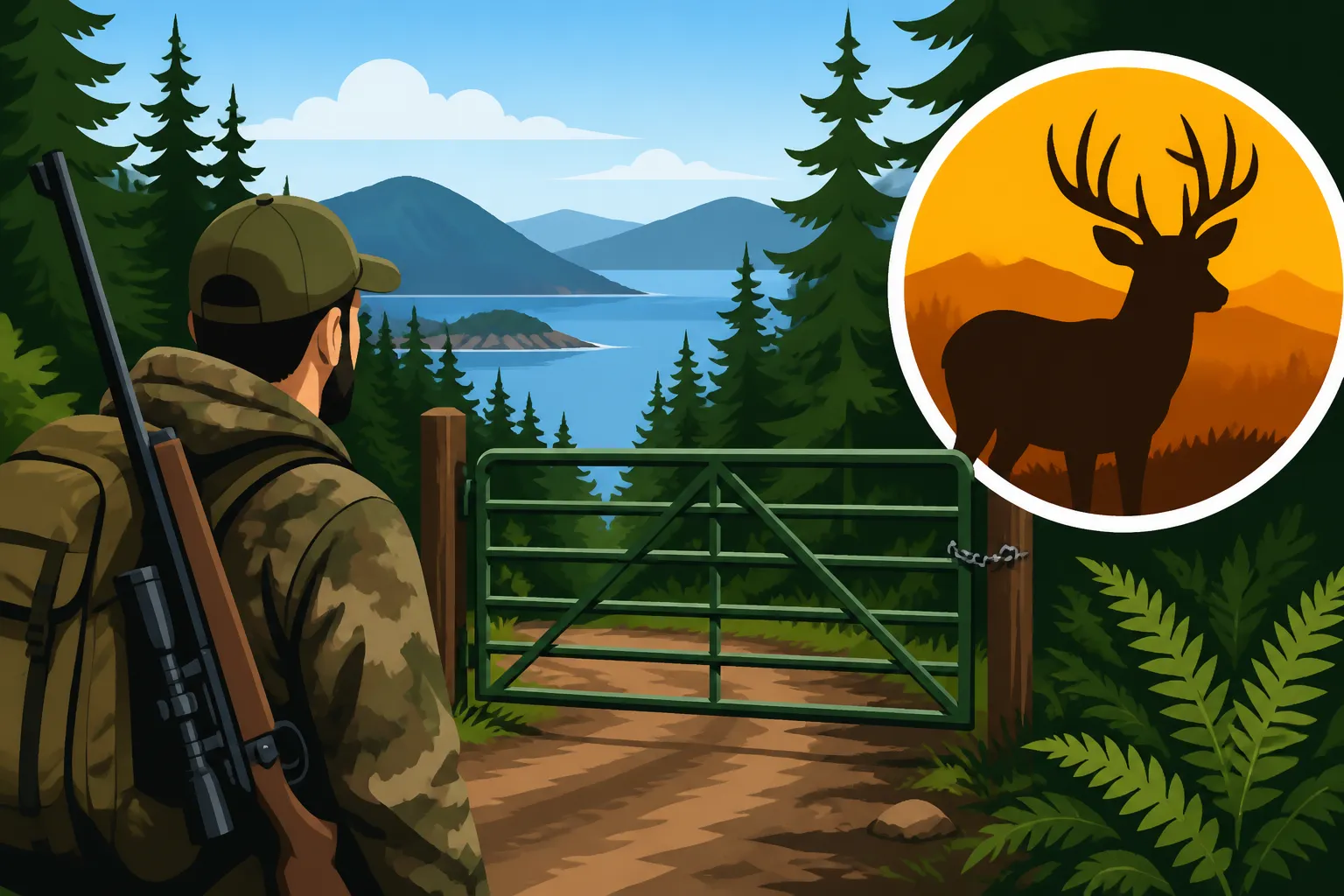
You'll encounter a variety of gates on Vancouver Island's private timber lands. The most common is the simple locked gate, often a sturdy metal barrier secured with a heavy chain and padlock. These gates mean no entry without a key or specific permission. Sometimes, these are permanently locked for public safety or to protect sensitive areas, while others might be opened seasonally or on specific days via an access program. Next, you might find seasonal gates, which are opened and closed according to a schedule, often tied to fire season, active logging operations, or specific public access windows. You'll need to check the landowner's schedule carefully for these.
More recently, some companies have implemented electronic gates or card access systems. These are typically found on main arteries or more frequently accessed areas. While more modern, they still require pre-authorization, usually in the form of an access card or a digital code provided after you've registered and paid for a permit. Finally, some gates might just be warning gates with no lock, simply indicating you're entering private land and should proceed with caution. Always respect the signage, even if the gate isn't locked. Assuming access because a gate is open can lead to fines, vehicle impoundment, or even permanent bans.
How Access Programs Operate
Many of the major private landowners on Vancouver Island have developed formal access programs. These are typically online portals where you can register, review maps, and purchase permits. For instance, Mosaic Forest Management has a well-known permit system that allows access to certain areas for recreational purposes, including hunting. You'll usually have to agree to a long list of terms and conditions, often including waiver of liability, agreement to report your entry and exit times, and adherence to specific rules like no fires, no off-roading, and strict adherence to hunting regulations.
The cost of these permits varies. Some might be free for day use, while others could require a small fee for an annual pass or a per-entry fee. The real value, though, is in the information you gain. These programs usually provide updated maps showing active logging blocks, road closures, and designated access points. This is invaluable for hunter safety and ensuring you're not inadvertently driving into a dangerous area. It also helps you understand where you can legally hunt, which is half the battle when dealing with complex land ownership. Remember that these permits often have a strict start and end time, and overstaying your welcome can lead to penalties. Always check for current road conditions and closures before heading out, as things can change rapidly.
Strategies for Gaining Entry and Hunting Responsibly
It’s one thing to understand the system, and another to successfully navigate it for a hunt. Approaching private forest land with a plan and a commitment to responsible conduct will significantly increase your chances of gaining and maintaining access.
Researching and Planning Your Hunt
The first and most critical step is diligent research. Don't just show up at a gate and hope for the best. Start by identifying the specific private forest land you want to hunt. This is where mapping tools like onX Hunt or GoHunt become absolutely indispensable. These apps overlay property boundaries on satellite imagery, clearly showing you what is Crown land, what is private, and which company owns it. This can save you hours of driving and frustration. With onX Hunt, for example, you can see not only the property lines but often also the public access layers if they are provided by the landowner. Scouting a British Columbia Management Unit Online often starts with these digital tools.
Once you know the landowner, visit their official website. Look for sections on "Public Access," "Recreation," or "Permits." This is where you'll find the most up-to-date information on their specific access programs, fees, and any seasonal closures or restrictions. Pay close attention to dates and times, as hunting seasons often overlap with high-risk fire seasons or intensive logging periods. Plan your hunt around these schedules. Consider calling the company's public relations or forestry office if you have specific questions that aren't answered online. A polite, informed inquiry can sometimes yield valuable information about access opportunities. Remember, gaining a permit is step one; understanding what you're permitted to do is step two.
Best Practices for Respectful Access
When you do gain access, your behaviour directly impacts the future of hunter access for everyone. The golden rule is simple: leave no trace and be a good ambassador for hunters. This means packing out everything you pack in, and then some. Don't litter, don't deface property, and certainly don't engage in any illegal dumping. Adhere to all posted signs and rules, even if they seem inconvenient. This includes respecting "no hunting" zones, active logging areas, and speed limits on industrial roads.
Always park your vehicle in designated areas, or well off the main road where it won't impede industrial traffic or block future access. If you encounter active logging operations, give them a wide berth. Remember, those loggers are working, and their priority is safety and efficiency. A wave and a friendly nod go a long way. Never tamper with gates, locks, or signs, even if you feel frustrated. Doing so is not only illegal but also paints all hunters in a negative light, making future access even harder. Responsible conduct today helps preserve access tomorrow. This applies equally to Hunting British Columbia's Logging Road Network or simply parking your truck at a gate and walking in.
Tools and Resources to Aid Your Hunt
In today's hunting world, especially when dealing with complex land ownership like on Vancouver Island, digital tools and community knowledge are invaluable. They can transform a frustrating guessing game into a well-planned expedition.
Mapping Apps and Digital Aids
Modern mapping applications have revolutionized how hunters navigate and understand land ownership. Tools like onX Hunt and GoHunt are incredibly powerful for precisely this challenge on Vancouver Island. With these apps on your smartphone or GPS device, you can see detailed topographical maps, satellite imagery, and, most importantly, clearly marked property boundaries. This means you can differentiate between Crown land, private land, and even specific company parcels in real-time while in the field.
Imagine standing at a crossroads of old logging roads, unsure which one leads to legal hunting ground. With onX Hunt, you can pull up your map, see the private timber land boundary, and confirm whether you're about to trespass or if the road is indeed on an accessible parcel. Many of these apps also show features like old roads, trails, and water sources, which are critical for Scouting a British Columbia Management Unit. They allow you to drop waypoints, track your movement, and even download maps for offline use, essential when you’re deep in areas without cell service. GoHunt, while often focused on Western US draws, also provides excellent mapping features that can be applied to understanding BC land status, particularly when combined with publicly available BC government land tenure maps. Using these tools responsibly is key to staying legal and making the most of your time in the field.
Community Resources and Local Knowledge
While digital tools are powerful, they don't replace the wisdom of local knowledge. Connecting with local hunters, rod and gun clubs, and community forums can provide invaluable insights into private land access. Often, long-time residents have anecdotal information about specific gates, seasonal opening patterns, or even which companies are more amenable to allowing access at certain times of the year.
Local rod and gun clubs on Vancouver Island, such as those in Nanaimo, Port Alberni, or Campbell River, are fantastic resources. Members often share information about successful access routes, permit system updates, and best practices for navigating private lands. They are also often involved in discussions with landowners and government agencies regarding access issues, acting as advocates for hunters. Engaging with these communities not only helps you find current information but also strengthens the collective voice of hunters advocating for sensible and respectful access to these vital forest lands. Just remember to always verify information with official sources when possible, as hearsay can sometimes be outdated or inaccurate.
The Future of Access on Private Timber Lands
The landscape of private forest land access on Vancouver Island isn't static; it's constantly evolving due to various pressures, from economic shifts to changing environmental priorities. Understanding these trends helps us anticipate future challenges and opportunities.
Evolving Trends in Forest Management
The forest industry on Vancouver Island, like much of British Columbia, is undergoing significant changes. There's a growing emphasis on sustainable forestry practices, value-added products, and a more complex interplay of environmental regulations. This can impact access in several ways. For instance, areas designated for specific conservation efforts or watershed protection might see stricter, permanent access restrictions. Conversely, some companies might explore new recreational use permits or partnerships as a way to diversify revenue or improve public relations.
We're also seeing more complex land use agreements, sometimes involving First Nations communities, which can introduce new layers of access considerations. Climate change and its impact on fire seasons are also a major factor. Longer, drier summers mean increased fire risk, which almost always translates to more gates, longer closures, and heightened restrictions on public entry during critical periods. Understanding these overarching trends helps us appreciate that access decisions are rarely simple, and are influenced by a multitude of factors beyond just hunting.
| Private Forest Land Company | General Access Approach | Typical Permit System | Key Considerations for Hunters |
|---|---|---|---|
| Mosaic Forest Management | Managed access via online permits | Online application, fees vary, seasonal/area restrictions | Check website frequently for updates, fire bans, active operations. |
| Smaller Private Holdings | Highly variable, often restricted or no public access | Direct contact with landowner, permission usually required | Respect "No Trespassing" signs; permission is paramount. |
| Timberlands (historical) | Varies by former company, now mostly Mosaic | Consolidated under Mosaic's system | Research historical access, but assume Mosaic rules now apply. |
Advocating for Hunter Access
Given these evolving trends, active advocacy from the hunting community is more critical than ever. Sitting back and hoping gates will open won't work. Hunters need to be proactive, informed, and united in their efforts to secure future access. This means supporting organizations like the BC Wildlife Federation, which actively lobbies government and engages with private landowners on behalf of hunters and anglers. These organizations work to demonstrate the value of recreational access, propose responsible access solutions, and build relationships with industry stakeholders.
Individual hunters can also play a role. Beyond simply following the rules, share your positive experiences when you gain access. Write a thank you note to a company that provides a permit. Report illegal dumping or irresponsible behaviour you witness, rather than ignoring it. Participate in public consultations on land use planning. By consistently demonstrating that hunters are responsible, respectful, and valuable users of the land, we can build a stronger case for continued and expanded access to British Columbia's private forest lands. This commitment to advocacy helps ensure that opportunities for Rifle Hunting British Columbia's General Open Seasons remain available for generations to come.
Disclaimer
This article is for general informational purposes only and does not constitute professional advice. Laws, prices and regulations vary by location and change over time. Consult a qualified professional for guidance on your specific situation.