Checking a British Columbia Guide Licence
Booking a guided hunt in British Columbia is often the culmination of years of dreaming and saving, a significant investment of both time and money. The last thing any hunter wants is to arrive in the breathtaking BC wilderness only to discover their guide isn't legitimate, or worse, that their entire trip is a scam. It's a frustrating thought, and unfortunately, it does happen. This guide is here to empower you with the knowledge to thoroughly check a British Columbia guide's licence, ensuring your adventure starts on solid, legal ground.
Why Verifying a British Columbia Guide's Licence Matters
When you’re planning an adventure into British Columbia’s vast wilderness, whether it’s for Moose Hunting British Columbia's Interior or chasing Black Bear Hunting British Columbia's Spring, the guide you choose is paramount. It’s not just about finding someone who knows the woods; it’s about finding someone who operates legally and ethically within the province’s stringent regulations. Skipping this verification step can turn a dream hunt into a nightmare of legal troubles and financial loss.
Protecting Your Investment and Your Hunt
Let's be honest, guided hunts in British Columbia are not cheap. You're putting down a substantial deposit, often paying in full months or even a year in advance. This isn't like booking a weekend fishing trip with a buddy; these are often once-in-a-lifetime trips, especially for species like mountain sheep or large moose. Imagine transferring thousands of dollars only to find out the "outfitter" you booked with doesn't actually exist or isn't licensed to operate. It’s a gut-wrenching scenario that we've all heard cautionary tales about. Verifying a guide’s licence is your absolute first line of defence against financial fraud. It ensures that the person or company you're entrusting your funds to is a recognized, legal entity, bound by provincial regulations and oversight. Without that licence, you have very little recourse if something goes wrong, and your hard-earned money could simply vanish.
Furthermore, a hunt with an unlicensed guide isn't just a financial risk; it's a legal one. As a hunter, especially if you're a non-resident, you have responsibilities. Hunting with an illegal operator can, in some cases, put you in a precarious legal position, potentially leading to fines or even forfeiture of your harvest. British Columbia has specific Rules for Non-Residents Hunting British Columbia, and part of those rules dictate how non-residents must engage with licensed guides or obtain a Permit to Accompany Explained if hunting with a resident. An unlicensed guide cannot legally fulfill the requirements for a non-resident hunt, meaning your entire trip could be invalid from the start. Taking the time to check their credentials saves you from potential legal headaches and protects the integrity of your hunting experience.
Understanding British Columbia's Guiding Regulations
British Columbia operates under a robust system of regulations designed to manage wildlife and ensure fair, ethical hunting practices. Central to this system is the requirement for anyone guiding hunters for remuneration to hold a valid Guide Outfitter Licence or an Assistant Guide Licence. This isn't just a formality; it's a cornerstone of how hunting is managed here. Each licensed guide outfitter is assigned a specific geographical area, known as a British Columbia Guide Outfitter Territories, within which they are legally permitted to operate. This means a guide cannot simply take clients anywhere they please; they must stay within their allocated territory. This system is in place to manage hunting pressure, protect wildlife populations, and ensure outfitters have a vested interest in the long-term health of the areas they operate in.
The licence system also ensures a certain level of professionalism and accountability. To become a licensed guide outfitter, individuals must meet specific criteria, often including experience, safety knowledge, and adherence to various provincial laws. These requirements are in place to safeguard both the hunters and the wildlife resource. Assistant guides, while working under a main guide outfitter, also need to be properly licenced. If you're booking a hunt, you're not just buying a trip; you're buying into a regulated system that protects the resource and your investment. An unlicensed operator is bypassing all of these safeguards, and that should be a major red flag for any hunter. They aren't accountable to the province, nor are they bound by the same ethical and operational standards that legitimate outfitters uphold.
The Official Ways to Check a British Columbia Guide Licence
So, you’ve done your research, found an outfitter whose website looks great, and you're excited about the prospect of a Mule Deer Hunting in British Columbia adventure with them. Before you send that deposit, it's time for the crucial step: verifying their licence. Thankfully, British Columbia makes this process quite straightforward through official government channels. You don't have to rely on hearsay or the word of the outfitter alone; you can get definitive answers directly from the source.
Using the Official Government Channels
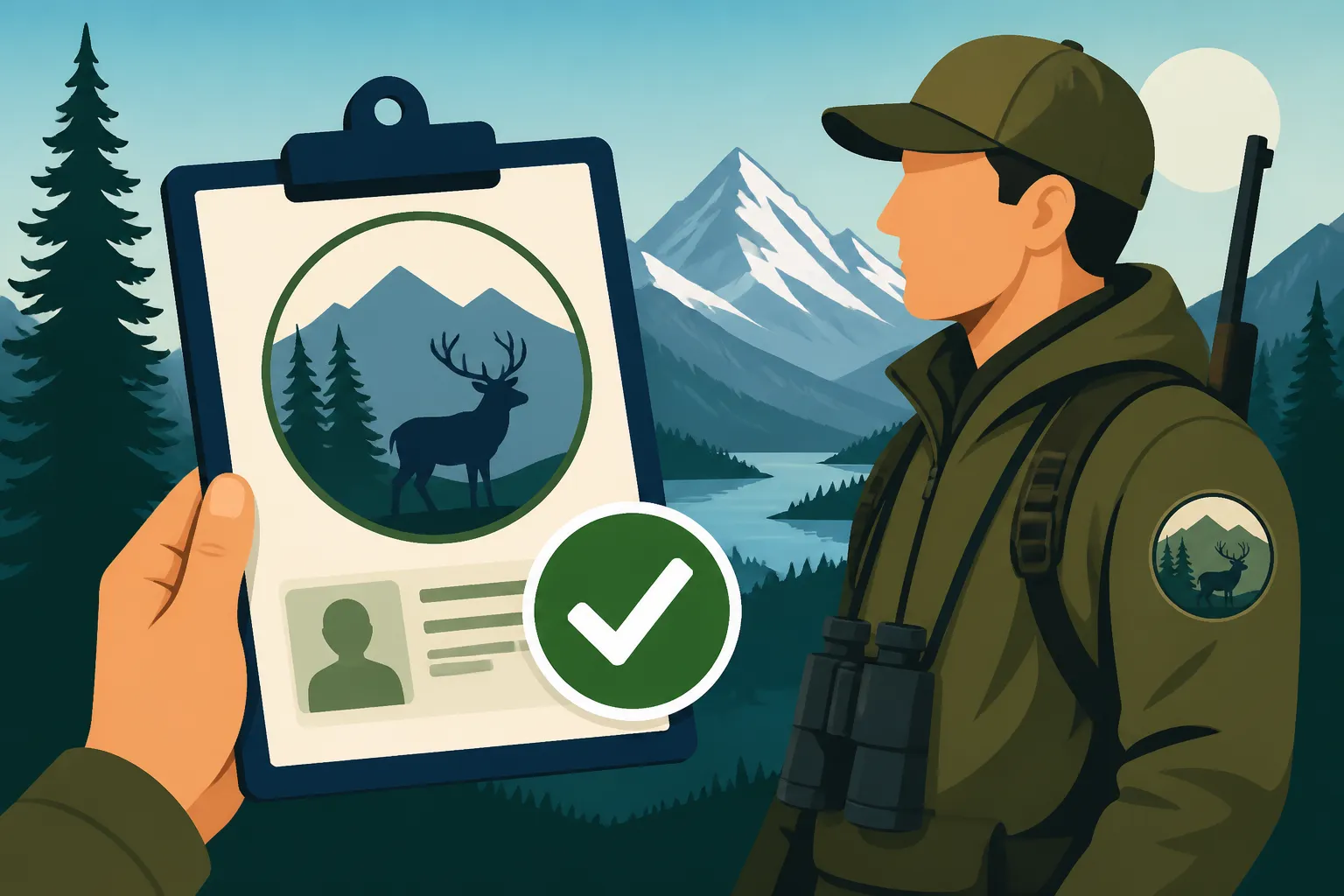
The primary and most reliable way to verify a British Columbia guide outfitter's licence is through the provincial government's official channels. The B.C. government maintains a public registry of licensed Guide Outfitters and their authorized territories. While the exact website and search functionality can change over time, the general process involves accessing the Ministry responsible for hunting and guiding regulations. This is typically the Ministry of Water, Land and Resource Stewardship, or a similar department, often found under the "Hunting" or "Commercial Recreation" sections of the provincial government's website.
Look for a section related to "Guide Outfitters" or "Licenced Guides." There, you should find a search tool where you can input the outfitter's name, company name, or their guide outfitter licence number if they've provided it. This search will typically confirm if they hold a current, valid licence and often display their authorized guiding territory. If you cannot find an online search tool, or if you have any doubts, you can always contact the Ministry directly. A quick phone call to the provincial hunting inquiry line can often get you the confirmation you need. This direct verification cuts through any potential misinformation and gives you peace of mind that you're dealing with a legitimate, regulated business. Don't be shy about reaching out; they are there to help ensure the integrity of hunting in the province.
Here's a quick reference on where to start looking:
| Verification Method | Description | Information Needed |
|---|---|---|
| Online Search | Access the official British Columbia government website (typically under the Ministry responsible for wildlife/resource management). Look for a "Guide Outfitter" or "Commercial Recreation" section with a public registry or licence search tool. | Outfitter's Legal Business Name, Guide's Full Name, Licence Number (if available) |
| Direct Contact | If an online tool isn't available or you need further clarification, contact the relevant Ministry by phone or email. They can verify licence status and territory details based on the information you provide. | Outfitter's Legal Business Name, Guide's Full Name, Proposed Hunting Area |
| GOABC | The Guide Outfitters Association of British Columbia (The Guide Outfitters Association of British Columbia) can confirm membership, which indicates a commitment to professional standards, but GOABC membership does not replace government licence verification. | Outfitter's Legal Business Name, Guide's Full Name |
What Information You'll Need to Verify
To conduct a thorough verification of a guide's licence, you'll need to gather a few key pieces of information from the outfitter or guide you're considering. A reputable outfitter will readily provide this information, as they understand it's part of your due diligence and their professional responsibility. First and foremost, you'll need the outfitter's legal business name. This is often distinct from their marketing name or the catchy name they use for their website. Ask for the full, registered business name as it appears on official documents.
Next, you'll want the full name of the primary guide outfitter you'll be hunting with. If the operation uses assistant guides, inquire about their full names as well, as they also need to be licenced. Finally, the most direct piece of information to ask for is their Guide Outfitter Licence number or their Assistant Guide Licence number. Having this specific number makes an online search or direct inquiry much faster and more accurate. Be wary of any guide who hesitates or refuses to provide this information. Transparency is a hallmark of a legitimate operation, and a guide who is above board will be proud to share their credentials with a prospective client. After all, they've worked hard to earn those licences and operate legally within the province.
Beyond the Licence – Additional Due Diligence
While a valid guide licence is non-negotiable, a truly successful and enjoyable hunting experience in British Columbia goes beyond just legal paperwork. It involves finding an outfitter whose operations, ethics, and communication style align with your expectations. Think of the licence as the foundation, but there are many other layers to Choosing the Right British Columbia Outfitter that will ensure your hunt is everything you dreamed of. This is where your investigative skills really come into play.
Cross-Referencing with Professional Associations
Once you've confirmed a guide's official licence with the provincial government, a valuable next step is to cross-reference them with professional associations. The most prominent of these in British Columbia is the Guide Outfitters Association of British Columbia (GOABC). While membership in GOABC is not legally mandatory to operate as a guide outfitter in BC, it is a significant indicator of a guide’s commitment to high ethical standards, professional conduct, and the long-term stewardship of the province's wildlife resources.
GOABC members typically adhere to a strict code of ethics and participate in initiatives that support responsible guiding. You can often find a directory of their members on the GOABC website, or you can contact them directly to confirm an outfitter's membership status. An outfitter who is a GOABC member is demonstrating an extra layer of professionalism and dedication to the industry. It means they are actively engaged in the guiding community, often participating in discussions about policy, conservation, and best practices. While a non-member isn't automatically suspicious, GOABC membership adds a valuable layer of reassurance. It's an important aspect to consider when you're thinking about How to Vet a British Columbia Outfitter before committing to a booking.
Seeking References and Reviews (with caution)
After checking official licences and professional affiliations, the next logical step is to dive into what past clients have to say. Most reputable outfitters will gladly provide you with a list of references—names and contact information for hunters who have recently hunted with them. This is an invaluable resource. When you contact these references, don't just ask if they had a good time. Ask specific questions: What was the food like? How was the guide's communication? Were the accommodations as described? Did they feel safe? How was the condition of the equipment? And critically, did the outfitter deliver on the species and quality of hunt promised? A good reference will offer candid insights, both positive and constructive.
In today's digital age, online reviews also play a role. Platforms like BookYourHunt or GoHunt can be excellent starting points for discovering outfitters and reading client testimonials. These platforms often aggregate reviews, photos, and hunt reports, providing a broader perspective than just a few references. However, approach online reviews with a critical eye. Look for patterns in feedback, both good and bad. Be wary of overly glowing reviews that sound generic, or suspiciously few reviews for a long-established outfitter. Conversely, don't let one negative review completely sway you without understanding the full context. What you're looking for is consistency and authenticity. Combine insights from these online sources with direct conversations with references to build a comprehensive picture of the outfitter's reputation and operational style. It's all part of asking the right Questions to Ask Before Booking.
Understanding Guide Outfitter Territories
One aspect of British Columbia's guiding regulations that often surprises non-resident hunters is the concept of Guide Outfitter Territories. Unlike some other regions where guides might operate anywhere, in BC, each licensed Guide Outfitter is allocated a specific, legally defined geographic area where they are authorized to guide. This territory is exclusive to them for specific species or types of hunts. This isn't a suggestion; it's a legal boundary.
Why does this matter to you? Firstly, it ensures that your chosen outfitter has a deep, intimate knowledge of the land they guide on. They are invested in that specific region's wildlife, access, and conditions, often for generations. Secondly, and critically for verification, an outfitter cannot legally guide you outside of their designated territory. If an outfitter is advertising hunts in a region that doesn't align with their official territory, that's a serious red flag. You should always confirm that the specific management unit or region where your hunt is advertised falls within their licensed territory. You can often confirm these details through the provincial government's licence search or by contacting the ministry directly. Knowing how British Columbia Guide Outfitter Territories work is a powerful tool in your due diligence arsenal, ensuring your hunt is not only legitimate but also conducted by someone with true expertise in that particular piece of BC wilderness.
Common Red Flags and What to Watch Out For
Even with all the tools for verification at your disposal, sometimes the most important thing is to listen to your gut. There are certain behaviours and communication styles that, regardless of official paperwork, should make you pause and reconsider. Recognizing these red flags early can save you a lot of grief, money, and disappointment, ensuring your British Columbia hunting adventure lives up to its promise.
Pressure Tactics and Unbelievable Deals
One of the most immediate red flags to watch out for is high-pressure sales tactics. If an outfitter is pushing you to make an immediate deposit, claiming "this is the last spot" or offering a deal that seems genuinely too good to be true, it's time to hit the brakes. Reputable British Columbia outfitters, especially for sought-after hunts like big game, often book years in advance. They have established client bases and generally don't need to resort to aggressive sales pitches. While they might occasionally have a last-minute cancellation or an opening, these are usually communicated professionally, not with high-pressure urgency.
Be especially wary of deals that offer an incredibly low price for a high-demand species or an extended hunt. For example, if you see a significantly cheaper What a British Columbia Guided Hunt Costs for a quality Stone's Sheep hunt than what other established outfitters are charging, question it deeply. It might indicate corners being cut, illegal operations, or simply a scam where they take your money and disappear. Legitimate outfitters understand the value of their services and the investment required to run a high-quality, legal operation in BC's wilderness. Their pricing will reflect that reality, not an impossible discount.
Lack of Transparency or Evasiveness
Transparency is paramount when booking a guided hunt, and any hint of evasiveness from an outfitter should raise a significant concern. If you ask for their guide outfitter licence number, references, or specific details about their territory, and they either delay, provide vague answers, or outright refuse, consider that a major red flag. A legitimate outfitter has nothing to hide; in fact, they should be proud of their credentials and eager to share them. They understand that you, as a prospective client, are making a substantial investment and deserve full transparency.
Similarly, be wary if communication feels inconsistent or unprofessional. This could include unreturned calls, emails that go unanswered for extended periods, or a general reluctance to put important details in writing. While outfitters are often out in the field and might have intermittent access to communication, their overall responsiveness and willingness to provide clear, written agreements should instill confidence. If you find yourself constantly chasing answers or feeling like you're pulling teeth to get basic information, it's a sign that their operation might lack the organization and professionalism you need for a safe and successful hunt. If issues arise and you need to consider Filing a Complaint About a British Columbia Guide, a lack of clear documentation will make the process incredibly difficult.
Confusing Pricing Structures and Hidden Fees
Another common red flag is an unclear or confusing pricing structure, especially when it comes to what's included and what's not. Reputable outfitters will provide a detailed breakdown of the total cost, including deposit schedules, payment deadlines, and a comprehensive list of what the hunt package covers. This typically includes guiding services, meals, accommodation during the hunt, and transportation within the hunting area.
However, many "all-inclusive" packages still have exclusions, and these should be explicitly stated. These might include:
- Your British Columbia hunting licence and species tags (British Columbia Resident Hunting Licence Cost, British Columbia Deer Species Licence Cost, Moose Species Licence Cost, etc.)
- The federal migratory game bird permit, if applicable (The Federal Migratory Game Bird Permit)
- Travel to and from the nearest major airport or meeting point
- Meat processing and shipping
- Taxidermy services and trophy export fees
- Gratuities for the guide and camp staff
- Government taxes or fees
- Any pre or post-hunt accommodation
- Personal hunting gear and ammunition
If an outfitter's quote seems vague, or they are unwilling to itemize costs and provide a clear contract, proceed with extreme caution. Hidden fees can quickly inflate the "great deal" you thought you were getting, leading to frustrating surprises once you're already committed to the hunt. A transparent outfitter will lay everything out on the table upfront, giving you the full financial picture before you sign on the dotted line.
Checking a British Columbia guide's licence is an absolutely vital step in planning your hunting adventure. It's your shield against scams, a safeguard for your investment, and an assurance that your hunt will be legal and ethical. By utilizing official government channels, cross-referencing with professional associations like the GOABC, diligently checking references, and recognizing common red flags, you can significantly increase your chances of booking a legitimate and memorable hunt in British Columbia's stunning wilderness. Don't rush this crucial research; your dream hunt depends on it.
Disclaimer
This article is for general informational purposes only and does not constitute professional advice. Laws, prices and regulations vary by location and change over time. Consult a qualified professional for guidance on your specific situation.