What Happens If Weather Ruins the Hunt
You've meticulously planned that British Columbia hunting trip, dreaming of pristine mountains or dense coastal forests, only to watch the weather forecast turn grim. It’s a gut punch, isn't it? That sinking feeling when you realize the conditions you’ve been preparing for might just vanish under a blanket of unseasonable snow, relentless rain, or an unexpected heatwave. This guide will walk you through the frustrating reality of how weather can derail a meticulously planned BC hunt, what your options are when it happens, and how to best prepare for the inevitable curveballs Mother Nature throws our way.
The Inevitable Reality of British Columbia Weather
British Columbia is a vast and incredibly diverse province, boasting everything from temperate rainforests on the coast to arid desert-like conditions in the Okanagan, and towering alpine environments across multiple mountain ranges. This incredible diversity also means highly variable and often unpredictable weather, which can be the single biggest factor in the success or failure of a hunting trip. Many hunters, especially those new to BC or coming from areas with more consistent climates, are often caught off guard by just how quickly conditions can change.
Understanding British Columbia's Diverse Climate Zones
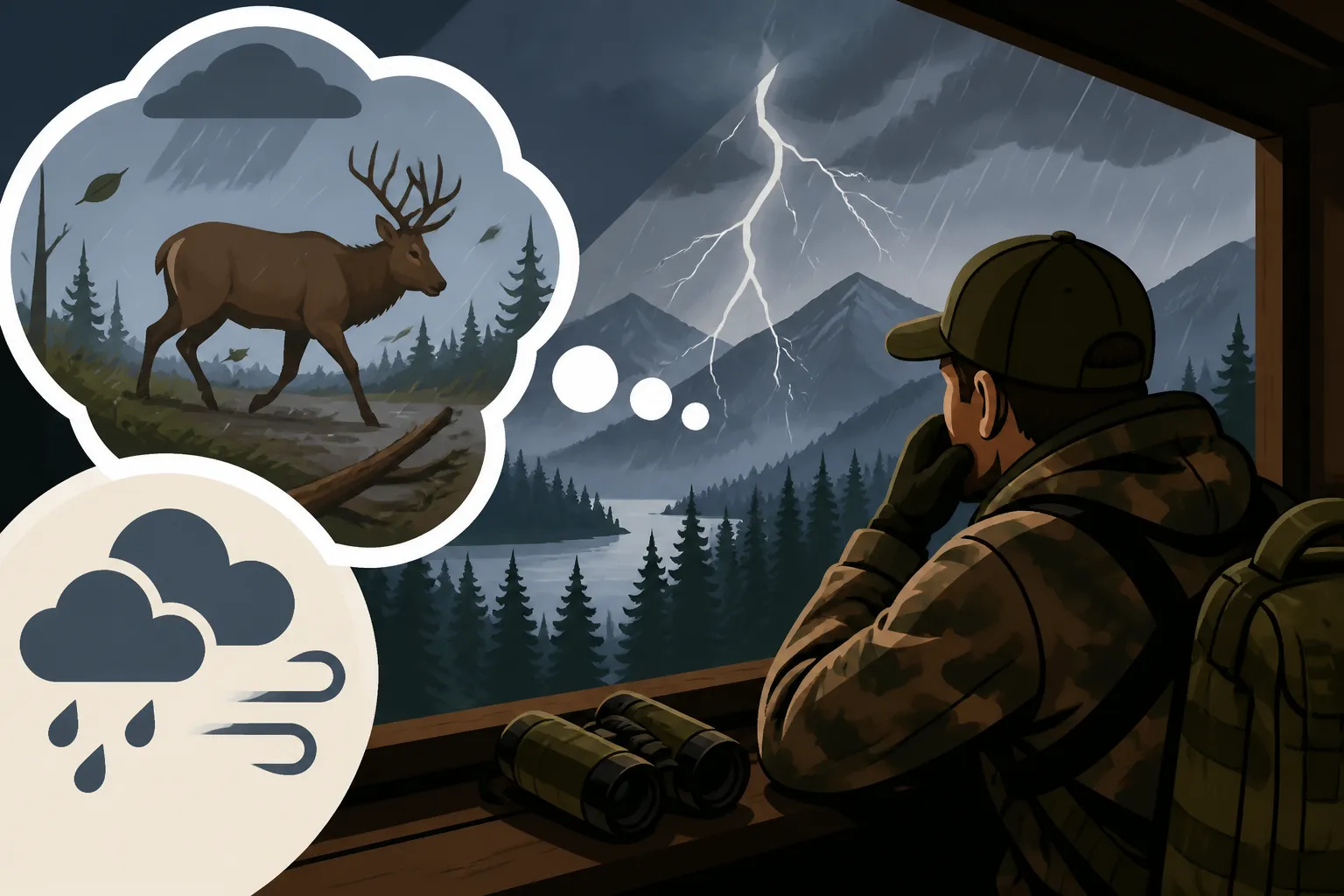
Imagine planning a sheep hunt high in the Northern Rockies for early September, envisioning crisp, clear days perfect for glassing. Suddenly, a massive early-season snowstorm rolls in, dumping feet of snow and making the high country utterly impassable and unsafe. Or perhaps you're set for a spring bear hunt on the coast, anticipating calm seas and visible estuaries, only to be met with a week of driving rain, dense fog, and white-capped waves that make boat travel impossible and visibility zero. Even interior moose hunts in October can be ruined by an unseasonably warm spell that makes meat care a nightmare, or by too much rain turning logging roads into impassable quagmires. These aren't just hypothetical scenarios; they are the lived experiences of many hunters here.
The key takeaway is that British Columbia's weather is not just varied, it’s often extreme and localized. You might have beautiful sunshine in a valley while a massive squall dumps snow just a few thousand feet higher. This variability means that even with the best planning, a weather event can directly impact animal movement, access to hunting areas, and crucially, hunter safety and comfort. It's not a question of if you'll encounter challenging weather, but when and how you'll adapt.
Impact of Weather on Hunting Logistics and Safety
Beyond just making hunting unpleasant, severe weather can outright shut down an operation. Consider the widespread forest fires that have plagued British Columbia in recent years; these can lead to vast areas being closed to public access for safety reasons, completely cancelling hunts. Heavy snow can close forest service roads, even deactivated ones, making areas unreachable that were open just days before. Rain can turn dry tracks into greasy, bottomless mud pits that even a seasoned 4×4 can't navigate, trapping hunters or preventing access.
Air charter services, often critical for remote hunts in areas like the Stikine or Spatsizi, operate under strict visual flight rules (VFR). Dense fog, low cloud ceilings, or heavy winds will ground planes and helicopters indefinitely, leaving hunters stranded or delaying the start of their expensive trip. For those using jet boats to access river systems, sudden heavy rain can cause water levels to rise dramatically, making navigation treacherous or impossible, especially in braided river environments. Safety is paramount: hypothermia is a real danger in the coastal rainforest if you're not prepared for Hunting in British Columbia's Coastal Rain, and unexpected blizzards in the alpine can lead to whiteouts and avalanche risk, making even simple navigation deadly.
Financial and Logistical Recourse for Weather-Affected Hunts
When a hunt is impacted by weather, the immediate concern often shifts from the missed opportunity to the significant financial investment. Guided hunts, particularly for sought-after species, represent a substantial outlay, and the thought of losing that money due to something entirely out of your control is incredibly frustrating.
Outfitter Policies and Contractual Agreements
This is where reading the fine print of your outfitter contract becomes absolutely critical, before you ever sign on the dotted line. Most reputable British Columbia guide outfitters have explicit clauses regarding "acts of God" or force majeure events, which typically include severe weather. What this often means is that if your hunt is cut short or cancelled due to weather, the outfitter is generally not obligated to provide a refund. Why? Because their operational costs – guide wages, food, fuel, camp setup, leases, etc. – are incurred regardless of whether you harvest an animal or even get to hunt a full day. Their season is short, and every booking counts towards sustaining their business.
However, many outfitters, recognizing the significant investment hunters make, will try to work with you. Common solutions might include offering a discounted re-book for the following year, or a credit towards a future hunt. Some might offer a "rain check" day rate if the primary animal becomes inaccessible but other opportunities arise. You might find outfitters on platforms like BookYourHunt explicitly detailing their cancellation policies, so it's wise to review these thoroughly before committing. It's rare for an outfitter to absorb the entire cost of a weather-related cancellation, so having a clear understanding of their specific policy is paramount to avoiding disappointment.
The Role of Trip Insurance and What It Covers
Given the significant investment and the unpredictability of BC weather, specialized hunting trip insurance is not just a good idea, it's often a necessity, particularly for non-resident hunters. Standard travel insurance policies, while great for covering flight cancellations, medical emergencies, or lost luggage, typically do not cover hunt cancellations or interruptions due to adverse weather conditions, poor hunting success, or the inability to pursue specific game animals due to environmental factors.
Look specifically for policies designed for hunting or adventure travel, or those that offer a "cancel for any reason" (CFAR) rider. A CFAR policy will allow you to cancel for almost any reason, including simply deciding you don't want to hunt in a blizzard, but it usually comes at a higher premium and only reimburses a percentage of your non-refundable costs. More specific hunting insurance might cover things like an outfitter cancelling their operation due to unforeseen circumstances (like a key guide becoming ill), or even potentially an early hunt termination if conditions become unsafe. Make sure to scrutinize the policy's fine print, paying close attention to what constitutes a "covered event." Services like GoHunt often have resources or recommendations for specialized insurance providers that understand the unique risks associated with big game hunting. It's an investment, but one that can save you tens of thousands of dollars and immense heartache if the weather turns truly sour.
Managing Expectations and Adapting Your Hunt
While you can't control the weather, you can certainly control your reaction to it and how well prepared you are. A successful British Columbia hunt, especially in the face of challenging conditions, often comes down to a blend of meticulous preparation and a flexible mindset.
Pre-Trip Planning for Weather Contingencies
One of the best strategies is to build flexibility into your trip from the outset. If your schedule allows, consider adding an extra day or two to either end of your hunting window. This buffer can be invaluable if travel is delayed due to weather, or if you need an extra day to wait out a storm in the field. Discuss worst-case weather scenarios with your outfitter well in advance. Ask them what their typical backup plans are, or if there are alternative species or areas you could hunt if the primary plan goes awry. For example, if you're after high-country mule deer and heavy snow hits, could you shift focus to Hunting Mule Deer on a British Columbia Burn at lower elevations, or even to black bears in the valley?
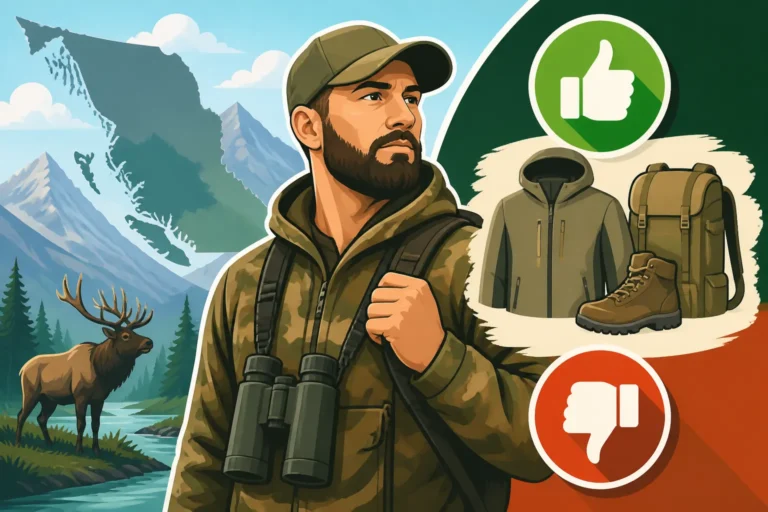
Your packing list is also crucial. British Columbia demands versatile gear. Forget bringing just "cold weather" or "warm weather" clothes; you need both, often for the same day. Think layers, high-quality waterproof and windproof outerwear, and robust footwear suitable for varied terrain and wet conditions. Check out advice on Boots for Steep British Columbia Country and what to wear for What to Wear for British Columbia's Coastal Rain to get an idea of the extremes. Even if you're going with a guide, doing your own research on the specific management unit you'll be hunting, using mapping tools like those offered by GoHunt, can give you insights into alternative access points or lower-elevation options if the weather closes off your primary plan.
Embracing Flexibility and Alternative Hunting Strategies
The most successful hunters in British Columbia are often those who can pivot their plans without losing their composure. If a blizzard grounds your flight into a remote lake for moose, can you instead shift to a truck-based hunt along the Hunting British Columbia's Logging Road Network for black bears, or perhaps spend a few days calling coyotes? Sometimes, adverse weather can even present unique opportunities. Fresh snow, for instance, can be a tracker's dream, making it easier to follow game like deer or moose that might otherwise be invisible in dense timber. A sudden drop in temperature can kickstart rutting activity.
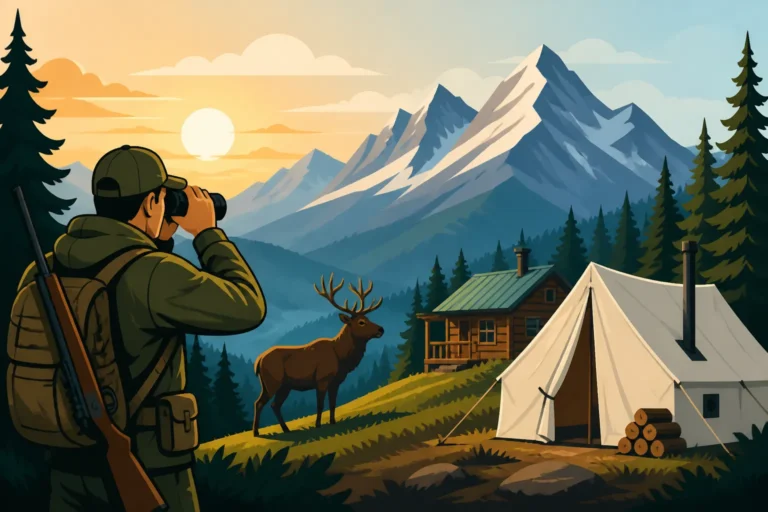
Your guide will be your best ally in these situations. They know their territory intimately and understand how animals react to different weather patterns. Trust their expertise. If they suggest switching from high-altitude glassing for sheep to still-hunting through timber for blacktail after a fog bank rolls in, they're doing it because they believe it offers the best chance of success under the new conditions. Remember, the goal is often the experience itself, and adapting to challenges can create some of the most memorable hunting stories. Sometimes, even just enjoying a warm campfire in a wall tent while the rain or snow rages outside, knowing you're safe and making the most of a difficult situation, is a victory in itself.
Communicating with Your Outfitter and Fellow Hunters
Clear and honest communication is the bedrock of any successful hunting trip, but it becomes absolutely vital when weather throws a wrench into your plans. Misunderstandings and unspoken expectations can quickly sour an already challenging situation.
Open and Realistic Dialogue with Your Guide
Before, during, and after your hunt, maintain an open and realistic dialogue with your outfitter and guides. Leading up to your trip, don't hesitate to ask about current conditions and forecasts. Reputable outfitters will be transparent about what's happening on the ground. During the hunt, listen carefully to your guide's assessment of the weather and its impact on safety and hunting prospects. They are responsible for your well-being in potentially dangerous terrain. If they decide it's too dangerous to cross a swollen creek, or that the mountain face is too risky due to high winds, their decision is final and for your safety.
It's crucial to understand that a guide's decisions are often based on years of experience in that specific territory, and they want you to be successful as much as you do. However, they also prioritize your safety and the long-term viability of their operation. Express any concerns you have calmly and respectfully. In remote areas where cell service is non-existent, carrying a Satellite Communication on a Remote Hunt device is a smart move, allowing for crucial updates or emergency contact if conditions dictate an early departure or a change in plans.
Lessons Learned and Future Preparedness
Every challenging hunt, especially those impacted by weather, offers invaluable lessons. Take the time, perhaps on the drive home or once you've settled back in, to reflect on what happened. What could have been done differently in terms of preparation? Did your gear hold up? Were your expectations realistic given the climate and time of year? Sharing these experiences with fellow hunters, either in person or through online forums, can also provide perspectives and solutions you might not have considered.
This reflection can inform future hunt planning. Perhaps you decide to book your next British Columbia trip at a different time of year, or in a different region known for more stable weather during your preferred season. You might re-evaluate your gear choices, deciding to invest in even more robust rain gear or warmer insulation. If trip insurance wasn't part of your initial planning, this experience might convince you of its necessity. For those using platforms like BookYourHunt for research, reading reviews and paying attention to comments about an outfitter's handling of adverse weather can also guide your future decisions. Ultimately, while a weather-ruined hunt can feel like a setback, it's often a profound teacher, equipping you with greater wisdom and resilience for the adventures yet to come.
Here's a quick overview of how different weather impacts might affect your hunt and some potential adaptations:
| Weather Event | Common Impact on Hunt | Potential Adaptations/Solutions |
|---|---|---|
| Heavy Rain | Reduced visibility, slippery terrain, swollen creeks, muddy roads, animal seeking shelter. | Still-hunting dense timber, focusing on natural funnels, hunting in covered blinds, using raingear. |
| Early Snowfall | Road closures, inaccessible alpine, reduced animal movement, increased avalanche risk. | Focus on lower elevations, tracking in fresh snow, switching to different species, accessing via Horseback Hunting British Columbia's Backcountry. |
| Dense Fog | Zero visibility for glassing, navigation difficulties, disorientation. | Still-hunting, moving slowly, relying on scent/sound, using GPS more frequently, hunting valley bottoms. |
| Extreme Heat | Animals bedded down, spoilage risk for meat, hunter fatigue, increased wildfire risk. | Hunt early/late, focus on water sources/shady areas, prioritize rapid Meat Care in British Columbia's Warm Early Seasons, shift focus to cool evenings. |
| High Winds | Difficult shooting, noise interference, downed trees, animals hunkered down. | Hunt sheltered lee sides of ridges, stalk into the wind, use natural windbreaks for cover, focus on heavier timber. |
| Wildfire Smoke/Closure | Area closures, poor visibility, evacuation orders, unhealthy air quality. | Hunter safety is paramount; often leads to cancellation, check British Columbia Road and Weather Closures constantly. |
| Extreme Cold | Gear failure, hypothermia risk, stiff movement, animals conserve energy. | Dress in layers, carry emergency warmth, ensure gear is cold-rated, focus on quick shots to minimize exposure. |
Disclaimer
This article is for general informational purposes only and does not constitute professional advice. Laws, prices and regulations vary by location and change over time. Consult a qualified professional for guidance on your specific situation.