Becoming a Licensed Guide in British Columbia
The dream of becoming a licensed guide in British Columbia is one that sparks the imagination of many a hunter. It conjures images of majestic mountains, pristine wilderness, and the thrill of sharing the backcountry with eager clients. But like any truly rewarding pursuit, the path to becoming a licensed guide in this rugged province is far from a walk in the park; it demands dedication, deep knowledge, and a commitment to safety and conservation. This guide will walk you through the often-complex steps and significant realities of making that dream a professional reality.
The Allure of Guiding in British Columbia
For many, the idea of guiding isn't just a job; it's a calling, a way of life that resonates deeply with their love for the outdoors. British Columbia, with its vast wilderness and diverse game species, offers an unparalleled canvas for this passion.
More Than Just a Job: The Lifestyle
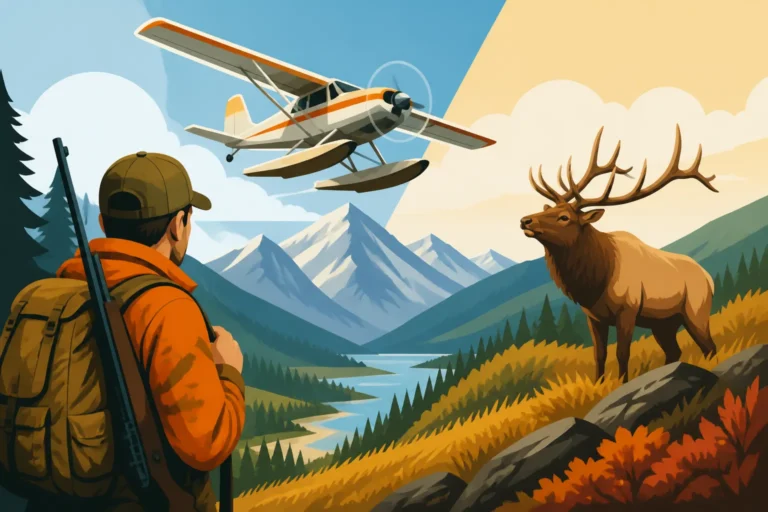
Imagine waking up before dawn, not to an alarm clock in a city apartment, but to the calls of ravens echoing through an alpine basin. Your "office" is a sprawling mountain range, a dense coastal rainforest, or a remote northern river system. This isn't just about punching a time clock; it's about immersing yourself in nature, year-round, preparing for and executing hunts that often take you far beyond the reach of cell service and paved roads.
Many aspiring guides are drawn to the freedom, the challenge, and the profound connection to the land that this lifestyle offers. You’re not just facilitating a hunt; you’re an ambassador for the wilderness, teaching clients about wildlife, tracking, bushcraft, and the ethics of fair chase. It’s an incredibly physical and mentally demanding existence, certainly not for everyone. You'll spend weeks, sometimes months, away from home, battling weather, packing heavy loads, and constantly problem-solving. But for those who embrace it, the rewards—the sunrises over an untouched valley, the thrill of a successful stalk, the gratitude of a client who has achieved a lifelong dream—are incomparable. It's a life defined by adventure, resilience, and an unwavering respect for the wild.
Understanding the "Guide" Title in BC
In British Columbia, the term "guide" isn't just a casual descriptor; it carries a very specific legal definition and set of responsibilities. Essentially, a guide is someone who, for compensation, accompanies another person to assist them in hunting wildlife. This distinction is crucial, especially for non-residents who, by law, must be accompanied by a licensed guide outfitter or a resident holding a valid British Columbia's Permit to Accompany. This isn't just a formality; it's about ensuring safety, adherence to regulations, and ethical hunting practices in a province where the terrain can be unforgiving and the rules intricate.
The roles of a guide are multifaceted. You're a navigator, a scout, a tracker, a game processor, a camp chef, a first aid attendant, and often, a therapist! You're responsible for the client's safety, comfort, and ultimately, the success of their hunt within legal and ethical boundaries. This means possessing an intimate knowledge of not only game behaviour and habitat but also the specific regulations for the management unit you’re hunting, including bag limits, season dates, and weapon restrictions. It's a position of trust and authority, requiring a level of professionalism that goes far beyond simply knowing how to hunt.
The CORE Requirements and Foundation Steps
Before you can even think about becoming an assistant guide, let alone a full guide outfitter, you need to lay down the fundamental groundwork required of all hunters in British Columbia. This starts with proving your basic knowledge of hunting safety and regulations.
Getting Your Hunter Number (FWID)
Your first essential step on the path to becoming a licensed guide in British Columbia is obtaining your Fish and Wildlife ID (FWID), often colloquially called your "hunter number." This unique identification number is your key to participating in any licensed hunting or angling activity in the province. Think of it as your permanent outdoor identity in BC. Without it, you can't purchase a basic hunting licence, let alone any species tags or apply for Limited Entry Hunting (LEH) draws.
The process of getting your FWID is fairly straightforward and can typically be done online through the provincial government's outdoors licensing system. You'll need to provide personal information and confirm your residency status, as this impacts the types of licenses and fees you'll be eligible for down the line. It's a one-time setup that then links to all your future hunting and fishing credentials. This foundational step is crucial not just for your guiding aspirations but for anyone serious about hunting in British Columbia, as it establishes your legal identity within the provincial wildlife management framework. You can find more details on how to set this up by looking into Getting a British Columbia FWID.
Passing the Conservation and Outdoor Recreation Education (CORE) Exam
Once you have your FWID, the next critical hurdle is successfully completing the Conservation and Outdoor Recreation Education (CORE) program and passing its exam. This isn't just a formality; it's a comprehensive course designed to ensure that every hunter in British Columbia possesses a fundamental understanding of firearm safety, wildlife identification, hunting regulations, ethical conduct, and basic survival skills. It's an investment in your safety and the safety of those around you, as well as in the future of responsible hunting.
The CORE exam typically consists of a written multiple-choice test covering all aspects of the curriculum, followed by a practical firearms handling test. For the practical portion, you'll demonstrate safe gun handling, loading, unloading, and carrying techniques with a variety of common hunting firearms. There's no live firing involved, but strict adherence to safety protocols is paramount. Failing to demonstrate proficiency here will mean retesting. Many people find the course challenging but incredibly informative, even experienced hunters, as it covers British Columbia-specific regulations that might differ from other jurisdictions. For an aspiring guide, passing CORE isn't just about getting a certificate; it's about internalizing the principles of ethical and safe hunting that you will be expected to uphold and teach to your clients daily. It's the bedrock of responsible guiding. If you're ready to dive in, check out Taking the CORE Exam in British Columbia for more information on what to expect.
The Path to Becoming an Assistant Guide
With your FWID and CORE certificate in hand, you're ready to start the practical journey toward professional guiding. In British Columbia, this typically begins with becoming an Assistant Guide. It's a crucial stepping stone, offering invaluable real-world experience under the supervision of seasoned professionals.
The Importance of Experience and Mentorship
While classroom learning and certifications are essential, nothing truly prepares you for the realities of guiding quite like hands-on experience. Becoming an Assistant Guide is primarily an apprenticeship. You’ll spend countless hours in the field, not just as a hunter yourself, but as an integral part of a guided operation. This is where you learn the nuances of client management, how to adapt to unexpected weather patterns, the best ways to pack out heavy game in steep country, and the intricate dance of scouting, tracking, and calling in animals for clients.
Finding an outfitter willing to take you on as an assistant is key. Many aspiring guides start by volunteering or offering their skills at a reduced rate to get their foot in the door. Building relationships within the guiding community is paramount. Attending industry events, networking with outfitters, and demonstrating a strong work ethic and a willingness to learn can open doors. A good mentor will not only teach you the practical skills but also instill in you the profound ethical responsibilities of a guide. They’ll show you how to manage client expectations, ensure safety in hazardous terrain, and make quick, sound decisions under pressure. This period of mentorship is critical for developing the judgment and confidence required to eventually take on more responsibility, and it's something no amount of reading can replace.
Assistant Guide Licence Application Process
Once you've secured a position with a licensed Guide Outfitter, you can then apply for your Assistant Guide Licence. This licence is distinct from a general hunting licence and specifically authorizes you to assist a Guide Outfitter in conducting hunts within their designated territory. The application process involves demonstrating that you meet the provincial requirements, including proof of your FWID and CORE certification. You'll also need a formal endorsement from the Guide Outfitter you'll be working for, as they are ultimately responsible for your conduct and activities while assisting them.
The fees for an Assistant Guide Licence are separate from your basic hunting licence and species tags, representing the professional nature of the credential. These fees contribute to the regulatory oversight and management of the guiding industry. You'll need to submit the required application forms, often through the provincial online system, ensuring all sections are accurately completed. It’s also important to be aware of any minimum age requirements for assistant guides, and to ensure your criminal record check is up to date, as integrity is a cornerstone of the industry. This licence is what legally allows you to step into that professional role, taking you beyond being just a hunting buddy to being an integral part of a commercial hunting operation. For a detailed breakdown of what's involved, you'll want to review the information on British Columbia Assistant Guide Licences.
Here's a quick comparison of the foundational requirements for a typical resident hunter versus an aspiring Assistant Guide:
| Requirement | British Columbia Resident Hunter | British Columbia Assistant Guide |
|---|---|---|
| Fish & Wildlife ID (FWID) | Mandatory | Mandatory (Prerequisite) |
| CORE Exam | Mandatory | Mandatory (Prerequisite) |
| Basic Hunting Licence | Mandatory for hunting | Mandatory for personal hunting (separate from guide licence) |
| Species Licences/Tags | Required for specific animals | Required for personal hunting (separate from guide licence) |
| Assistant Guide Licence | Not applicable | Mandatory for guiding work |
| Endorsement by Outfitter | Not applicable | Mandatory |
| Experience/Mentorship | Recommended for skill development | Essential for practical training |
| Criminal Record Check | Not typically required | Often required for professional roles |
Upgrading to a Full Guide Outfitter Licence
Moving from an Assistant Guide to a full Guide Outfitter is a monumental leap, transitioning from an employee or apprentice role to becoming a business owner and operator. This stage is less about learning to hunt and more about managing an entire enterprise.
The Steep Climb: From Assistant to Outfitter
Becoming a full Guide Outfitter means you are no longer just an individual accompanying hunters; you are now the proprietor of a legitimate guiding business. This entails a massive shift in responsibility, scope, and financial commitment. You're not simply helping on a hunt; you're orchestrating every detail, from client bookings and logistics to managing staff, equipment, and maintaining a guiding territory. The romantic notion of simply "hunting for a living" quickly gives way to the gritty realities of business ownership.
This transition often involves acquiring an existing guiding territory, which can be an incredibly complex and costly undertaking. These territories are valuable assets, often passed down through generations or sold for significant sums. The price for these territories varies wildly depending on size, location, species available, and established infrastructure. It’s not uncommon for an aspiring outfitter to spend years saving, building connections, and looking for the right opportunity. This is where you might find yourself navigating business loans, legal agreements, and intricate succession plans. It truly embodies the idea of a "steep climb," both literally in the mountains you'll operate in, and figuratively in the business challenges you'll face. Understanding the value and acquisition process of these territories is a critical component, as detailed in resources like What a Guide Outfitter Territory Sells For.
Guide Outfitter Licence Requirements and Responsibilities
As a Guide Outfitter, you hold the ultimate responsibility for all guiding operations within your certificate territory. This means you must possess a valid Guide Outfitter Licence issued by the province, which is tied directly to a specific guide outfitter certificate territory. You cannot simply apply for a "guide outfitter" licence without first securing a territory to operate in. The process involves rigorous scrutiny to ensure you meet all regulatory, ethical, and business requirements. This includes having a comprehensive business plan, demonstrating financial solvency, and proving your extensive experience in guiding, usually accumulated over many years as an Assistant Guide.
Your responsibilities as an outfitter are vast. You're accountable for ensuring that all hunts conducted in your territory comply with the intricate web of provincial and federal regulations, from proper tag usage to compulsory reporting and wildlife inspection requirements. You'll manage staff, ensuring all your assistant guides are properly licensed and adhering to safety protocols. You'll also be responsible for maintaining base camps, equipment, and access routes within your territory. Furthermore, a significant part of the role involves client relations: managing expectations, ensuring their safety and comfort, and providing an authentic and high-quality hunting experience. Outfitters are also vital conservation partners, often collecting biological data, monitoring wildlife populations, and participating in habitat enhancement projects. It's a role that demands leadership, business acumen, deep ecological knowledge, and an unwavering commitment to the integrity of the resource. The comprehensive regulations governing this role are elaborated further in British Columbia Guide Outfitter Licensing Rules.
The Realities of the Guiding Business
Beyond the licences and the romantic appeal, a career in guiding in British Columbia comes with a harsh set of realities that demand foresight, resilience, and a solid understanding of the demands of the trade.
Financial Investment and Seasonal Income
Let's be blunt: guiding in British Columbia is not a get-rich-quick scheme. The upfront costs and ongoing expenses can be substantial, and the income is almost entirely seasonal. As an Assistant Guide, your pay will often reflect your experience, with many starting out earning a modest wage, sometimes supplemented by tips from appreciative clients. As a full Guide Outfitter, the financial investment skyrockets. Acquiring a territory, even a smaller one, can involve significant capital. Then there are the operational costs: purchasing and maintaining reliable vehicles (trucks, ATVs, snowmobiles), jet boats, horses, aircraft charters for remote access, quality camp equipment, communications gear (like satellite phones or Garmin InReach devices), insurance, fuel, food, and staff wages. It's a continuous cycle of investment.
Income, on the other hand, is concentrated into the relatively short spring bear and fall big game seasons. There will be lean months in between where no money is coming in, but expenses continue. This necessitates careful financial planning, smart budgeting, and often, having supplementary income streams or significant savings to bridge the gaps. Outfitters must price their hunts competitively yet realistically to cover costs and make a profit, which can be a delicate balance. Potential clients often research extensively on platforms like BookYourHunt or GoHunt, comparing prices and packages, making it a competitive market. It’s a feast or famine business, demanding a robust financial strategy and a willingness to ride out the quieter times.
Physical Demands and Remote Living
The physical demands of guiding in British Columbia are legendary. This is not a sedentary profession. You will hike for miles daily, often in rugged, steep terrain, sometimes at high altitudes. You'll carry heavy packs, whether it's camp gear on the way in or quarters of game on the way out. You'll be exposed to every kind of weather imaginable, from scorching summer days to torrential rain, freezing temperatures, and heavy snow. Endurance, strength, and a high level of physical fitness are not just advantages; they are absolute necessities. Many veteran guides will tell you that a British Columbia sheep hunt requires months of dedicated preparation just to be fit enough to keep up, let alone lead a client. If you're considering a path like Fitness for a British Columbia Sheep Hunt, be prepared for that level of training to be your daily reality.
Beyond the physical, there's the mental toll of remote living. Weeks or months spent in isolated camps, often without cell service, can be challenging. You’re constantly "on call" for clients, managing their moods, successes, and disappointments. You might be the only one making critical decisions in emergencies, miles from help. Emergency Planning in British Columbia's Backcountry becomes a skill you live and breathe. You must be self-reliant, resourceful, and comfortable with solitude, yet also possess excellent interpersonal skills to connect with clients from diverse backgrounds. The ability to problem-solve under pressure, maintain a positive attitude when things go sideways, and be a steady hand in difficult situations is paramount.
The Ethical Compass of a Guide
At its heart, guiding in British Columbia is a profession built on trust and a deep ethical commitment. A guide is not just a facilitator of a hunt; they are custodians of the resource and guardians of the sport's integrity. This means upholding the principles of fair chase above all else. It's about ensuring that animals are harvested ethically, within legal limits, and that the hunt itself respects the wild character of the animal and its habitat. This might mean passing on an animal if the shot isn't clean, if the conditions aren't right, or if it doesn't meet the client's expectations for a truly fair chase experience.
Safety is another non-negotiable aspect of a guide's ethical compass. You are responsible for the well-being of your clients, your staff, and yourself in potentially hazardous environments. This includes ensuring proper firearm handling, navigating treacherous terrain safely, and having robust emergency protocols in place. Outfitters and guides carry significant British Columbia Guide Insurance and Liability for a reason, but no policy can replace sound judgment and proactive safety measures. Furthermore, guides often act as conservationists on the ground, reporting poaching, monitoring wildlife, and advocating for sound wildlife management. Your reputation, and indeed the reputation of the entire guiding industry, rests on your unwavering commitment to these ethical principles.
Resources and Next Steps for Aspiring Guides
If, after considering these realities, your passion for guiding in British Columbia still burns bright, there are clear paths forward and resources available to help you on your journey.
Connecting with the Industry
Networking is absolutely vital in the guiding world. One of the best ways to immerse yourself is by connecting with the Guide Outfitters Association of British Columbia (GOABC). This organization represents licensed guide outfitters in the province and is a wealth of information, resources, and connections. They often host conventions, workshops, and events where aspiring guides can meet current outfitters, learn about industry trends, and potentially find mentorship opportunities or even job placements. Many outfitters will post job openings for assistant guides through GOABC channels or related industry forums.
Beyond formal organizations, simply reaching out to outfitters whose operations you admire, offering to volunteer, or seeking summer camp work can get your foot in the door. Many successful guides started by doing grunt work, proving their dedication and reliability. Online platforms like BookYourHunt and GoHunt, while primarily for booking hunts, also serve as directories where you can research outfitters, understand their specialties, and identify potential contacts. Don't underestimate the power of showing up, being genuinely interested, and demonstrating a strong work ethic.
Continuous Learning and Skill Development
The journey to becoming a guide, and indeed a successful one, never truly ends. Even after you've obtained your licences, continuous learning and skill development are crucial. The wilderness is dynamic, regulations change, and new technologies emerge. Staying current with advanced first aid certifications, wilderness survival techniques, and specialized skills like tracking, game calling for various species, or advanced navigation with GPS and satellite devices will set you apart. Consider pursuing additional certifications in swiftwater rescue, avalanche safety, or even heavy equipment operation if you're looking at managing remote camps.
Many educational institutions and private trainers offer courses specifically tailored to outdoor professionals and guides, covering everything from wilderness medicine to specific species biology and behaviour. The province itself, through various initiatives and organizations like GOABC, may offer specific British Columbia Guide Training and Certification programs designed to enhance professional skills. The more diverse and robust your skillset, the more valuable you become to an outfitter, and the more prepared you'll be to run your own operation. This commitment to lifelong learning is not just about career advancement; it's about continually improving your ability to operate safely, ethically, and effectively in British Columbia's magnificent, yet demanding, backcountry.
Disclaimer
This article is for general informational purposes only and does not constitute professional advice. Laws, prices and regulations vary by location and change over time. Consult a qualified professional for guidance on your specific situation.