Dall’s Sheep in the Far Northwest
Hunting Dall's sheep in British Columbia is a dream for many, but the sheer remoteness and the incredible difficulty in drawing a tag can make it feel like an impossible quest. It's a hunt that demands exceptional physical fitness, meticulous planning, and an unwavering spirit, often pushing even the most seasoned hunters to their absolute limits. This comprehensive guide will pull back the curtain on what it truly takes to pursue these magnificent white rams in the far northwest corners of British Columbia, offering a realistic look at the habitat, regulations, and the unique challenges you’ll face.
Understanding Dall's Sheep in British Columbia
When you picture mountain sheep hunting in British Columbia, most folks immediately think of the majestic Stone's sheep with their dark capes and golden horns. But tucked away in the province's extreme northwest, a small, exclusive population of Dall's sheep offers a different, equally compelling challenge. These animals are a true testament to the wild, untouched nature of their remote habitat.
Where Dall's Sheep Range in British Columbia
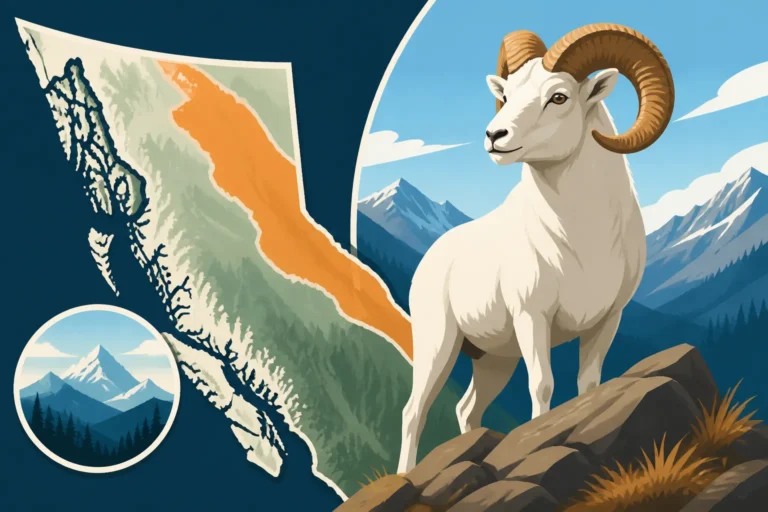
British Columbia's Dall's sheep population is incredibly specific and limited, largely confined to the most northerly reaches of the province, primarily within the Cassiar Mountains and parts of the Stikine region, right up against the Yukon border. This isn't your typical accessible hunting ground. We're talking about vast, untamed wilderness where the nearest road might be days away, and human presence is minimal. These are true alpine dwellers, spending their lives on barren, windswept peaks and glacial valleys that rarely see a human footprint. Unlike Stone's sheep, which have a broader distribution further south in the province, Dall's sheep exist in a much smaller, more isolated pocket. It’s a place that screams adventure and remoteness, a region so rugged and wild that it naturally filters out all but the most determined individuals.
Distinguishing Dall's from Stone's Sheep
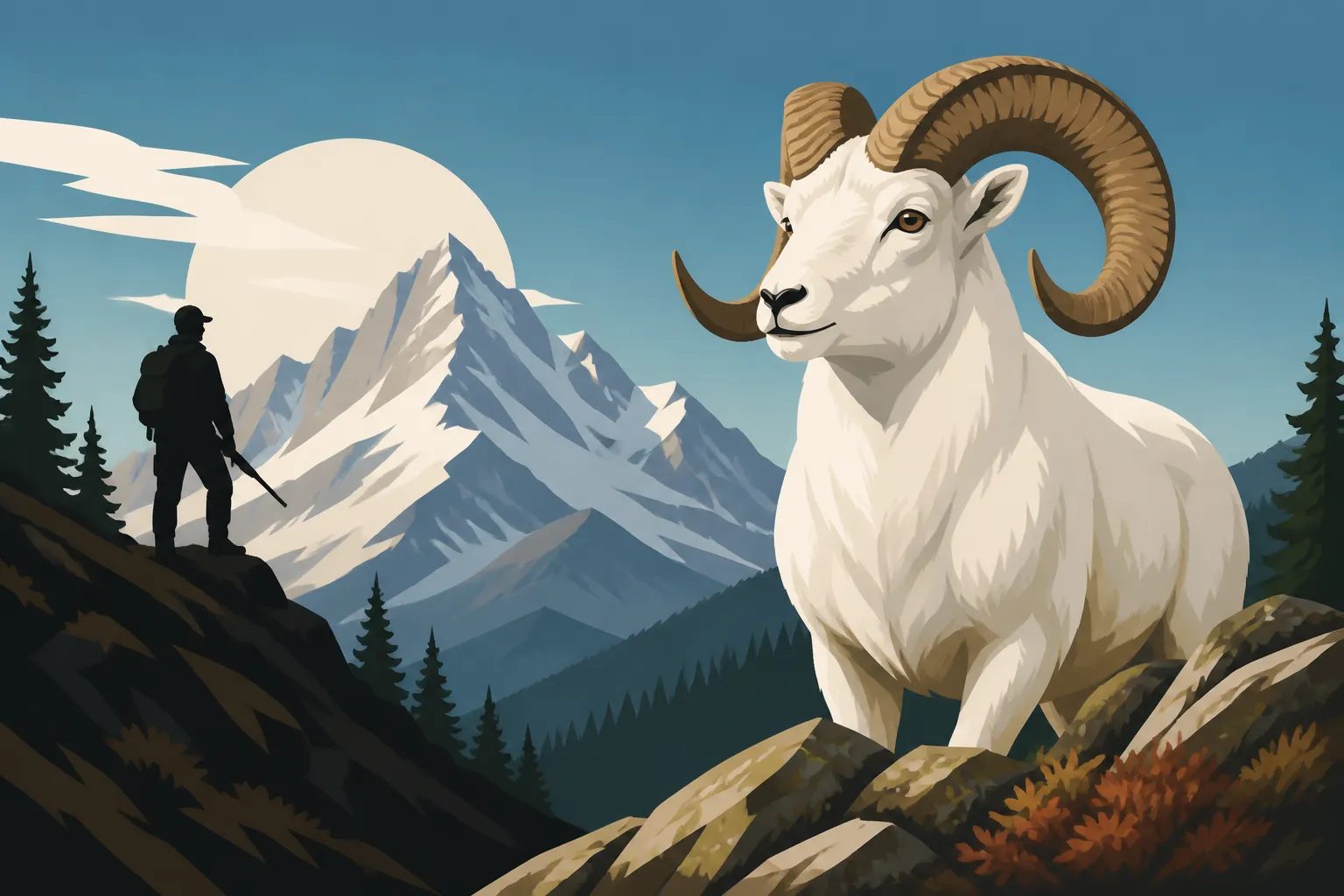
For the uninitiated, telling the difference between a Dall's and a Stone's sheep can seem like a minor detail, but in the field, it's critical. The most obvious differentiator is color. Dall's sheep are predominantly white, or a very light, creamy white, with some individuals showing a slight grey wash on their bodies, often referred to as "Fannin sheep," which are a natural intergrade between pure Dall's and pure Stone's. Stone's sheep, on the other hand, are typically much darker, ranging from a dark brown to black body with a distinct white rump patch, white belly, and white muzzle. Their horns are similar in shape, typically a tight curl, but the color can vary; Stone's sheep often have darker, amber-colored horns, while Dall's horns can be lighter, more translucent. The physical characteristics are important not just for identification, but also for meeting legal requirements. Hunting one when you have a tag for the other could lead to serious legal trouble. While their ranges are mostly distinct, with Stone's sheep occupying most of northern BC south of the Dall's range, there are areas where these two subspecies might overlap, particularly in the northernmost parts of Stone's habitat and the southernmost fringes of Dall's, making precise identification even more crucial. Understanding these nuances is part of the deep respect we have for these animals and their unique place in British Columbia’s ecosystem. If you want to dive deeper into the differences, you might find more information on specific populations like Where British Columbia's Stone's Sheep Live.
Dall's Sheep Population Trends and Management
British Columbia's Dall's sheep population, while small, is generally considered stable, but it faces the inherent challenges of any species living in extreme environments. Habitat quality, severe winters, and predation from wolves and grizzlies are constant factors. The remoteness of their range often means less direct human impact, but climate change and its effect on alpine ecosystems are always a concern. Because of their limited numbers and isolated habitat, the management of Dall's sheep is incredibly conservative. The province issues very few tags each year, and these are almost exclusively allocated through the Limited Entry Hunting (LEH) system for residents, and through guide outfitters for non-residents. This restrictive approach is designed to ensure the long-term health and sustainability of the population, recognizing that these animals are a precious resource. Every hunter who pursues Dall's sheep is keenly aware of the privilege and the responsibility that comes with it, understanding that the pursuit itself is often more impactful than the harvest.
The Unique Habitat of British Columbia's Dall's Sheep Country
Stepping into Dall's sheep country in British Columbia is like entering another world. It's a landscape sculpted by glaciers and extreme weather, where only the toughest flora and fauna survive. This isn't gentle rolling hills; it's a vertical world that demands respect and thorough preparation.
The Rugged Alpine Environment
The Dall's sheep of British Columbia call the high alpine home, specifically the unforgiving peaks and ridges of the Cassiar and northern Stikine mountain ranges. Here, timberline is a distant memory, and the landscape is dominated by jagged rock, scree slopes, and sparse tundra. Elevations often range from 6,000 to over 8,000 feet, sometimes even higher. Imagine endless stretches of exposed rock faces, narrow ledges, and steep, broken terrain that seems to defy gravity. The weather can change in an instant; sunny mornings can quickly give way to whiteout blizzards, driving rain, or freezing fog, even in the middle of summer. This relentless environment is a sheep's sanctuary but a hunter's crucible. It’s where your physical endurance and mental fortitude are tested to their absolute limits. Hunters must be prepared for everything from high winds that can knock you off balance to slick rock that can turn a simple step into a dangerous slide.
Vegetation and Forage
Despite the seemingly barren appearance of Dall's sheep habitat, these mountains support a surprising variety of vegetation that forms the sheep's diet. Their primary forage consists of hardy alpine grasses, sedges, lichens, and low-growing forbs that cling to life in the rocky crevices and thin soils. In the short, intense summer months, sheep will graze on the new growth, packing on critical fat reserves needed to survive the brutal winters. They're incredibly efficient at extracting nutrients from this sparse menu. Understanding where these forage patches occur – often on south-facing slopes that melt out earlier and receive more sun – is key to locating sheep. As the seasons change, their movements are often dictated by the availability of these food sources. A good hunter knows that following the green-up or identifying crucial winter range for these animals can provide invaluable clues for scouting and hunting.
Water Sources and Bedding Areas
Water, even in a seemingly wet environment like British Columbia, can be a critical factor in the high alpine. While snow patches and small meltwater streams are common, reliable water sources that can sustain sheep throughout the drier parts of summer are important focal points. Sheep will often gravitate towards areas where they can find both good forage and accessible water. Their bedding areas are typically chosen for two main reasons: security and comfort. You'll find them bedded on steep, rocky ledges and benches that offer commanding views of their surroundings, allowing them to spot predators from a distance. These spots often provide shelter from the wind and sun, offering a slight reprieve from the elements. Identifying these patterns – where they feed, where they water, and where they bed – is the essence of effective glassing and stalking. A smart hunter will spend hours, even days, observing these patterns, using high-quality optics to dissect every rock face and basin.
Regulations and Access for Dall's Sheep Hunting
Dall's sheep hunting in British Columbia isn't something you decide to do on a whim. The regulatory framework is strict, and access is a logistical puzzle that requires immense planning and resources. This is not a hunt for the faint of heart or the unprepared.
Limited Entry Hunting (LEH) for Dall's Sheep
For British Columbia residents, pursuing a Dall's sheep is a dream often realized through the province's highly competitive Limited Entry Hunting (LEH) system. Dall's sheep are one of those species that are exclusively hunted through LEH, meaning you can't just buy a general open season tag. The number of authorizations (tags) issued each year is extremely low, reflecting the conservative management of this species. This makes drawing a Dall's sheep tag one of the holy grails of BC hunting. Hunters typically accumulate points over many years, applying annually in hopes of increasing their odds, but even with many points, it’s far from a guarantee. The application window is crucial; missing it means another year without building points. You'll want to keep a close eye on When British Columbia's LEH Applications Open and ensure you've submitted your application before British Columbia's LEH Application Deadline. Resources like GoHunt can be invaluable for understanding draw odds and planning your application strategy, though even GoHunt's data will show just how rare these opportunities are.
Non-Resident Requirements and Guiding
If you're a non-resident of British Columbia, the path to hunting Dall's sheep is even more specific: you must hire a licensed British Columbia Guide Outfitter. There's no "permit to accompany" option for Dall's sheep for non-residents, unlike some other species. This requirement ensures proper management, safety, and adherence to regulations in extremely remote areas. Booking a guided Dall's sheep hunt is a significant undertaking, both logistically and financially. These are among the most expensive hunts in North America, often requiring booking years in advance. Outfitters operating in Dall's sheep territory are few and far between, specializing in these extremely challenging, high-end mountain hunts. They provide all the necessary infrastructure, from transportation to camp and experienced guides, essential for a successful and safe venture into this remote wilderness. If you’re considering this route, research is paramount. Understanding Booking a British Columbia Sheep Hunt thoroughly is a crucial first step, as is knowing What a British Columbia Guided Hunt Costs for such an expedition.
Navigating Remote Access
Forget driving to a trailhead and walking in; access to British Columbia's Dall's sheep country is almost exclusively by air. We're talking bush planes, often on floats or tundra tires, or even helicopters, to get you deep into the roadless wilderness. Imagine landing on a remote lake or a tiny gravel bar miles from any sign of civilization – that's the reality of a Dall's sheep hunt. This immediately introduces a host of logistical challenges: weather delays, weight restrictions on aircraft, and the critical need for meticulous gear planning. You can't just run back to town if you forget something. Planning for emergencies, having robust communication systems like a satellite messenger, and understanding the nuances of flying into remote areas are non-negotiable. If a storm rolls in, you might be stuck in camp for days. The inherent isolation and the reliance on air travel amplify every aspect of the hunt, adding layers of complexity that need to be carefully considered. It’s definitely not a place for those who prefer to stay connected to cell service. You'll want to consider topics like Flying Into a Remote British Columbia Camp and Satellite Communication on a Remote Hunt long before you ever step foot on a plane.
Tactics for Hunting Dall's Sheep in British Columbia
Hunting Dall's sheep is a masterclass in patience, persistence, and physical endurance. The animals live in a world of extremes, and so too must the hunter adapt to succeed. There are no shortcuts in this pursuit; every ram earned is a testament to unwavering commitment.
Extensive Glassing and Spot-and-Stalk
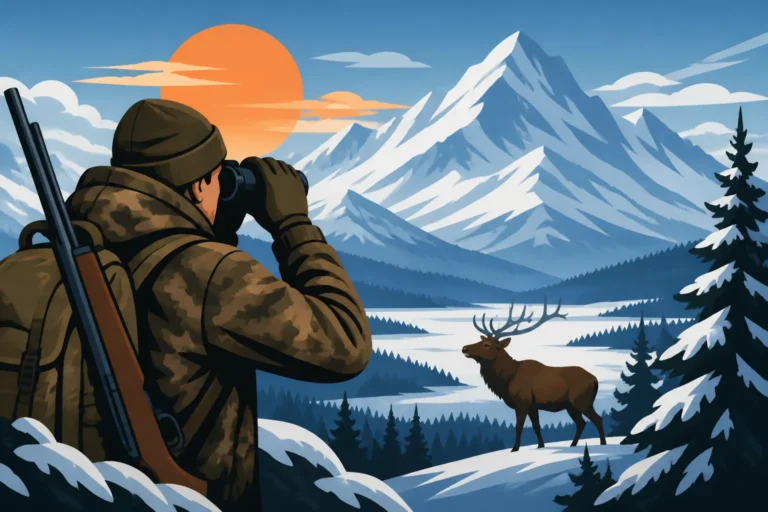
The primary tactic for hunting Dall's sheep is extensive glassing followed by a relentless spot-and-stalk approach. These sheep live in wide-open, exposed terrain, making them visible from great distances if you have the right optics and the patience to use them. Hunters will typically set up on a high vantage point, often spending hours, if not days, systematically picking apart every ridge, basin, and rockslide with high-powered spotting scopes and binoculars. This methodical approach is critical for locating sheep, especially legal rams that often blend seamlessly into their surroundings. Once a ram is spotted and identified as legal – often a full-curl ram or older, depending on specific regulations for Judging a Full-Curl Ram in the Field – the real work begins. The stalk itself can be brutal, involving miles of traversing steep, broken terrain, navigating scree slopes, and climbing thousands of vertical feet, all while trying to remain unseen by an animal with exceptional eyesight. This isn't a quick hunt; it's an endurance challenge. Understanding how to use the terrain for cover, how to move slowly and quietly, and how to read the wind are all paramount for getting within range. For effective techniques, you might want to review Glassing an Alpine Basin for Rams.
Physical Demands and Preparation
Let's be blunt: a Dall's sheep hunt is one of the most physically demanding hunts you can undertake. It's a high-altitude marathon through rugged, unforgiving mountains, often with heavy packs. The thin air, the constant climbing, and the relentless nature of the terrain will test your cardiovascular fitness, leg strength, and mental grit like nothing else. Hunters often underestimate the sheer toll these hunts take. Imagine days on end of climbing steep scree, navigating rockslides, and dealing with unpredictable weather, all while carrying your rifle, optics, and survival gear. Pre-hunt preparation should be extensive, focusing on endurance, strength, and acclimatization if possible. Long hikes with a weighted pack, stair climbing, and general mountaineering fitness are essential. Anything less, and you risk not only missing out on your opportunity but also compromising your safety in an extremely remote environment. Beyond physical fitness, the right gear is non-negotiable: durable, lightweight clothing, appropriate layers for rapidly changing weather, and high-quality boots that offer ankle support and grip on slick rock. For more detailed preparation, consider articles like Fitness for a British Columbia Sheep Hunt and Backpacking Into British Columbia Sheep Country.
Field Care and Trophy Considerations
Successfully harvesting a Dall's sheep in British Columbia is a momentous achievement, but the work isn't over when the shot is fired. Proper field care is critical, especially given the remote locations and potential for warm weather, even in the alpine. You'll need to work quickly and efficiently to field dress the animal, cool the meat, and prepare the cape and horns for packing out. This often means quartering the animal on the spot, ensuring the meat is kept clean and free from contamination. For the trophy, careful skinning and caping are essential to preserve the hide for taxidermy. The horns are a prized possession and need to be protected during the arduous pack out. Given the strict regulations, always be mindful of Evidence of Sex Requirements, ensuring that the necessary parts are retained for inspection if required. Getting the meat and trophy back to civilization is often as challenging, if not more so, than the hunt itself, often involving multiple heavy loads over treacherous terrain.
The Enduring Allure of Dall's Sheep
There's something profoundly captivating about the wild sheep of the mountains. They embody the spirit of the untamed wilderness, and none more so than the pristine white Dall's sheep. Their pursuit isn't just about the trophy; it's about the journey, the challenge, and the deep connection to a truly wild landscape.
Why Dall's Sheep are a Coveted Trophy
The Dall's sheep stands as one of North America's most coveted big game trophies, and for good reason. Their striking white coats and elegant, curling horns make them visually stunning, representing purity and resilience in the face of brutal conditions. Beyond their aesthetic appeal, the immense difficulty of hunting them elevates their status. This isn't a hunt you simply "buy" and expect to succeed on; it demands years of preparation, significant financial investment (for non-residents), and often, many failed draws (for residents). The vast, remote, and often treacherous terrain they inhabit means that simply reaching their domain is an expedition in itself. Every Dall's sheep harvested represents a story of incredible perseverance, often pushing hunters to their absolute physical and mental limits. It's an adventure into true wilderness, far beyond roads and cell service, where you're truly pitted against the elements and your own capabilities. For many, it's the ultimate mountain hunting dream, a benchmark of dedication and skill. GoHunt often highlights these types of hunts as pinnacle experiences, reflecting the high regard hunters have for such an accomplishment.
Ethical Hunting and Conservation
The pursuit of Dall's sheep carries with it a profound ethical responsibility. Given their relatively small and isolated populations, and the sensitive nature of alpine ecosystems, every Dall's sheep hunt must be conducted with the highest standards of ethical practice. This means not only adhering strictly to all regulations, including age and curl restrictions, but also prioritizing a clean kill, minimizing disturbance to the environment, and respecting the animal and its habitat. Hunters are often the most passionate advocates for conservation, and the funds generated through license fees and guided hunt revenue directly contribute to wildlife management and research efforts that benefit Dall's sheep and other mountain species. It's a cyclical relationship where careful, ethical hunting helps ensure these magnificent animals continue to thrive in their rugged domain for future generations. The challenges of a Dall's hunt serve to reinforce this connection, making every hunter an ambassador for the species and the wilderness it calls home.
Here's a quick comparison of Dall's and Stone's sheep to help you differentiate:
| Feature | Dall's Sheep | Stone's Sheep |
|---|---|---|
| Primary Color | White to creamy white, sometimes light grey wash | Dark brown to black body, white rump, belly, muzzle |
| Horn Color | Lighter, translucent, yellowish-amber | Darker, often amber to brownish-black |
| Range in BC | Far Northwest (Cassiar/Northern Stikine) | Northern BC (south of Dall's range) |
| Habitat | High alpine, barren rock, sparse tundra | Alpine and subalpine, more varied vegetation |
| Conservation Status | Stable but limited population | Stable but monitored population |
| Typical Trophy | Full curl or larger ram | Full curl or larger ram |
Disclaimer
Please remember that hunting regulations in British Columbia are subject to change. Always consult the most current British Columbia Hunting and Trapping Synopsis, available from the provincial government, before planning any hunt. This guide is for informational purposes only and does not supersede official regulations.