British Columbia’s LEH Application Deadline
The British Columbia hunting scene can feel like a whirlwind of regulations, seasons, and application windows, and honestly, few things cause as much pre-hunt anxiety as missing a critical deadline. If you've ever dreamt of pursuing a trophy moose in the Interior or a mountain goat in the rugged Coast Range, you know that a significant portion of those opportunities come through the Limited Entry Hunting (LEH) draw. This comprehensive guide will walk you through the all-important British Columbia LEH application deadline, outlining its critical nature, detailing the application process, and offering tips to ensure you don't miss out on your chance at a coveted tag.
Understanding the Significance of British Columbia's LEH System
For many resident hunters in British Columbia, the Limited Entry Hunting (LEH) draw isn't just an option; it's the primary avenue for pursuing some of the province's most sought-after big game species. Without understanding how this system works, and more importantly, when to act, you might find yourself on the sidelines for an entire season.
What is Limited Entry Hunting (LEH)?
Limited Entry Hunting, or LEH, is essentially a lottery system designed to manage hunter numbers for specific species in particular geographic areas, known as Management Units (MUs). The core purpose is rooted in conservation, ensuring that hunting pressure doesn't negatively impact wildlife populations. This system also aims to provide quality hunting experiences by preventing overcrowding in prime areas. Unlike General Open Seasons, where anyone with a valid licence and species tag can hunt within specified dates and areas, LEH allocates a fixed number of tags for specific hunts, meaning only those drawn are authorized to harvest an animal.
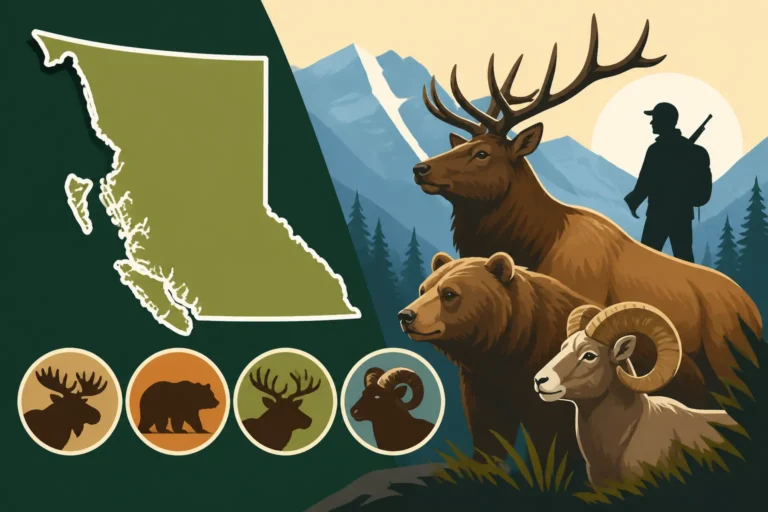
These LEH opportunities cover a wide array of species, often including prime tags for moose, elk, bighorn sheep, mountain goats, and certain mule deer or black-tailed deer hunts that have restrictive antler rules or are in specific zones that require careful management. For many, drawing one of these tags represents years of anticipation and careful planning. The stakes are high because these are often the best chances at older, larger animals or hunts in less pressured areas.
The Ramifications of Missing the Deadline
Let's be blunt: missing the LEH application deadline is a gut punch. The immediate consequence is straightforward – you simply won't be entered into the draw for that year. This means any hopes you had of chasing a specific moose in the Omineca or a Roosevelt elk on Vancouver Island under an LEH authorization are immediately dashed for the season. It’s an entire year of potential hunting opportunities gone, purely because a date slipped past you.
Beyond the immediate disappointment, missing the deadline can have longer-term implications, especially regarding the accumulation of points. British Columbia's LEH system does have a points system in place for certain species, where unsuccessful applicants gain a point, theoretically increasing their odds in subsequent years. While it's not a true preference point system like some other jurisdictions (where higher points mean a guaranteed better chance), accumulating points can be beneficial. Missing the application deadline means you don't even get that point, effectively setting you back a year in the long game of British Columbia's LEH. It's not just about losing this year's hunt; it's about resetting your progress for future years as well. The frustration of carefully planning your hunts, only to fall short due to a simple calendar oversight, is something many hunters have experienced, and it's a feeling we all want to avoid.
Pinpointing the Official LEH Application Deadline
Navigating the British Columbia LEH system requires not just good planning, but precise timing. The application window is consistent, but it's one of those "mark it on your calendar in permanent ink" dates that you absolutely cannot afford to miss.
The Annual Timeline and Key Dates
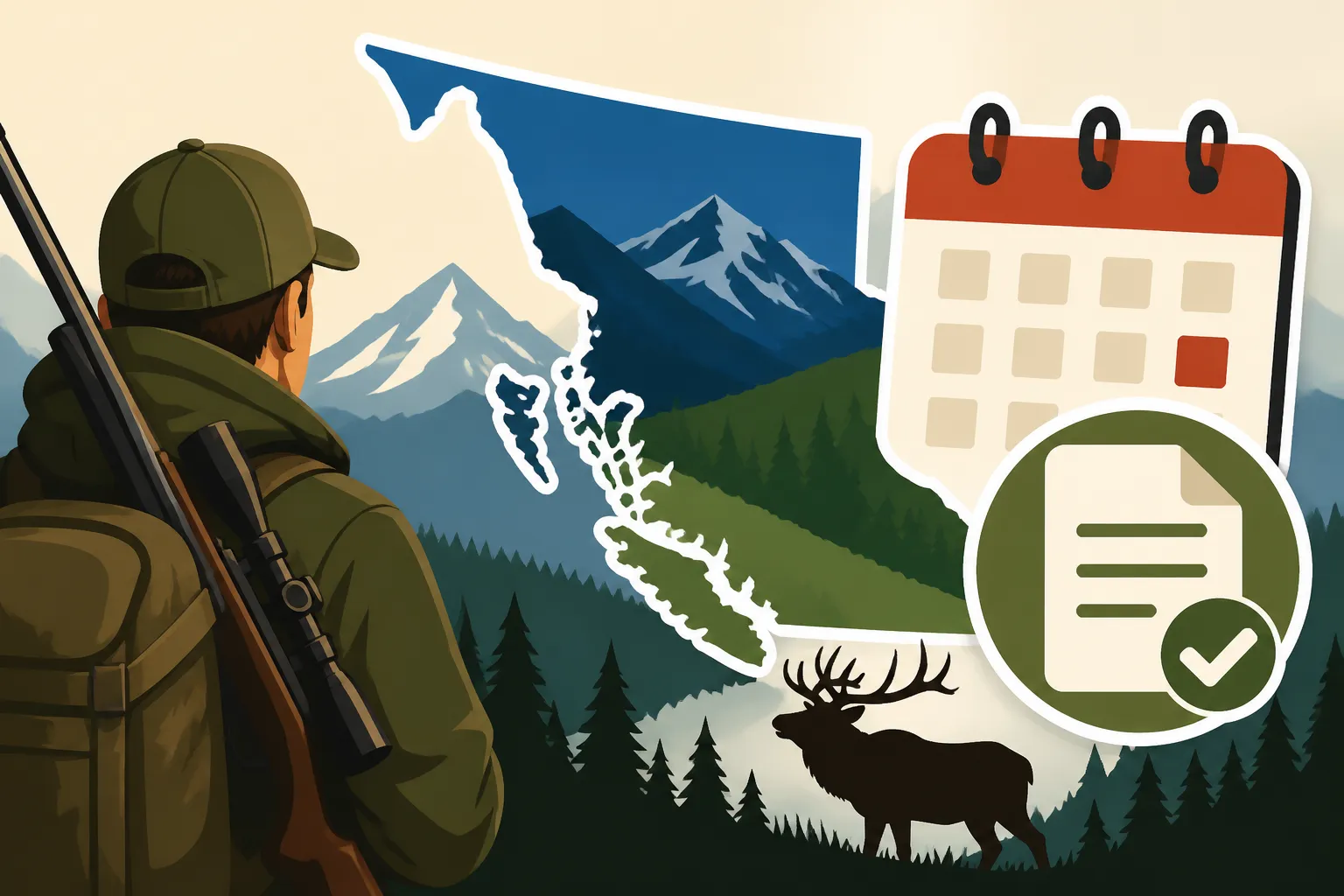
For resident hunters in British Columbia, the LEH application window typically opens in mid-April and closes in late May. While the exact date can shift by a day or two each year, it's consistently around the last Friday in May. For instance, in recent years, it has often fallen on dates like May 24th or May 26th. It's a critical period, and it's vital to remember that "late May" isn't just a suggestion; it's a hard cut-off. There are no extensions, no exceptions for internet outages, and no "I forgot" passes. If your application isn't submitted and paid for by the specified time on that final day, you're out of luck.
This consistent timeline allows hunters to plan well in advance, but it also means there's no excuse for being caught off guard. Always consult the official British Columbia's Two-Year Regulations Synopsis, available through the provincial government website, for the most up-to-date and accurate information. The synopsis will always clearly state the opening and closing dates for the LEH application period.
To help keep these crucial dates in mind, here's a general overview:
| Key LEH Date Event | Typical Timeframe | Importance |
|---|---|---|
| Application Window Opens | Mid-April | Start your research and planning early |
| Application Deadline | End of May | Critical: Must submit by this date annually |
| Results Release | Mid-June | Find out if you drew a tag |
| Tag Purchase Deadline | Usually mid-August | Don't forget to purchase your drawn tag if successful |
Navigating the Online Application Process
The entire LEH application process in British Columbia is handled online through the BC Hunting & Trapping system. This digital portal is your gateway to applying for various licenses and draws, so familiarity with it is essential.
Before you even think about selecting hunts, make sure your profile is up-to-date and you have your Getting a British Columbia FWID number handy. This unique identifier is tied to all your hunting credentials and history in the province. If it's been a while, or if any personal information has changed, log in early to confirm everything is correct. An outdated address or email could lead to missed notifications if you draw a tag.
Once logged in, you'll find the LEH application section. Here, you'll be presented with a list of available LEH hunts, broken down by species, Management Unit, and specific hunt period. This is where your research comes into play. You'll need to carefully select the hunt codes for the specific areas and seasons you wish to apply for. For example, if you're keen on Mule Deer Hunting in British Columbia, you'll look for mule deer LEH codes in your preferred region.
You can typically apply for multiple LEH hunts, ranking them in order of preference. The system processes your choices in this order, and if you're successful in drawing your first choice, your other choices are no longer considered. A popular feature allows hunters to apply as a party, meaning you can link your application with a friend or family member. This is a fantastic option if you prefer to hunt with a partner, and understanding how Applying as an LEH Party works is key if you plan to do so. Just remember that if applying as a party, all members must have their individual licences and FWID numbers in order, and one person typically initiates the party application, inviting others to join.
Finally, you'll proceed to the payment section. There is a small, non-refundable application fee for each LEH application, regardless of whether you draw a tag. Make sure your payment information is current and readily available. Once payment is processed, you should receive a confirmation email. Do not skip this confirmation step! Always verify that your application has been successfully submitted and that you have a record of it. This simple step can save you immense heartache later if any issues arise.
Strategies for a Successful LEH Application
The LEH application deadline isn't just a date to mark; it's the culmination of careful planning, research, and strategic decision-making. Simply submitting an application isn't enough; you want to submit a smart application that maximizes your chances.
Researching Your Options Beyond the Rush
Many hunters rush through the application process in the days leading up to the deadline, often making hasty decisions. A far better approach is to dedicate significant time before the application window even opens to thoroughly research your options. This means diving deep into the British Columbia hunting regulations, particularly the detailed LEH section within the British Columbia's Two-Year Regulations Synopsis. This document is your bible for understanding what hunts are available, the specific MUs, and any antler restrictions or other special conditions.
Beyond the official synopsis, many hunters leverage advanced tools and community resources. Platforms like GoHunt provide invaluable data, including historical draw odds, harvest statistics, and detailed unit profiles, which can help you make informed decisions. Using such resources can give you a significant edge when trying to understand Reading LEH Odds by Zone for various species. For example, some units might have incredible moose numbers but near-impossible draw odds, while others might offer a more realistic chance at a respectable animal. Knowing Which Species Are LEH Only will also help prioritize your applications, as these are often the most coveted tags.
Think about the species you want to hunt, the type of terrain you're comfortable with, and your hunting style. Are you prepared for a strenuous backcountry hunt in the alpine, or do you prefer hunting closer to the expansive Hunting British Columbia's Logging Road Network? This pre-application research should be thorough, allowing you to narrow down your choices to a select few high-priority options well before the deadline looms.
Maximizing Your Chances with Wise Choices
Once you've done your homework, it's time to apply that knowledge to your choices. It's tempting to apply for all the "dream hunts" with the lowest odds, but a balanced approach is often more fruitful. Consider applying for a mix of high-demand, low-odds hunts alongside some with more realistic draw chances. For instance, while an "Any Bull" moose tag in a prime area might be highly sought after, an antler-restricted "3-point or greater" tag in a different MU might offer significantly better odds and still provide an excellent hunting opportunity.
Think about specific management units and their nuances. A unit known for its challenging terrain might have lower hunter pressure and better odds, rewarding those willing to put in the effort. For example, if you're targeting blacktail, researching Hunting a British Columbia Island Clearcut Edge might lead you to a unit with better odds than a more easily accessible area. Understanding factors like access, terrain, and historical success rates can guide your choices.
Don't forget to consider your personal logistical capabilities. A successful LEH draw is only the beginning. If you draw a tag for a remote area, are you prepared for the access challenges, potentially requiring Flying Into a Remote British Columbia Camp or extensive horseback travel? Choosing a hunt that aligns with your resources, fitness level, and preferred hunting style is crucial for turning a drawn tag into a successful harvest. A great tag that you can't realistically hunt is just a piece of paper.
Double-Checking for Errors and Confirming Submission
This step might seem obvious, but it's where many hunters inadvertently sabotage their chances. Before you hit that final "submit" button, take a deep breath and review everything. Check your selected hunt codes against your research, verify the spelling of your name and your FWID, and confirm that all payment details are correct. A simple typo in a hunt code could send your application to a completely different area, or even disqualify it.
Once you've submitted and paid, always look for the confirmation. Most online systems will display a confirmation page with a transaction ID, and you should also receive an email receipt. Print these out or save them somewhere secure. This record is your proof that your application was submitted on time and correctly. If there's any doubt, or if you don't receive a confirmation email within a few hours, contact the FrontCounter BC support line immediately. It's far better to resolve a potential issue before the deadline passes than to discover a problem weeks later when the results are released. That immediate verification can spare you the heartbreak of a missing application.
After the Deadline: What to Expect
The frantic energy of the application window gives way to a period of anxious waiting once the deadline passes. While your part is done for now, understanding the next steps is crucial for planning your hunting season.
Waiting for the LEH Results Release
The waiting period can feel interminable, but typically, British Columbia's LEH results are released in mid-June. This is another date to mark on your calendar, right after the application deadline. You can usually check When LEH Results Are Released directly through your BC Hunting & Trapping online account, where a notification will appear if you've been successful. Many hunters also receive an email notification, so ensure your contact information is up to date in your profile.
The days leading up to the results release are often filled with speculation and anticipation in hunting communities. It's a real rollercoaster of emotions, from hopeful optimism to quiet resignation. Whether you draw a tag for a coveted species like a sheep or goat, or a more common but equally exciting elk or moose hunt, that moment of checking your results is a significant one in any hunter's year. Don't be surprised if your heart pounds a little faster on results day; it's a shared experience among BC hunters.
Planning Your Hunt Based on Outcomes
If you are one of the lucky ones and successfully draw an LEH tag, congratulations! The real planning begins. Immediately dive into specific details for your drawn hunt. This involves reviewing the exact hunt period, specific antler or animal restrictions, and the exact boundaries of your Management Unit. Now is the time to finalize your logistics, whether that's coordinating with hunting partners, booking time off work, or starting your physical conditioning for a challenging backcountry trip. This is also the perfect time to begin Scouting a British Columbia Management Unit in earnest, using maps, satellite imagery, and potentially even early season scouting trips if possible. Successfully drawing an LEH tag is a fantastic opportunity, and Making the Most of a British Columbia Draw Tag requires dedication.
However, the reality for most hunters is that not every LEH application will be successful, especially for highly sought-after species. If you don't draw a tag, don't despair! This doesn't mean your hunting season is over. British Columbia offers extensive opportunities during Hunting British Columbia's General Open Seasons for various species, including deer and black bears, that don't require an LEH tag. You can shift your focus to these opportunities, exploring new areas or honing your skills for upcoming seasons. Also, remember that British Columbia's LEH system does have a points component where How LEH Points Carry Over for unsuccessful applicants, potentially increasing your odds in future draws. It's all part of the game, and every year offers a fresh chance.
Disclaimer
The information provided in this guide is intended for general informational purposes only and does not constitute legal advice. Hunting regulations in British Columbia are complex and subject to change. It is the sole responsibility of every hunter to consult the official British Columbia Hunting and Trapping Regulations Synopsis for the current year, along with any relevant amendments, before engaging in any hunting activities. Always confirm specific dates, rules, and requirements with official provincial sources.