Roosevelt Elk on British Columbia’s Coast
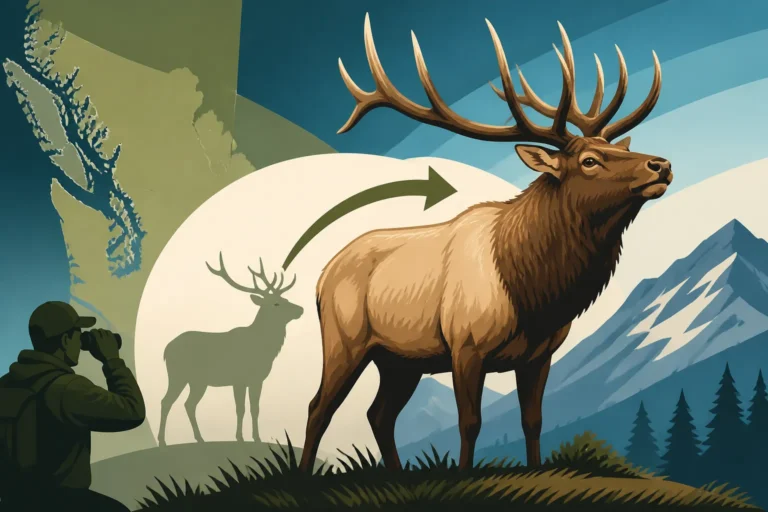
Hunting British Columbia's majestic Roosevelt elk on the coast can feel like stepping into an entirely different world, a damp, green labyrinth where patience is tested and every movement is a struggle. It’s not like those open country hunts you see on TV; this is a dense, unforgiving rainforest environment that demands a completely different approach. This guide is dedicated to helping you unravel the mysteries of these impressive animals, giving you the insights and strategies needed to navigate their unique habitat and increase your chances of a successful hunt.
Understanding Roosevelt Elk: Their History and Characteristics
Roosevelt elk, often called "Roosie" elk by those who pursue them, are truly magnificent animals, distinctly different from their Rocky Mountain cousins. Their sheer size, combined with the rugged coastal terrain they call home, makes them one of British Columbia’s most challenging and rewarding big game species to hunt. It's a testament to their resilience and adaptability that they thrive in such a unique, often harsh, environment.
Origin Story and Reintroduction
The history of Roosevelt elk in British Columbia is a fascinating tale of decline and impressive recovery. Originally, these large elk roamed much of the Pacific Northwest, including significant portions of coastal BC. However, unregulated hunting and habitat loss during the late 19th and early 20th centuries pushed their populations to critically low levels, even leading to local extirpations in some areas. It’s a sobering reminder of how quickly even robust populations can disappear without careful management.
Thankfully, extensive reintroduction efforts, spearheaded by wildlife agencies and conservation groups, began in the mid-20th century. Elk from established herds in areas like Washington and Oregon were brought into suitable habitats on Vancouver Island and the mainland coast. These efforts, coupled with strict hunting regulations and improved habitat management, allowed the Roosevelt elk to make a remarkable comeback. Today, they are a vibrant part of the coastal ecosystem, a true success story in wildlife conservation, showing what can be achieved when people work together for the future of wildlife. This successful restoration means we can now talk about Roosevelt Elk Draw Rules and hunting opportunities, which is something we certainly couldn't have imagined a century ago.
Physical Traits and Behavior
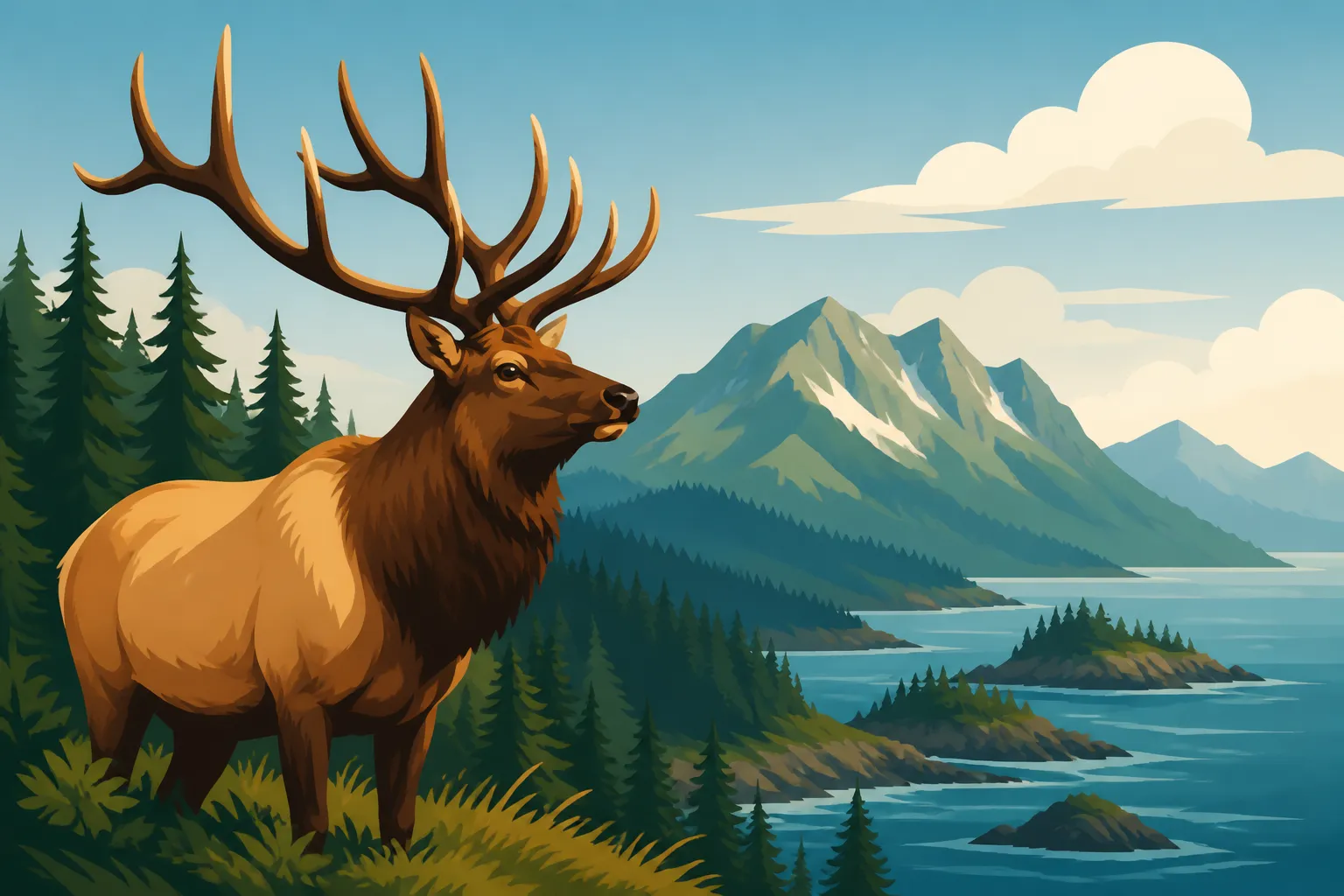
Roosevelt elk are the largest subspecies of elk in North America, named after President Theodore Roosevelt, who established the Olympic National Park in Washington partly to protect them. These animals are built like tanks, perfectly adapted for pushing through the dense, tangled undergrowth of the temperate rainforest. A mature bull can stand over five feet tall at the shoulder and weigh upwards of 1,000 pounds, with some even pushing 1,200 pounds. This is significantly larger than most Rocky Mountain elk, giving you a sense of just How Heavy a Roosevelt Elk Bull Gets. Their antlers are typically heavy and dark, often shorter and more palmated than the long, slender antlers of their Rocky Mountain counterparts, reflecting the need to navigate tight timber rather than open plains.
Their diet consists primarily of grasses, forbs, and browse, with a particular fondness for succulent vegetation found in riparian areas and clear-cuts. When you're in the deep timber, pay attention to fresh browse lines, especially on salmonberry, huckleberry, and salal, as these are key indicators of their presence. Their behavior is often more reclusive than other elk species; they are masters of stealth, using the thick cover to their advantage. Spotting a bull in the dense coastal rain can be incredibly challenging, as they can melt into the shadows with surprising ease. They are also highly vocal, especially during the rut, and understanding their bugles and mews is paramount for successful hunting.
Here's a quick comparison of Roosevelt Elk characteristics:
| Characteristic | Bull Roosevelt Elk (Mature) | Cow Roosevelt Elk (Mature) |
|---|---|---|
| Weight | 700 – 1,200 lbs | 500 – 700 lbs |
| Height | 58 – 65 inches at shoulder | 50 – 58 inches at shoulder |
| Antlers | Heavy, dark, often palmated | None |
| Lifespan | 10-15 years | 15-20 years |
| Habitat | Coastal rainforest, valleys | Coastal rainforest, valleys |
Prime Roosevelt Elk Habitat in British Columbia
Hunting Roosevelt elk on British Columbia's coast means immersing yourself in some of the most stunning, yet challenging, terrain imaginable. Forget expansive plains or open forests; here, it's all about dense rainforest, steep slopes, and an incredible amount of vegetation. Understanding these specific habitat preferences is the cornerstone of locating and successfully hunting these elusive giants.
Rainforest Ecosystems
The temperate rainforests of coastal British Columbia are the quintessential home for Roosevelt elk. These ecosystems are characterized by towering old-growth conifers—Douglas fir, western red cedar, and western hemlock—creating a dense canopy that limits light penetration to the forest floor. Below, the understory is a tangled mess of salal, huckleberry, salmonberry, and devil's club, often growing so thick that pushing through it can feel like swimming through solid rock. This is the environment that makes finding and pursuing these elk so incredibly difficult, yet so utterly rewarding.
Elk utilize this dense cover for security, especially during the day. They bed down in the thickest patches, often on north-facing slopes or in areas with natural depressions that offer protection from the elements. The challenge for hunters is obvious: visibility can be limited to mere yards, making traditional spot-and-stalk tactics nearly impossible. Instead, hunters must rely on tracking, still-hunting through the silence of the woods, and listening for the subtle sounds of movement that betray an elk's presence. Understanding How Coastal Rain Changes Animal Behaviour is key, as elk movements often shift with precipitation patterns. They might be more active in light rain, while heavy downpours could drive them to seek deeper cover.
River Valleys and Estuaries
While the deep timber provides security, the nutrient-rich river valleys and coastal estuaries are where Roosevelt elk often find their best forage. These areas offer a mix of open meadows, riparian zones, and younger growth where sunlight can reach the forest floor, promoting the growth of palatable grasses and forbs. The lush vegetation along rivers and streams provides a critical food source, especially during the spring and summer when new growth emerges, and into the fall as they bulk up for winter.
Estuaries, where rivers meet the ocean, are particularly important. The mix of fresh and saltwater vegetation, coupled with the open sightlines, makes these areas prime feeding grounds. Elk will often move between the secure cover of the dense rainforest and these more open feeding areas, especially during the low light hours of dawn and dusk. Identifying these transition zones—where dense timber gives way to more open river bottoms or estuary edges—is crucial for setting up ambushes or intercepting elk moving between cover and feed. Using mapping applications, even those within platforms like GoHunt, to identify these transitions and old growth pockets is a critical step in pre-hunt scouting. These are the places where you might catch a bull out feeding before he disappears back into the impenetrable green.
Challenges and Unique Aspects of Coastal Elk Hunting
Hunting Roosevelt elk in British Columbia is not for the faint of heart. It requires a significant mental and physical commitment, far beyond what many hunters are accustomed to. The sheer scale of the landscape, coupled with the relentless weather and thick vegetation, makes every elk earned feel like a monumental accomplishment.
Navigating Dense Terrain
The coastal rainforest is an obstacle course unlike any other. Imagine pushing through head-high salal, climbing over massive fallen logs covered in moss, and constantly battling devil’s club with its painful thorns. The terrain is often steep, riddled with hidden ravines and slick with constant moisture. Your progress will be slow, laborious, and frequently frustrating. GPS and compass are not just recommended, they are absolutely essential, as getting disoriented in the dense, monotonous forest is incredibly easy. A good quality mapping app on your phone, coupled with a satellite messenger, is non-negotiable.
This environment means that traditional spot-and-stalk often turns into still-hunting or methodical tracking. You'll move slowly, often stopping for minutes at a time, listening for the snap of a twig, the faint smell of elk, or the distant sound of a bugle. The challenge of moving silently through such thick brush is immense, but practice is key. Focus on placing each footfall deliberately, using natural sounds like falling rain or wind to mask your approach. Expect to cover far less ground than you would in other hunting environments, and plan your days accordingly. You’ll be packing out of this steep country, often in the rain, so every step counts. This is where Hunting British Columbia's Coastal Rain truly defines the hunt.
Weather Conditions
British Columbia's coast is synonymous with rain. Lots of it. And fog. And wind. Hunters must be prepared for everything from a light drizzle to torrential downpours that can last for days. This isn't just an inconvenience; it affects visibility, tracks, scent, and your overall comfort and safety. Waterproof gear is not optional; it's a fundamental requirement. You'll need high-quality rain gear, waterproof boots, and dry bags to protect your electronics and spare clothing.
The constant moisture makes everything slippery—rocks, logs, steep slopes. It also means that tracks can be washed away quickly, and visibility can drop to almost nothing in heavy fog or rain. On the flip side, the rain can also work to your advantage, dampening your sounds and masking your movement. Elk are often more active during light rain, but might hole up during heavy downpours. The temperature can also fluctuate wildly, from mild to near-freezing, even in the early fall. Being prepared for rapidly changing conditions is vital. A good layering system is paramount, allowing you to shed or add clothing as conditions dictate.
Rutting Behavior
The Roosevelt elk rut on the coast is an electrifying experience, usually peaking in late September and early October. Unlike Rocky Mountain elk, which can be found bugling intensely across open meadows, coastal Roosies often rut in the dense timber, making their bugles sound eerily close even when they are a considerable distance away. Bulls become incredibly vocal, bugling to challenge rivals and attract cows. This is the time when calling tactics become most effective.
Understanding the sequence of a bull's bugle, chuckles, and grunts can help you decipher his mood and location. Cow calls and calf bleats can be highly effective in drawing a bull in, especially if he's alone or searching for his harem. When you're trying to call in a coastal bull, remember that they are often coming through very thick cover, so giving them plenty of time and space to approach undetected is crucial. Setting up quietly, patiently waiting, and letting your calls echo through the dense forest can lead to thrilling encounters. Often, hunters will use a combination of active calling and waiting silently in prime locations, trying to provoke a response. Learning how to effectively execute Bugling Roosevelt Elk on the Coast can dramatically increase your odds of success.
Conservation and Management Efforts
The robust population of Roosevelt elk on British Columbia's coast is not an accident; it's the direct result of dedicated conservation and management efforts. These majestic animals face ongoing challenges, but thoughtful strategies by wildlife biologists, Indigenous communities, and conservation organizations are helping ensure their future.
Population Dynamics and Health
Currently, Roosevelt elk populations across coastal British Columbia are generally stable or increasing in many areas, particularly on Vancouver Island and portions of the mainland coast like the Sunshine Coast and the Great Bear Rainforest. This positive trend is a testament to the success of reintroduction programs and careful management. Wildlife managers monitor herd health through aerial surveys, field observations, and harvest data collected from hunters. They look for indicators like calf-to-cow ratios, bull-to-cow ratios, and overall population numbers to assess the vitality of the herds.
Despite these successes, challenges remain. Habitat fragmentation due to human development, logging practices, and increased recreational pressure can impact elk movements and access to critical forage. Additionally, predation by wolves and cougars, which are prevalent in coastal ecosystems, plays a natural role in population regulation. Disease surveillance is also ongoing, ensuring that herds remain free of chronic wasting disease (CWD) and other significant health threats. The goal is to maintain healthy, resilient populations that can withstand environmental pressures and provide sustainable hunting opportunities. This includes careful consideration of British Columbia elk season dates to ensure hunting pressure is balanced with conservation goals.
Role of Indigenous Communities
Indigenous communities across British Columbia hold deep traditional knowledge of elk and their habitats, often predating European settlement by thousands of years. Their traditional territories encompass much of the Roosevelt elk range, and their input is invaluable in modern wildlife management. Many Indigenous communities actively participate in collaborative management initiatives, bringing their historical understanding of elk movements, population cycles, and habitat needs to the table.
This collaboration often involves co-management agreements, joint research projects, and sharing traditional ecological knowledge. For example, some First Nations maintain their own stewardship programs, conducting surveys, monitoring habitat conditions, and setting their own hunting guidelines within their territories. Their holistic approach, which often emphasizes the interconnectedness of all living things, provides a crucial perspective that complements Western scientific methods. This partnership is vital for truly sustainable management of Roosevelt elk and ensures that the cultural significance of these animals is respected and preserved.
Planning Your Roosevelt Elk Hunt
Embarking on a Roosevelt elk hunt in British Columbia is a significant undertaking that demands thorough planning. This isn't a last-minute road trip hunt; it requires meticulous preparation, from scouting to gear selection, to ensure a safe and successful experience in some of the continent's most challenging terrain.
Scouting and Access
Effective scouting is paramount for Roosevelt elk. Given the dense cover, simply driving roads won't cut it. You need to identify potential elk hot spots, areas with fresh sign, good forage, and escape cover. Start by studying maps—topographic maps, forest service road maps, and satellite imagery. Look for areas with a mix of old growth timber, recent clear-cuts (especially 3-5 years post-logging where new growth provides food), riparian zones, and natural openings. Tools like GoHunt or provincial mapping portals can overlay different land designations and historical burn areas, giving you a clearer picture of potential habitat.
Physical scouting involves hitting the ground, walking old logging roads, game trails, and creek beds. Look for fresh tracks, droppings, rubs on small trees, and wallows. Pay attention to how elk are using the terrain—where they cross drainages, where they bed, and their travel corridors between feeding and bedding areas. Access can be tricky; many productive areas are behind locked gates on private timberland or require boat access. Research Hunting From a Boat on the Coast if you plan to explore remote inlets or islands. Always respect private property and access regulations. Sometimes, the best spots are found after hours of walking past a deactivated road gate, well beyond where most hunters are willing to go.
Gear Considerations
The coastal rainforest demands specialized gear designed to withstand constant moisture, abrasion, and heavy use. Your gear can literally make or break your hunt.
- Clothing: A bombproof rain shell (jacket and pants) is non-negotiable. Look for durable, waterproof-breathable fabrics like Gore-Tex Pro. Layering is key, starting with moisture-wicking synthetics or merino wool base layers, followed by insulating mid-layers (fleece or synthetic puffy), and then your waterproof outer shell. Avoid cotton entirely.
- Footwear: High-quality, waterproof hunting boots with excellent ankle support and aggressive traction are essential. Expect to be walking through mud, over slippery logs, and across rocky terrain. Gaiters are highly recommended to keep debris and water out of your boots.
- Backpack: A robust frame pack capable of carrying heavy loads is a must, as you'll likely be packing out large cuts of meat through challenging terrain. Ensure it’s comfortable and properly fitted.
- Optics: While long-range glassing isn't always possible in dense timber, good binoculars (8x or 10x) are still important for spotting elk in openings or determining antler points. A rangefinder is also useful for confirming distances in varied terrain.
- Navigation: A reliable GPS unit with pre-loaded maps, backup batteries, and a physical compass and map are essential. Cell service is unreliable, so a satellite communication device (like a Garmin inReach or Zoleo) is crucial for emergencies and communicating with the outside world.
- Weapon: A rifle chambered in a cartridge capable of humanely taking a large animal like a Roosevelt elk (e.g., .30-06, .300 Win Mag, 7mm Rem Mag) is recommended. Ensure your rifle is zeroed and you are proficient with it under various field conditions. Archery hunters will need heavy-hitting setups due to the sheer size of these animals.
- Other Essentials: Headlamp, fire starter, first-aid kit, game bags (plenty of them!), knife, sharpening stone, bear spray, and rope for hanging meat if you're in grizzly country (which is much of the coast). Always be aware of Bear Safety While Hunting in British Columbia.
Ethical Hunting and Meat Care
Ethical hunting goes beyond legal compliance; it's about respecting the animal, the land, and the hunting tradition. This means making a clean, ethical shot that results in a swift harvest. Given the dense cover, tracking a wounded animal can be incredibly difficult, so shot placement is critical. Pass on questionable shots. After a successful harvest, the real work begins.
Field dressing a Roosevelt elk is a demanding task, especially in the rugged coastal environment. You'll need sharp knives, a bone saw, and plenty of game bags. Due to the generally warmer temperatures on the coast compared to interior alpine hunts, rapid cooling of the meat is crucial to prevent spoilage. Quartering the animal and getting it hung in the shade or packed out quickly is vital. Consider bringing a tarp to keep meat clean and dry while processing. Field Dressing in British Columbia's Wet Weather is a skill you'll want to master before you head out. Respecting the meat and ensuring minimal waste is a fundamental part of the hunting ethic.
Disclaimer
Please remember that hunting regulations in British Columbia can change. Always consult the most current British Columbia Hunting and Trapping Regulations Synopsis before planning and undertaking any hunt. This guide is for informational purposes only and does not replace official government regulations.