How Heavy a Roosevelt Elk Bull Gets
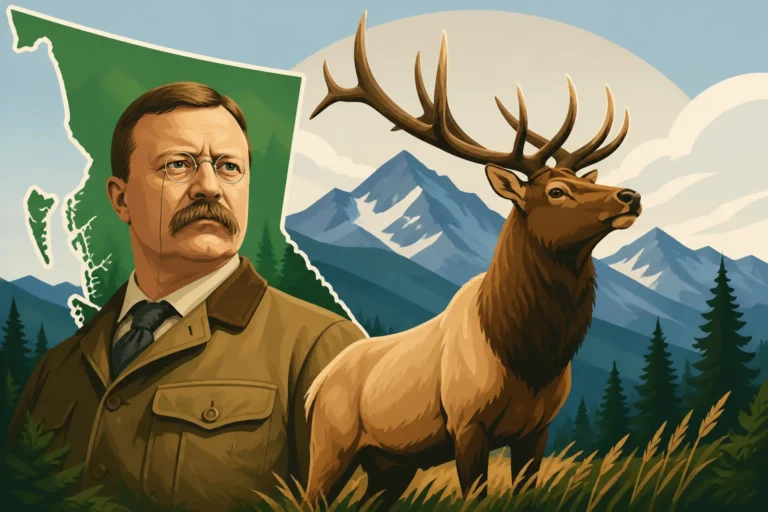
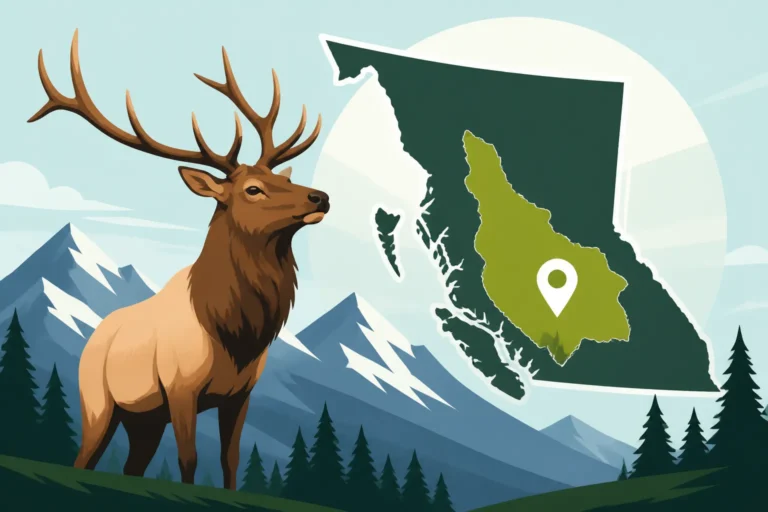
When you're out in the stunning, rugged landscape of British Columbia, especially along the coast, and you catch a glimpse of a mature Roosevelt elk bull, it’s often a truly awe-inspiring sight. These are not your average deer; they are colossal animals, and many hunters are left wondering just how much sheer bulk these magnificent creatures truly carry. This guide will walk you through what makes these coastal giants so massive, the factors influencing their impressive weight, and what that means for hunters.
The Impressive Bulk of a Roosevelt Elk Bull
Let's face it, seeing a full-grown Roosevelt elk bull is an experience that sticks with you. They move with an almost prehistoric grace, their antlers spreading wide like ancient crowns. But beyond the visual spectacle, the sheer physical weight of these animals is something that really sets them apart. Many hunters, myself included, have stood over a harvested bull and been absolutely stunned by the reality of processing such a massive creature.
Average Weights and Size Comparisons
So, just how heavy does a Roosevelt elk bull get? On average, a mature bull can weigh anywhere from 800 to 1,200 pounds (360 to 540 kg) on the hoof. Now, let that sink in for a moment. That's the weight of a small car, or several grown men! A truly exceptional, old bull in prime condition might even push the scales beyond that, especially before the rigors of the rut. Compare that to a mature mule deer buck, which might top out at 300-350 pounds, or even a large black bear, and you start to understand the scale we're talking about. These are truly North America's largest subspecies of elk, a testament to the rich, damp environments they call home.
It’s not just the weight, but the dense musculature and bone structure that contribute to this immense size. Their chests are deep, their legs thick, and their necks can swell to incredible proportions during the rut. The meat yield from such an animal is substantial, making them a highly prized game animal for sustenance hunters. It's a harvest that can fill a freezer for a very long time, but also one that requires serious planning and effort to get out of the bush.
Factors Influencing a Bull's True Weight
While those average figures give you a good benchmark, it's important to remember that a Roosevelt elk bull's weight isn't static. Several key factors play a significant role in how heavy any individual animal might be at a given time. These can include everything from their age to the specific patch of timber they inhabit.
One of the biggest influences is age. A young, growing bull, perhaps a spike or a raghorn, will obviously weigh less than a fully mature, 6-point bull that has reached its peak physical development. They typically hit their prime body weight between 6 to 10 years old. Past this, while antler size might still be impressive, their body mass can start to slowly decline. Genetics also play a part, just like in humans; some bloodlines simply produce larger animals than others. You might find certain valleys or drainages that consistently produce bigger-bodied animals because of a confluence of good genetics and ideal habitat conditions.
Furthermore, the specific location within their range matters. Elk in areas with abundant, high-quality forage and less pressure tend to grow larger. When you're looking at specific British Columbia locations, you'll find that the coastal regions, with their lush vegetation and milder winters, often produce the heaviest Roosevelt elk. Understanding these nuances can even help inform your scouting efforts. Tools like GoHunt can sometimes offer insights into specific regions, helping you understand terrain and potential forage availability, even if it doesn't give you a direct weight estimate for a particular bull.
Habitat, Diet, and Seasonal Influence on Elk Size
The environment a Roosevelt elk calls home is intrinsically linked to its potential size. These aren't creatures of the dry, open plains; they thrive in a very specific kind of landscape, and that landscape provides the fuel for their impressive growth.
The Coastal Environment's Role
Roosevelt elk are synonymous with the dense, often rain-soaked old-growth forests of the Pacific Northwest, particularly here on British Columbia's coast. This habitat offers everything they need to grow big and strong. The mild, temperate climate means longer growing seasons for forage, and winters are generally less severe than in the interior. This reduces the energy expenditure needed to survive harsh cold and deep snow, allowing them to put more energy into growth. You can learn more about these specific animals in Roosevelt Elk on British Columbia's Coast.
The diet available in these coastal forests is incredibly rich and diverse. They browse on a variety of shrubs, forbs, and young tree shoots, and graze on lush grasses, especially in clearings, estuaries, and along rivers. Crucially, access to plenty of water is never an issue in these damp environments. This consistent, high-quality nutrition throughout the year provides the building blocks for substantial bone and muscle mass. When you're trying to locate these coastal giants, platforms like GoHunt can be instrumental in identifying prime old-growth timber, dense cover, and water sources crucial to their diet and survival. They're often found in Hunting Roosevelt Elk in British Columbia Old Growth, seeking refuge and food. The constant moisture and rich soil truly foster a buffet for these animals, allowing them to pack on the pounds.
Seasonal Fluctuations in Body Mass
A Roosevelt elk bull's weight isn't a fixed number throughout the year; it fluctuates significantly with the seasons, often tied to their breeding cycle and the availability of food. Understanding these changes is crucial for any hunter.
In late spring and summer, after shedding their antlers and recovering from the rut, bulls enter a period of intense feeding. This is when they pack on the most weight, building up fat reserves to fuel antler growth and prepare for the upcoming breeding season. Their bodies are essentially factories, converting the abundant summer forage into mass and bone. By late August and early September, just before the rut kicks off, they are typically at their heaviest, in peak physical condition. This is often when you'll see those truly massive specimens, their bodies sleek and powerful.
However, the rut takes an enormous toll. During the breeding season, which typically peaks in September and October, bulls are incredibly active, constantly bugling, sparring, and herding cows. Their focus shifts entirely from eating to breeding. They expend massive amounts of energy and consume very little. As a result, a bull can lose hundreds of pounds—sometimes up to 20-30% of its body weight—during these few intense weeks. By the time winter sets in, they are often lean and exhausted. Their ability to recover from the rut and survive the winter depends heavily on the fat reserves they managed to build up during the summer. This seasonal cycle highlights why timing is everything when considering a hunt, not just for antler development but for meat quality and overall body condition. It also ties into When British Columbia's Elk Rut Peaks.
The Challenges of Harvesting and Packing Out a Giant
Let's talk logistics. Harvesting a Roosevelt elk is one thing; getting it out of the bush is an entirely different beast, especially in British Columbia's rugged coastal terrain. The sheer weight of these animals presents unique challenges that require forethought and planning.
Estimating Live Weight in the Field
When you’re staring at a magnificent bull through your binoculars, it’s natural to try and estimate its size. While you can't get an exact number without a scale, experienced hunters develop an eye for it. You look for deep chest cavity, thick neck, robust musculature, and overall body dimensions. A really heavy bull will appear blocky and powerful, especially in the shoulders and hindquarters.
Keep in mind the time of year. A bull seen in late August will look significantly heavier than the same bull spotted in late October, simply due to the rut's taxing effects. Antler size is also a clue, as larger, heavier antlers generally correspond to older, more mature, and thus potentially heavier, bulls. However, there's no perfect correlation. A bull with a slightly smaller rack might still be a brute of a body if it's been living in a prime feeding area. You'll often find yourself using online resources like GoHunt to scout terrain for likely feeding areas where elk can really put on weight before the season.
Practical Considerations for Meat Care and Retrieval
Once an elk is down, the real work begins. The immense size of a Roosevelt bull means a tremendous amount of meat, bone, and hide. Proper field dressing is paramount, not just for meat preservation but for making the animal manageable for packing. Expect to spend a significant amount of time quartering the animal, often where it lies, especially in steep or remote areas. This is where multiple trips will almost certainly be necessary, even with a strong team.
Cooling the meat quickly is a major concern, particularly during warmer early season hunts. With such a large mass, internal heat can cause spoilage if not addressed promptly. Spreading the quarters out to allow airflow, wiping them clean, and placing them in game bags are essential steps. Considering the typical British Columbia's Coastal Rain conditions, keeping meat dry and clean can be a battle.
The actual pack-out is where the weight really hits home. Even quartered, each piece can be well over 100 pounds. You might be looking at 6-8 heavy loads to get the animal out. If you're in Packing Out of British Columbia's Steep Country, this effort multiplies tenfold. Hunters often rely on sturdy frame packs, game carts (where terrain permits), or even horses if access allows. Having a solid team of hunting buddies is not just helpful, it's almost essential for a successful Roosevelt elk harvest. Planning for the retrieval before the shot is a mark of an experienced hunter. You can often estimate roughly how much meat you'll get from a bull by assuming 50-60% of its live weight as dressed carcass weight, and then roughly 60-70% of that as boneless meat.
| Category | Roosevelt Elk (Bull) | Rocky Mountain Elk (Bull) |
|---|---|---|
| Average Live Weight | 800 – 1,200 lbs (360 – 540 kg) | 600 – 900 lbs (270 – 410 kg) |
| Height at Shoulder | Up to 60 inches (152 cm) | Up to 58 inches (147 cm) |
| Habitat Preference | Dense, wet coastal rainforests | Drier, open forests, mountains |
| Antler Characteristics | Often wider, more massive beams | Typically longer, more slender tines |
| Geographic Range (BC) | Coastal regions, Vancouver Island | Interior, Kootenays, Northern BC |
Distinguishing Roosevelt Elk: More Than Just Mass
While their impressive size is undoubtedly a defining feature, there's more to differentiating a Roosevelt elk than simply its weight. They possess a suite of characteristics that set them apart, both physically and behaviorally, from their cousins, the Rocky Mountain elk.
Physical Characteristics Beyond Size
Beyond the raw numbers on a scale, Roosevelt elk bulls generally appear stockier and more robust in their build compared to other elk subspecies. Their bodies are barrel-chested and deep-bodied, reflecting their dense forest habitat. Their coat color tends to be a darker, richer brown, particularly on the neck and legs, often contrasting with a lighter rump patch. The antlers of a Roosevelt bull are typically characterized by their impressive mass and width rather than exceptional length. They often have thick, heavy beams and a more compact spread, perfectly suited for navigating the dense undergrowth and tight timber found in their preferred coastal environments.
Their overall presence in the forest is unmistakable. When you are out Hunting British Columbia's Coastal Rain, you’ll notice they move differently through the thick stuff than deer or even black bears. Everything about them speaks to power and adaptation to a world of towering trees and perpetual dampness. For hunters looking to acquire British Columbia Deer and Elk Tags, understanding these subtle differences can greatly aid in identifying species in the field, especially in areas where ranges might overlap or identification is critical for proper tag use.
Roosevelt vs. Rocky Mountain Elk: A Tale of Two Giants
British Columbia is fortunate to host both Roosevelt and Rocky Mountain elk, each adapted to vastly different environments within the province. While both are majestic creatures, they represent distinct challenges and rewards for hunters. The most immediate difference, as we've discussed, is size. Roosevelt elk are, on average, significantly heavier-bodied. Rocky Mountain elk, while still large animals, tend to be more streamlined, better suited for the more open, mountainous, and often drier landscapes of the interior and eastern parts of the province.
Their antlers also show differences. Rocky Mountain elk often grow longer, more elegant tines with impressive spread, built for more open country where they are less likely to get tangled. Roosevelt elk, by contrast, sport thicker, more rugged antlers that prioritize sheer mass, ideal for crashing through dense brush and intimidating rivals in close quarters. Understanding these distinctions is not just for bragging rights; it's essential for proper game management and for appreciating the incredible biodiversity we have in BC. Whether you're calling a bull in the coastal fog or spotting one on an interior hillside, knowing which subspecies you're pursuing adds another layer to the hunting experience. Keep an eye out for information on Bugling to a Roosevelt Elk Bull for insights into their specific vocalizations and behaviors. Also, be sure to always be aware of your surroundings; large game often attracts large predators, so understanding British Columbia's Grizzly Population Estimate and proper bear safety is paramount.
Disclaimer
This article is for general informational purposes only and does not constitute professional advice. Laws, prices and regulations vary by location and change over time. Consult a qualified professional for guidance on your specific situation.