Rocky Mountain Elk in British Columbia’s East
For many hunters, the thought of pursuing a majestic Rocky Mountain Elk in British Columbia’s rugged eastern landscape is a dream filled with images of towering peaks, dense timber, and the echoing bugle of a bull. However, actually navigating the vast, often challenging terrain, understanding elk behavior in these specific environments, and dealing with complex regulations can feel overwhelming, leading to frustration and wasted effort. This comprehensive guide is designed to cut through the confusion, offering a deep dive into everything you need to know about Rocky Mountain Elk in British Columbia's East, from their biology and habitat to effective hunting strategies and conservation insights, empowering you to approach your next hunt with confidence and knowledge.
The Majestic Presence of Rocky Mountain Elk in British Columbia's East
The Rocky Mountain Elk, or Cervus canadensis nelsoni, is a truly iconic species, captivating hunters and wildlife enthusiasts alike with its impressive size, powerful antlers, and resonant bugle. In British Columbia, these magnificent animals primarily inhabit the eastern regions, particularly the mountainous and valley ecosystems that define the province's spine along the Canadian Rockies. Unlike their coastal cousins, the Roosevelt Elk, Rocky Mountain Elk tend to thrive in more open, drier habitats characterized by mixed forests, open grasslands, and expansive subalpine meadows. Their presence is a testament to the rich biodiversity of these regions and a significant draw for hunters seeking an unforgettable backcountry experience.
Distribution and Historic Range
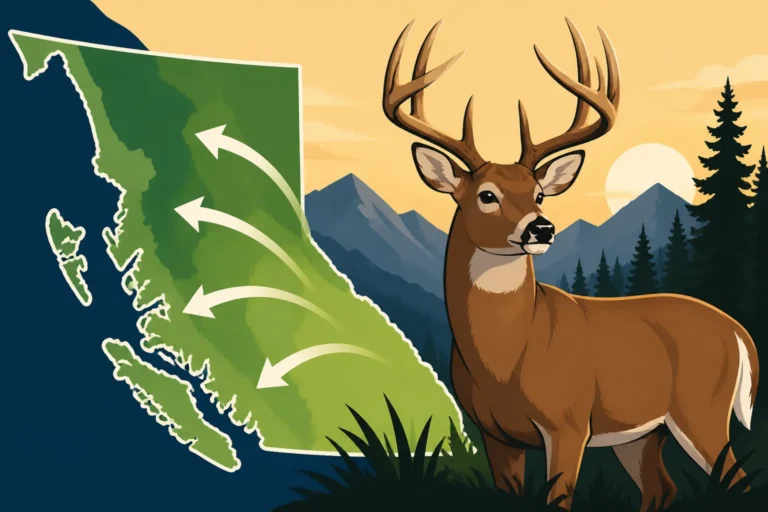
The historical distribution of Rocky Mountain Elk in British Columbia largely paralleled the Rocky Mountain Trench and its adjacent ranges. These animals once roamed freely across vast swathes of southeastern and east-central BC, following ancient migration routes and utilizing diverse seasonal ranges. However, like many large game species, their populations faced significant pressures during early European settlement due to unregulated hunting, habitat loss, and disease. Over the past century, dedicated conservation efforts, including reintroductions and habitat management, have helped restore and expand their numbers. Today, while their primary stronghold remains in the Kootenay and Peace regions, smaller, re-established herds can be found in other interior areas, offering a wider range of opportunities for those willing to explore. Understanding the historical context helps us appreciate the resilience of these animals and the ongoing work required to maintain healthy populations.
Habitat Preferences in Eastern BC
Rocky Mountain Elk are adaptable creatures, but they do have distinct habitat preferences that influence their movements and distribution throughout the year. In eastern British Columbia, you'll typically find them utilizing a mosaic of forest types, including mature stands of Douglas fir, lodgepole pine, and spruce, which provide crucial cover and thermal regulation. They also heavily rely on open, grassy clearings, old burns, and riparian areas for foraging. During the warmer months, especially in summer, elk often ascend to higher elevations, seeking out nutritious alpine and subalpine meadows where succulent forbs and grasses are abundant. As fall progresses and hunting pressure increases, they tend to move into thicker timber, using the cover for security. Come winter, they typically descend to lower elevations, often concentrating in sheltered valley bottoms and south-facing slopes where snow depths are manageable and browse species like willow, aspen, and fir are accessible. This seasonal migration between high and low elevations is a critical aspect of their ecology and a key factor for hunters to consider when planning their approach.
Key Eastern BC Elk Regions and Their Ecosystems
When we talk about Rocky Mountain Elk in British Columbia, our attention invariably turns to the province's eastern reaches. This vast area, encompassing diverse landscapes from the southern Kootenays to the northern Peace River region, offers some of the most consistent and exciting elk hunting opportunities. Each region presents its own unique challenges and rewards, shaped by distinct geography, vegetation, and access limitations. Understanding these nuances is crucial for any hunter aiming to successfully pursue these magnificent animals.
The Kootenay Region: A Prime Elk Destination
The Kootenay Region, particularly the southeastern portion, is undeniably the heartland for Rocky Mountain Elk in British Columbia. This area, nestled between the Purcell, Selkirk, and Rocky Mountains, boasts expansive forests, numerous river valleys, and a patchwork of open grasslands and timbered slopes. Units like those found within the Elk Valley or the Flathead Drainage are renowned for their robust elk populations and the potential for mature bulls. The ecosystem here is characterized by a mix of mature coniferous forests providing excellent cover, and open, south-facing slopes that offer critical winter range and productive feeding grounds in spring and fall. Access in the Kootenays can vary wildly; while many areas are crisscrossed by a network of logging roads, some of the most productive elk habitat lies deeper in the backcountry, requiring considerable foot travel, horseback access, or even river entry via jet boat. Hunters often focus on the transition zones between dense timber and open meadows, or along creek draws that funnel animals, particularly during the rut. The sheer scale of the landscape means thorough scouting, often aided by satellite imagery or platforms like GoHunt, is paramount to pinpointing active areas. The region is also known for its strong conservation ethic, with a number of local initiatives supporting habitat improvement and herd health. If you're looking to understand the local herd dynamics, researching the specific areas and their unique elk populations is key, and articles like Hunting Elk in British Columbia's Kootenay Valleys can provide further insight.
The Peace River Region: Northern Opportunities
Further north, the Peace River Region presents a different, yet equally compelling, landscape for Rocky Mountain Elk. This region, characterized by its rolling foothills, vast boreal forests, and agricultural interfaces, extends into the northern reaches of the province. While perhaps not as densely populated with elk as parts of the Kootenays, the Peace offers significant opportunities, particularly in its wilder, less accessible zones. Here, elk often utilize the interface between dense forest and agricultural fields, grazing on crop residues or venturing into meadows at forest edges. The Boreal Plains ecosystem dominates much of this area, providing excellent cover in aspen and spruce forests, alongside open sedge meadows and willow bottoms. Access can be challenging, with vast tracts of undeveloped Crown land that often require extensive bushwhacking, ATV use, or even aerial drop-offs to reach prime habitat. The northern climate means earlier and deeper snowfalls compared to the south, influencing elk movements dramatically by late fall. Hunters in the Peace often find success by focusing on transitional areas, logging cutblocks, or burn areas that provide new forage growth. These northern herds, while sometimes more scattered, can produce exceptional trophy quality for those willing to put in the effort to find them. Remember that understanding the specific management units and regions is always critical, and exploring resources like British Columbia's Management Units and Regions can greatly assist your planning.
Other Interior Areas with Elk Presence
Beyond the primary strongholds of the Kootenays and Peace regions, smaller, often re-established or naturally expanding populations of Rocky Mountain Elk can be found in other interior parts of British Columbia. Areas like the Cariboo-Chilcotin, parts of the Omineca, and even the Okanagan Highlands might hold isolated herds. These populations are typically less dense and often found in more fragmented habitats, often a result of historical reintroduction efforts or natural dispersal from larger herds. The success of these smaller herds hinges on specific local conditions, including the availability of suitable forage, cover, and minimal human disturbance. Hunting in these areas can be more challenging due to lower elk densities and the need to cover more ground. However, the reward can be a truly remote and solitary hunting experience, away from the pressure of more popular regions. Due diligence in research, often involving consultation with regional wildlife biologists or local hunters, is essential before venturing into these less-known elk locales. Always check the current British Columbia hunting regulations synopsis for specific management unit details and season dates, as regulations can vary significantly from one unit to another, even for the same species.
Elk Biology and Behavior in Eastern BC
Understanding the biology and behavior of Rocky Mountain Elk in their eastern British Columbia environment is like learning their secret language. It’s what allows a hunter to anticipate their moves, locate their preferred hangouts, and ultimately increase their chances of success. These magnificent animals are creatures of habit and instinct, driven by the rhythms of the seasons, their need for food and water, and the innate desire to propagate their species. Ignoring these fundamental aspects means you’re essentially hunting blind.
Rut Timing and Dynamics
The elk rut is, without a doubt, the most anticipated and exciting period for many elk hunters. In British Columbia's eastern regions, the rut typically kicks off in early to mid-September and can extend well into October, with the peak activity usually falling in the last two weeks of September. This is when the bulls, no longer concerned with stealth, become vocal, bugling loudly to challenge rivals and attract cows. The sound of a distant bugle is enough to send shivers down any hunter's spine, signalling that the dance of dominance and reproduction is fully underway. During this time, larger bulls gather harems of cows, fiercely defending them from younger, satellite bulls eager to steal an opportunity.
Observing the dynamics of the rut is fascinating. Bulls will spar, sometimes violently, to establish dominance, tearing up the ground with their antlers and rubbing trees to mark their territory. For hunters, this period offers unique opportunities. Calling strategies, imitating cow calls or challenging bugles, can be incredibly effective at drawing in curious or aggressive bulls. However, it's a delicate balance; too much calling, or the wrong type of call, can spook wary animals. Early season archery hunters often capitalize on the start of the rut, while rifle seasons that open in late September or early October can catch the tail end of peak bugling. Knowing When British Columbia's Elk Rut Peaks is invaluable intelligence for planning your hunt.
Seasonal Diet and Foraging Habits
Elk are primarily grazers and browsers, and their diet shifts throughout the year based on availability and nutritional needs. In the spring and early summer, as green growth emerges, they feast on succulent grasses, forbs, and new shoots in open meadows, clearcuts, and avalanche chutes. These nutrient-rich plants are crucial for recovering from winter and for growing robust antlers. As summer progresses, they might move higher into the subalpine, continuing to graze on a wide variety of plants.
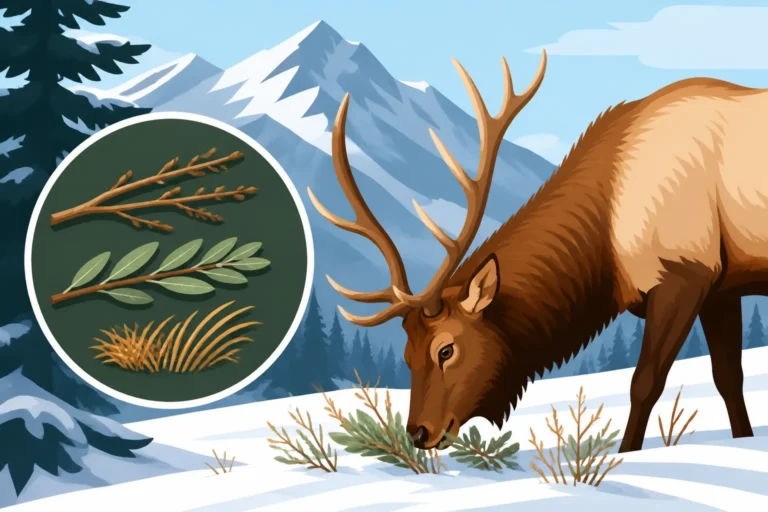
Come fall, their diet often includes more browse, such as twigs, leaves, and shrubs, as grasses begin to dry out. They'll also consume berries and fungi if available. During the rut, bulls may eat less, focusing heavily on breeding activities, leading to significant weight loss. For hunters, understanding these dietary shifts helps predict where elk will be found. If it's early season, focus on green, open areas; later in the fall, look for areas with browse and transition zones. In winter, survival dictates their diet, shifting to woody browse, lichen, and whatever vegetation they can access beneath the snow. They will conserve energy and move less, often concentrating in sheltered areas. Knowing What British Columbia Elk Eat Through Winter can help you pinpoint winter range, which, though often closed to hunting, can provide crucial scouting information for the following seasons.
Herd Dynamics and Movement Patterns
Rocky Mountain Elk are social animals, typically living in herds that can range from a handful of animals to dozens, especially outside of the rut. Cow-calf herds are the most common social unit, led by an experienced matriarch. Bulls often form separate bachelor herds for much of the year, rejoining the cows only during the breeding season. These herd dynamics influence their movement and vulnerability. Larger herds often move with a greater sense of security, relying on many eyes and ears for detection of predators.
Elk movement patterns in eastern BC are highly influenced by factors like food availability, water sources, hunting pressure, and weather. They are notorious for their daily routines, often feeding in open areas at dawn and dusk, then retreating to dense timber for bedding and security during the day. This pattern, however, can be disrupted by hunters. Increased pressure pushes them into thicker cover and makes them more nocturnal. They are also known to migrate seasonally between summer and winter ranges, often covering significant distances. These migrations are usually triggered by snow depth and forage availability. A deep understanding of prevailing winds, thermal currents in mountainous terrain, and the general topography of a management unit, often aided by advanced mapping tools from GoHunt, is essential for predicting where a herd might move next. This knowledge is especially critical when tracking animals or planning a stalk.
| Aspect of Elk Behavior | Pre-Rut (Late August/Early Sept) | Peak Rut (Mid-Sept/Early Oct) | Post-Rut (Mid-Oct/Nov) | Winter (Dec-March) |
|---|---|---|---|---|
| Bulls | Bachelor herds, feeding heavily | Highly vocal, aggressive, with harems | Exhausted, seeking solitude | Join cow herds, conserve energy |
| Cows/Calves | Large herds, feeding openly | With bulls, breeding, scattered | Re-form large herds | Concentrate on winter range |
| Vocalization | Minimal bugling | Intense bugling, cow calls | Less vocal, occasional bugles | Minimal, only distress |
| Movement | High elevation feeding, daily patterns | Actively seeking/defending harems | Descending to lower elevations | Limited, seeking food/shelter |
| Diet Focus | Forbs, grasses, preparing for rut | Less feeding, focus on breeding | Heavy feeding to recover | Woody browse, lichen, low energy |
| Hunting Strategy | Spot-and-stalk, ambush feeding areas | Calling, glassing, ambushing travel routes | Spot-and-stalk, tracking | Scout winter range (often closed) |
Hunting Strategies for Rocky Mountain Elk in Eastern BC
Hunting Rocky Mountain Elk in British Columbia's East is a pursuit that demands patience, physical fitness, and a deep understanding of the animal and its environment. It's not a walk in the park; these animals live in some of the most challenging, beautiful terrain the province has to offer. Success often comes down to meticulous planning, adaptable tactics, and a good dose of perseverance. Forget the quick fixes; this is about putting in the work and earning your bull.
Spot-and-Stalk Techniques
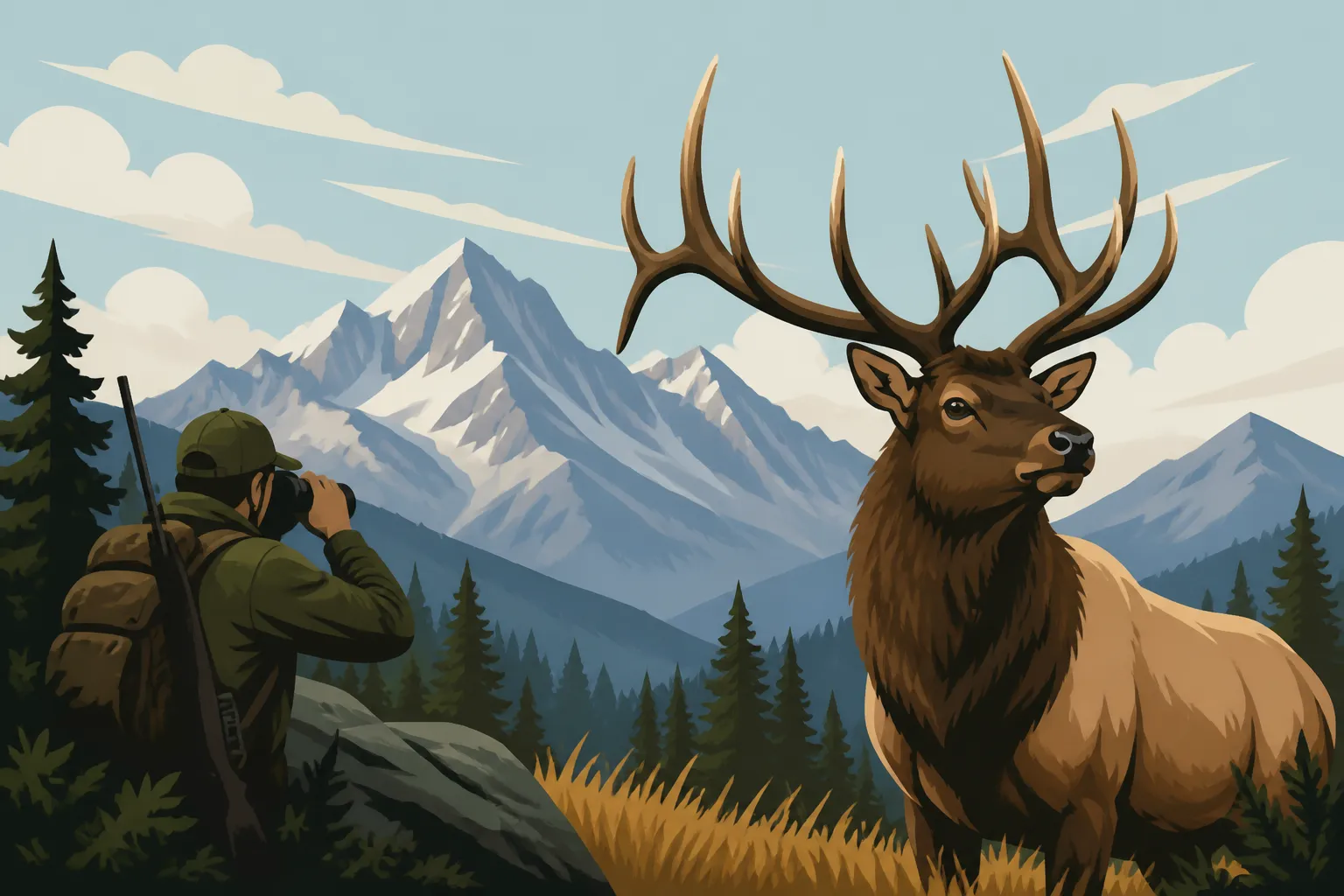
Spot-and-stalk hunting is arguably one of the most exciting and rewarding methods for pursuing elk, especially in the more open, glassable country found in certain parts of eastern BC. This technique relies heavily on keen observation and the ability to move silently and strategically once an animal is located. Hunters often position themselves on high vantage points at first light, using binoculars and spotting scopes to systematically scan expansive clearcuts, open slopes, avalanche paths, or subalpine basins for feeding or bedded elk. Places where you might find success include a Hunting an Avalanche Chute in September. The quality of your optics can make or break this approach; investing in good glass is paramount.
Once an elk, or ideally a herd with a desirable bull, is spotted, the real challenge begins. The stalk itself requires a careful assessment of terrain, wind direction, and potential hiding spots. You need to identify a route that keeps you out of sight and downwind, minimizing scent and sound. This can involve long detours, crawling through thick brush, or painstakingly slow movements over rocky ground. The goal is to close the distance to within shooting range without alerting the animals. This method is particularly effective during early seasons when elk are still relatively undisturbed and feeding in more open areas, or during the post-rut when bulls might be found alone, recovering in accessible terrain. It's a test of stealth, patience, and decision-making, often leading to incredibly intense, face-to-face encounters.
Effective Elk Calling Strategies
There's nothing quite like the sound of an elk bugle ripping through the crisp mountain air. Elk calling is a high-octane strategy that can be incredibly effective during the rut, especially in September and early October. The key to successful calling isn't just making noise; it's about understanding the context and what you're trying to communicate. Hunters use a variety of calls, from aggressive bull bugles and chuckles to soft cow calls and calf chirps. The choice of call, and how it's delivered, depends entirely on the situation.
If you hear a bull bugle in the distance, a challenging bugle back might draw him in, especially if he's a dominant bull defending his territory. However, a more cautious approach, starting with cow calls, can often lure a curious bull in without immediately putting him on edge. Sometimes, imitating a small, satellite bull can attract a dominant bull looking to assert his authority. It's also crucial to consider setup: always call from a position that offers good cover and a clear shooting lane downwind, as elk often try to circle downwind to get a scent of the "animal" they're approaching. Having a partner who can call while you position for a shot can be a game-changer. Calling requires practice and keen listening skills, and knowing Bugling to a Roosevelt Elk Bull can provide a baseline, though Rocky Mountain Elk behavior can differ slightly. Remember, even outside the peak rut, soft cow and calf calls can sometimes bring in curious animals or help locate a hidden herd.
Understanding Elk Movement and Ambush Points
Elk are creatures of routine, particularly when undisturbed. They typically follow predictable patterns between bedding areas and feeding grounds, especially at dawn and dusk. Identifying these travel corridors is a critical component of successful ambush hunting. This involves extensive scouting, both in person and using topographic maps or digital platforms like GoHunt, to identify natural funnels such as saddles between ridges, creek bottoms, narrow benches, or timbered edges between open parks. These are the highways elk use to move through their habitat.
Setting up an ambush involves positioning yourself quietly and downwind along one of these known travel routes before the elk begin their movement. This requires early mornings and late evenings, often spending hours motionless in the cold. It's not for the faint of heart, but the reward of intercepting a moving herd or a lone bull can be immense. Pay close attention to wind patterns, as a shifting breeze can instantly give away your position. Also, consider the impact of hunting pressure; highly pressured elk will often move in thicker cover and during darker hours. If you're Hunting British Columbia's Alpine in September, understanding how elevation and changing weather impact their daily movements is especially critical. The goal is to be invisible, silent, and patient, letting the elk come to you.
Challenges and Conservation Efforts for Eastern BC Elk
Hunting Rocky Mountain Elk in British Columbia is more than just the pursuit of a trophy or meat; it’s an engagement with a complex ecosystem. These majestic animals face numerous challenges in our modern landscape, from habitat degradation to human-wildlife conflict. As hunters and outdoor enthusiasts, we play a vital role not only in the sustainable harvest of these animals but also in their long-term conservation. Understanding these pressures and the efforts being made to mitigate them is crucial for responsible participation in the sport.
Habitat Loss and Fragmentation
One of the most significant long-term threats to Rocky Mountain Elk populations in eastern British Columbia, and indeed across their range, is habitat loss and fragmentation. While vast areas of Crown land still exist, human development continues to encroach upon critical elk habitat. Logging, mining, agricultural expansion, and the growth of rural communities all contribute to the reduction and isolation of suitable areas for elk. When forests are clear-cut without adequate regeneration plans, or when new roads cut through wilderness, it breaks up continuous tracts of habitat that elk rely on for seasonal movements, feeding, and breeding. This fragmentation can lead to smaller, more isolated herds that are more vulnerable to genetic issues, disease, and localized population declines.
Furthermore, human disturbance associated with these developments can push elk away from prime areas, forcing them into less ideal habitats where forage might be scarce or predation pressure higher. Conservation efforts often focus on securing and restoring critical winter ranges, maintaining connectivity between different habitat blocks, and promoting sustainable land-use practices that consider wildlife needs. Initiatives such as selective logging, riparian zone protection, and the establishment of wildlife corridors are vital to ensuring elk have the space and resources they need to thrive.
Climate Change Impacts on Elk Populations
Climate change introduces another layer of complexity and uncertainty to elk conservation in British Columbia. Shifting weather patterns, including more frequent and intense wildfires, changes in precipitation, and altered temperature regimes, directly impact elk habitat and behavior. Increased wildfire activity, particularly in the dry interior and eastern regions, can initially improve forage by creating new growth in burned areas. However, large, high-intensity fires can also destroy critical winter range, thermal cover, and disrupt long-established migration routes, taking decades to recover.
Changes in snowpack and duration can also affect elk survival. Milder winters might reduce energy expenditure, but extreme late-season snowfalls can be devastating, making forage inaccessible. Prolonged droughts can reduce forage quality and quantity, especially in open grassland areas, impacting cow condition and calf survival. These environmental shifts necessitate adaptive management strategies, including monitoring elk health and population trends more closely, adjusting hunting seasons or quotas as needed, and investing in habitat resilience projects. Hunters, through their license fees and participation in conservation initiatives, contribute directly to the funding for these critical programs.
Management and Conservation Successes
Despite the challenges, there are significant management and conservation success stories for Rocky Mountain Elk in British Columbia. Through a combination of science-based wildlife management, regulated hunting, and dedicated conservation efforts, elk populations in many eastern regions are stable or even increasing. The provincial government, in conjunction with organizations like the British Columbia Wildlife Federation and the Rocky Mountain Elk Foundation, plays a crucial role. Management actions include setting sustainable hunting quotas, implementing Limited Entry Hunting (LEH) draws to manage pressure on specific populations (further insights can be found in British Columbia's Limited Entry Hunting Draws), and enforcing strict regulations on antler size and bag limits.
Habitat enhancement projects, such as prescribed burns to stimulate new forage growth, planting preferred browse species, and securing land for wildlife use, are ongoing. Reintroduction programs in the past have been instrumental in establishing new herds in areas where elk were extirpated. Furthermore, the mandatory reporting of harvested animals, detailed in British Columbia's Compulsory Reporting Rules, provides crucial data that informs these management decisions. These combined efforts demonstrate that with careful stewardship, robust elk populations can continue to provide invaluable ecological benefits and sustainable hunting opportunities for future generations. It’s a collective effort, and every hunter who buys a license and follows the rules is a part of that success.
Planning Your Eastern BC Elk Hunt
Embarking on a Rocky Mountain Elk hunt in eastern British Columbia is a significant undertaking that requires meticulous planning. This isn't a spur-of-the-moment trip; it demands forethought, preparation, and a keen eye for detail. From navigating complex regulations to ensuring you're physically ready for the challenges, every aspect of your trip needs careful consideration to maximize your chances of success and, more importantly, to ensure a safe and ethical hunt.
Understanding Regulations and Seasons
The first and most critical step in planning your hunt is a deep dive into British Columbia's hunting regulations. The province's hunting system, while designed for sustainability, can be intricate, with specific rules varying by species, region, and management unit. For Rocky Mountain Elk, you'll need a resident hunting license and a specific elk species tag. Many of the prime elk areas in eastern BC are managed under the Limited Entry Hunting (LEH) system, meaning you must apply for a draw to obtain a tag. The application deadlines are typically in spring, and draw odds can be challenging for highly coveted units or antler restrictions. Understanding British Columbia Rifle Season Dates and specific antler point restrictions for different areas (e.g., 6-point or brow tine restrictions) is non-negotiable.
Always refer to the most current British Columbia Hunting and Trapping Synopsis, which is published biennially. It's your bible for season dates, bag limits, regional boundaries, and any special restrictions. Don't rely on outdated information or hearsay. Pay particular attention to weapon restrictions, shooting hours, and mandatory reporting requirements for harvested animals. Ignorance of the law is not an excuse, and violations can carry hefty penalties. A thorough review of these regulations will not only keep you legal but also inform where and when you can hunt, guiding your entire planning process.
Essential Gear and Physical Preparation
Hunting Rocky Mountain Elk in eastern British Columbia's mountains is physically demanding. You'll often be navigating steep, rugged terrain, covering significant distances, and potentially packing out hundreds of pounds of meat from remote locations. Therefore, physical preparation is paramount. Start a consistent fitness regimen months in advance, focusing on cardiovascular endurance, strength training (especially legs and core), and hiking with a weighted pack. There's nothing worse than being physically broken down halfway through a hunt, missing opportunities, or jeopardizing your safety.
Beyond physical fitness, your gear selection is crucial. A reliable rifle chambered in a suitable elk cartridge (e.g., .300 Win Mag, 7mm Rem Mag, .30-06) is essential, along with quality optics (binoculars, spotting scope, rangefinder) that can withstand the elements. Layered clothing, including good quality rain gear, is critical given BC's unpredictable mountain weather; you can experience all four seasons in a single day. Navigation tools like a GPS, a detailed map (physical and digital, perhaps on a device running GoHunt), and a compass are non-negotiable. Don't forget bear spray and know how to use it, as grizzlies are present in many eastern BC elk habitats. A durable frame pack for meat hauling, a robust first-aid kit, emergency shelter, and water filtration are also must-haves. When it comes to gear, prioritize reliability, comfort, and functionality over anything else. For tips on how to get your prize out, check out Packing Out of British Columbia's Steep Country.
Scouting and Accessing Hunting Areas
Effective scouting is the bedrock of a successful elk hunt. It begins long before you even set foot in the field. Start by identifying potential management units through online resources, topographic maps, and satellite imagery. Look for areas with a mosaic of dense timber for cover, open feeding areas, water sources, and natural travel corridors. Pay attention to elevation changes and how they might dictate elk movement, particularly with changes in weather or hunting pressure. Using mapping software like GoHunt can overlay private land, logging roads, and contour lines, providing invaluable insights into access points and potential hunting pressure.
Once you've narrowed down your areas, hands-on scouting, if possible, is ideal. Visit the unit during the off-season to look for elk sign—tracks, droppings, rubs, and wallows. Get a feel for the terrain, assess road conditions, and identify potential camping spots or glassing knobs. Understand the type of access available; some areas might be easily accessible by truck via the vast British Columbia's Forest Service Road Network, while others might require extensive hiking, ATV, or even horseback travel into remote areas. For some truly wild country, you might even consider Horseback Hunting British Columbia's Backcountry. Always be mindful of active logging operations, road closures, and private land boundaries. A well-scouted area gives you a significant advantage, helping you avoid wasted time and focus your efforts on high-probability zones.
The Significance of Rocky Mountain Elk to British Columbia's Heritage
The Rocky Mountain Elk holds a truly special place in the fabric of British Columbia's natural and cultural heritage. They are more than just another game animal; they represent the wild spirit of the province's eastern mountains, embodying resilience, strength, and the raw beauty of untamed wilderness. For generations, these magnificent creatures have shaped the landscape, influenced indigenous cultures, and provided sustenance and challenge for countless hunters. Their presence is a barometer of ecological health, signaling vibrant ecosystems capable of sustaining large herbivores and their predators.
Cultural and Ecological Importance
For Indigenous peoples across British Columbia, elk have always been a vital resource, deeply intertwined with their cultural practices, spiritual beliefs, and traditional way of life. They provided not only food and hides but also bones and antlers for tools and ceremonial items. The seasonal movements of elk often dictated traditional hunting patterns and cultural gatherings, fostering a profound connection to the land and its resources. This rich history highlights the deep-rooted significance of elk beyond just their ecological role.
Ecologically, Rocky Mountain Elk are keystone species within their eastern BC habitats. As large herbivores, they play a critical role in shaping vegetation communities through grazing and browsing, influencing plant succession and nutrient cycling. Their presence impacts other wildlife, from predators like wolves, cougars, and bears who rely on them as a food source, to scavengers that benefit from their carcasses. Their movements also help disperse seeds, contributing to forest regeneration and biodiversity. A healthy elk population is indicative of a robust and balanced ecosystem, contributing to the overall health and vitality of the British Columbia wilderness.
The Hunter's Role in Conservation
Hunters have historically been, and continue to be, some of the most dedicated conservationists of Rocky Mountain Elk in British Columbia. It's often a point of frustration when the general public doesn't fully grasp the depth of this commitment. The funding generated through hunting licenses, species tags, and the federal Wildlife Habitat Conservation Stamp directly supports wildlife management, research, habitat acquisition, and enforcement initiatives across the province. Without these vital funds, many of the conservation programs that benefit elk and countless other species simply wouldn't exist.
Beyond financial contributions, hunters are often the first to notice changes in wildlife populations or habitat, acting as crucial eyes and ears on the ground. They participate in volunteer projects, advocate for science-based wildlife management, and contribute invaluable data through mandatory harvest reporting. The act of hunting itself, when done ethically and sustainably, is a management tool that helps balance elk populations with available habitat, preventing overgrazing and reducing the spread of disease. It fosters a deep appreciation for wildlife and wild places, instilling a sense of stewardship that extends far beyond the hunt itself. This deep connection ensures that the legacy of Rocky Mountain Elk hunting in British Columbia will continue for generations to come.
Disclaimer
Please note that hunting regulations, season dates, and access rules in British Columbia can change. Always consult the most current British Columbia Hunting and Trapping Synopsis published by the provincial government, as well as any specific regional or management unit updates, before planning or engaging in any hunting activities. This guide is for informational purposes only and does not supersede official government regulations. Safety and adherence to all laws are the hunter's sole responsibility.