Why Roosevelt Elk Are Bigger Bodied
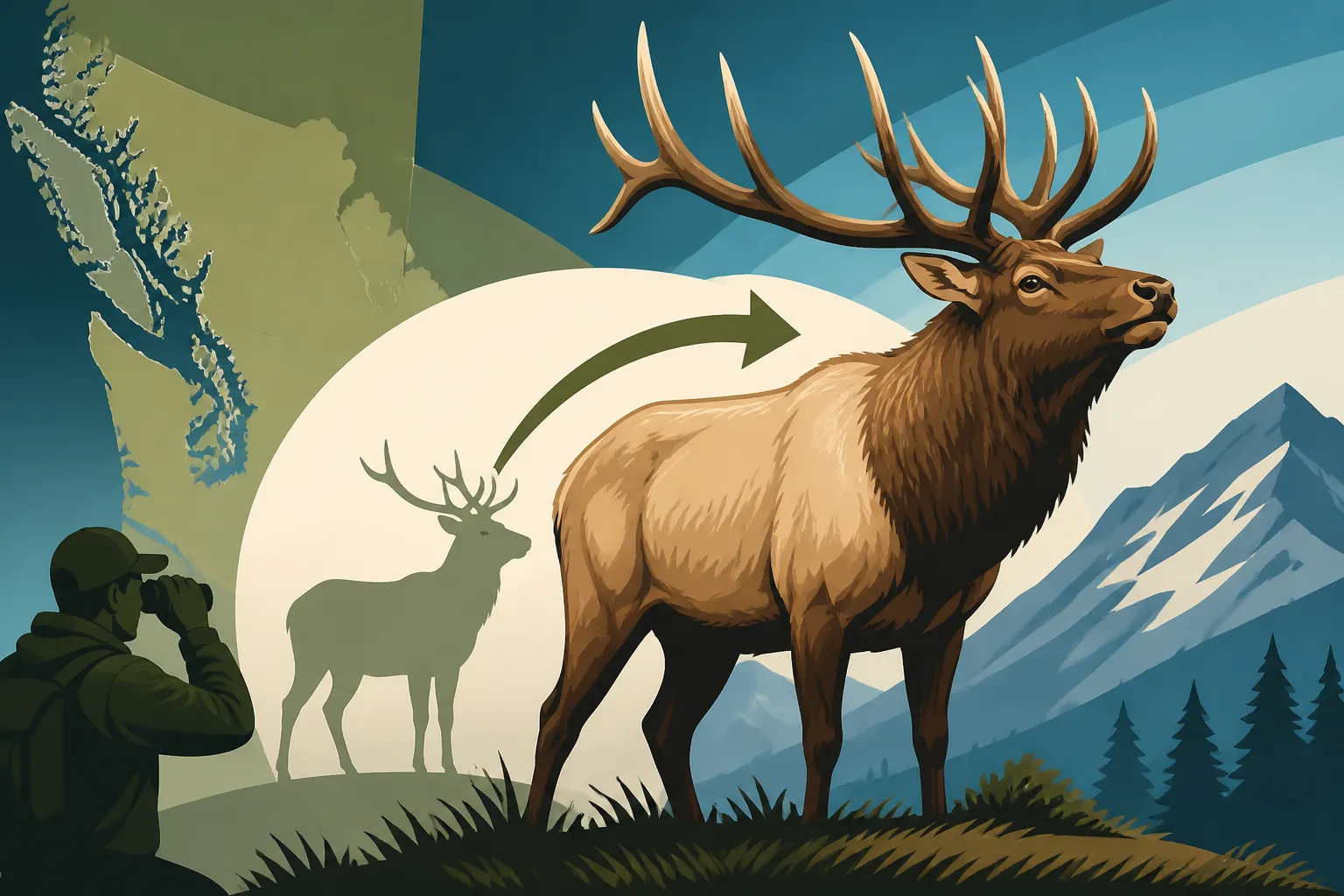
Anyone who's spent time hunting or even just observing elk in British Columbia might notice something truly striking: the sheer size of the Roosevelt elk. You see pictures or hear stories of these colossal animals, and it’s natural to wonder what makes them so much bigger than their Rocky Mountain cousins. It’s not just a trick of the eye; there are very real, fascinating reasons behind their impressive stature, and this guide is going to break down exactly what fuels their massive frames.
The Lush Coastal Rainforest Environment
The primary reason Roosevelt elk attain such impressive size lies in their unique habitat: the dense, nutrient-rich coastal rainforests of British Columbia. This isn't your typical dry, open country where other elk subspecies roam. Here, we're talking about a landscape that gets a tremendous amount of rainfall, supporting an incredibly lush and productive ecosystem. This constant moisture means a longer growing season for forage, providing a consistent and abundant food supply that fuels substantial growth.
Abundant Food Sources Year-Round
Unlike interior regions where elk might struggle through harsh, snowy winters with limited browse, Roosevelt elk on the coast often benefit from a more forgiving climate. While it certainly rains a lot, the milder temperatures mean that green forage can often be found for a longer period, sometimes even through much of the winter in sheltered areas. This uninterrupted access to food minimizes periods of nutritional stress, which is absolutely crucial for an animal to reach its full genetic potential in terms of body mass and antler growth. Imagine trying to grow if you had to periodically go without adequate nourishment; it just doesn't work that way for these magnificent beasts. When considering Hunting British Columbia's Coastal Rain, you quickly realize how different this environment is.
The coastal forests provide a diverse buffet of sustenance. They feast on a variety of broad-leafed plants, shrubs, grasses, and even tree bark and lichens. In particular, the younger growth found in areas recovering from logging, often referred to as "second-growth" timber blocks, becomes a prime feeding ground, offering easily accessible, nutrient-dense forage. When you're Hunting a Second-Growth Timber Block, you'll often see the evidence of heavy browsing. This consistent, high-quality diet translates directly into robust body development.
Shelter and Reduced Energy Expenditure
The dense old-growth forests and steep, rugged terrain offer not just food but also critical shelter from the elements and predators. While the rain is constant, the massive tree canopy provides a significant buffer from the harshest downpours and strong winds. This means Roosevelt elk don't have to expend as much energy simply trying to stay warm and dry as their counterparts in more exposed environments.
Think about it: every calorie an animal doesn't have to burn staying alive is a calorie it can put towards growth and reproduction. This reduced energy expenditure in their sheltered coastal havens directly contributes to their ability to pack on more mass. Additionally, the sheer ruggedness of the terrain can sometimes offer a degree of protection from human hunters, leading to older, larger animals in some less accessible pockets. When you're trying to figure out where to find these majestic animals, using resources like GoHunt can help you scout specific areas known for dense cover and good forage, identifying potential Roosevelt elk hotspots.
Nutritional Superiority of Coastal Forage
It's not just the quantity of food that matters, but also its quality. The particular types of vegetation found in the British Columbia coastal ecosystem are incredibly nutritious, offering a superior diet that directly supports the larger body size of Roosevelt elk. The mineral-rich soils, fed by centuries of organic decomposition and consistent rainfall, yield plants that are packed with essential vitamins and minerals crucial for growth.
Richness in Protein and Minerals
The lush, green understory of the coastal rainforest is incredibly rich in protein, which is the building block for muscle and bone. Young, succulent growth, especially in disturbed areas like clearcuts or avalanche chutes, provides an easily digestible source of this vital nutrient. Elk are ruminants, meaning they have a four-chambered stomach designed to extract maximum nutrition from fibrous plant matter. Give them a steady supply of high-quality forage, and their digestive systems work overtime to convert it into impressive body mass.
Beyond protein, the coastal environment is often rich in minerals like calcium and phosphorus, which are absolutely critical for bone development and antler growth. While antlers are often thought of as a separate aspect, they are directly tied to the overall health and nutritional status of the bull. A bull that can grow a massive body is also likely to have the resources to grow impressive antlers. This is a stark contrast to more arid environments where mineral deficiencies can sometimes stunt growth.
A Longer Growing Season for Forage
The mild, wet climate of the coast means that plants have a significantly longer growing season compared to the interior. While parts of the interior experience deep snow and frozen ground for months, the coastal regions often maintain some green forage even in winter. This extended availability of fresh, growing plants allows Roosevelt elk to continuously gain weight and grow, rather than experiencing prolonged periods of weight loss and recovery that can plague animals in harsher climates.
This continuous access to nutrients allows younger elk to grow faster and reach maturity at a larger size, and mature elk to maintain their peak condition. It creates a cumulative effect over several years, where each season of abundant food contributes to their overall larger frame. Understanding How Heavy a Roosevelt Elk Bull Gets is really about understanding the sustained nutritional input these animals receive throughout their lives.
Genetic Predisposition and Evolutionary Adaptation
Beyond their environment and diet, the very DNA of Roosevelt elk plays a significant role in their massive stature. They aren't just bigger by chance; they have evolved over millennia to thrive in their specific niche, and that has included developing a larger body size as an advantageous trait. This genetic blueprint is a fundamental reason why they differ from their Rocky Mountain counterparts.
Adaptive Advantages of Larger Size
In the dense, often difficult terrain of the coastal rainforest, a larger body offers several adaptive advantages. A bigger animal has more power and stamina to navigate steep, brushy slopes and push through thick vegetation. They also have a larger surface area, which helps them regulate body temperature more effectively in a perpetually damp environment, and a larger digestive system, allowing them to process more fibrous material.
Furthermore, a larger body size generally correlates with increased reproductive success. Bigger bulls are often more dominant and successful in breeding during the rut, passing on their genes for large size to the next generation. Cows that are larger and healthier are typically better able to carry and nourish calves, increasing calf survival rates. This selective pressure over many generations has solidified the genetic trait for large body size within the Roosevelt elk population. When British Columbia's Elk Rut Peaks, these larger bulls are definitely at an advantage.
Comparison to Rocky Mountain Elk
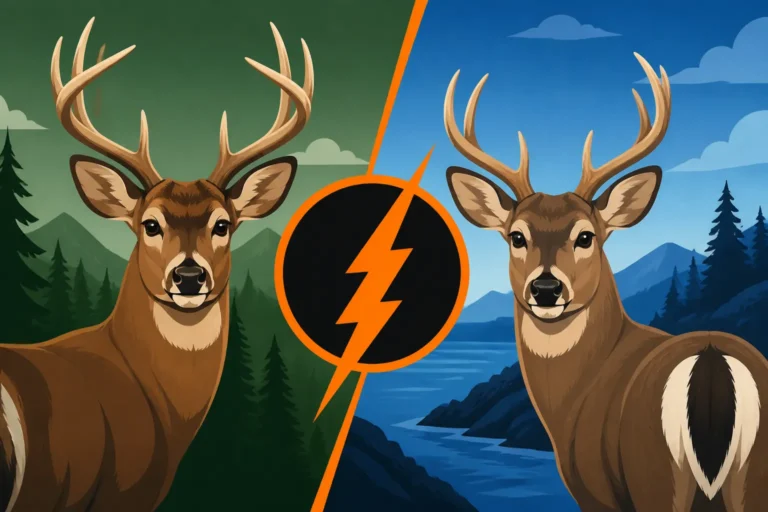
Let's put this into perspective by looking at the other prominent elk subspecies in British Columbia, the Rocky Mountain elk. While still impressive animals, they generally do not reach the sheer mass of their coastal cousins. This is largely due to their differing environments. Rocky Mountain elk, as their name suggests, inhabit the mountainous and interior regions of the province, like the Kootenays, where conditions are often much harsher.
| Feature | Roosevelt Elk | Rocky Mountain Elk |
|---|---|---|
| Typical Habitat | Dense coastal rainforest, wet, mild winters | Mountainous interior, drier, harsh snowy winters |
| Primary Diet | Lush browse, broad-leaf plants, diverse forages | Grasses, forbs, some woody browse, seasonal focus |
| Body Size (Adult) | Significantly larger, heavier, stockier build | Generally smaller, leaner build |
| Antler Mass | Can be massive, often less spread than Rocky Mt. | Broad, sweeping antlers, impressive mass |
| Climate Influence | Consistent food availability, less energy stress | Seasonal food scarcity, higher energy expenditure |
As you can see, the differences are pronounced. When you're thinking about Hunting Rocky Mountain Elk in British Columbia, you're often looking at different tactics and certainly a different physical challenge from the animals themselves. The Rocky Mountain elk face more pronounced seasonal fluctuations in forage and harsher winters, requiring them to burn more calories just to survive, leaving less for growth. This comparison really highlights how environmental pressures shape an animal's physical characteristics. Information found on platforms like GoHunt often provides detailed biological profiles and habitat maps for both species, which can be invaluable for understanding these distinctions before you even step foot in the woods.
Age and Maturity Factors
The age structure of the Roosevelt elk population also plays a role in the prevalence of large-bodied animals. Simply put, older animals are larger animals, and conditions that allow elk to live longer contribute to their overall impressive size. While hunting pressure exists, certain factors can allow more Roosevelt elk to reach older age classes.
Low Population Densities in Remote Areas
Roosevelt elk often inhabit very remote, rugged, and difficult-to-access areas of the coast. These are not always easy places for hunters to reach, requiring significant effort, experience, and often specialized equipment like boats or extensive backpacking gear. This inherent difficulty can mean that some populations experience less hunting pressure than those in more accessible regions.
With lower hunting pressure in specific remote pockets, a greater number of bulls and cows can live to older ages. Elk continue to grow for several years, and a bull might not reach his peak body mass and antler potential until he's 6 or 7 years old, or even older. If the population structure allows more animals to reach these mature age classes, then naturally, you'll see more large-bodied individuals. This is especially true in areas where Hunting a British Columbia River Estuary might be the primary access point, limiting widespread penetration into the interior.
Longevity and Sustained Growth
The combination of abundant nutrition and reduced stress factors in their coastal habitat likely contributes to the longevity of Roosevelt elk. A healthier animal is generally a longer-lived animal. Over many years of consistent, high-quality forage, their bodies simply have more time to accumulate mass and develop to their maximum potential.
It’s a testament to the richness of the British Columbia coastal ecosystem that it can support such magnificent creatures. Every year an elk survives, especially in a habitat that provides so much, adds to its stature. While a young bull might be impressive, a truly old bull can be a behemoth, embodying the cumulative effects of years spent thriving in an optimal environment. Understanding these factors really paints a clearer picture of Roosevelt and Rocky Mountain Elk in British Columbia and why each has adapted so uniquely to its home.
Disclaimer
This article is for general informational purposes only and does not constitute professional advice. Laws, prices and regulations vary by location and change over time. Consult a qualified professional for guidance on your specific situation.