Hunting an Avalanche Chute in September
September in British Columbia’s vast backcountry can be a tricky time to pinpoint big game. The animals are often dispersed, still enjoying the last flush of summer feed before the full pressures of fall hunting and winter begin. It’s easy to get frustrated searching dense timber or expansive ridges with little to show for it. This guide is all about honing in on a highly productive, yet often overlooked, habitat feature: the avalanche chute, and how to effectively hunt it in early fall.
Understanding Avalanche Chutes as Prime Hunting Habitat
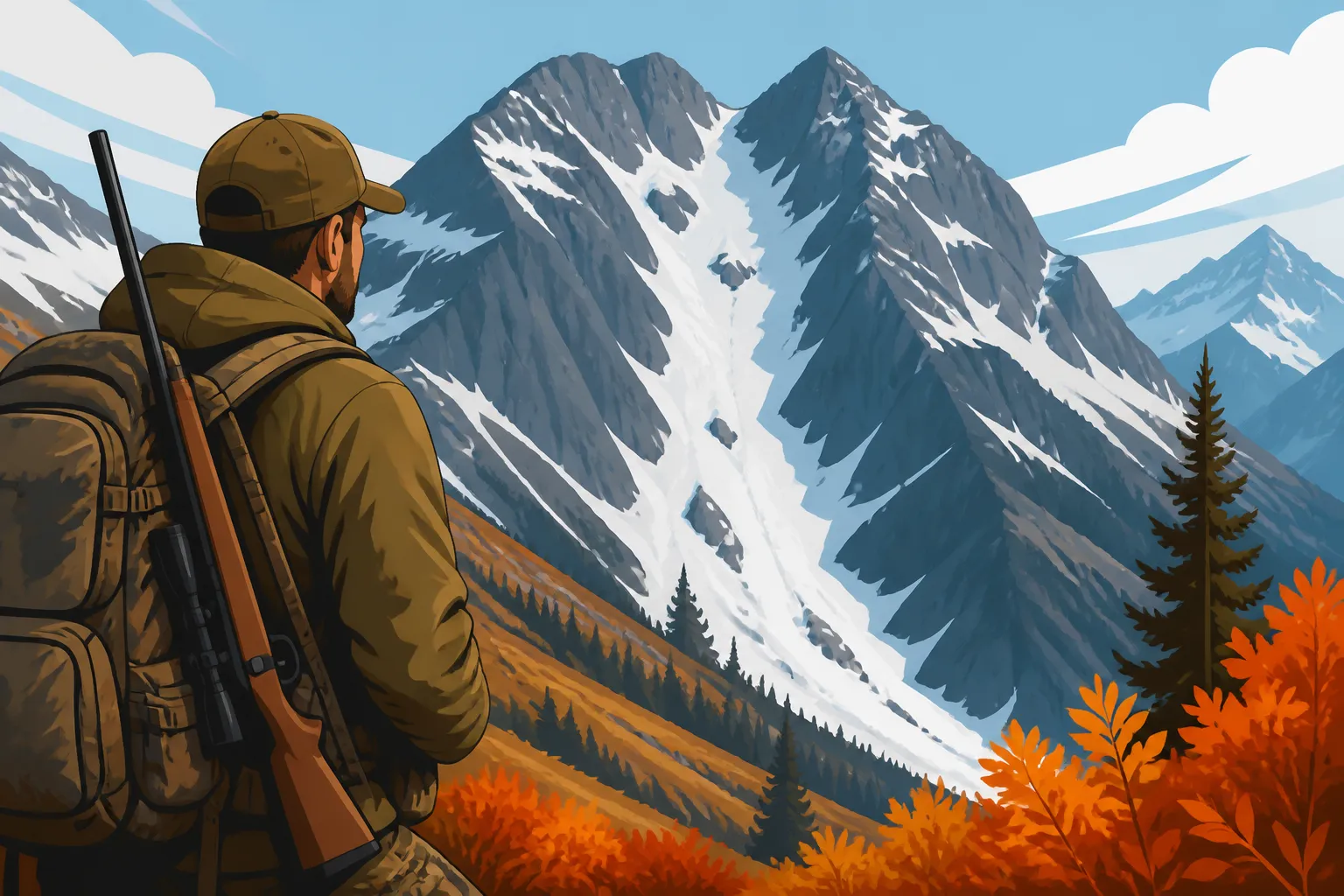
Avalanche chutes, those steep, open scars on mountain faces, might look barren or dangerous at first glance. But for a hunter in British Columbia, especially in September, they represent an incredible opportunity. These natural clearings are ecological hotspots, constantly regenerated and enriched, offering a smorgasbord for various game species.
The Natural Buffet: Why Chutes Attract Game
Think about it: an avalanche rips through a section of forest, clearing out mature trees and exposing the ground to sunlight and moisture. What happens next is a burst of new life. Early successional growth—tender shrubs, grasses, forbs, and berries—explodes in these areas. This isn't just a few scattered plants; it's often a thick, diverse carpet of highly nutritious forage that large ungulates and bears absolutely crave. In September, many of these plants are still at their peak or offering a final burst of energy-rich calories before winter. You'll find things like huckleberries, blueberries, fireweed, and various palatable grasses thriving here, drawing in hungry animals from the surrounding, often less productive, mature timber. It's essentially a giant, natural food plot carved into the mountain.
Safety and Shelter: Beyond Just Food
Beyond the sheer abundance of food, avalanche chutes offer a unique combination of safety and shelter that appeals to a wide range of game. For mountain goats, the steep, rocky terrain within a chute provides an ideal escape route and natural protection from predators. They can easily navigate the treacherous slopes, while predators are often hesitant or unable to follow. For deer and elk, the edges of a chute often provide a transition zone between the open feeding areas and the security of dense timber. They can feed openly, but quickly duck into cover if disturbed. Bears, too, appreciate this arrangement, especially sows with cubs, as the steepness and varied terrain can offer hiding spots. The varied topography, with its benches, draws, and rock outcrops, can also provide thermal cover from unexpected September winds or early snowfall, allowing animals to bed down in relative comfort while still being close to food.
Scouting and Strategy for September Chutes
Successfully hunting an avalanche chute in September isn't just about stumbling upon one. It requires careful planning and a strategic approach, blending modern tools with traditional woodsmanship.
Pre-Season Reconnaissance: Maps and Optics
Before you even tie your boots, you should be putting in work with your maps. Digital mapping applications like GoHunt, Gaia GPS, or OnX Hunt are invaluable for identifying potential avalanche chutes in your chosen management unit. Look for steep drainages that open up into significant clearings on mountain faces. Pay attention to aspect – south-facing slopes warm up faster in the spring and retain warmth longer into the fall, leading to more lush growth. Check for proximity to timberline and water sources. Once you've identified a few promising areas, the real fun begins: glassing.
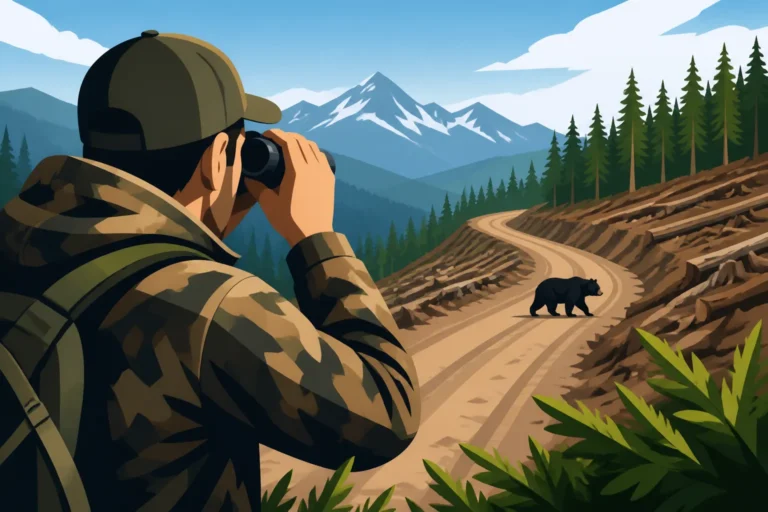
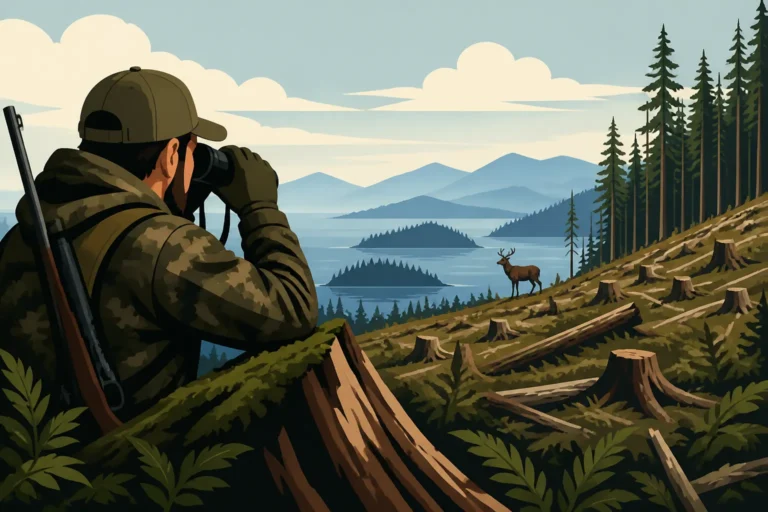
Effective glassing is paramount when hunting alpine country. You want to be able to pick apart every fold and shadow of a chute from a safe, distant vantage point, ideally at first light or last light. A good pair of 10x binoculars is a must, but a spotting scope (20-60x or even higher) will truly allow you to distinguish a rock from a ram, or a shadow from a bedded bear. Set up well before sunrise and let your eyes adjust to the low light. Scan systematically, moving your optics slowly across the terrain, looking for any horizontal lines, unnatural colours, or flickers of movement. This careful reconnaissance can save you countless hours of hiking and prevent you from spooking game before you even get close. Remember, the goal is to spot the animals without them ever knowing you're there. If you're targeting big rams, you'll find tips on Glassing an Alpine Basin for Rams to be very helpful. Knowing how to use these tools effectively is a key part of Scouting a British Columbia Management Unit Online.
September Specific Tactics: Reading the Sign
Once you're in the field and have identified an active chute, the next step is to read the sign. September means animals are still actively feeding, but patterns can start to shift as the weather cools and hunting pressure potentially increases. Look for fresh tracks in soft ground or mud patches, especially around small seeps or springs within the chute. Pay close attention to scat – its freshness will tell you how recently animals have been in the area. Browsed vegetation (torn leaves, clipped twigs) indicates where they're feeding. For deer and elk, you might also find rub lines on small saplings around the edges of the chute, indicating males are already starting to get antsy for the upcoming rut.
Animals often use chutes differently throughout the day. In the early mornings and late evenings, they might be out in the open, feeding actively. As the sun rises higher, especially on warm September days, they'll often move to shaded areas, into the timber edges, or seek out small benches and depressions within the chute for bedding. Understanding these patterns is crucial for planning your stalk. You might need to make a move at midday to catch a bedded animal. Always consider the wind direction, using it to your advantage to conceal your scent. When planning your hunt in these high places, understanding general tactics for Hunting British Columbia's Alpine in September will serve you well.
Key Species and Their Habits in Chutes During September
Avalanche chutes are magnets for several key British Columbia game species, each with their own unique patterns and preferences during September. Knowing what to look for, and who to expect, can greatly increase your chances of success.
Deer and Elk: Feeding and Transitioning
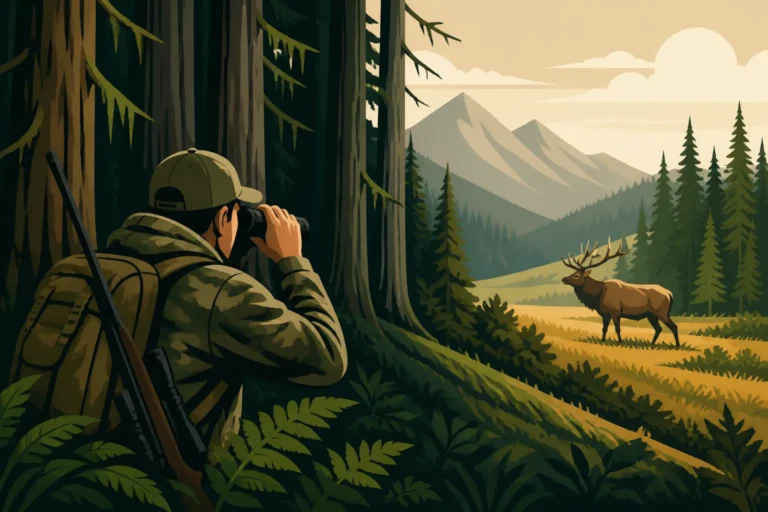
For British Columbia's deer species, particularly mule deer and black-tailed deer, and also elk, avalanche chutes represent a critical late-summer and early-fall feeding ground. In September, these animals are still focused on putting on weight before the winter and the demanding rut. They'll be targeting the tender green growth that often persists longer in the moist, regenerated soils of a chute than in the surrounding, dryer forest. You might see a mature mule deer buck, still in velvet or just shedding it, quietly browsing on forbs, or a herd of elk cows and calves feeding voraciously.
When hunting these ungulates in chutes, a quiet and patient approach is key. They will often filter into the chutes from higher alpine basins or adjacent timber. Look for them feeding along the edges where the chute meets the forest, or within any benches or draws that offer a bit of cover. Often, the best strategy is to get above the chute at first light and glass, watching animals move in, or glass from an opposing ridge and then plan a slow, methodical stalk. Remember that a mature What a British Columbia Mule Deer Weighs means they need a lot of forage, making chutes attractive. Many of the strategies you'd use for general Mule Deer Hunting in British Columbia and Elk Hunting in British Columbia can be adapted to this unique terrain.
Mountain Goats and Bears: Consistent Residents
Mountain goats are arguably the quintessential inhabitants of avalanche chutes. These incredible animals are perfectly adapted to steep, rugged terrain, and a chute provides both abundant food and, crucially, escape routes from predators. In September, you'll often find nannies with kids, as well as billies, feeding on the high, rocky slopes and grassy ledges within the chutes. They are masters of camouflage, and their white coats blend seamlessly with snow patches and rock, making them incredibly difficult to spot. Long hours of glassing are absolutely essential for Mountain Goats in British Columbia's Peaks.
Black bears also frequent avalanche chutes, especially if there’s a good berry crop or persistent green feed. September can be a prime time for bears to be gorging themselves, trying to pack on as many calories as possible before denning season. Look for them in areas with dense berry bushes, or where fireweed has taken over. While spotting a bear, remember that they can be incredibly agile on these steep slopes. Always be bear aware; carry bear spray and know how to use it. Knowing more about Black Bear Hunting Across British Columbia in these specific areas can greatly increase your odds, but safety must always be top of mind. For comprehensive information, consult resources on Bear Safety While Hunting in British Columbia.
Navigating the Terrain and Safety Considerations
Hunting avalanche chutes can be incredibly rewarding, but it's also physically demanding and comes with inherent risks. Proper preparation and a strong emphasis on safety are non-negotiable.
Gear Essentials: Footwear and Optics
Your choice of footwear can make or break a hunt in steep, broken terrain. You need sturdy, high-ankle boots with excellent traction and good ankle support. Look for boots designed for mountain hunting, with stiff soles that can handle sharp rocks and uneven ground. Waterproofing is also a huge plus, as September can bring anything from heavy dew to light rain or even early snow. Trekking poles are another absolute must-have; they provide stability on loose scree, steep ascents, and descents, and can save your knees and ankles from a lot of abuse. Many hunters find these essential for extended trips, and you'll often see them mentioned in guides about Backpacking Into British Columbia Sheep Country.
As mentioned earlier, high-quality optics are your best friend. A good pair of binoculars (10x or 12x) and a spotting scope with a stable tripod are non-negotiable. Not only do they help you locate game, but they also allow you to thoroughly assess the terrain before committing to a stalk. You can identify potential hazards like cliffs, rockfalls, or unstable slopes from a distance, making your approach much safer and more efficient.
Weather and Environmental Hazards
British Columbia's alpine weather is notoriously unpredictable, especially in September. A beautiful sunny morning can quickly turn into a cold, wet, or even snowy afternoon. Always check the forecast, but be prepared for anything. Pack extra layers, including waterproof outer shells, a warm hat, and gloves. Hypothermia is a real danger. Understanding Weather Windows in British Columbia's Mountains is crucial for planning your hunt and knowing when to push on or when to hunker down.
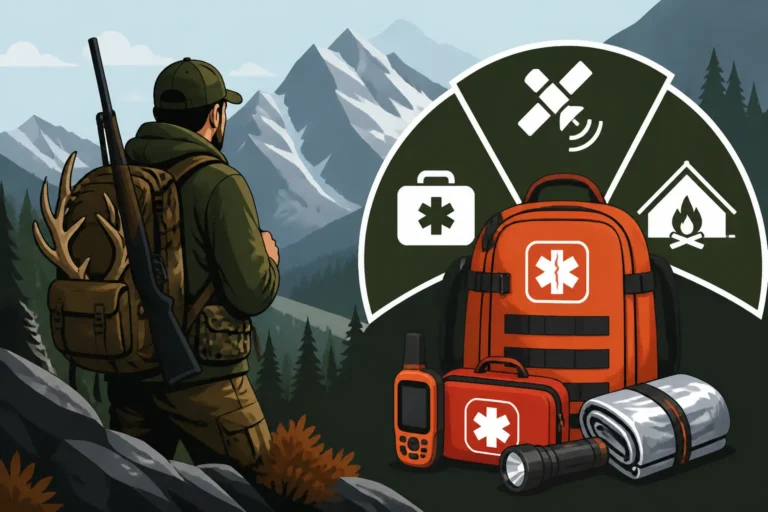
Beyond weather, the terrain itself poses significant hazards. Loose rock, fallen timber, and steep, exposed slopes are common in avalanche chutes. Always test your footing, especially on scree and gravel. Be aware of your surroundings, and if you're hunting with a partner, maintain visual or auditory contact. Never push yourself beyond your physical capabilities, and always err on the side of caution. It’s better to turn back and live to hunt another day than to take an unnecessary risk. Always ensure someone knows your detailed plans, including your route and expected return time, and carry a satellite communication device for emergencies, as cell service is rarely available in these remote areas. Bringing home your harvest from these areas can be extremely difficult; resources like Getting Meat Out of Steep British Columbia Country often highlight the challenges.
Species in Avalanche Chutes in September
| Species | Primary Attractor in Chutes (September) | Typical Chute Use (September) | Key Hunting Considerations (September) |
|---|---|---|---|
| Mule Deer | Tender forbs, shrubs, late-season berries | Feeding openly morning/evening, bedding in timber edges or small depressions mid-day. | Look for fresh browse and rub lines. Glass at first and last light from a distance. |
| Elk | Lush grasses, fireweed, palatable browse | Grazing in larger, more open sections, often in small herds. Transitioning from alpine to lower. | Identify travel corridors in and out of chutes. Listen for bugles (early rut). |
| Black Bear | Huckleberries, blueberries, persistent green feed | Foraging throughout the day, especially in dense berry patches. Often found higher up. | Be extremely bear aware; carry bear spray. Identify distinct bear trails and scat. |
| Mountain Goat | High alpine grasses, lichens, mineral licks | Feeding on steep, rocky ledges and grassy outcrops. Utilizes terrain for escape. | Requires extensive glassing. Look for vertical movement. Identify nannies vs. billies carefully. |
Hunting an avalanche chute in British Columbia during September can be an incredibly rewarding experience, offering access to prime habitat and the chance to encounter a variety of big game. These dynamic landscapes, shaped by the raw power of nature, provide a bounty of forage and cover that draws animals like a magnet. However, their very nature demands respect, meticulous preparation, and a commitment to safety. By understanding why animals use these chutes, employing smart scouting techniques, and being prepared for the challenging terrain and fickle alpine weather, you can significantly increase your odds of a successful and memorable hunt. Always prioritize your safety and ethical hunting practices, and you'll find that these mountain scars hold some of the most exciting hunting opportunities British Columbia has to offer.
Disclaimer
Hunting is an inherently dangerous activity. This guide provides general information and recommendations. Always consult the most current British Columbia Hunting Regulations Synopsis, obtain the necessary licenses and tags, and be aware of all local rules and regulations. Safety should always be your top priority. Ensure you have the proper training, gear, and emergency preparedness before venturing into the backcountry.