Hunting Fall Bears on British Columbia Berry Slopes
The crisp air of a British Columbia autumn brings with it a specific kind of frustration for bear hunters: knowing the bears are out there, fattening up for winter, but trying to pinpoint exactly where they’re concentrating their efforts. It’s not always about finding a carcass or a salmon stream; sometimes, the golden ticket lies in the rich, abundant berry slopes. This guide will meticulously break down how to effectively locate and hunt black bears when they're gorging on the bounty of the land, helping you transform those elusive encounters into successful hunts.
Understanding Fall Bear Behavior and Food Sources
As summer fades into fall across British Columbia, black bears enter a crucial phase known as hyperphagia. This intense drive compels them to consume vast quantities of calories to build up the fat reserves necessary to survive hibernation. For many bears, especially those in the vast interior and mountain regions, berries represent a significant and highly sought-after food source. Understanding this behavior and knowing which berries they target, and when, is paramount to a successful fall hunt.
The Hyperphagia Drive: Why Bears Gorge on Berries
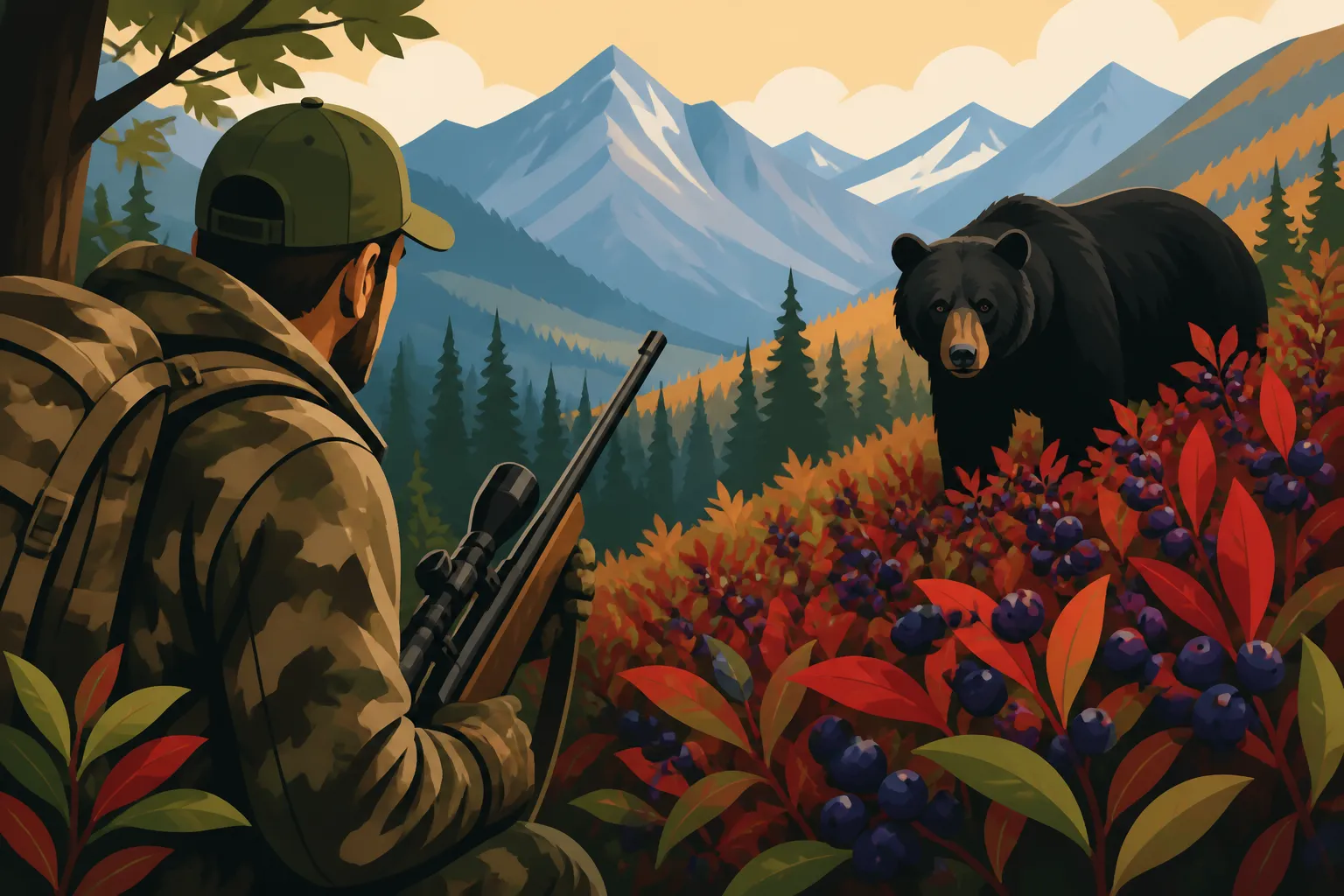
Hyperphagia isn't just about eating; it's an insatiable hunger that literally reshapes a bear's daily routine and movement patterns. During this period, which typically ramps up in late summer and continues through fall until denning, a bear's primary objective is to eat as much as possible. Their internal clock tells them winter is coming, and every calorie counts. This means they will often sacrifice caution for access to prime feeding areas. For hunters, this translates into opportunities to find bears actively feeding for extended periods, sometimes even in more open areas than they might frequent earlier in the year. Instead of moving quickly through dense timber, they'll often linger in a rich berry patch, methodically stripping bushes clean. This focused feeding behaviour makes them more predictable, provided you've done your scouting. They're not just grabbing a quick snack; they're committing to a buffet, and that's exactly what berry slopes offer.
Key Berry Species and Ripening Times in British Columbia
British Columbia is a land of incredible biodiversity, and that extends to its berry populations. Knowing which berries are ripe and attracting bears in your specific hunting area is crucial. While timing can vary based on elevation, aspect, and annual weather patterns, certain species are reliable attractants. Early fall might see bears still hitting huckleberries (often called blueberries by locals), especially the mountain varieties found at higher elevations. As you move into September and October, cranberries, lingonberries, and saskatoon berries become prime targets. Buffaloberries are also incredibly important in many dry interior regions, and they often hold their fruit well into the fall. Coastal areas, like those found when Hunting British Columbia's Coastal Rain, will have their own unique mix, including salal, which persists into the cooler months. The key is to observe what's ripe and abundant in your specific management unit. A quick scouting trip or even just talking to local foragers can provide invaluable insight.
Here’s a general guide to common berry species and their ripening periods that attract bears:
| Berry Species | General Ripening Period | Typical Habitat | Bear Preference |
|---|---|---|---|
| Huckleberry (Blueberry) | Late July – Early September | Subalpine slopes, open forests, clearcuts | High |
| Saskatoon Berry | Late June – Early August | Dry interior grasslands, open forests, river breaks | High |
| Buffaloberry | Late August – Late September | Dry, open forests, clearings, interior rangelands | High |
| Cranberry | Late September – October | Bogs, wetlands, moist clearings | Medium |
| Lingonberry | Late August – October | Subalpine and alpine tundra, open forests | Medium |
| Salal | August – October | Coastal forests, clearings, understory | Medium |
Seasonal Movements and Prime Feeding Hours
Bears are creatures of habit, and their feeding patterns on berry slopes are often dictated by the sun and the weather. Typically, bears will be most active in the cooler parts of the day – early morning and late evening. As the sun climbs, they might move into nearby shaded timber to bed down, only to emerge again as temperatures drop. However, during hyperphagia, if a berry patch is particularly rich and secluded, they can feed at any time. In areas with significant hunting pressure, they might become more nocturnal or stick to the densest cover.
Their movements between feeding and bedding areas often follow established game trails. Higher elevation berries, common when Hunting British Columbia's Alpine in September, might see bears descend into timbered draws or even lower elevations for water and cover, then climb back up to feed. This makes understanding thermals and wind currents even more critical, as bears will use them to their advantage for scenting danger. Bears also tend to stick to certain slopes for a period, systematically clearing them before moving on. Observing these patterns, perhaps by setting up a trail camera if regulations allow, can reveal preferred travel corridors and peak feeding times.
Identifying Productive Berry Slopes and Habitat
Finding "the" berry slope is often the biggest challenge. British Columbia is vast, and while berries are everywhere, productive patches that hold bears require specific conditions. This isn't just about driving logging roads; it's about intelligent scouting, understanding terrain, and leveraging modern tools.
Scouting for Sign: Tracks, Scat, and Rubs
Long before you even consider drawing a tag, effective scouting is your best friend for a fall bear hunt. When you hit the field, you're not just looking for berries; you're looking for evidence of bear activity. Start by examining the ground for fresh tracks. Bear tracks are distinctive, with five toes and a prominent heel pad. The size can tell you a lot about the bear, but freshness is key. Soft, damp ground near a stream or a dew-covered trail at first light will reveal clear prints. Look for scat – bear droppings. In the fall, scat on berry slopes will be packed with berry seeds, a clear indicator of their current diet. The colour and consistency of the scat can also give you an idea of how recently the bear was there.
Beyond tracks and scat, look for rub trees. Bears rub their backs against trees, particularly pines or other softwoods, to scratch and mark their territory. These rubs often occur on prominent trees along travel corridors or near good feeding areas. Look for hair left behind in the bark or mud. Finally, inspect the berry bushes themselves. Are there broken branches or stripped areas where berries have been heavily fed upon? This fresh feeding sign, especially if found in an area with good cover nearby, screams "bear." Remember to conduct your scouting safely, and always carry bear spray, especially when Bear Safety While Hunting in British Columbia is a concern in areas with high bear densities.
Terrain Analysis: Aspect, Elevation, and Cover
Not all berry slopes are created equal. Bears are smart and will favor areas that offer a combination of abundant food, security, and favorable conditions.
- Aspect: South-facing slopes generally receive more sunlight and warm up faster, which can lead to earlier berry ripening and potentially more concentrated growth. However, east or west-facing slopes might offer more consistent sun throughout the day without the intense heat of a south face, which bears might prefer for feeding during warmer parts of the fall. North-facing slopes might hold berries later into the season or have different species.
- Elevation: Berry production often peaks at certain elevations. Mountain huckleberries thrive in subalpine zones, while buffaloberries might be lower. As fall progresses, bears might move between elevations, following the ripening cycle. Early in the season, you might find them higher up; later, they might drop to lower-elevation patches.
- Cover: A truly productive berry slope for hunting will also have good cover nearby. Bears, even when focused on feeding, need places to feel secure, especially during daylight hours or if they sense danger. Look for patches adjacent to dense timber, thick regrowth from old clearcuts, or even natural rock formations and avalanche chutes that provide hiding spots. A bear will likely feed, then retreat to these areas to digest and rest. This proximity of food and cover is the ultimate combination for finding consistently present bears. Understanding how these elements combine for a species like the Roosevelt Elk is also key, especially when Bugling Roosevelt Elk on the Coast.
Using Maps and Technology to Pinpoint Areas
In today's hunting world, mapping technology is an indispensable tool for identifying potential berry slopes without putting boots on the ground right away. Platforms like GoHunt, along with provincial government mapping resources, allow you to analyze terrain features from your computer. Look for:
- Contour Lines: Identify areas with suitable slope angles. Bears don't like feeding on sheer cliffs, but gentle to moderate slopes are ideal.
- Satellite Imagery: Zoom in on satellite maps to identify open clearcuts, old burns (which often have fantastic berry growth several years after the fire, as seen when Hunting a Burned Slope Two Years On), and natural clearings in timbered areas. Green, low-growing vegetation often indicates berry bushes, especially in areas historically known for them.
- Forest Cover Maps: These can help distinguish between dense timber (good for bedding) and more open areas (good for feeding).
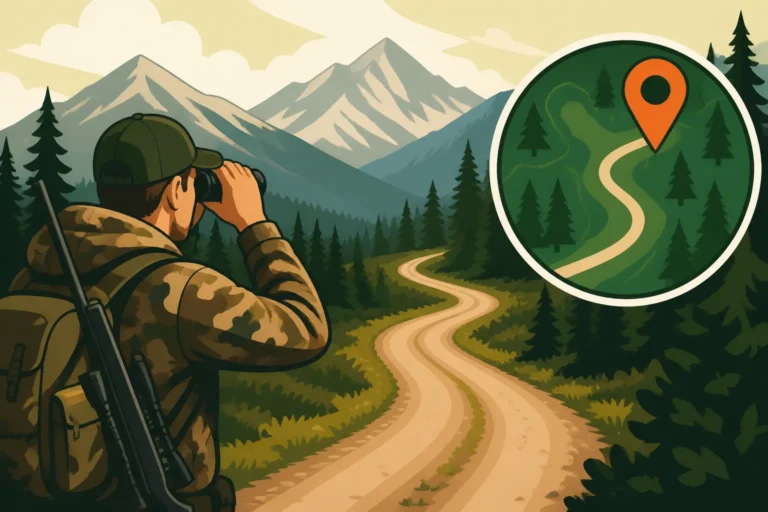
- Access Roads: Plan your approach and exit routes. Identify old logging roads or trails that might lead to remote, less pressured berry patches. Remember that many British Columbia Forest Service Road Access points are available, but some might be deactivated.
Overlaying this information with a basic understanding of British Columbia's Management Units and Regions allows you to narrow down your search significantly, saving you valuable time and effort in the field. Before heading out, a thorough review of these digital resources can help you earmark several promising spots for physical scouting.
Effective Hunting Strategies for Berry Slopes
Once you've identified a promising berry slope, your approach shifts from scouting to strategic hunting. This involves a blend of patience, keen observation, and disciplined stalking. The dense nature of berry patches and the focused feeding behavior of bears necessitate specific tactics.
The Art of Glassing and Patient Observation
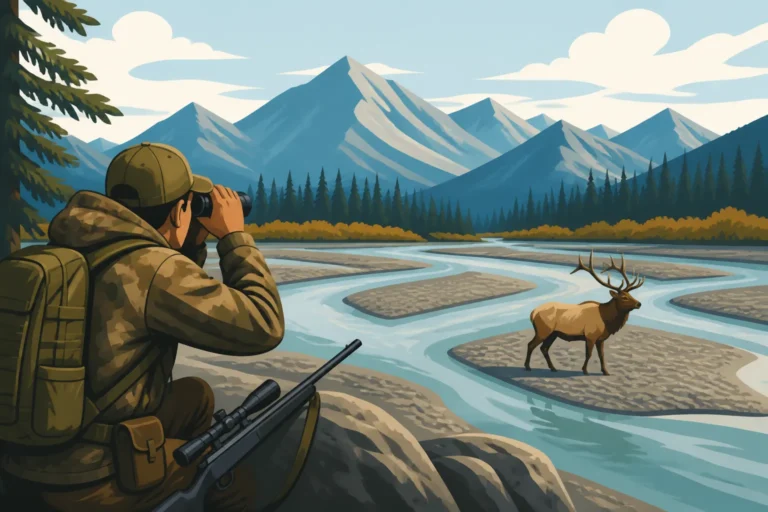
Hunting berry slopes is often a glassing game. Instead of constantly moving, find a good vantage point that overlooks a broad expanse of potential feeding habitat. This could be an opposing ridge, a high knoll, or even a strategic bend in a logging road. Set up your spotting scope or high-powered binoculars on a sturdy tripod. Then, methodically grid the entire area, paying close attention to any movement, unusual shapes, or changes in colour. Remember, a bear might blend incredibly well into the dappled light and dense foliage. Look for small movements: an ear flicking, a patch of black fur against green or brown, or the swaying of bushes as a bear feeds.
Patience is paramount. Bears might appear suddenly, feed for an hour, and then disappear back into cover. Dedicate several hours to glassing from a single spot, especially during those prime morning and evening hours. If you're on a multi-day hunt, visit the same vantage points at different times of the day, as bear activity can shift. Sometimes, a distant black smudge you initially dismiss as a rock might, after fifteen minutes of observation, reveal itself to be a feeding bear. This slow, deliberate process is also invaluable for Glassing an Interior Hillside for Mule Deer, teaching you to pick out subtle details.
Stalking Techniques in Thick Berry Patches
Once you've spotted a bear, the real challenge begins: the stalk. Berry patches are often noisy places, full of brittle branches and rustling leaves. This requires an incredibly slow, deliberate approach.
- Use the Terrain: Plan your stalk to utilize any available cover – depressions, ridge lines, standing timber, or even the berry bushes themselves if they're tall enough. Stay out of sight as much as possible.
- Silence is Golden: Every step must be intentional. Test your footing before committing your weight. If the ground is dry and noisy, you might have to take just a few steps, then pause and wait for the sound of the wind or another natural noise to cover your movement.
- Wind Check: Constantly monitor the wind direction. Bears have an incredible sense of smell, and a single whiff of human scent will send them scattering. Use a wind checker frequently.
- Visual Confirmation: As you stalk, try to reconfirm the bear's location regularly. They can move surprisingly quickly through thick cover. Don't rush into a shooting position; ensure you have a clear, ethical shot opportunity.
- Patience, Again: If the bear moves into a thicket, don't press too hard. Sometimes, backing off and re-glassing from your original vantage point or another strategic spot is the smarter move. They might emerge again in a more favorable position.
Playing the Wind and Thermals
The wind is your most critical ally or your biggest enemy on a bear hunt. Bears rely heavily on their sense of smell, and the slightest shift in wind can betray your presence.
- Consistent Wind: Ideally, you want a consistent wind blowing from the bear towards you, or quartering away from its suspected location. This keeps your scent away from the animal.
- Thermals: In mountainous terrain, thermals play a huge role. As the sun rises and warms the earth, air currents move uphill (updrafts). In the evening, as the land cools, air currents move downhill (downdrafts). This means an early morning stalk on a steep slope might require you to be above the bear, letting your scent rise. In the evening, you'd want to be below it, letting your scent drift down and away. Ignoring thermals is a common mistake that can blow a hunt.
- Microclimates: Be aware that local topography – draws, ravines, dense timber – can create localized wind currents that differ from the general wind direction. Always verify the wind at your specific location, not just at a distant ridge. Before embarking on a stalk, take a good five minutes to observe how the wind is behaving, using a wind checker or even just by watching leaves and grass. This vigilance with scent control is also crucial when Calling Wolves in British Columbia, as they share a similar reliance on smell.
Gear and Safety Considerations for Fall Bear Hunts
Hunting fall bears on berry slopes demands not only specific tactics but also the right gear and a serious approach to safety. You're often in thick cover, possibly at higher elevations, and always in grizzly country, even if you’re focused on black bears.
Essential Gear for a Berry Slope Hunt
Packing smart can make or break your hunt, especially when you consider the varied terrain and unpredictable weather of British Columbia in the fall.
- Optics: High-quality binoculars (10x-15x) and a spotting scope (20-60x) on a sturdy tripod are non-negotiable for efficient glassing. You'll spend a lot of time behind glass.
- Footwear: Comfortable, waterproof, and supportive hiking boots are essential. You'll be traversing uneven, often wet, terrain and potentially scrambling over rocks and through thick brush. Consider boots with good ankle support.
- Clothing: Layering is key. Fall weather in BC can change rapidly from warm sun to cold rain or even snow. Pack moisture-wicking base layers, insulating mid-layers (fleece or down), and a waterproof/windproof outer shell. Blaze orange visibility is also important, as per British Columbia Blaze Orange Rules.
- Navigation: A reliable GPS device or a smartphone with detailed hunting maps (like GoHunt or Gaia GPS) is critical. Always carry a physical map and compass as a backup, and know how to use them, especially when Scouting a British Columbia Management Unit Online.
- Bear Spray: Absolutely non-negotiable. Carry it in a chest holster for quick access. Even when hunting black bears, you might encounter a grizzly, and being prepared for close encounters is paramount.
- First-Aid Kit: A comprehensive kit capable of handling minor injuries and emergencies.
- Water and Food: Enough for the day, plus extra for unexpected delays.
- Knives and Game Bags: Essential for field dressing and protecting your meat. Consider lightweight, breathable game bags for proper cooling.
Bear Safety in High-Density Areas
Even though you're hunting black bears, British Columbia is grizzly country. Being vigilant and prepared for encounters with any bear species is critical.
- Make Noise: When moving through dense cover where visibility is limited, make noise to avoid surprising a bear. Clap, talk loudly, or wear bear bells.
- Carry Bear Spray: We mentioned it, but it bears repeating. Know how to use it. It's your most effective deterrent against aggressive bears.
- Hunt with a Partner: Two sets of eyes and ears are always better than one. A partner can also assist in field dressing and packing out meat, and provide help in an emergency.
- Identify Your Target: Be 100% certain of your target before you shoot. Black bears come in many colour phases, from black to cinnamon to blonde. Some can even look like smaller grizzlies. Understanding the nuances, like hump or dish-face, is crucial to avoid mistakenly harvesting a grizzly. This is especially true given Why Grizzly Hunting Ended in British Columbia.
- Food Storage: If camping, ensure all food and scented items are stored in bear-resistant containers or hung from a tree well away from your sleeping area. Keep a clean camp.
Proper Meat and Hide Care in the Field
Harvesting a bear is only half the job; properly caring for the meat and hide ensures a respectful and successful end to your hunt. This is particularly important with the milder temperatures often found during early fall seasons.
- Field Dressing Immediately: As soon as the bear is down, field dress it to begin cooling the carcass. Remove all internal organs.
- Skinning and Quartering: Skin the bear and quarter the meat as quickly as possible. Get the hide off the meat. Bears have a thick layer of fat, which retains heat and can spoil meat quickly. Separate meat from fat as much as practical in the field.
- Cooling the Meat: Hang the meat quarters in game bags in a shady, airy spot. The goal is to get the internal temperature of the meat down as quickly as possible. If the weather is warm, consider using snow or ice if available, or plan to get the meat to a cooler as soon as possible. Transporting game meat in British Columbia requires specific precautions, especially to prevent spoilage. This is equally true when Meat Care in British Columbia's Warm Early Seasons for other species.
- Hide Care: The hide also needs immediate attention. If you intend to have it tanned, cool it down quickly. Salt is excellent for preserving hides but can be heavy to pack in. If you can't get it to a freezer or salting station within a few hours, consider skinning it carefully and spreading it out to cool. Avoid leaving it rolled up, especially if it's warm.
Disclaimer
Hunting carries inherent risks, and it is the responsibility of each individual hunter to understand and comply with all applicable laws and regulations. Always prioritize safety, ethical hunting practices, and respect for wildlife and the environment. This guide is for informational purposes only and should not replace official safety courses, local regulations, or professional advice.