When British Columbia’s Archery Season Opens
Figuring out exactly when British Columbia's archery season kicks off can feel like a riddle wrapped in an enigma, especially with regulations that shift and change year to year. For passionate bowhunters, missing an opener because of outdated information or a misunderstood rule is a frustrating experience many of us have faced. This guide aims to clear up that confusion, diving deep into the opening dates for archers across the province, ensuring you're fully prepared for bow season and know precisely when you can hit the woods.
Understanding British Columbia's Archery Season Structure
British Columbia's hunting regulations are designed to manage wildlife populations across vast and diverse landscapes, which means they aren't always straightforward. When it comes to archery seasons, we're not talking about a single province-wide date. Instead, the season dates are meticulously broken down by species, by specific geographic regions, and sometimes even by individual Management Units (MUs). This complexity is often where hunters get tripped up, thinking a general season applies universally when it really doesn't.
One of the key things to understand is that archery seasons often precede the general rifle seasons, giving bowhunters a unique opportunity to pursue game before the landscape is inundated with more pressure. This early access is a huge draw for many, allowing for quieter hunts and often more predictable animal behavior before they become wary. However, this early window demands careful planning and a thorough understanding of the regulations specific to your target species and chosen hunting area. It's not uncommon for bowhunters to spend hours poring over maps and regulations, just to confirm that a particular creek bottom or alpine basin is indeed open for archery on their desired dates. The thrill of a close-quarters bowhunt is definitely earned through this meticulous preparation.
General Open Archery Seasons
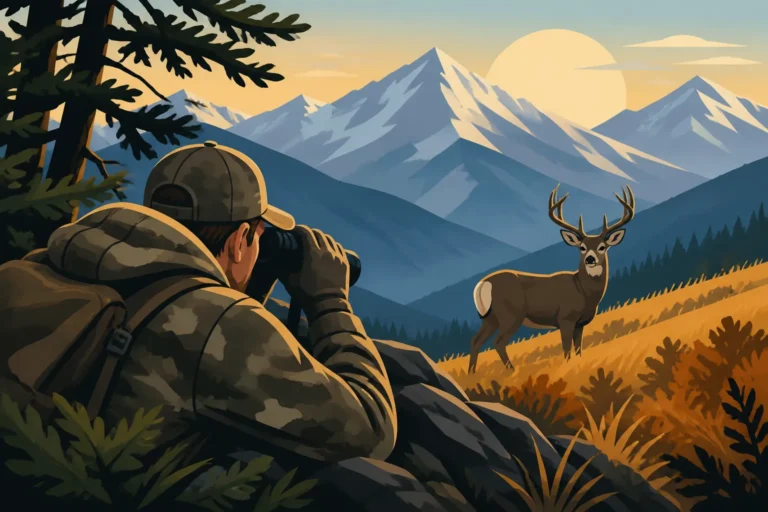
For many popular big game species, British Columbia has designated "General Open Season" (GOS) archery dates. These are the most common opportunities for resident bowhunters and typically open in late summer or early fall. For deer, which are perhaps the most popular big game animal for archers, these seasons often begin in early September across many regions. For example, in many parts of the Interior, you can expect to find general archery seasons for mule deer starting around September 1st. This is a highly anticipated time for many, as the bucks are often still in their summer patterns, making them a bit more visible before they become intensely nocturnal.
However, even within these general openers, there are often antler restrictions or other specific rules that apply. You might find "two-point" or "four-point" antler restrictions, or "any buck" rules, depending on the Management Unit and the species. These are critical details that can change year to year, so relying on memory from seasons past is a surefire way to run into trouble. Always double-check. For those targeting species like black bears, you'll find general archery seasons that often run concurrent with rifle seasons, but in some areas, there might be earlier archery-only windows. These seasons provide a fantastic opportunity to hunt bears in a more intimate way, often stalking through dense cover or setting up near prime berry patches.
Limited Entry Hunting Archery Opportunities
Beyond the general open seasons, British Columbia also utilizes a Limited Entry Hunting (LEH) system for certain species or specific management objectives. Many LEH draws include archery-only authorizations. These are highly coveted tags that are allocated through a draw system, and the dates are specific to each individual LEH authorization. For example, some prime elk areas might have an archery-only LEH hunt in September, offering a chance at a bull during the rut, which is an incredible experience. Similarly, some moose hunts might have early archery LEH dates before the general rifle seasons kick in.
The application period for these draws typically occurs in the spring, with results released later in the summer. If you're successful in drawing an LEH tag, the specific dates for your archery hunt will be clearly outlined on your authorization. These hunts are often designed to distribute hunting pressure and target specific segments of the population, leading to unique and often high-quality hunting experiences. The odds of drawing an LEH archery tag can vary wildly from year to year and unit to unit, but for many, the chance to hunt a mature animal in a low-pressure environment with a bow is well worth the effort of applying. You can often find detailed information on these specific dates and application strategies within guides like British Columbia's Limited Entry Hunting Draws.
Regional Archery Opening Dates
British Columbia is a massive province, and its diverse geography directly influences hunting seasons. The regulations are tailored to specific regions, which means an archery opener in the Coast Mountains will be very different from one in the Peace River Country. It's crucial not to assume that what applies to one area will apply to another.
Coastal Regions Archery Season Openers
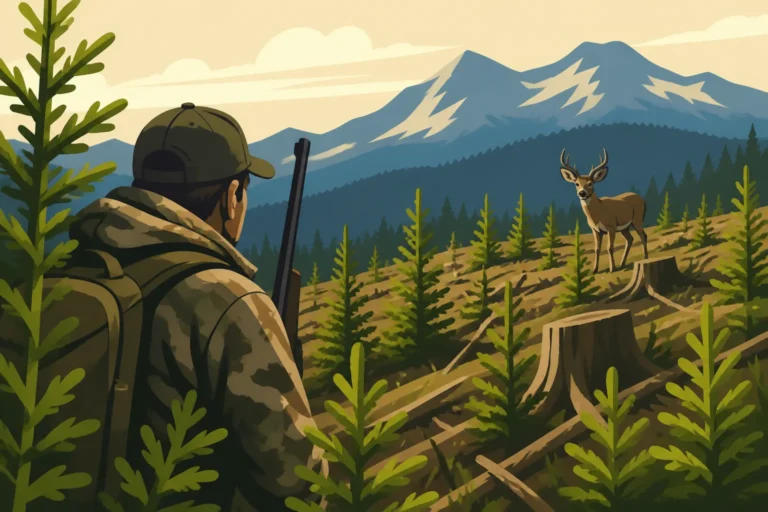
Along British Columbia's rugged coast, particularly on Vancouver Island and the adjacent mainland, the focus for archers is often on black-tailed deer and black bears. The archery seasons for black-tailed deer typically open in early September, often coinciding with the general archery opener in other parts of the province. These coastal blacktails can be notoriously elusive, moving through dense rainforests and thick second-growth timber, making bowhunting them a real challenge. The early season allows hunters to target them before the heavy rains of fall truly set in, though you can still expect plenty of moisture. If you're planning on Hunting British Columbia's Coastal Rain, be prepared for wet conditions even in September.
Black bear archery seasons also generally open in the spring (April-May) and then again in the fall (September onwards) in many coastal Management Units. The fall bear season often provides excellent opportunities as bears are gorging on berries and salmon, building up fat reserves for winter. Hunting these animals with a bow in the coastal temperate rainforest requires stealth, patience, and a keen understanding of their movements along estuaries, clearcuts, and salmon spawning streams. Specific details for these regions can often be found in resources like British Columbia Deer Season Dates by Region.
Interior Plateau Archery Season Openers
The vast Interior Plateau, stretching from the Okanagan up through the Cariboo and Chilcotin, offers some of British Columbia's most diverse hunting opportunities for archers. Here, mule deer are a primary target, and their general archery seasons typically kick off on September 1st in many Management Units. This early September window is highly popular, as bucks are still in bachelor groups, often in alpine or subalpine areas, and haven't yet been pressured by rifle hunters. The weather is usually still pleasant, making for enjoyable backcountry trips.
Beyond mule deer, archers in the Interior can also target black bears, with both spring and fall seasons available, as well as limited opportunities for moose and elk through the LEH system. These LEH hunts often have specific archery dates in September and October, capitalizing on the rutting periods. For instance, chasing bugling elk in the Kootenays with a bow during September can be an unforgettable experience. Hunters often use mapping tools to pinpoint accessible areas. Before you head out, make sure to consult British Columbia's Management Units and Regions to understand the boundaries you'll be hunting in.
Northern Regions Archery Season Openers
The northern reaches of British Columbia, including the Omineca, Skeena, and Peace Regions, present archers with truly wild and remote hunting opportunities. Moose, in particular, are a significant draw here, and while many moose hunts are LEH, there are often general archery seasons or early archery LEH dates that open in September. These hunts often take place in vast tracts of boreal forest, around beaver ponds, and along river systems. Bowhunting moose demands immense patience and often involves calling during the rut.
Mule deer and black bears are also prevalent in the north. Their general archery seasons usually open around September 1st, similar to the Interior, though hunting pressure can be significantly lower in these more remote areas. For hunters looking for a true wilderness experience, the north offers unparalleled opportunities, albeit with greater logistical challenges. Remember, the dates for these seasons can vary, so always refer to the official regulations. You can get a good feel for these specific dates by looking at resources like British Columbia Moose Season Dates and British Columbia Spring Bear Season Dates.
Here's a simplified overview of general archery season openers for common big game species in British Columbia. Remember, this is a general guide; always consult the official regulations for your specific Management Unit.
| Species | Common Regions | Typical General Archery Opener | Notes |
|---|---|---|---|
| Mule Deer | Interior, Northern | September 1st | Varies by MU, check antler restrictions. |
| Black-Tailed Deer | Coast, Vancouver Island | September 1st | Varies by MU, often includes "any buck" or specific antler rules. |
| Elk | Kootenays, Peace (LEH Only) | Mid-September (LEH) | Highly competitive LEH draws, specific dates on authorization. |
| Moose | Interior, Northern (LEH) | Early September (LEH) | Very limited general archery; mostly LEH draw hunts. |
| Black Bear | Province-wide | Spring (April/May), Fall (Sept.) | General seasons often run concurrent with rifle; check specific MU dates. |
Navigating the Regulations and Planning Your Hunt
The single most important piece of advice for any hunter in British Columbia, especially archers relying on specific early season dates, is to thoroughly read and understand the most current British Columbia Hunting and Trapping Regulations Synopsis. This document, published every two years with interim updates, is your ultimate authority. It's easy to get caught up in online forums or anecdotal information, but only the official synopsis provides the legal framework.
Hunting regulations are dynamic and subject to change. Population trends, conservation efforts, environmental factors like wildfires, and even public input can lead to adjustments in season dates, bag limits, or weapon restrictions. What was true last year might not be true this year. For instance, a particular mule deer herd might have had a challenging winter, leading to a shortened or delayed season in its specific management unit. This constant evolution is why diligent preparation is non-negotiable for a successful and legal hunt.
Essential Resources for Date Verification
The Ministry of Water, Land and Resource Stewardship (or its previous iterations) publishes the official synopsis. You can usually find a digital version on the provincial government's website, and many sporting goods stores, like Wholesale Sports or Cabela's, often carry printed copies. This document is dense, but it's organized by region and species, making it navigable once you get the hang of it. Pay close attention to the General Open Seasons (GOS) charts and the Limited Entry Hunting (LEH) sections.
Many modern hunting tools and apps can also aid in planning. Platforms like GoHunt provide excellent overlays for land ownership, management unit boundaries, and often integrate season dates, making it easier to visualize your hunting grounds and verify the applicable regulations. However, always use these as supplementary tools and cross-reference with the official synopsis. Think of them as incredibly helpful guides, but the government's document is the law. Using tools like GoHunt can significantly simplify Scouting a British Columbia Management Unit Online before you ever set foot in the field.
Planning Your Archery Hunt
Once you've nailed down your specific opening dates, the real planning begins. Archery demands a different kind of preparation than rifle hunting. You'll need to be proficient with your bow, understand animal behavior, and be prepared for closer encounters. Early archery seasons often mean warmer weather, so proper meat care, especially for larger animals like moose or elk, is paramount. Consider carrying game bags and having a plan for cooling your harvest quickly.
Don't forget the necessary licenses and tags. Before you can even apply for an LEH or purchase your species tags, you'll need a valid British Columbia hunting license and a British Columbia Fish & Wildlife ID (FWID). You can find more information on this process in articles like British Columbia Hunting Licences and Fees and British Columbia's CORE Exam and FWID. Moreover, if you're planning a trip into the backcountry, ensure you have adequate bear safety protocols in place, especially when hunting in areas known for grizzlies. Having a solid plan and being prepared for anything the BC wilderness throws at you will make your archery season not just successful, but safe and memorable. For those looking at a September hunt specifically, our guide on Bowhunting British Columbia's September Seasons offers even more targeted advice.
Final Preparations for Opening Day
As opening day approaches, that familiar excitement starts to bubble up. The meticulous preparation of the past weeks and months—honing your shooting skills, scouting your preferred areas, and double-checking every regulation detail—all culminate in that first quiet morning in the woods. But don't let that excitement overshadow a few crucial final checks.
Always carry a printed or downloaded copy of the regulations for your specific Management Unit. Cell service can be spotty, if non-existent, in many prime hunting areas across British Columbia, so relying solely on an online version of the synopsis can leave you in a bind if a question arises. Make sure your archery equipment is in perfect working order, from your broadheads to your sight pins, and ensure you've done a few last-minute practice shots with your hunting arrows. Checking the local weather forecast one last time will help you pack appropriately, whether it's for an early season heatwave or an unexpected cold snap in the alpine. Remember that British Columbia's mountain weather can be notoriously unpredictable.
Beyond the gear, mentally prepare for the hunt. Archery often means long hours of stillness, careful stalking, and precise shot placement. The close-range nature of bowhunting demands a level of calm and focus that's different from rifle hunting. Visualize your shots, review your game retrieval plan, and be confident in your abilities. Whether you're chasing Mule Deer Hunting in British Columbia or Black-Tailed Deer Hunting in British Columbia, the effort you put in will directly translate to your success and enjoyment. By knowing exactly when British Columbia's archery season opens for your chosen species and area, and by adhering strictly to the regulations, you're setting yourself up for a rewarding and unforgettable experience in the wild.
Disclaimer
The information provided in this guide is for general informational purposes only and does not constitute legal advice. Hunting regulations in British Columbia are subject to change, and it is the sole responsibility of the hunter to consult the most current British Columbia Hunting and Trapping Regulations Synopsis and all applicable federal and provincial laws before engaging in any hunting activities. Always prioritize safety and ethical hunting practices.