Bear Safety While Hunting in British Columbia
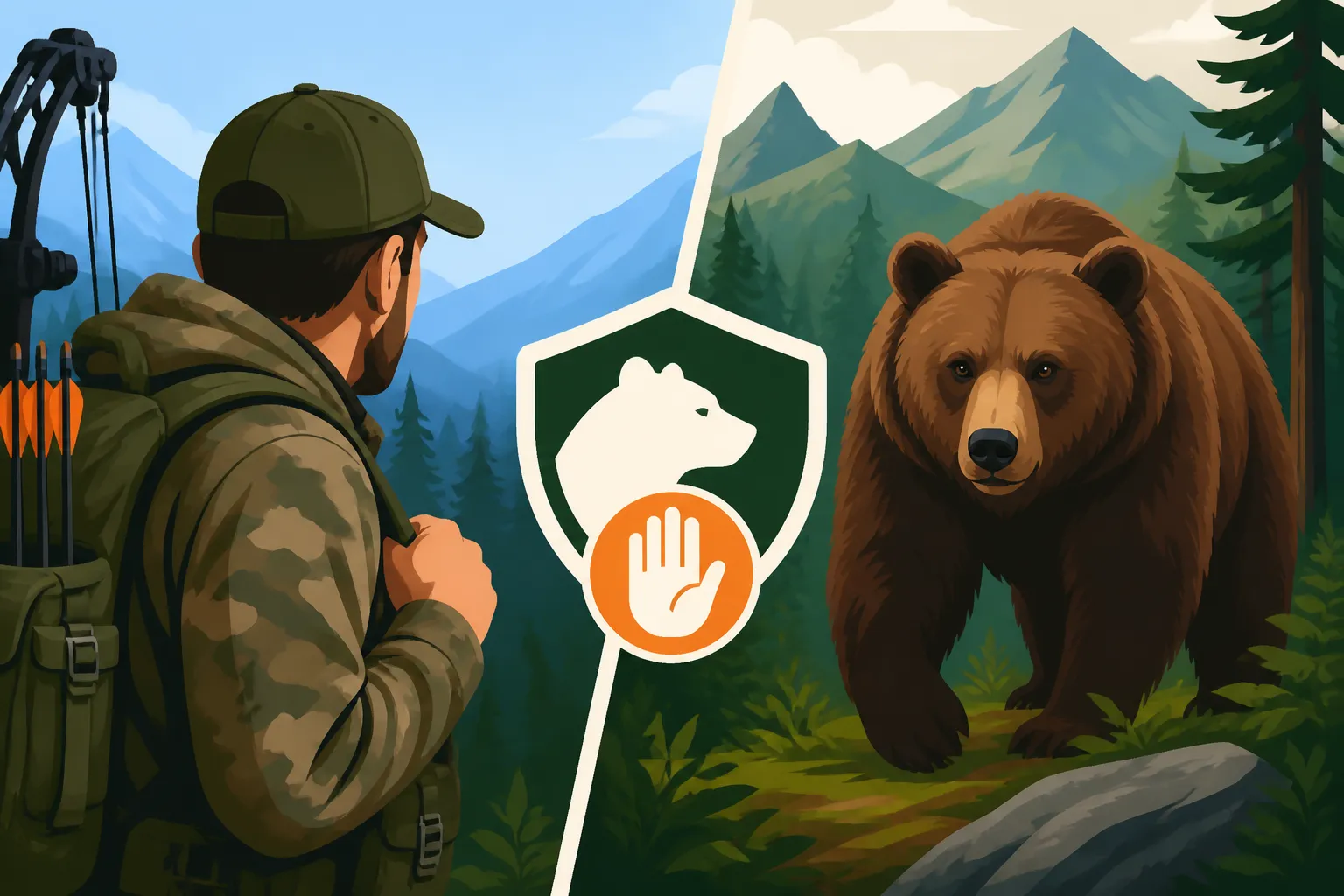
There's nothing quite like the thrill of hunting in British Columbia, whether you're chasing elusive mule deer in the Interior or stalking blacktail on the coast. But with that incredible adventure comes a very real and ever-present reality: you're in bear country. The fear of an unexpected bear encounter, especially with a sow and cubs or a territorial grizzly, can weigh heavily on a hunter's mind. This comprehensive guide is here to equip you with the knowledge and strategies to stay safe, minimize risk, and confidently navigate British Columbia's wild places.
Understanding British Columbia's Bear Landscape
Before you even step foot into the backcountry, it's vital to understand the magnificent, yet potentially dangerous, animals that share these wild spaces with us. British Columbia is home to a robust population of both black bears and grizzly bears, and recognizing their presence and patterns is the first step in ensuring your safety.
Species You'll Encounter: Black Bears and Grizzlies
When you're out hunting in British Columbia, you'll primarily be sharing the landscape with two main bear species: black bears and grizzly bears. While both are powerful animals, they have distinct characteristics and, crucially, often different behavioral patterns when encountering humans.
Black bears are generally smaller, ranging from 150 to 500 pounds, with a typically straight facial profile and prominent, pointed ears. Their fur can vary wildly in colour, from jet black to cinnamon, brown, or even a bluish-grey, making "black bear" a bit of a misnomer in terms of appearance alone. They are found throughout British Columbia, from dense coastal forests to interior grasslands and subalpine zones. Black bears are often more tolerant of human presence, but don't let that fool you into thinking they're harmless. A cornered bear, a sow with cubs, or a bear habituated to human food sources can be incredibly dangerous.
Grizzly bears, a subspecies of brown bear, are larger and can weigh anywhere from 300 to over 800 pounds, with some coastal individuals exceeding 1,000 pounds. They are easily distinguished by a pronounced shoulder hump (a mass of muscle used for digging), a dished-in facial profile, and shorter, more rounded ears. Their fur is often grizzled with lighter tips, giving them a frosted appearance, though their colour can also vary greatly. Grizzlies occupy a more restricted range than black bears, tending to prefer more remote, rugged terrain, often in the northern and eastern parts of the province, as well as significant populations along the coast. While British Columbia's Grizzly Bear Closure means they can no longer be hunted, their presence demands extreme caution. Understanding Where British Columbia's Grizzlies Are Densest can help you prepare for specific areas. These bears are often less tolerant of humans and can react defensively, especially if surprised or if they perceive a threat to their cubs or food source.
Seasonal Bear Behavior and Habitat
A bear's life revolves around the seasons, and their behaviour changes dramatically throughout the year. Knowing these patterns can help you anticipate where bears might be and what they might be doing.
In spring, usually from late March to May, bears emerge from their dens, often hungry and irritable. This is a critical time for them to find food after months of fasting. They'll frequent avalanche chutes, south-facing slopes, and valley bottoms where the first green shoots of vegetation appear. If you're on a Spring Bear Hunting British Columbia's Logging Roads, you might spot them grazing on roadside grasses. They're also often looking for winter-killed carcasses or early berries. As the season progresses, they'll seek out protein sources like newborn ungulates.
Summer sees bears, especially grizzlies, moving into higher elevations to forage on roots, insects, and early berries. Black bears will often stay lower, but both species will utilize diverse habitats. As summer transitions into fall, bears enter a period of hyperphagia, meaning they eat almost constantly to pack on fat reserves for winter denning. This is when berry patches become prime real estate, and hunters might find themselves Hunting Fall Bears on British Columbia Berry Slopes. Along the coast, salmon streams become critical food sources, drawing bears from wide areas, making areas around rivers and estuaries particularly hazardous. Knowing these seasonal movements is crucial for planning your hunt and staying safe. For example, if you're Hunting a Salmon Stream for Bears, you'll need heightened awareness.
Recognizing Bear Sign and Activity
Bears leave a lot of evidence of their presence, and learning to read these signs is a vital skill for any hunter in British Columbia. Being able to interpret fresh bear sign can tell you if you're in an active area and whether to proceed with extra caution or to re-route entirely.
Look for tracks in soft soil, mud, or dust. Grizzly tracks are generally larger and broader than black bear tracks, with claws that often extend well beyond the toes, especially on the front paws. Black bear claws are shorter and curve more, usually not extending far past the toe pads. Scat (feces) can indicate what a bear has been eating and how recently it passed through. Fresh, moist scat is a clear indicator of recent activity. During berry season, scat will be full of berries; near salmon streams, it will contain fish scales and bones.
Other signs include rubbed trees, where bears scratch their backs and leave hair, or claw marks on trees, often marking territory or used for climbing. Look for disturbed logs and rocks, indicating a bear has been tearing them apart to find insects. In berry patches, you'll see broken branches and trampled vegetation. Listening is also key; the snap of a twig, a rustle in the brush, or the sound of a bear huffing or blowing can alert you to its proximity before you see it. Always assume any fresh sign means a bear is nearby and act accordingly.
Essential Gear for Bear Safety
Being mentally prepared is one thing, but having the right tools to protect yourself is equally important. While no single piece of gear guarantees safety, a combination of effective deterrents can significantly increase your chances of a positive outcome during a bear encounter.
Bear Spray: Your First Line of Defense
Bear spray is widely regarded as your most effective non-lethal deterrent against aggressive bears. It's a highly concentrated capsaicin (chili pepper extract) irritant delivered in a powerful cloud. When deployed correctly, it can disorient and deter a charging bear, giving you precious seconds to escape.
When choosing bear spray, ensure it's specifically designed for bears and approved for use in Canada (e.g., carrying a "Pest Control Product" registration number). The best brands, like Counter Assault or UDAP, offer powerful streams and long deployment times. It’s absolutely critical that you carry your bear spray in an easily accessible holster on your hip or chest rig, not buried in your backpack. In a sudden encounter, you won't have time to rummage through your gear. Practice drawing it and removing the safety clip so that it becomes second nature. Understand its effective range (typically 25-30 feet) and spray pattern. Remember, bear spray is a deterrent, not a weapon; its purpose is to create a barrier and disorient the bear, allowing you to retreat safely. It's important to know the legalities and proper use, as well as where to purchase it.
Firearms for Bear Defense
Many hunters choose to carry a firearm for bear defense, especially in areas with high grizzly populations or when Quartering a Moose in Grizzly Country. While bear spray is often preferred for its non-lethal nature and efficacy, a firearm offers a last-resort option.
If you choose to carry a firearm for bear defense, proficiency is paramount. This isn't just about owning a large caliber; it's about being able to deploy it quickly, accurately, and under immense stress. Popular choices for bear defense include large-caliber handguns (e.g., .44 Magnum, 10mm Auto) or shotguns loaded with slugs. A rifle, while powerful, can be cumbersome for quick deployment in a surprise close-range encounter. You must also understand the legalities around carrying handguns in Canada, which require an Authorization to Carry (ATC) for wilderness protection, a permit that is difficult to obtain for most civilians. For most hunters, a shotgun or their hunting rifle, kept readily accessible, is the practical choice. Ensure your chosen firearm is kept in a condition that allows for quick and safe access, perhaps slung on your shoulder rather than in a scabbard. Proficiency with your firearm means regular practice at the range, focusing on fast target acquisition and shooting accurately from various positions. For more general advice on safety with both options, consider Bear Spray and Firearms in Camp.
Noise Makers and Deterrents
Sometimes, the simplest tools are the most effective. Making noise is often the easiest way to prevent a surprise bear encounter.
Bear bells, while popular, have limited effectiveness. Their constant jingling can be ignored by bears, and the sound might not travel far enough in dense brush or windy conditions to provide adequate warning. A much more effective noise maker is your voice; talk loudly, sing, or shout "Hey bear!" regularly as you travel, especially in areas with poor visibility or dense cover. This gives bears a chance to hear you and move away before you get too close.
Another excellent deterrent is an air horn. These devices produce a very loud, sharp blast that can startle a bear and often cause it to flee. They are lightweight, easy to carry, and can be very effective in deterring curious or aggressive bears from a distance. For camp safety, especially in grizzly country, consider bringing an electric fence system. Brands like UDAP and BearGuard offer portable electric fences that create a strong psychological and physical barrier around your camp, deterring bears from entering your immediate space. This is particularly useful when Setting a Spike Camp Above Timberline or if you plan on Hanging Meat at a Backcountry Camp overnight.
Strategies for Avoiding Bear Encounters
The best bear encounter is the one that never happens. Proactive strategies focused on prevention are always preferable to reactive defense. These strategies require discipline, constant awareness, and thoughtful planning.
Situational Awareness in Bear Country
Constant vigilance is your most powerful tool in bear country. It's not just about looking for bears, but about constantly assessing your surroundings for potential encounter points and signs.
As you move through the terrain, be acutely aware of your visibility. Dense brush, tall grass, thick timber, and blind corners on trails are all areas where a bear could be hidden, and you could stumble upon it unexpectedly. Make extra noise in these zones. Pay attention to the wind direction; bears have an incredible sense of smell, and if the wind is carrying your scent away from them, they might not know you're there until you're too close. Try to travel upwind or crosswind when possible.
Scan ahead constantly, looking for movement or unusual shapes. Even a fleeting glimpse of dark fur can be enough to give you a heads-up. Listen for sounds of rustling, huffing, or the snapping of branches. In a quiet forest, these sounds can carry surprisingly far. Hunters using binoculars or spotting scopes for game should also routinely scan the broader landscape for bear activity. This heightened state of awareness is exhausting but essential. It's easy to get focused on game sign and forget about everything else, but that's precisely when surprises happen.
Proper Food and Camp Management
Bears are opportunistic eaters, and they will be drawn to any strong scent of food or garbage. Improper food and camp management is one of the leading causes of human-bear conflicts.
When setting up camp, choose a site away from known bear trails, berry patches, or salmon streams. Ideally, set up your cooking and eating area at least 100 yards downwind from your sleeping area. Never store food, cooking gear, or scented items (like toothpaste, deodorant) inside your tent. All food and scented items should be placed in bear-resistant containers, hung from a tree using a bear bag system (at least 10-12 feet off the ground and 4 feet from the trunk), or stored in a hard-sided vehicle or bear-proof locker. Brands like BearVault or Counter Assault offer excellent bear-resistant canisters. For backpack hunters, this means rigorous planning.
Minimize food odors by cooking simple, low-odor meals and immediately cleaning up after eating. Pack out all garbage, including food scraps, and never bury or burn food waste. Even crumbs can attract small rodents, which in turn can attract bears. For Emergency Planning in British Columbia's Backcountry, proper food storage is a core component. The goal is to make your camp as unattractive and unrewarding as possible for any curious bear.
Planning Your Route and Timing
Thoughtful planning before and during your hunt can dramatically reduce the likelihood of a bear encounter. This involves knowing the terrain and understanding bear patterns.
Before heading out, research the specific Management Unit you'll be hunting in. Utilize tools like GoHunt's mapping features or the official BC government resources to identify areas known for high bear activity, such as salmon-spawning streams, dense berry patches, or traditional feeding grounds. Try to avoid these areas, especially during peak feeding times (early morning, late evening). If you must travel through them, do so cautiously and with extra noise.
Consider your timing. Bears are often most active at dawn and dusk. While these are also prime hunting times, it's worth weighing the increased risk. If possible, avoid traveling through very dense cover or riparian areas (along rivers and streams) during these hours. If you're hiking a deactivated logging road, be aware that bears often use these same corridors. If you are Hunting a Cleared Utility Corridor or an Hunting a Deactivated Road Beyond the Gate, you're walking a potential bear highway. Travel in groups whenever possible, as larger groups tend to deter bears more effectively than solo hikers.
What To Do During a Bear Encounter
Despite your best efforts, an encounter with a bear is always a possibility in British Columbia's wildlands. How you react in those critical moments can mean the difference between a harmless sighting and a dangerous confrontation. It's crucial to understand bear behaviour and respond appropriately.
Distinguishing Between Black Bear and Grizzly Behavior
The first and most vital step during an encounter is to try and identify the type of bear, as your response strategy will differ. While this can be challenging in a stressful situation, looking for key features is essential.
As discussed earlier, look for the shoulder hump, dished-in face, and short, rounded ears for a grizzly. Black bears have a straight face profile and taller, more pointed ears. Once identified, observe the bear's behaviour. Is it aware of you? Is it exhibiting defensive signs, like huffing, jaw popping, or swatting the ground? Or does it seem more curious or even predatory?
Generally, a black bear that appears aggressive is more likely to be testing you, or even exhibiting predatory behaviour, though defensive actions are also common. With a grizzly, any sign of aggression, whether a bluff charge or a defensive posture, should be taken extremely seriously. Knowing What to Do If You See a Grizzly is critical, as their size and power mean even a defensive charge can be devastating.
Defensive vs. Predatory Attacks: Reacting Appropriately
Your response depends heavily on whether the bear is acting defensively or if it appears to be a predatory attack. This distinction is often difficult to make in the moment, but it's paramount.
Defensive Bear: Most bear attacks are defensive. The bear feels threatened, usually because you've surprised it, come too close to its cubs, or are near its food source (like a carcass). Signs of a defensive bear include huffing, jaw popping, paw swatting, head lowering, and bluff charges (where the bear charges but stops short).
- Your Response:
- Stand your ground: Do not run. Running can trigger a chase response.
- Speak calmly: Use a low, calm voice to let the bear know you're human.
- Make yourself look big: Raise your arms above your head, spread your jacket.
- Back away slowly: Move sideways or diagonally, keeping your eyes on the bear. Do not turn your back.
- Use bear spray: If the bear continues to approach or charges, deploy your bear spray when it is within range (10-15 meters/30-50 feet). Aim for the face and chest.
- If physical contact occurs (Grizzly): Play dead. Lie on your stomach, clasp your hands behind your neck, and spread your legs to prevent the bear from rolling you over. Remain motionless until you are certain the bear has left.
Predatory Bear: These attacks are rare but extremely dangerous. A predatory bear views you as potential prey. Signs might include a bear following you silently, approaching confidently, or showing no defensive postures, just a steady, focused advance. Black bears are more commonly involved in predatory attacks than grizzlies.
- Your Response:
- Fight back aggressively: Do not play dead. Fight with everything you have: kick, punch, use rocks, sticks, or your firearm. Aim for the bear's face, especially the nose and eyes.
- Use bear spray: Deploy it if the bear gets close.
- Be loud and aggressive: Yell, scream, do everything you can to make yourself seem like a difficult meal.
Remember, the goal in any encounter is to deter the bear and give it space. Retreating safely is always the primary objective.
Post-Encounter Actions and Reporting
Once the immediate threat of a bear encounter has passed, your actions are still important for your safety and the safety of others.
First, take a moment to compose yourself and assess the situation. Check yourself and anyone else in your party for injuries. Even if you escaped unharmed, the adrenaline can be disorienting. Slowly and cautiously leave the area. Do not try to re-approach the bear or the site of the encounter.
It is crucial to report any aggressive bear encounter or attack to the British Columbia Conservation Officer Service (COS). You can do this by calling their RAPP (Report All Poachers and Polluters) line. The Report All Poachers and Polluters Line is a 24/7 service that helps manage human-wildlife conflicts. Provide as much detail as possible: the date, time, location (GPS coordinates are best), type of bear, its behaviour, and your actions. This information helps wildlife managers monitor bear populations, identify problem bears, and issue warnings to other backcountry users.
Specific Hunting Scenarios and Bear Safety
Hunting often puts us in situations where bear encounters are more likely, or where the stakes are higher. Being prepared for these specific scenarios is a crucial part of British Columbia bear safety.
Field Dressing and Meat Care in Bear Country
The moment you successfully harvest an animal, you've created a strong attractant for bears. The smell of blood and gut piles can draw bears from miles away.
If possible, move your animal away from dense cover and to a more open area for field dressing. This gives you better visibility and a clearer escape route if a bear approaches. Work quickly and efficiently. The faster you can process the animal, the less time there is for bears to be attracted. Remove the gut pile and ideally move it at least 100-200 yards away from the carcass and your retrieval path. Cover the gut pile with brush or dirt to minimize scent, though this is often a temporary measure.
When quartering the animal, get the meat off the bone and into game bags as quickly as possible. If you must leave meat in the field overnight, elevate it well off the ground (again, 10-12 feet high and 4 feet from the tree trunk) and away from your camp. For advice on Hanging Meat at a Backcountry Camp, ensure your setup is truly bear-resistant. Even short distances, like Getting Meat Out of Steep British Columbia Country, become complex with bear awareness. Always remember that any game meat is a prime attractant, and bears will defend their food source aggressively.
Retrieving Game in Dense or Grizzly Habitat
Retrieving a downed animal, particularly a large one like a moose or elk, from dense bush or known grizzly country presents its own unique set of challenges. This is not a task for one person.
Always return to retrieve your game with at least one other person, ideally two or more. The additional presence and noise can deter bears, and extra hands mean a faster pack-out. As you approach the kill site, make plenty of noise and scan the area thoroughly before getting too close. Use your binoculars or spotting scope from a distance to survey the area for any signs of bear activity around the carcass.
If you find a bear on your kill, it's a difficult but often necessary decision to abandon the animal. A bear that has claimed a carcass will defend it fiercely, and attempting to reclaim it is extremely risky. Sometimes, if the bear has only recently arrived, aggressively yelling and making yourself large can convince it to leave. But if the bear is already feeding or shows aggression, your life is worth more than the meat. For large animals like moose, which can take hours to process and pack out, the risk is magnified. For example, Quartering a Moose in Grizzly Country requires an extremely high level of vigilance and a well-thought-out plan. Be prepared for multiple trips, and always secure the remaining meat after each retrieval.
Backpacking and Remote Camp Safety
Backpack hunting or setting up a remote camp means you're often far from help and fully exposed to the elements and wildlife. Your safety depends heavily on your setup and habits.
When selecting a campsite, prioritize visibility and distance from bear attractants. Avoid setting up in dense berry bushes, along game trails, or near running water if it's a salmon-bearing stream. Choose a spot with good sight lines, allowing you to see any approaching animal. As previously mentioned, always cook and store food at least 100 yards away from where you sleep. This creates a "triangle" of safety: sleeping, cooking, and food storage areas are distinct and separated.
Invest in a quality bear-resistant food container (like a BearVault or similar product) that is readily accessible, or perfect your bear-bagging technique. Hang your pack containing food and scented items. Carry your bear spray and a flashlight or headlamp with you at all times, even for a quick trip to answer nature's call at night. Before settling in for the night, do a thorough sweep of your camp perimeter. In areas with high bear density, especially grizzlies, a portable electric fence can offer significant peace of mind around your tent. Even small things matter; ensure you have a clean camp and don't leave any tempting scents around your tent.
Legal and Ethical Considerations
Beyond personal safety, there are also legal and ethical responsibilities that come with hunting in bear country. Understanding these guidelines ensures you're hunting responsibly and contributing to positive human-wildlife coexistence.
Legal Use of Force for Self-Defense
While bear spray is the preferred first line of defense, knowing the legalities of using a firearm for self-defense against a bear in British Columbia is important. In Canada, the use of lethal force in self-defense, even against an animal, is generally only permissible when there is an immediate and grave threat to human life.
If you are forced to use a firearm to defend yourself against an attacking bear, you must be able to articulate that your life (or the life of another person) was in imminent danger, and that you had no other reasonable option to escape the threat. This is a very high bar. Any bear killed in self-defense must be reported immediately to the British Columbia Conservation Officer Service via the RAPP line. They will investigate the incident, and you may be required to surrender the carcass for examination. It's not a situation anyone wants to be in, but understanding the legal framework is crucial.
Respecting Bear Habitat and Minimizing Impact
As hunters, we are guests in the wilderness, and respecting the wildlife and their habitat is a fundamental ethical principle. This includes minimizing our impact on bears and their environment.
Practice "leave no trace" principles rigorously. Pack out everything you pack in, including all garbage and food scraps. Never leave any attractants behind. If you create a gut pile, try to place it as far off trails and human-use areas as possible. Avoid feeding bears, either intentionally or unintentionally through careless food storage. Bears that become habituated to human food sources often become "problem bears" and may eventually have to be euthanized for public safety.
Minimize disturbance to sensitive habitats. Be mindful of breeding grounds, denning sites, or critical feeding areas. By being a responsible steward of the land, you help maintain healthy bear populations and reduce conflicts, ensuring these magnificent animals continue to thrive in British Columbia.
Reporting Encounters and Problem Bears
Reporting bear sightings and encounters, especially aggressive ones, is not just a recommendation; it's a responsibility. This information is vital for wildlife management and public safety.
As mentioned earlier, any aggressive encounter, bluff charge, or attack must be reported to the Conservation Officer Service via The Report All Poachers and Polluters Line. Even non-aggressive sightings of bears acting unusually (e.g., repeatedly approaching humans, entering developed areas, or showing a lack of fear) should be reported. These observations help wildlife officers intervene before a bear becomes a serious public safety threat. For instance, if you happen to be on a British Columbia hunt and see a bear repeatedly checking out human camps, that's definitely something to report.
By providing timely and accurate reports, you contribute to a larger understanding of bear behaviour and distribution. This data allows authorities to issue warnings, implement management strategies, and ultimately protect both bears and humans in British Columbia's wild places. Always carry a way to communicate, like a satellite messenger, especially when you're deep in the backcountry, so you can report incidents even when out of cell service.
Disclaimer
The information provided in this guide is for general informational purposes only and does not constitute professional advice. Hunting in British Columbia involves inherent risks, and bear encounters can be dangerous. Always prioritize your safety, exercise extreme caution, and comply with all local, provincial, and federal hunting regulations. Wildlife behavior can be unpredictable, and individual situations may vary. Seek professional training in bear safety and wilderness first aid before venturing into bear country.