Hunting Elk on a Peace Country Farm Edge
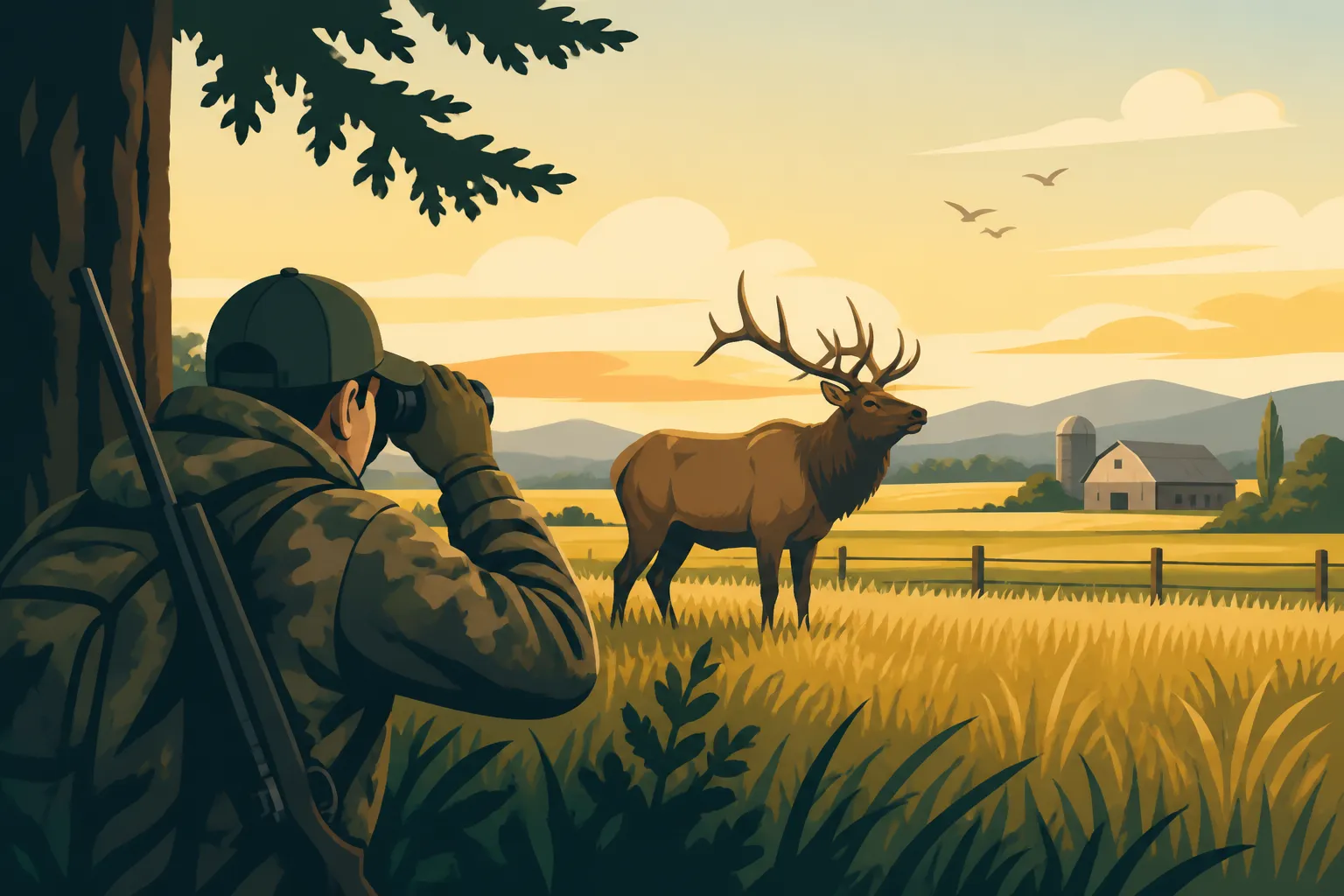
It's incredibly frustrating to spend hours glassing vast agricultural fields in British Columbia's Peace Country, only to see elk materialize from seemingly nowhere and disappear just as quickly into a distant treeline. That feeling of missing the window, of not quite understanding their rhythm, is common when you’re trying to hunt these smart animals at the interface of wilderness and farmland. This comprehensive guide will help you decode the nuanced movements of elk along Peace Country farm edges, offering practical strategies to increase your success and make the most of your time in this unique hunting landscape.
The Unique Dynamics of Peace Country Elk on Farmland
The Peace Region of British Columbia, particularly around areas like Dawson Creek and Fort St. John, presents a distinct challenge and opportunity for elk hunters. Here, sprawling agricultural fields meet dense boreal forests and aspen parkland, creating a rich mosaic where elk thrive. These animals are masters at leveraging the best of both worlds – the abundant, high-energy forage of cultivated lands and the protective cover of the bush.
Why Elk Frequent Farm Edges
Elk are opportunistic feeders, and the Peace Country's agricultural bounty is simply too good to pass up. While they are natural grazers, fields of oats, barley, alfalfa, and canola offer a concentrated food source that wild forage often can't match, especially during certain times of the year. This isn't just about food, though. Farm edges provide an intricate blend of advantages:
- Abundant Forage: After crops are harvested, waste grain can be a massive draw. Even during growing seasons, elk will browse on crop edges or make their way into standing crops for a meal. Alfalfa fields, in particular, are like magnets due to their high protein content.
- Strategic Cover: The treelines, shelterbelts, and pockets of bush that often border these fields offer excellent bedding and escape cover. Elk can feed in the open fields, then retreat quickly into the security of the forest or dense brush when disturbed or for their midday rest.
- Reduced Predation: While wolves and bears are present, the immediate vicinity of human activity on farm edges can sometimes deter natural predators, making these areas feel relatively safer for elk, especially calves.
- Water Sources: Many farms have dugouts, creeks, or wetlands that provide essential water, further enhancing the appeal of these areas for elk.
Daily and Seasonal Movement Patterns
Understanding how elk move between these critical resources is the cornerstone of successful hunting. Their patterns are generally predictable but can shift rapidly based on pressure, weather, and specific agricultural cycles.
- Dawn and Dusk Activity: As with most big game, elk are crepuscular, meaning they are most active during dawn and dusk. They'll typically emerge from their bedding areas in the timber or thick brush bordering fields in the late afternoon to feed throughout the evening, often returning to cover by early morning. However, don't discount midday movements, especially during the rut or on cloudy, cool days.
- Influence of Pressure: If hunting pressure is high, elk will become incredibly nocturnal, feeding primarily under the cover of darkness and retreating deep into thick timber well before sunrise. They might only appear in the fields for short periods, often at first and last light, making them challenging to intercept. You need to be aware of the general hunting activity in your chosen British Columbia's Management Units and Regions.
- Rutting Season Shifts: During the September and October rut, bull elk become more vocal and less cautious. They might be seen actively pursuing cows in the open fields, even during daylight hours. This is an exciting time, but still requires careful planning to avoid spooking the herd. The sounds of a bugling bull near a field edge can be an unforgettable experience.
- Wintering Habits: As snow deepens and temperatures drop, elk may congregate in larger herds. They often gravitate towards areas where food is still accessible, such as harvested fields or south-facing slopes that shed snow faster. They also rely heavily on available cover to shield them from harsh winds.
Understanding Local Habitat Interaction
The Peace Country's unique blend of ecosystems directly impacts elk behavior. Unlike the steep mountains of the Kootenays or the dense coastal rainforests, this region combines extensive agricultural development with vast tracts of boreal and aspen forest.
- Forest-Field Interface: This is your prime hunting ground. Look for areas where dense forest transitions directly into open fields. These edges are natural travel corridors and staging areas. Elk will often follow specific trails along these borders, using the tree line as a screen.
- Aspen Parkland Pockets: Interspersed within the fields are often smaller bluffs and patches of aspen. These can be crucial bedding areas, particularly for smaller groups of elk or when pressure pushes them out of larger forest blocks. These pockets can also act as natural funnels.
- Riparian Zones: Creek beds, river fringes, and wetland areas winding through agricultural land are often overlooked travel routes. The cover provided by willows and taller vegetation along these water features allows elk to move undetected across otherwise open landscapes. Consider where they would go if you're Hunting a Willow Flat in Moose Country, as similar principles apply.
Essential Scouting and Pre-Season Intelligence
Success in hunting elk on Peace Country farm edges doesn't happen by accident. It's the culmination of diligent scouting, meticulous planning, and leveraging all available information. This means getting out there long before opening day and using every tool at your disposal.
Reading Sign on the Farm Edge
When you're walking the edges of fields and into the adjacent bush, you're looking for a story. Elk leave clues everywhere, and learning to read them is like deciphering an ancient language.
- Tracks: Fresh tracks are your most valuable indicators. Look for clear, sharp hoof prints, especially where elk enter and exit fields from the treeline. Pay attention to the size and depth of the tracks – larger, deeper tracks might indicate a bull. Muddy areas, trail crossings, and access points to water sources are prime spots to find tracks.
- Scat (Droppings): Elk droppings can tell you about their diet and how recently they were in an area. Fresh scat is shiny and moist, while older droppings are dry and crumbly. If you find a lot of fresh scat, you know elk are actively using that particular corridor.
- Rub Lines: During the rut, bulls will rub their antlers on small trees and bushes to remove velvet and mark their territory. These rubs, especially if numerous and fresh, indicate a bull in the area. Look for saplings with bark stripped clean at elk-antler height.
- Well-Used Trails: Elk, like most animals, are creatures of habit. They will use the path of least resistance. Look for distinct trails leading from the bush into fields, along treelines, or connecting different patches of cover. These trails are often packed down and clear of undergrowth.
- Bedding Areas: Within the cover bordering fields, look for flattened areas in tall grass, under dense conifers, or in thick aspen bluffs. These are where elk bed down during the day. Fresh beds, especially if warm to the touch, mean you're very close.
A critical aspect of scouting is understanding the British Columbia Big Game Season Dates, as elk behavior can change significantly from early archery seasons to the colder rifle seasons.
Utilizing Technology and Topography
Modern hunting tools have revolutionized scouting, allowing you to cover vast amounts of ground from your home office before ever stepping foot in the bush. Combining these digital insights with boots-on-the-ground confirmation is a powerful strategy.
- Satellite Imagery and Digital Mapping: Tools like Google Earth or specialized hunting apps (such as those offered by GoHunt) allow you to analyze topography, identify treelines, natural funnels, potential bedding areas, and travel corridors from an aerial perspective. You can mark potential ambush spots, plan your approach routes, and identify property boundaries. Pay close attention to changes in vegetation, clearings, and water bodies. You can learn a lot from Scouting a British Columbia Management Unit Online.
- Topographical Maps: These maps show elevation changes, which are crucial for understanding how elk move through the landscape. Elk will often use saddles, ridges, and draws to move between feeding and bedding areas, especially if it keeps them out of sight. A slight elevation change, even a gentle dip in a field, can offer a crucial advantage for a stalking hunter.
- Game Cameras: Strategically placed game cameras on well-used trails or entry points to fields can provide invaluable intelligence. They can confirm elk presence, reveal their exact timing of movement (day vs. night), and even help you pattern specific animals. Just ensure you are aware of local regulations regarding game camera use.
The Importance of Landowner Relations
Hunting on private land in British Columbia, especially farm edges, hinges entirely on respectful and proactive landowner relations. This isn't just a courtesy; it's often a legal requirement and a practical necessity for access.
- Seeking Permission Early: Never assume access. Contact landowners well in advance of the season. A face-to-face conversation is always best. Be polite, explain your intentions, and be prepared to be denied. A friendly refusal is better than a trespassing charge.
- Respecting Property and Crops: Be acutely aware of property lines. Drive only on designated access roads. Never damage fences, gates, or crops. If hunting during harvest season, be extra cautious and coordinate with the farmer. Understanding British Columbia Trespass and Private Land Law is fundamental here.
- Offering Assistance: A great way to build goodwill is to offer to help. This could be fixing a fence, moving irrigation pipes, or helping with small chores. A little effort can go a long way in securing future hunting opportunities.
- Communication is Key: Inform the landowner when you plan to be on their property and when you leave. If you harvest an animal, let them know. This transparency builds trust and can lead to more opportunities down the road. Farmers are often dealing with crop damage from elk and may be keen to work with hunters who respect their land.
Tactical Approaches for Hunting Peace Country Elk
Once you've done your homework and secured access, it's time to put your plan into action. Hunting elk on farm edges demands a blend of patience, stealth, and sometimes, a little bit of deception. Your tactics will vary depending on the time of day, the specific habitat, and the pressure the elk are experiencing.
Ambush Points and Stand Placement
Sitting and waiting can be incredibly effective, especially when elk are using predictable travel corridors between feed and cover. Identifying these specific pinch points is crucial.
- Choke Points: Look for areas where dense cover narrows into a small opening or where a treeline forces elk to funnel through a particular spot. This could be a gap in a fence line, a narrow strip of timber between two fields, or a crossing point over a small creek.
- Treelines and Shelterbelts: These natural screens offer excellent concealment. Set up inside the treeline, facing the field, with the wind in your favor. Ensure you have a clear shooting lane but remain hidden from the elk's keen eyes. Morning setups should anticipate elk moving back into cover, while evening setups should focus on elk emerging to feed.
- Elevated Positions: If the terrain allows, a slight rise or knoll overlooking an entry point into a field can give you an advantage, offering a wider view and better shot angles. Just ensure you have good back cover to break up your silhouette.
- Ground Blinds: If natural cover is sparse, a well-placed ground blind can provide excellent concealment, allowing you to move subtly and minimize detection. Set it up several days or weeks in advance to let the elk get accustomed to its presence. For rifle seasons, consider the specifics of Hunting British Columbia's October Rifle Opener.
Still-Hunting and Stalking the Edges
When elk movements are less predictable, or when you want to cover more ground, still-hunting and stalking become vital strategies. This requires extreme patience, silence, and an intimate understanding of the wind.
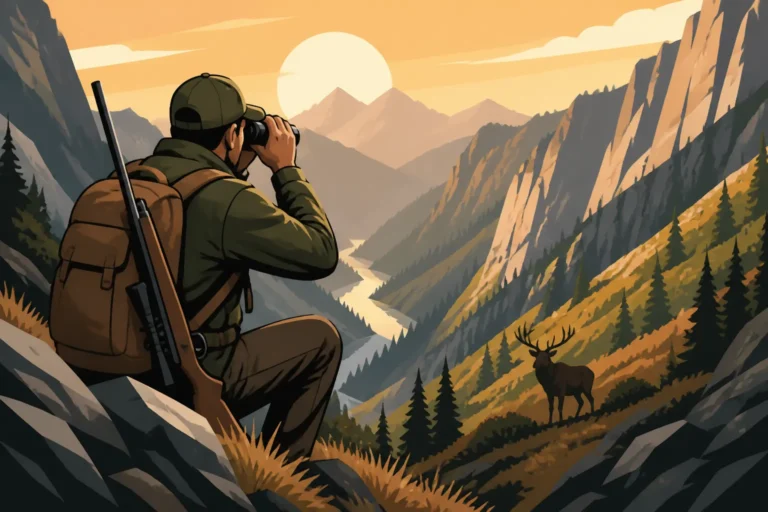
- Slow and Methodical Movement: Still-hunting means moving at a snail's pace, often taking several minutes to cover just a few yards. Stop frequently, use your binoculars to scrutinize every shadow and clump of trees, and listen intently for the subtle sounds of elk moving or feeding.
- Using Terrain and Cover: Always stay in the shadows and use the contours of the land to your advantage. Walk on the softest ground possible to minimize noise. If there's a slight dip or a small rise, use it to break up your outline. When stalking, ensure you have sufficient cover between you and the elk. This might mean crawling on your hands and knees at times.
- Wind Direction is Critical: Elk have an incredible sense of smell. Always know the wind direction and plan your approach so your scent is carried away from the elk. A slight shift in wind can blow your cover. Products and apps, like those found on GoHunt, often have wind direction tools that can be very helpful for planning.
- Edge Work: Focus your still-hunting efforts along the fringes of fields, where the bush meets the open. This is where elk spend time transitioning, browsing, and assessing danger before moving into the open. Don't be afraid to occasionally push into the bush a hundred yards or so, as elk often stage just inside the cover.
Calling Strategies in Open and Semi-Open Terrain
Calling can be incredibly effective for elk, but it requires a different approach in the more open, interspersed habitat of the Peace Country compared to dense timber.
- Strategic Cow Calls: Cow calls, like soft mews and chirps, are often your best bet, especially outside the peak of the rut. They are less aggressive than bugles and can pique the curiosity of both bulls and cows. Use them sparingly and listen intently for a response.
- Soft Bugles and Chuckles: During the rut, a soft, questioning bugle can sometimes draw in a bull that's looking for other elk. Avoid aggressive bugling initially, as it can scare off wary elk. Use herd chuckles to mimic a contented group, which might make a lone bull feel more comfortable approaching. Understanding the nuances of Calling Moose in the Rut can provide transferable skills here.
- Set Up for Success: If you're calling, always set up in a position that offers good concealment and shooting lanes, with the wind in your face. Have a partner set up 50-100 yards behind you as the "shooter," while you, the caller, draw the bull's attention past them. Elk often circle downwind to scent-check the source of the calls.
- Patience and Observation: After a call, remain absolutely still for several minutes and listen. Elk might take their time responding, or they might approach silently. Don't call too frequently. Let the elk come to you, or at least reveal their location. Sometimes, calling simply helps you pinpoint their general area, allowing you to transition into a careful stalk.
Ethical Considerations and Post-Harvest Logistics
Hunting along farm edges brings additional responsibilities. Not only must you adhere to all hunting regulations, but you also have a heightened duty to maintain good relations with landowners and ensure a clean, efficient harvest.
Minimizing Impact and Ensuring Safety
When hunting near populated areas and active farms, safety and minimal disturbance are paramount.
- Backstop Awareness: Always, always be acutely aware of your backstop. Fields can be vast, but beyond them could be farmhouses, roads, or livestock. Never take a shot unless you are absolutely certain of what lies behind your target. This is not just ethical; it's a legal and moral imperative.
- Respecting Property Lines: Double-check your location with a GPS or mapping app (like GoHunt's boundary maps) to ensure you are not trespassing on unpermitted land. Know where the property lines are, and never shoot across them.
- Minimizing Disturbance: Drive slowly on access roads, avoid making excessive noise, and ensure your presence is as discreet as possible. Farmers are often working nearby, and unnecessary commotion can be a nuisance or even a safety hazard.
- Quick Retrieval: If you harvest an animal, make every effort to retrieve it quickly and efficiently. A wounded animal disappearing into private property or dense cover is every hunter's nightmare and reflects poorly on all hunters.
Field Dressing and Meat Care Near Civilization
Once you've harvested an elk, the clock starts ticking, and proper meat care is essential, especially if temperatures are warm.
- Field Dressing Immediately: Get the animal field-dressed as quickly as possible to begin the cooling process. Remove all entrails, and if allowed, open the chest cavity to aid cooling. If you're in an area with warm early seasons, proper Meat Care in British Columbia's Warm Early Seasons is critical.
- Cleanliness: Do your best to keep the meat clean. Carry game bags to protect the quarters from dirt, flies, and debris. If you're processing the animal on site, be mindful of where the offal goes, especially if close to farm buildings or water sources.
- Cooling: In the Peace Country, early season hunts can still be quite warm. If you can't get the meat to a cooler immediately, hang the quarters in the shade, allowing air to circulate. Consider packing ice around the meat in coolers for transport.
- Compulsory Reporting: Remember that harvested elk, like other big game, require British Columbia's Compulsory Reporting Rules. Make sure you understand the requirements and timelines.
Navigating Access and Retrieval
Getting an entire elk out of the field is a significant undertaking, and even more so when hunting on or near private land.
- Coordinate with Landowners: Before you even hunt, discuss retrieval plans with the landowner. Will they allow vehicle access to the field edge for loading? Are there specific paths you should use to avoid damaging crops or disturbing livestock? Clear communication prevents misunderstandings.
- Breaking Down the Animal: In many cases, you'll need to quarter the elk in the field to make it manageable for transport. Having a good game cart or several strong helpers will be invaluable.
- Respect the Harvest: Transport the animal or its quarters discreetly. While hunters understand the process, non-hunters or those unfamiliar with hunting may be disturbed by the sight of a whole animal in the back of a truck, especially if driving through a town.
Hunting elk on a Peace Country farm edge is a challenging yet highly rewarding experience. By combining a deep understanding of elk behavior, diligent scouting, tactical hunting strategies, and an unwavering commitment to ethics and landowner respect, you can significantly increase your chances of success in this truly unique British Columbia hunting environment.
Disclaimer
Please remember that hunting regulations, seasons, and access rules can change frequently. Always consult the most current British Columbia Hunting and Trapping Synopsis issued by the provincial government before planning any hunt. This guide is for informational purposes only and does not substitute for official regulations or professional guiding advice. Stay safe, be responsible, and hunt ethically.