Waterfowl Hunting British Columbia’s Estuaries
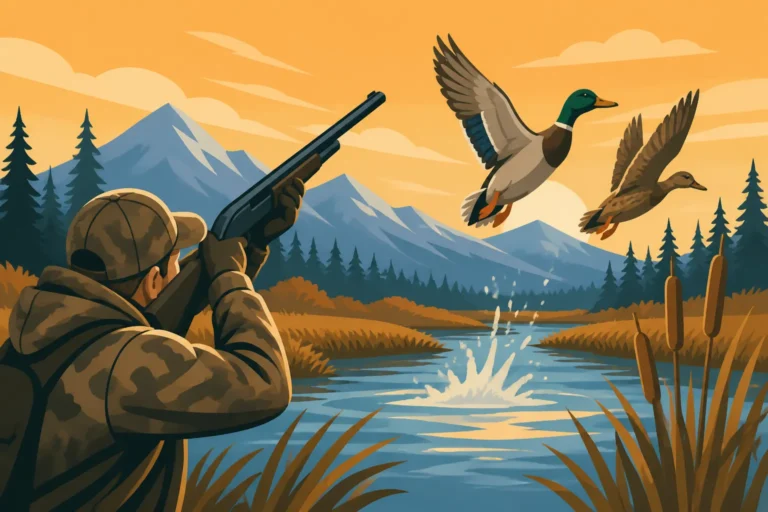
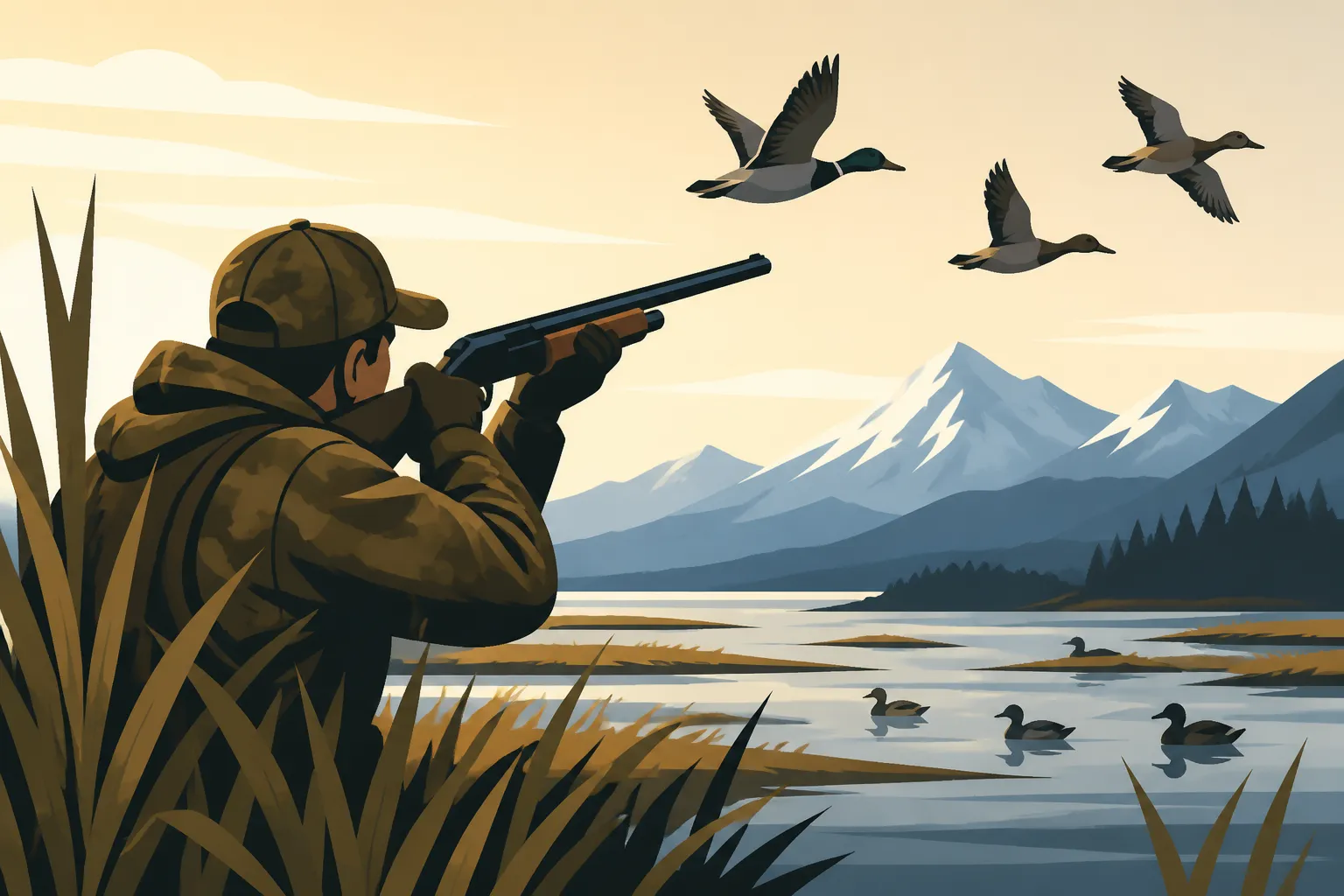
There's something truly magical, yet incredibly demanding, about chasing waterfowl on British Columbia's vast and dynamic estuaries. The sheer scale of the landscape, the unpredictable tides, and the often-harsh coastal weather can feel overwhelming, leading to frustration for even seasoned hunters. This comprehensive guide will deep-dive into what it truly takes to navigate and effectively hunt these unique coastal environments, from understanding the specific waterfowl species that call them home to mastering tidal movements and ensuring your safety.
Understanding British Columbia's Estuary Ecosystems
British Columbia's estuaries are incredibly rich and diverse ecosystems where freshwater rivers meet the saltwater of the Pacific Ocean. These unique transitional zones are magnets for migratory waterfowl, offering abundant food sources, shelter, and crucial staging areas during their epic journeys along the Pacific Flyway. However, their dynamic nature presents a distinct set of challenges for hunters.
The Unique Dynamics of Tidal Flats and Channels
Estuaries are characterized by expansive tidal flats, intricate networks of channels, and often dense marsh vegetation, all of which are profoundly influenced by the daily ebb and flow of the tides. When the tide is out, vast mudflats are exposed, revealing a buffet of marine invertebrates, shellfish, and plant matter that ducks and geese voraciously feed on. As the tide comes in, these flats become submerged, pushing birds to feed in shallower waters or seek refuge in marsh grasses and along shorelines.
Understanding these tidal movements is absolutely critical. Imagine setting out your decoys on a prime feeding flat at low tide, only to find them completely submerged and out of sight an hour later as the water rushes in. Or, worse yet, having your boat stranded on a shallow channel when the tide drops unexpectedly. The water levels can change rapidly, sometimes by several meters over a few hours, creating strong currents in channels and making navigation tricky. It's not just about when to hunt, but where to position yourself to account for the changing landscape and the birds' feeding patterns.
Habitat Features That Attract Waterfowl
Different areas within an estuary will attract different species of waterfowl, depending on their feeding preferences and behavioral patterns. Mudflats, rich in invertebrates and small crustaceans, are favoured by dabbling ducks like mallards, pintails, and widgeon, especially when the tide is low enough for them to tip up and feed. Divers, such as scaup, buffleheads, and goldeneyes, prefer deeper channels and open water, where they can dive for submerged vegetation, mollusks, and fish.
Beyond the water, the surrounding salt marshes and adjacent agricultural fields play a significant role. These areas often provide vital roosting sites, fresh water, and additional food sources like grains and grasses, particularly for geese. The Fraser River Delta, for instance, is world-renowned for its vast agricultural lands bordering the estuary, which are heavily utilized by huge flocks of snow geese, Canada geese, and various duck species. Thick cattail and bulrush beds offer sanctuary from predators and harsh weather, making them ideal places to set up natural blinds or layout boats. Understanding these specific habitat features, and how they change with the tides, is key to pinpointing where the birds will be.
Key Waterfowl Species and Their Estuary Habits
British Columbia's estuaries host an incredible array of waterfowl, each with distinct behaviours and preferences. Knowing what you're targeting and how they typically act in these environments is paramount to a successful hunt.
Decoying and Calling Coastal Ducks
When it comes to coastal ducks, you're primarily looking at a mix of dabblers and divers. Dabbling ducks, like the Green-winged Teal, American Wigeon, Mallard, and Northern Pintail, are often found in shallower waters, especially over exposed or barely submerged mudflats. They feed by tipping up, dabbling at the surface, or grazing on emergent vegetation. These species are generally more responsive to traditional duck calls, and realistic decoy spreads featuring various species can be very effective.
Divers, on the other hand, include species such as Greater and Lesser Scaup, Bufflehead, Common and Barrow's Goldeneye, and various Mergansers. These birds prefer deeper, open water where they can dive to forage for aquatic insects, shellfish, and small fish. They often raft up in large groups farther offshore. While they might not respond to calls with the same enthusiasm as dabblers, large spreads of diver decoys, often set far from shore, can pull them in. For example, a spread of scaup decoys might be placed in a main channel, while a separate spread of mallards and wigeon could be closer to a marshy edge. Understanding British Columbia's Duck Season Dates will help you plan your hunts for these different species, as opening and closing dates can vary. When hunting specific coastal zones, it's beneficial to check local regulations carefully.
Hunting Geese on Estuary Fields and Flats
Estuaries are also crucial wintering and staging grounds for several goose species, most notably Canada Geese and Snow Geese, particularly in areas like the Fraser River Delta and Boundary Bay. These birds are often found either resting on open tidal flats or actively feeding in adjacent agricultural fields. When the tide is high and covers their preferred feeding grounds on the flats, they'll often move to feed on grain or grass in nearby fields.
Hunting geese in these environments often requires a different approach than ducks. Field hunting involves large spreads of full-body goose decoys, layout blinds, and careful concealment to blend into the agricultural landscape. On the open tidal flats, hunters might use layout boats or highly effective natural blinds constructed from driftwood and marsh grass. Calling for geese involves specialized honkers and clucks. It's worth noting that Snow Geese, in particular, can be incredibly challenging to decoy due to their wary nature and large flock sizes, often requiring hundreds of decoys to entice them. Checking the specific Goose Season Dates by Region is essential, as limits and season structures for different goose species can vary significantly across BC.
Identifying Less Common Migratory Birds
Beyond the main duck and goose species, British Columbia's estuaries are also home to a fascinating array of other migratory birds that hunters might encounter. These include various sea ducks like Harlequins, Surf Scoters, and White-winged Scoters, which prefer the rougher, saltier waters of marine environments but can occasionally be found in the outer reaches of estuaries. While often tougher to hunt from shore, they are sometimes targeted by hunters using boats.
Another species you might encounter is the Brant, a smaller sea goose that feeds almost exclusively on eelgrass. Brant are not as widespread as Canada or Snow Geese, but specific estuaries that boast healthy eelgrass beds can hold huntable populations. They typically respond to decoys that mimic their unique feeding posture. Proper identification is crucial not only for ethical hunting but also for adhering to bag limits and protected species regulations. Always have a good field guide or a mental checklist of identifying features, as some species or subspecies may have different restrictions. For anyone considering Hunting Sea Ducks From a Boat, the outer estuary areas can often provide opportunities for these unique birds.
Essential Gear and Decoy Spreads for Estuaries
Hunting British Columbia's estuaries is a gear-intensive pursuit. The unique conditions demand specialized equipment that can withstand the corrosive saltwater, treacherous mud, and often-brutal coastal weather. Cutting corners on gear here can lead to a miserable, or even dangerous, experience.
Specialized Waterfowl Shotguns and Loads
When hunting in saltwater environments, your choice of shotgun is incredibly important. Corrosion is a real concern, so synthetic stocks and finishes designed to resist rust are highly recommended. Many serious estuary hunters opt for stainless steel or marine-grade cerakote finishes on their firearms. Autoloaders are popular for their fast follow-up shots, but pump-action shotguns are also reliable workhorses. Whatever you choose, rigorous cleaning and oiling after every hunt are non-negotiable to prevent rust and ensure proper function.
As for ammunition, Non-Toxic Shot Rules in British Columbia mandate the use of non-toxic shot for all waterfowl hunting. This typically means steel, bismuth, or tungsten-based loads. For ducks, 3-inch or 3.5-inch shells in shot sizes like #2, #3, or #4 steel are common. When targeting larger geese, you might step up to 3.5-inch shells with BB or BBB steel, or even larger if using bismuth or tungsten. Choke selection is also important; modified and improved cylinder chokes are versatile for most close-to-medium range decoy shots, while a full choke might be preferred for longer pass shooting opportunities. Always pattern your shotgun with your chosen loads to understand its performance.
Boat and Blind Considerations for Estuary Hunting
Accessing prime estuary hunting spots often requires a boat. The ideal vessel is stable, capable of operating in shallow water and strong currents, and able to carry all your gear and harvested birds. Jet boats are excellent for shallow river access into estuaries, while sturdy aluminum boats (often 14-18 feet) with reliable outboard motors are common. For very shallow mudflats, specialized mud motors or airboats can provide access where traditional outboards would get stuck. Remember, getting stuck in the mud as the tide comes in can be incredibly dangerous.
Blinds in estuaries can vary widely. If you're hunting adjacent fields, layout blinds are the standard. On tidal flats, layout boats designed to conceal a hunter flush with the water are very effective. Alternatively, hunters often build temporary blinds from driftwood, marsh grass, or reeds. The key is total concealment; these birds are incredibly wary. A quality camouflage pattern that blends with the local vegetation (think browns, greys, and marsh tones) is crucial. Always prioritize stability and safety in your boat setup, especially if the weather turns.
Waders and Layering for Coastal Conditions
Staying warm and dry is absolutely paramount when waterfowl hunting in British Columbia's estuaries. The combination of cold water, wind, and often incessant rain can lead to hypothermia if you're not properly dressed. High-quality chest waders are non-negotiable. Neoprene waders offer excellent insulation, while breathable waders paired with thick fleece layers underneath provide versatility for different temperatures. Look for waders with reinforced knees and durable boots to withstand walking through rough terrain and abrasive mud.
Layering is the name of the game for upper body clothing. Start with a moisture-wicking base layer (merino wool or synthetic, never cotton). Add insulating layers like fleece or down, and top it off with a waterproof and windproof outer shell. A good quality waterproof jacket and pants are essential, not just water-resistant. Don't forget waterproof gloves, a warm hat, and thick wool socks. Conditions can change rapidly, so having extra layers in a dry bag in your boat is always a good idea. Trust me, being cold and wet will quickly ruin your hunt and is a serious safety concern.
Mastering the Tides and Weather
The very rhythm of estuary waterfowl hunting is dictated by the tides and the often-unforgiving coastal weather. Ignoring these elements is not just foolish; it's a recipe for failure and potentially serious danger.
Reading Tide Charts and Understanding Currents
Successfully hunting an estuary hinges on your ability to accurately read tide charts and predict how water levels and currents will affect bird movement and access. Tide charts provide crucial information on high and low tides, including their heights and times. Websites and apps like those from Fisheries and Oceans Canada or popular hunting tools like GoHunt offer detailed tidal data for specific coastal locations, and many even predict currents. Before every hunt, study these charts diligently.
For instance, understanding when the tide is falling might mean you set up on the edge of a rapidly draining flat where ducks will concentrate to feed before moving to deeper water. Conversely, a rising tide might push ducks into smaller pockets or flood prime feeding areas. The current, especially in narrow channels or near river mouths, can be incredibly strong. Setting decoys in a strong current requires heavier weights and proper anchoring. More importantly, navigating these currents in a boat, especially a small one, requires skill and respect. You need to know when a channel will be too shallow to pass or when the current will be too powerful to motor against. Many an unwary hunter has been caught off guard, left stranded, or swept out to sea, underscoring the critical need for this knowledge. It can make or break your hunt, and your safety.
Dealing with Coastal Fog, Rain, and Wind
British Columbia's coast is notorious for its challenging weather, and estuaries are no exception. Coastal fog can roll in quickly, reducing visibility to mere meters. This can disorient hunters, make boat navigation hazardous, and even lead to getting lost on expansive flats. When fog sets in, hunting can become impossible, and finding your way back to your launch point becomes the priority. Always carry a reliable GPS or marine chart plotter, and know how to use it, even if you think you know the area like the back of your hand.
Rain is another constant companion. It can be a light drizzle or a torrential downpour, soaking unprepared hunters to the bone. As discussed earlier, waterproof gear is essential. Wind, especially when combined with rain, can make conditions truly miserable. Strong winds can create choppy water, making boat travel dangerous and forcing hunters to find more sheltered locations. Wind also plays a huge role in decoy spread effectiveness; knowing how to position your spread relative to the wind direction is key to enticing birds to land. Birds typically land into the wind, so your setup should anticipate this. Navigating Fog on a British Columbia Coast Hunt is a skill every estuary hunter must develop for safety.
Accessing and Navigating Estuary Hunting Grounds
Finding and getting to the best waterfowl hunting spots in British Columbia's vast estuaries often feels like half the battle. These are wild, expansive places, and understanding legal access, proper navigation, and scouting techniques is critical.
Boat Access and Launch Points
Many of the most productive estuary hunting grounds are only accessible by boat, and knowing where you can legally launch and operate is vital. Public boat launches are available in many coastal communities, but some prime hunting areas might require using private launches or knowing where access is restricted. For example, parts of the Fraser River Delta offer excellent waterfowl hunting, but accessing certain areas might involve specific launch points, and understanding the complex boundaries of private property versus Crown land is crucial. When it comes to Hunting From a Boat on the Coast, having a reliable vessel and understanding its limitations is paramount.
Always check local maps and regulations for launch site availability and any restrictions on vessel type or size. Some sensitive areas might have speed limits or no-wake zones. Remember that estuary waters can be silty and shallow, so scouting your approach during daylight at varying tides is a smart move before you head out in the dark before dawn. Having a plan B for alternative launch points or hunting locations is also wise, especially if weather or unexpected access issues arise.
Scouting Estuary Hunting Spots
Scouting is an indispensable part of successful estuary waterfowl hunting. It's not enough to simply show up; you need to know where the birds are feeding, roosting, and flying. This involves both digital and on-the-ground reconnaissance. Online tools are incredibly useful for initial scouting. Mapping applications and specialized hunting platforms like GoHunt can provide detailed satellite imagery of estuaries, allowing you to identify potential feeding flats, marsh edges, and flight paths from the comfort of your home. You can mark potential setup locations, analyze tidal flow, and identify access points long before you hit the water. This can save you countless hours of unproductive searching.
On-the-ground scouting, ideally outside of hunting hours, involves observing bird movements, identifying their preferred feeding areas based on tide, and looking for signs of recent activity like droppings or disturbed mud. Use binoculars or a spotting scope to observe how birds use different parts of the estuary. Are they congregating in a particular channel at high tide? Are they hitting a specific field after feeding on the flats? Pay attention to prevailing wind patterns and how they affect bird approach and landing zones. The more time you spend scouting, the better your chances of being in the right place at the right time. For detailed mapping, don't forget to check resources that can help you with Scouting a British Columbia Management Unit Online.
Navigating Complex Waterways and Regulations
British Columbia's estuaries are often a maze of channels, sloughs, and tidal creeks, some of which are navigable, others which quickly become impassable. Navigating these waterways safely, especially in low light or fog, requires a combination of good mapping, a reliable GPS, and careful attention to your surroundings. Always be aware of navigational hazards such as submerged logs, oyster beds, and rapidly shoaling areas. A good marine GPS with up-to-date charts is an invaluable tool.
Beyond physical navigation, understanding the legal framework is crucial. Estuaries often fall under a patchwork of jurisdictions, including provincial Crown land, private property, and even British Columbia Wildlife Management Area Rules. There may be specific closures, restrictions on hunting within certain distances of dwellings, or limitations on baiting. You need to be intimately familiar with the current British Columbia hunting regulations synopsis, particularly the sections pertaining to migratory bird hunting and specific management units (MUs) that cover the estuary you intend to hunt. Always carry a copy of the regulations with you and ensure you are in compliance. For those interested in Hunting a British Columbia River Estuary, understanding these rules is especially important.
Safety and Ethical Hunting Practices
Waterfowl hunting in British Columbia's estuaries offers incredible rewards, but it also carries inherent risks. Prioritizing safety and adhering to ethical hunting practices are non-negotiable responsibilities for every hunter.
Bear Safety in Coastal Environments
While you might be focused on ducks and geese, it's easy to forget that you're still in prime bear country, particularly for black bears, and occasionally grizzlies, in some coastal regions. Bears are common along the coast, often frequenting estuaries to forage for berries, roots, and salmon during runs. Encountering a bear, especially a sow with cubs, can be dangerous. Always carry bear spray and know how to use it. Make noise while walking through dense vegetation to avoid surprising a bear.
If you harvest a bird and need to retrieve it from thick cover, be extra vigilant. Bears are attracted to game carcasses, and a downed bird could be seen as an easy meal. Properly field dressing birds and handling game meat hygienically will also help minimize attractants in your camp or staging areas. For more comprehensive information, refer to Bear Safety While Hunting in British Columbia. It's always better to be over-prepared for a bear encounter than caught off guard.
Non-Toxic Shot and Conservation Efforts
As previously mentioned, Non-Toxic Shot Rules in British Columbia are mandatory for all waterfowl hunting. This regulation is a critical conservation measure designed to protect waterfowl and other wildlife from lead poisoning. Lead shot, ingested by birds, can cause severe health issues and death. By using steel, bismuth, or tungsten, hunters play a vital role in preserving healthy bird populations. Always double-check your ammunition to ensure it's non-toxic before heading out.
Beyond shot type, ethical hunting also means understanding and respecting bag limits, season dates, and species identification. It means only taking clean, ethical shots that ensure a quick kill and minimize crippling losses. It means making every reasonable effort to retrieve downed birds, even if it's challenging. These practices contribute directly to the sustainable management of waterfowl resources and ensure that future generations can enjoy the same hunting opportunities. Supporting organizations like Ducks Unlimited Canada, which actively conserve and restore wetland habitats, is another way to contribute to these vital conservation efforts.
Emergency Preparedness for Coastal Hunts
The remote and dynamic nature of British Columbia's estuaries demands a high level of emergency preparedness. Cell service is often non-existent, leaving you isolated in case of an accident or unexpected event. Always carry a fully charged satellite communication device such as an InReach or Spot device. These allow you to send SOS signals and communicate with emergency services or family members, even when out of cellular range.
Beyond communication, ensure your boat is equipped with all required safety gear, including PFDs for everyone onboard, a first-aid kit, spare paddles, a bailing device, a whistle or air horn, and a fire extinguisher. Carry extra fuel, a tool kit for minor repairs, and a spare propeller if you're venturing far from civilization. Inform someone of your hunting plans, including your intended route and expected return time. Weather Windows in British Columbia's Mountains (and coast) can be narrow and unpredictable, so always be prepared for conditions to worsen rapidly and have a plan for seeking shelter or cutting your hunt short if necessary. Your life, and the lives of your hunting partners, could depend on it.
Disclaimer
The information provided in this guide is for general informational purposes only and is not intended as legal advice. Hunting regulations in British Columbia are complex and subject to change. It is the responsibility of every hunter to consult the most current British Columbia Hunting Regulations Synopsis published by the Ministry of Forests, Lands, Natural Resource Operations and Rural Development, as well as federal migratory bird regulations, before engaging in any hunting activities. Always prioritize safety, ethical practices, and compliance with all applicable laws.