Combining a Deer and Bird Hunt
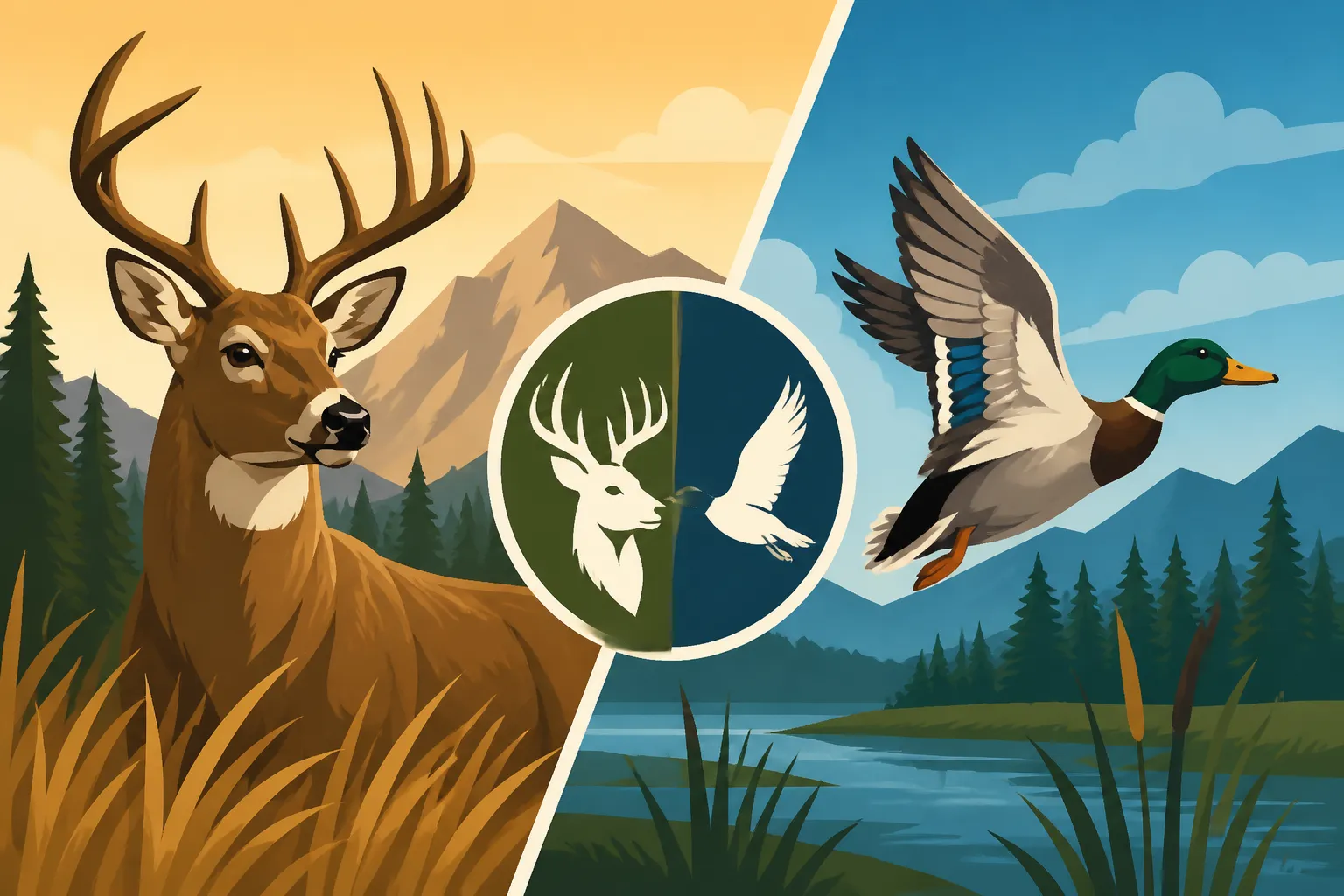
Let's be honest, as hunters, we're always looking to maximize our time in the field. British Columbia offers some truly incredible hunting opportunities, but getting there and navigating the vast landscape takes effort and planning. If you're going to put in that kind of commitment, why not get the most out of it? The idea of harvesting a beautiful deer and then capping the day with a brace of delicious upland birds is incredibly appealing. This guide will walk you through the ins and outs of combining a deer and bird hunt in British Columbia, helping you understand the possibilities and the practicalities of turning that dream into a successful reality.
The Allure and Intricacies of a Combination Hunt
There’s a unique satisfaction that comes from bringing home a mix of game from a single outing or trip. For many, it’s about making every moment in the vast British Columbia wilderness count. But while the thought of a combo hunt sounds fantastic, it’s also important to be realistic about the challenges it presents.
Why Double Down on Your Hunt?
The primary draw for combining a deer and bird hunt is sheer efficiency. You've already invested the time, effort, and expense to get into a prime hunting area in British Columbia. Perhaps you've spent days glassing a hillside for a mule deer, and the action has been slow. Suddenly, a ruffed grouse bursts from cover right beside your truck, or you hear the distinctive drumming of a blue grouse in the timber. What a waste if you weren't prepared to take advantage of that opportunity!
Combining hunts allows you to diversify your experience. Instead of solely focusing on big game, you can switch gears, giving your legs a rest from climbing mountains while still actively hunting. It can break up the monotony of a slow big game hunt, keeping spirits high. Plus, let's not forget the table fare. Fresh grouse or ptarmigan cooked over a campfire can be a welcome change from freeze-dried meals, and it adds another layer of wild game to your freezer back home. It really helps you feel like you've made the absolute most of your venture into the BC backcountry.
Navigating the Logistics Maze
While the benefits are clear, combining hunts isn't as simple as just throwing an extra box of birdshot into your pack. The biggest hurdle often comes down to regulations, gear, and tactics. Deer hunting and bird hunting, especially waterfowl, often require different firearms, different ammunition, and sometimes even different approaches to the landscape. You might be focused on spotting big game from a distance, which is a very different mindset from still-hunting thick cover for grouse.
You'll need to meticulously plan for overlapping seasons, ensure your chosen management unit (MU) allows for both species, and have all the correct licences and tags. For instance, if you're a non-resident, your process for securing a big game tag differs significantly from simply buying an upland bird stamp. This is where a thorough understanding of British Columbia's Two-Year Regulations Synopsis becomes absolutely essential. It's a dense document, but knowing it inside and out will save you headaches and potential violations.
Understanding Your Deer Hunting Opportunities
British Columbia is home to three deer species: Mule Deer, Black-tailed Deer (including Columbian and Sitka varieties), and White-tailed Deer. For a combination hunt, Mule Deer and Black-tailed Deer are often the most practical choices due to their widespread distribution and season overlaps.
Key Deer Species for Combination Hunts
- Mule Deer: Found predominantly in the Interior Plateau, Okanagan, and northern regions, mule deer are a fantastic option for a combination hunt. Their habitat often includes open timber, clearcuts, burns, and the edges of grasslands – all areas where you might also find grouse. Hunting mule deer usually involves a lot of glassing and spot-and-stalk tactics, which naturally lead to covering ground where upland birds might be flushed. Many hunters find themselves Glassing an Interior Hillside for Mule Deer, and it's not uncommon for a grouse to flush loudly nearby, momentarily startling both hunter and deer.
- Black-tailed Deer: Primarily inhabit the coastal regions, including Vancouver Island and the Lower Mainland. Hunting blacktail often means navigating dense second-growth timber, logging roads, and rugged terrain. These same environments are prime grouse habitat. You might be Still-Hunting Second Growth for Blacktail and find yourself walking up numerous grouse as you go. The seasons for blacktail often run well into the fall, providing good overlap with bird seasons.
- White-tailed Deer: While present, especially in the Kootenays and some northern areas, whitetails are generally less widespread or as targeted by general season hunters as mule deer or blacktail for a combination hunt. However, if you're in a whitetail-rich area, they certainly offer another big game option.
The key is that all these deer species can be found in habitats that also support upland birds, creating natural synergy for a combo hunt. Getting a proper British Columbia Deer Species Licence Cost will be a part of your planning.
Deer Season Overlaps and Tactics
Most general open rifle seasons for deer in British Columbia kick off in early to mid-October, running through November. This timeframe often aligns perfectly with prime upland bird seasons, which typically open in September and continue well into the fall. Archery seasons in September also present excellent opportunities for combination hunts, as grouse are plentiful and less wary earlier in the season.
Consider a typical hunting day: you might spend the first few hours of daylight intently glassing for a deer, then as the sun gets higher and deer activity slows, you can shift your focus to walking logging roads, clearcut edges, or timber stands, explicitly looking for birds. When deer activity picks up again in the late afternoon, you can revert to big game tactics. This adaptable approach allows you to maximize your time in the field.
| Deer Species | Primary Habitat | Common Combo Bird Species | Optimal Season Overlap | Typical Hunting Style |
|---|---|---|---|---|
| Mule Deer | Interior: open timber, burns, grasslands | Ruffed, Blue, Spruce Grouse | October – November | Glassing, Spot & Stalk, Still-hunt |
| Black-tailed Deer | Coast: dense second growth, logging roads | Ruffed, Blue, Spruce Grouse | October – November | Still-hunt, Walk Logging Roads |
| White-tailed Deer | Kootenays, interior river bottoms, farmlands | Ruffed, Blue Grouse | October – November | Stand Hunting, Still-hunt |
Exploring British Columbia's Bird Hunting Options
While waterfowl hunting can also be combined, it generally requires more specialized gear and very specific locations, often making it a separate endeavor. For a truly integrated deer and bird hunt, upland birds are typically the best fit.
Upland Birds: Grouse, Ptarmigan, and More
British Columbia is a fantastic province for upland bird hunting. The most common and accessible species for a combination hunt with deer are the various types of grouse and, in alpine environments, ptarmigan.
- Grouse: You'll primarily encounter Ruffed Grouse, Spruce Grouse, and Blue Grouse (now officially called Dusky Grouse and Sooty Grouse, depending on region). These birds are ubiquitous across much of British Columbia.
- Ruffed Grouse: Often found in deciduous and mixed forests, along creek bottoms, and on logging roads. They're known for their explosive flush.
- Spruce Grouse: Tend to inhabit conifer forests and are notoriously "tame," often allowing a close approach, making them a great opportunistic target.
- Blue Grouse (Dusky/Sooty): These larger grouse are often found on drier, open timber slopes, old cutblocks, and higher elevations, overlapping with prime mule deer and blacktail habitat. You might be Walking Up Blue Grouse on a Logging Road while heading to your deer stand, or Hunting British Columbia's Grouse Season on a walk back to camp.
They require minimal extra gear (a light shotgun or even a small-calibre rimfire, plus birdshot). They're often encountered in the same types of terrain you'd be traversing for deer, making them the perfect secondary target.
- Ptarmigan: For those venturing into the truly high country for sheep, goats, or high-elevation mule deer, ptarmigan (Willow, Rock, and White-tailed) are a possibility. These camouflage masters live above the timberline, and Hunting Ptarmigan in British Columbia's Alpine offers a unique challenge and delicious reward. While they are a very specific target, if your deer hunt takes you into the alpine, being prepared for ptarmigan is a natural extension.
Waterfowl and Other Game Birds
While less commonly combined directly with a stalking deer hunt, if your deer hunting base camp happens to be near a suitable marsh, lake, or coastal estuary, waterfowl can offer another dimension. Imagine a crisp fall morning, you've finished your duck hunt, and then you're off to glass a distant ridge for deer. This does add significant logistical complexity – decoys, calls, a blind, waders, and non-toxic shot requirements mean a dedicated gear load. For non-residents, ensuring you have the Federal Migratory Game Bird Permit in addition to your provincial licence is vital. While a fantastic pursuit on its own, seamlessly integrating it into a deer hunt is tougher than with upland birds.
Making Your Combination Hunt a Success
Successfully combining a deer and bird hunt hinges on meticulous planning and adaptability. It’s not just about being in the right place at the right time, but being prepared for those moments.
Gear and Preparedness
This is where many hunters face a dilemma. Do you carry a shotgun and a rifle? Or try to use one gun for both?
- Firearms: For big game, a reliable deer rifle is essential. For birds, a light 12 or 20 gauge shotgun is ideal. Carrying both can be cumbersome, but trying to use a single firearm for both can be suboptimal. Some hunters might carry a rifle and a small .22LR pistol or a break-action shotgun/rifle combo for grouse. Another option is a shotgun with a sling and a few slugs for deer, but accuracy and range are often compromised compared to a dedicated rifle. Always be mindful of Legal Rifle Calibres for Big Game and ensure your firearm choices meet all regulations.
- Ammunition: Pack appropriate ammunition for both species. Birdshot for grouse, rifle cartridges for deer. Ensure you have enough of each without overpacking.
- Clothing: Dress in layers for British Columbia's unpredictable fall weather. You'll need durable, quiet clothing suitable for walking through brush for birds, and warm, waterproof gear for potentially static glassing sessions for deer. Don't forget good boots for traversing varied terrain.
- Game Care: Bring game bags for your deer meat and a smaller game bag or cooler for birds. Knowing how to Field Dressing in British Columbia's Wet Weather for your deer, and proper handling for birds to prevent spoilage, is crucial.
Navigating Regulations and Zones
British Columbia's hunting regulations are comprehensive, and they require careful study, especially when combining species.
- Management Units (MUs): Each MU has specific regulations. Ensure the MU you plan to hunt has open seasons for both your target deer species and your chosen bird species at the same time. You can find detailed maps and regulations for these units online. Researching Reading a British Columbia LEH Zone Map (even for general open seasons) can help you understand the boundaries and rules of your chosen area.
- Season Dates and Bag Limits: Double-check the exact opening and closing dates for both deer and birds in your specific MU. Pay close attention to bag limits – how many deer tags you have, and the daily and possession limits for each bird species.
- Antler Restrictions: Many deer seasons have antler restrictions (e.g., spike-fork or 4-point). Be sure you can correctly Judging a Four-Point Mule Deer Buck or whatever the local regulation demands before taking a shot.
- Blaze Orange: Understand when and where blaze orange is mandatory for big game hunters. While often not required for bird hunting, it's a good idea to wear it when deer hunting is also a primary focus, for safety. Check British Columbia Blaze Orange and Safety Rules.
- Non-Toxic Shot: If you plan to hunt waterfowl, remember that non-toxic shot is mandatory. Even for upland birds in certain protected areas or wetlands, it may be required. Always verify.
Using tools like GoHunt's mapping and filtering features can be incredibly helpful for pinpointing specific MUs with overlapping seasons and appropriate habitats. It’s an investment in your hunt planning that pays dividends.
Strategic Location and Timing
Choosing the right location and time of year is perhaps the most critical factor for a successful combo hunt.
- Habitat Overlap: Look for areas where deer and upland birds naturally coexist. Logging roads, active or reclaimed clearcuts, mixed forest edges, subalpine fringes, and river bottoms are prime examples. These areas provide food and cover for both. Hunting a British Columbia Cutblock Edge often yields both deer sign and grouse flushes.
- Optimal Timing: Early to mid-fall (late September through October) is often the sweet spot. Deer are typically active before the rut, and upland birds are abundant and still holding in coveys or groups before heavy snow. Later in the season, deep snow can push deer to winter range and make bird hunting more challenging.
- Scouting: Prior to your hunt, use maps and online resources (like the British Columbia government hunting website) to scout potential areas. Look for recent cutblocks, timbered draws, and old logging roads. This is where Scouting a British Columbia Management Unit can really pay off. Identifying good deer habitat that also has good grouse cover is the goal.
Hiring an Outfitter or Finding a Resident Host
For non-resident hunters, the logistics of a combo hunt can be daunting. This is where the expertise of a British Columbia outfitter or a resident host operating under a Permit to Accompany Explained can be invaluable.
- Outfitters: Many British Columbia outfitters specialize in big game, but some are adaptable. When contacting an outfitter, explicitly ask if they can accommodate bird hunting as an add-on or a secondary pursuit. Some outfitters might offer specific British Columbia Combination Hunt Packages that include both. Using platforms like BookYourHunt can help you search for outfitters who list "combo hunts" or offer bird hunting as an option alongside their deer packages. They can guide you through the complex regulations and take you to areas known for both species.
- Resident Host: If you have a resident friend or family member in British Columbia who can host you with a Permit to Accompany, they can also be instrumental. Their local knowledge of accessible areas, road conditions, and game concentrations can greatly simplify your planning. Just remember, they must accompany you in the field.
A combination deer and bird hunt in British Columbia can be a profoundly rewarding experience, enriching your time in the wilderness and filling your cooler with diverse wild game. With careful planning, a good understanding of the regulations, and the right gear, you can make the most of every moment.
Disclaimer
This article is for general informational purposes only and does not constitute professional advice. Laws, prices and regulations vary by location and change over time. Consult a qualified professional for guidance on your specific situation.