Guided Bird Hunts in the Fraser Valley
Hunting game birds in British Columbia's Fraser Valley offers a unique and often rewarding experience, but the landscape of private land, limited public access, and dense human population can make it incredibly frustrating for independent hunters to find productive spots. This guide is here to shed some light on why a guided bird hunt might be your best bet in this area, detailing what you can expect, the species you'll likely pursue, and how to choose an outfitter that fits your hunting aspirations.
Why Consider a Guided Bird Hunt in the Fraser Valley?
The Fraser Valley, stretching from Hope to the mouth of the Fraser River, is a mosaic of agricultural fields, river bottomlands, urban sprawl, and pockets of rural wilderness. While rich in bird life, much of the prime habitat for game birds lies on private property, making access a significant hurdle for the average hunter. This is where a guided hunt truly shines, offering an unparalleled advantage.
Overcoming Access Challenges and Understanding Local Regulations
One of the biggest headaches for hunters in the Fraser Valley is simply where to go. Farmland often means "No Trespassing" signs, and navigating the patchwork of private and public land can be a full-time job. Guides, however, have typically spent years, if not decades, building relationships with landowners and securing permission to hunt prime fields and riparian zones. They often have exclusive access to properties that are otherwise off-limits, ensuring you're not wasting precious hunting time knocking on doors or getting turned away.
Beyond access, British Columbia's hunting regulations, especially concerning migratory birds and game bird release programs, can be complex. Rules about non-toxic shot, shooting hours, and specific zone boundaries need careful attention. A professional guide is intimately familiar with these intricacies, ensuring your hunt is not only successful but also fully compliant with all provincial and federal laws. They keep abreast of the Non-Toxic Shot Rules in British Columbia and understand the nuances of British Columbia's Released Pheasants programs, which often occur on specific, managed lands. This expertise lets you focus on the hunt, not the paperwork or potential legal pitfalls.
Leveraging Local Knowledge and Expertise
Imagine spending a crisp autumn morning trying to locate pheasants in dense cover, or finding the right decoy spread to bring in wary Canada geese. Without local knowledge, this can feel like searching for a needle in a haystack. A good guide, especially one specializing in British Columbia Waterfowl and Upland Guides, possesses invaluable insights into local bird behaviour, migration patterns, and preferred habitats. They know which fields the geese are hitting, where the pheasants are roosting, and the subtle cues that indicate a successful hunt.
They understand how weather patterns, recent harvests, or even changes in water levels can influence bird activity. This means less guessing and more actual hunting. They often bring well-trained hunting dogs, which are absolute game-changers for upland bird hunting, flushing birds effectively and retrieving downed game efficiently. For hunters who don't have their own dog, or whose dog isn't seasoned for a particular type of bird, a guide's dog is an incredible asset, maximizing your chances and minimizing lost birds.
What Species Can You Expect to Hunt in the Fraser Valley?
The Fraser Valley boasts a diverse array of game bird species, making it a fantastic destination for hunters. Depending on the season and your chosen outfitter, you can target everything from robust pheasants to cunning waterfowl.
Upland Birds: Pheasants and Grouse
The Fraser Valley is perhaps most renowned for its pheasant hunting, largely due to ongoing release programs in designated areas. These released pheasants provide exciting, fast-paced action for hunters. A guided pheasant hunt will typically take you through managed fields with a good dog working the cover. The thrill of a rooster pheasant bursting from the grass, cackling as it takes flight, is truly exhilarating. Guides often work with properties specifically managed for these birds, ensuring a consistent opportunity.
While not as prominent as pheasants, native grouse species can also be found in the valley's more wooded fringes and higher elevations. Hunting Ruffed Grouse in an Alder Bottom can be a challenging but rewarding pursuit, often encountered along forest edges, old logging roads, or dense riparian zones. Blue grouse might be found in higher, drier timber. These hunts are more about hiking and flushing, offering a different rhythm than field-based pheasant hunting. Knowing where to look for these wary birds is key, and a guide who spends time scouting outside the managed pheasant areas will know the best spots.
Waterfowl: Ducks and Geese
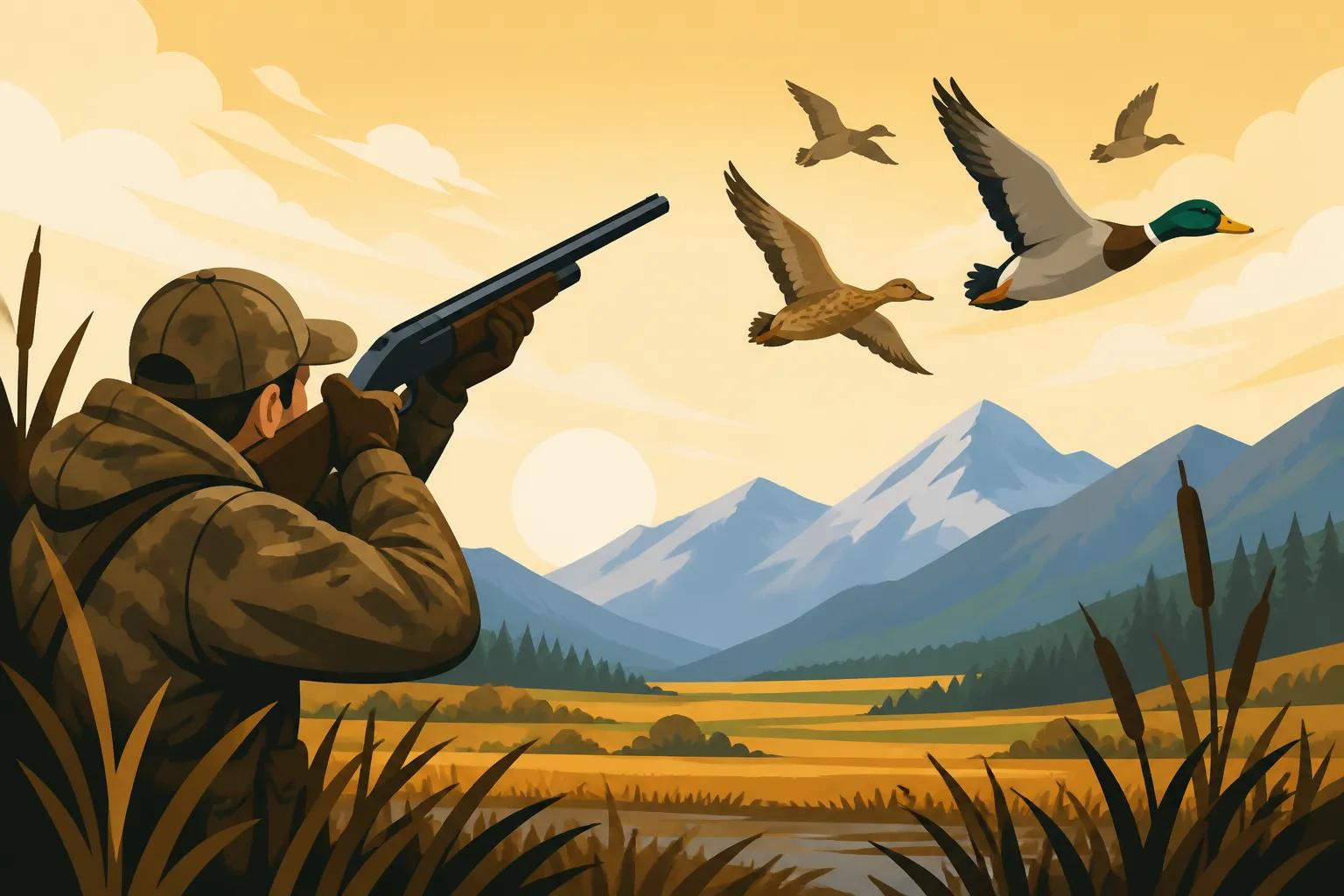
The Fraser River delta and its surrounding agricultural lands are a critical stopover and wintering ground for countless migratory waterfowl, positioning the Fraser Valley as a prime waterfowl hunting destination. Guides specializing in ducks will set up blinds in strategic locations along sloughs, marshes, or flooded fields, using extensive decoy spreads to entice various duck species, including mallards, wigeon, pintails, and gadwalls. Early morning hunts, often starting well before dawn, are common, as ducks are most active at first light. Decoying Ducks on a Coastal Estuary might offer insights, though the Fraser Valley's interior sloughs present their own unique challenges.
Geese, particularly Canada geese, are abundant in the Fraser Valley, often feeding in agricultural fields. Hunting Canada Geese on British Columbia Fields with a guide usually involves hunting from layout blinds, surrounded by large spreads of goose decoys. The sheer volume of birds can be astounding, offering incredible shooting opportunities. Some areas within the Fraser Delta also see significant numbers of snow geese, providing unique opportunities for Field Hunting Snow Geese in the Fraser Delta. A guide's expertise in understanding flight patterns, setting up convincing spreads, and calling effectively makes a huge difference in bagging these challenging birds. They'll also know which fields have been scouted and are currently active, saving you from setting up in a dead zone.
Choosing the Right Guide and Hunt Package
Once you've decided on a guided bird hunt in the Fraser Valley, the next crucial step is selecting an outfitter that aligns with your expectations and provides a safe, enjoyable, and productive experience. Not all guides are created equal, and asking the right questions upfront can save you a lot of disappointment.
What to Look For in a Fraser Valley Bird Hunting Guide
When you're looking for a guide, start by assessing their specialization. Does their primary business focus on bird hunting, or is it a sideline to big game? A dedicated bird hunting outfitter will have specific equipment, trained dogs, and a deep understanding of bird behaviour and habitat in the Fraser Valley. Don't be shy about asking for references from past clients, and make sure to follow up on those references. A reputable guide will be transparent about their operations and proud to share testimonials. Platforms like BookYourHunt can be a useful resource for finding potential outfitters, allowing you to filter by species and region. Similarly, you might find leads through hunting forums or by simply searching for "British Columbia Upland Guides" or "Fraser Valley Waterfowl Hunts."
Another critical factor is their knowledge of the specific hunting areas. A guide should be able to articulate where they will be hunting, what kind of access they have (e.g., private land leases, Crown land permits), and how they manage hunting pressure on those areas. Ask about their dogs — are they well-trained for retrieving, scenting, and are they well-behaved in the field? A good dog is often half the success of an upland bird hunt. Also, inquire about their safety protocols, especially when hunting with multiple shooters or around active farm machinery. Checking a British Columbia Guide Licence is a non-negotiable step to ensure you're dealing with a legitimate, regulated professional.
Understanding Hunt Packages and What's Included
Guided bird hunts in the Fraser Valley typically come in various packages, often structured around half-day or full-day hunts. It's vital to get a clear understanding of what's included in the price. Here's a breakdown of common inclusions and exclusions:
| Feature | Typically Included | Often Excluded (Ask!) |
|---|---|---|
| Guide & Dogs | Professional guide, trained hunting dogs | |
| Access | Access to private land / prime hunting spots | |
| Equipment | Decoys, blinds, calling gear | Shotguns, ammunition, personal clothing |
| Food & Drink | Snacks, water, sometimes lunch on full-day hunts | Alcoholic beverages, specific dietary needs |
| Game Care | Field dressing, transport of birds to a processing point | Professional bird processing, taxidermy, shipping |
| Licences & Tags | Hunting licence, species tags (pheasant/waterfowl), federal stamp | |
| Accommodation | Overnight lodging, pre/post-hunt stays | |
| Tips | Gratuities for guides/staff |
Always confirm what you need to bring yourself. This usually includes your valid British Columbia hunting licence, species tags, and any required federal migratory game bird stamps. Your shotgun and appropriate ammunition (remembering Non-Toxic Shot Rules in British Columbia for waterfowl) are also your responsibility. Some outfitters might offer shotgun rentals, but it's best to confirm this well in advance. Don't forget proper clothing suited for the coastal weather, as the Fraser Valley can be quite damp and cool during hunting seasons. A guide's package might sound appealing, but hidden costs for things like bird processing or ammunition can add up quickly if you're not aware. Resources like GoHunt might list different packages, but always reach out directly to the outfitter for the most current and comprehensive details.
Preparing for Your Fraser Valley Bird Hunt
A guided hunt is an investment, and proper preparation ensures you get the most out of your experience. From physical readiness to the right gear, a little foresight goes a long way.
Essential Gear and Clothing Considerations
The Fraser Valley weather can be notoriously unpredictable, swinging from crisp, sunny mornings to persistent drizzle or heavy rain. Dressing in layers is absolutely crucial. Start with a moisture-wicking base layer, add insulating layers like fleece or wool, and top it off with a waterproof and windproof outer shell. You'll be walking through fields, potentially wet grass, and thick brush, so sturdy, waterproof boots are non-negotiable. Good quality hunting pants that can withstand thorns and wet conditions are also a must. Don't forget a hat and gloves, even if the forecast seems mild; cold hands can make shooting difficult and uncomfortable. For insights into general BC hunting attire, you can refer to What to Wear for British Columbia's Coastal Rain.
Your shotgun should be well-maintained and patterned for the type of shooting you'll be doing. For pheasants, a 12 or 20 gauge with modified or improved cylinder chokes is common. For waterfowl, a 12 gauge with a more open choke might be suitable for decoying birds, while tighter chokes are better for pass shooting. Bring plenty of ammunition, ensuring it complies with Non-Toxic Shot Rules in British Columbia for waterfowl. Ear and eye protection are mandatory for safety. A small backpack can hold extra layers, snacks, water, and any personal items.
Physical Fitness and Realistic Expectations
While bird hunting in the Fraser Valley might not be as physically demanding as a mountain sheep hunt, it's still a physical activity. You'll be walking for hours, potentially through muddy fields, dense cover, and over uneven terrain. Being in reasonably good shape will enhance your enjoyment and effectiveness. You don't need to be a marathon runner, but the ability to walk several kilometres comfortably is a definite asset. If you're planning on a hunt that involves a lot of flushing through thick cover, a guide will appreciate a client who can keep up with the dogs.
Finally, set realistic expectations. While guides work incredibly hard to put you on birds, hunting is never a guarantee. Weather, bird movements, and even your own shooting can impact success. Focus on the experience: the camaraderie, the working dogs, the beauty of the Fraser Valley landscape, and the challenge of the hunt. Enjoy the process, learn from your guide, and celebrate every bird taken. A guided hunt is an opportunity to learn, improve your skills, and experience some of the best bird hunting British Columbia has to offer, without the headache of finding access yourself.
Disclaimer
This article is for general informational purposes only and does not constitute professional advice. Laws, prices and regulations vary by location and change over time. Consult a qualified professional for guidance on your specific situation.