Booking a British Columbia Hunt Years Ahead
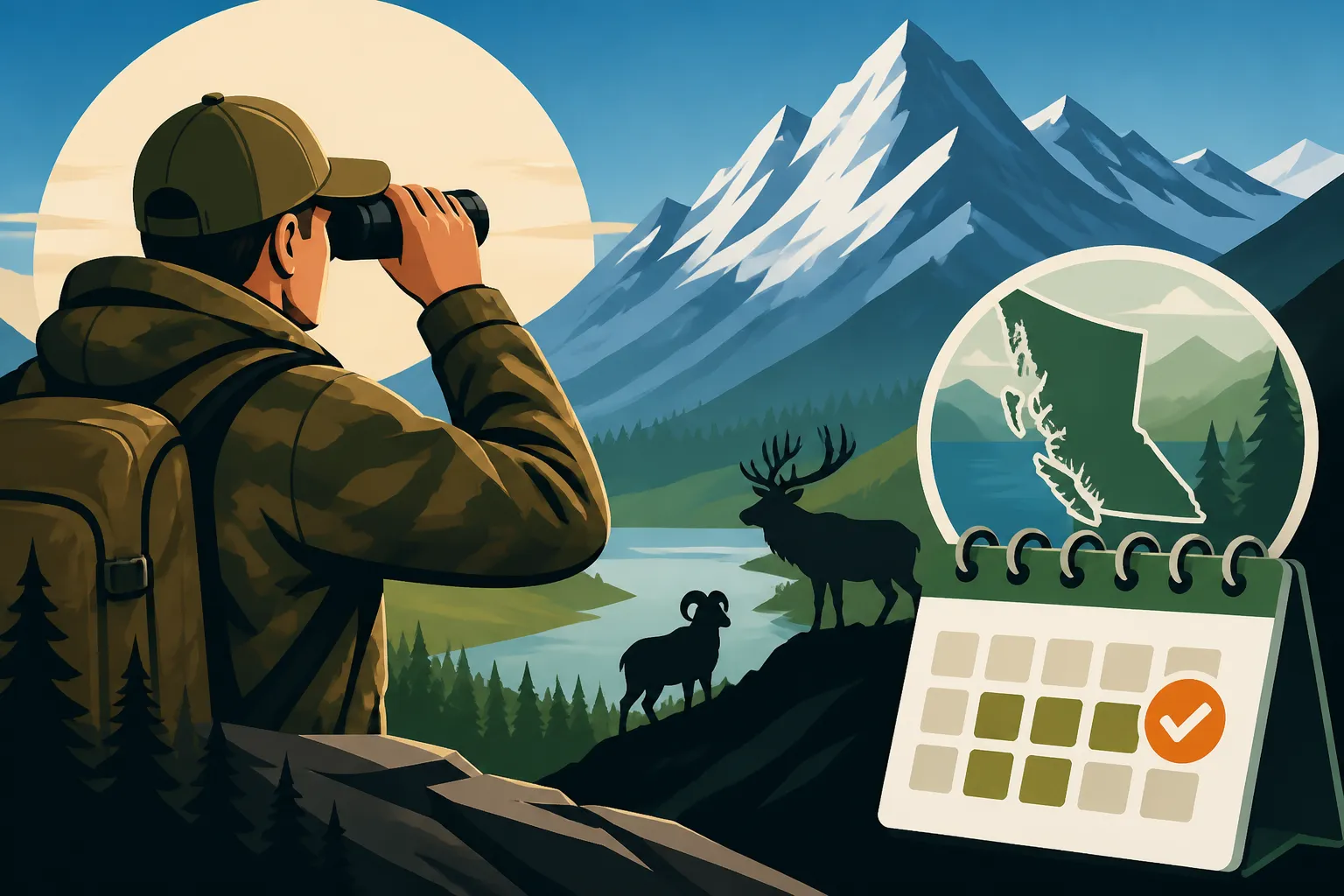
The dream of a British Columbia hunt, for many, isn't something that just pops up on a whim. It's often a long-cherished ambition, a significant investment of time and money, and something you absolutely need to plan for well in advance. If you're hoping to experience the incredible hunting opportunities our province offers, especially for highly sought-after species, you're not alone in facing the challenge of securing a spot. This guide will walk you through the realities and strategies of booking a British Columbia hunt years ahead, ensuring your adventure is everything you've dreamed of and more.
Why Booking Ahead Isn't Just a Suggestion, It's a Necessity
Let's be real, a British Columbia hunt isn't like booking a last-minute hotel room. It's a complex endeavor, and the best opportunities, whether with a guide or for residents navigating the draw system, often require foresight and patience. Many hunters, especially those new to the province or looking for a specific trophy, underestimate just how far in advance they need to lock in their plans. It’s not about being overly eager; it's about understanding the unique dynamics of hunting in our vast and wild province.
The Scarcity of High-Demand Opportunities
British Columbia is home to some truly incredible big game animals, and some of these hunts are legendary worldwide. Think Stone's sheep, giant moose, or a monster grizzly (though guided grizzly hunts are no longer available in BC, it illustrates the point of historical high demand). These animals, and the pristine wilderness they inhabit, attract hunters from every corner of the globe. This demand, combined with limited tags and specific season dates, creates a highly competitive environment. Outfitters only have so many prime weeks in a season, and only so many tags for certain species that they can offer. Once those slots are gone, they're gone for the year, and often for the next several years too.
For example, a dedicated sheep hunt, often considered the pinnacle of mountain hunting, might have a waiting list that stretches five to ten years for a reputable outfitter. It's not uncommon for hunters to put down a deposit for a hunt that's a decade away. If you're looking for a Booking a British Columbia Sheep Hunt, this kind of lead time is absolutely standard. The same often applies to certain Booking a British Columbia Moose Hunt opportunities, particularly those offering exceptional trophy potential in remote areas.
Outfitter Schedules and Operational Logistics
Guide outfitters in British Columbia run intricate operations. They have specific areas (known as guide outfitter territories) they're licensed to operate in, and within these territories, they manage their camps, staff, equipment, and access. Coordinating a full season of hunts involves a massive logistical undertaking. From hiring experienced guides and wranglers to securing horse strings or charter flights into remote areas, everything has to be meticulously planned.
When you book a hunt, you're not just reserving a tag; you're reserving a spot in this complex schedule. Outfitters need to know their bookings well in advance to allocate resources efficiently. This is especially true for specialized hunts that require unique gear, like jet boats for river access or specific types of horses for steep terrain. Many outfits have long-standing clients who re-book year after year, further reducing the availability for new hunters. It's a testament to the quality of the hunting experience that clients return, but it does mean new hunters need to get in line early.
Financial Planning and Life Commitments
Let's face it, guided hunts in British Columbia are a significant financial investment. Booking years ahead allows you ample time to save and budget effectively, spreading the cost over a longer period. Many outfitters require a substantial deposit to secure your booking, with the balance due closer to the hunt date. This staggered payment schedule can be much more manageable than trying to pay for everything all at once. For residents looking to go on a self-guided hunt, even accumulating the necessary gear, time off work, and travel costs requires significant financial planning.
Beyond the money, booking ahead also gives you time to align your personal and professional life. Taking a week or two off for a remote backcountry hunt requires coordination with work, family, and other commitments. Knowing your hunt date years in advance means you can factor it into long-term career goals, family vacations, or even major life events. There's nothing worse than having to cancel a dream hunt because you didn't have enough lead time to prepare adequately in other areas of your life.
The Timeline: How Far Ahead Should You Really Plan?
So, how far out are we actually talking about? The answer, as with most things in hunting, varies depending on the species, the type of hunt, and the outfitter you choose. There’s no single magic number, but understanding the general lead times can help set your expectations.
Two to Five Years Out: Most Big Game and Popular Seasons
For many of British Columbia's more common big game species like moose, elk, or black bear, you're generally looking at a booking window of two to five years. This is especially true for prime season dates, such as the rut for moose or elk, or the peak of spring bear activity. If you have specific dates in mind, or if your group wants to hunt together, starting your research and booking process three to four years ahead is a very good idea.
Consider popular hunts like Bugling Roosevelt Elk on the Coast or a Spring Bear Hunting British Columbia's Logging Roads. While perhaps not as extreme as sheep, the best outfitters operating in prime areas will often have these dates filled well in advance. Booking early gives you more flexibility in choosing your dates and ensures you get in with an outfitter whose reputation and hunting style align with your expectations. Don't forget to factor in the time it takes to understand British Columbia's Species Licences and Tags and any specific requirements for your chosen hunt.
| Species / Hunt Type | Typical Lead Time | Key Considerations |
|---|---|---|
| Mountain Sheep | 5-10+ Years | Extreme demand, limited tags, specialized logistics |
| Mountain Goat | 3-7 Years | High demand, specific terrain, physical challenge |
| Trophy Moose | 3-5 Years | Prime rut dates, specific regions, large animal logistics |
| Trophy Elk | 2-4 Years | Prime rut dates, specific regions, physical demand |
| Black Bear (Spring) | 1-3 Years | Prime feeding areas, good weather windows |
| Black Bear (Fall) | 1-2 Years | Berry slopes, salmon runs, less pressure |
| Mule Deer | 1-3 Years | Prime rut, specific management units |
| Black-Tailed Deer | 1-2 Years | Coastal hunts, specific islands |
| Combination Hunts | 3-5 Years | Multiple species, requires more complex outfitter coordination |
Five to Ten+ Years Out: Iconic Mountain and Trophy Hunts
This is where the truly long-term planning comes into play. If your dream is a full-curl ram, a trophy mountain goat, or a combination hunt in the most remote corners of the province, prepare for a waiting game that could easily span five to ten years, or even more. These hunts are the ultimate bucket list experiences for many, and the number of available tags and suitable hunting areas is highly restricted.
Outfitters who consistently deliver on these hunts are extremely sought after. They often have clients who book their next hunt the day they finish their current one. Websites like BookYourHunt or GoHunt can sometimes list available hunts for outfitters with openings, but for these ultra-high-demand species, direct contact and getting on a waiting list might be your best bet. It’s crucial to thoroughly research the outfitter, read reviews, and understand their Success Rates on British Columbia Sheep Hunts before committing to such a long-term booking. Patience truly is a virtue here, and the reward is often a once-in-a-lifetime adventure.
One to Two Years Out: General Open Season and Smaller Game
For resident hunters, many general open season (GOS) opportunities for deer, black bear, and some elk areas can be planned one to two years out. This gives you time to scout, organize your gear, and coordinate with hunting partners. However, even for GOS, popular areas or specific long-weekend openers can see high pressure, so early planning still pays off.
For smaller game like waterfowl or upland birds, a year out is often sufficient, especially if you're booking with an outfitter who specializes in these hunts. The demand simply isn't as high, and the logistics are less intense. However, if you have a specific time frame, like hitting the peak of the Decoying Ducks on a Coastal Estuary migration, booking twelve to eighteen months ahead is a safe bet. Even resident hunters targeting Walking Up Blue Grouse on a Logging Road will find that early season access can be busy, so planning scouting trips well in advance helps.
What to Consider When Booking Years Out
Booking a hunt so far in the future involves more than just picking a date. It requires a comprehensive approach to ensure that when the time finally arrives, you’re fully prepared and everything goes smoothly.
Researching and Selecting the Right Outfitter
This is arguably the most critical step. With years to plan, you have the luxury of in-depth research. Don’t just pick the first outfitter you find. Look for outfitters with a proven track record for the species you’re targeting. Ask for references from past clients, and actually follow up with them. Inquire about their What Happens If Weather Ruins the Hunt policies and their British Columbia Guide Insurance and Liability. You want to know that your investment is safe, and that the outfitter is professional and reliable.
Websites like GoHunt and BookYourHunt offer platforms where you can explore different outfitters, compare their offerings, and sometimes even read reviews from other hunters. However, always take the time to communicate directly with the outfitter. Discuss your expectations, your physical capabilities, and any specific goals for the hunt. An honest conversation upfront can prevent misunderstandings down the line. Remember, you'll be spending a significant amount of time, and likely quite a bit of money, with this individual and their team. A good rapport is important. You should also verify their licensing by Checking a British Columbia Guide Licence.
Financial Planning and Budgeting
As mentioned, guided hunts are an investment. When booking years out, understand the payment schedule. What is the initial deposit? When are subsequent payments due? Is there a final payment deadline? What happens if you need to cancel, and what are the refund policies? These are all crucial questions to ask. Often, deposits are non-refundable, especially for prime dates booked far in advance.
Beyond the outfitter's fee, don't forget to budget for other expenses: travel to and from British Columbia, accommodations before and after the hunt, British Columbia Hunting Licences and Fees, species tags, potential trophy fees, meat processing and shipping, taxidermy, and tips for your guide and camp staff. What a British Columbia Guided Hunt Costs is not just the sticker price of the hunt; it's the sum of many parts. Start a dedicated savings plan years ahead, and consider obtaining travel insurance that covers hunt cancellations, just in case life throws a curveball.
Physical Conditioning and Skill Development
Booking a hunt years out gives you an incredible opportunity to get into the best physical shape of your life. British Columbia’s terrain can be incredibly demanding, especially for mountain hunts for sheep or goats. Think steep ascents, long days of hiking with a pack, and potentially adverse weather conditions. Starting a consistent fitness regimen, including cardio, strength training, and hiking with a weighted pack, will significantly improve your chances of success and enjoyment.
Use the time to hone your shooting skills as well. Practice regularly with the rifle or bow you intend to use on the hunt. Become proficient at various shooting positions, especially those you might encounter in the field – uphill, downhill, from a kneeling position, or with an improvised rest. If you're coming from out of country, remember the process for Bringing Firearms Into British Columbia and familiarize yourself with Legal Rifle Calibres for Big Game or Bow Draw Weight Rules in British Columbia. The more prepared you are physically and skillfully, the more you'll enjoy the challenging yet rewarding experience British Columbia has to offer.
Managing Expectations and Staying Flexible
Even with meticulous planning, hunting is hunting, and nothing is ever guaranteed. Weather can change rapidly in British Columbia's mountains, animals can be elusive, and sometimes, despite everyone's best efforts, things just don't go as planned. Booking years ahead provides a buffer for some of these uncertainties, but it's important to go into the hunt with realistic expectations.
An ethical outfitter will never guarantee a harvest, but they will promise a dedicated effort and a quality hunting experience. Be prepared for tough days, for long hours, and for the possibility of returning home without a trophy. The true value of a British Columbia hunt often lies in the adventure itself – the stunning scenery, the camaraderie, the challenge, and the immersion in true wilderness. Staying flexible and maintaining a positive attitude, even when faced with setbacks, will ensure you make the most of your long-awaited trip.
Final Thoughts on Long-Term Hunt Planning
Booking a British Columbia hunt years ahead might seem daunting, but it’s the most effective way to secure your spot for a truly memorable experience. It requires commitment, patience, and diligent preparation, but the rewards are immeasurable. Whether you're dreaming of stalking a bighorn in the Rockies or calling a bull moose in the northern wilderness, start planning today. The wild places and incredible animals of British Columbia are waiting, but they won’t wait forever.
Disclaimer
This article is for general informational purposes only and does not constitute professional advice. Laws, prices and regulations vary by location and change over time. Consult a qualified professional for guidance on your specific situation.