British Columbia Guide Training and Certification
For many who live and breathe British Columbia's wild places, the idea of turning that passion into a profession, specifically as a hunting guide, is incredibly appealing. But getting there isn't just about knowing how to track a moose or glass a mountainside; it involves a structured path of training and certification that can feel a bit daunting and unclear. This guide is here to demystify the process, walking you through everything you need to know about British Columbia guide training and certification so you can confidently pursue your dream of leading hunters in this stunning province.
Why Become a British Columbia Hunting Guide?
Becoming a certified hunting guide in British Columbia isn't just a job; for many, it's a calling. It's an opportunity to immerse yourself in the wilderness, share your deep knowledge of the land and its wildlife, and facilitate unforgettable experiences for others. But beyond the romantic notion, there are tangible benefits and responsibilities that come with this unique role.
The Allure of the Backcountry Office
Imagine your office being a vast, pristine mountain range, a dense coastal rainforest, or an expansive northern bush. That's the daily reality for a British Columbia hunting guide. You're constantly challenged, learning, and adapting to the ever-changing environment. This isn't a 9-to-5 desk job; it's a lifestyle that demands grit, resilience, and an unwavering love for the outdoors. You become intimately familiar with specific management units, understanding the nuances of how game moves, where they feed, and how weather impacts their behaviour. It's a continuous education in ecology, tracking, and survival. Every sunrise in a remote camp, every successful stalk, and every shared campfire story reinforces why you chose this path. It's a demanding profession, requiring long hours, physical exertion, and often significant time away from home, but the rewards—the connection to nature, the camaraderie with clients, and the personal growth—are immense.
Contributing to Conservation and Ethics
As a guide, you're not just a hunting facilitator; you're a steward of the land and an ambassador for ethical hunting practices. You play a crucial role in ensuring that hunts are conducted legally, safely, and sustainably. This means educating clients, reinforcing strict adherence to regulations, and setting an example for responsible wildlife management. Guides often work closely with outfitters who manage vast territories, and their efforts directly contribute to the long-term health of game populations and habitats. You're on the front lines, observing wildlife trends, identifying potential issues, and practicing selective harvest that aligns with conservation goals. This commitment to conservation is a cornerstone of the guiding profession in British Columbia, ensuring that future generations can also experience the incredible hunting opportunities the province offers. It’s a privilege and a responsibility that guides take very seriously, understanding that their actions reflect on the entire hunting community.
The Core Requirements for British Columbia Guide Certification
Before you can lead clients into the British Columbia wilderness, there are specific qualifications and training requirements you must meet. These are put in place to ensure that every guide is competent, safe, and knowledgeable, upholding the high standards of the province's guiding industry.
Age, Residency, and Foundational Knowledge
To even begin the journey, you must be at least 19 years of age. This ensures a certain level of maturity and responsibility, which is absolutely critical when you're responsible for the safety and success of others in potentially challenging environments. Beyond age, you must also be a Canadian citizen or a permanent resident of Canada. This residency requirement underscores the province's commitment to developing local expertise and ensuring that those guiding understand the specific context of British Columbia's hunting landscape and regulations.
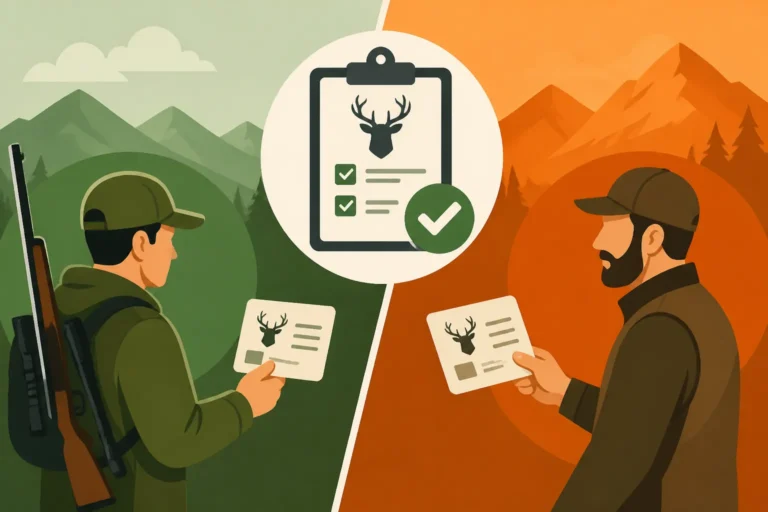
A critical component of foundational knowledge is possessing a valid British Columbia Hunter Number (FWID) and having successfully completed the Conservation and Outdoor Recreation Education (CORE) program or an equivalent hunter safety course recognized by British Columbia. The CORE exam covers crucial aspects like firearms safety, wildlife identification, hunting regulations, ethical hunting practices, and survival skills. It's not just a hoop to jump through; it's the bedrock of responsible hunting. You really need to know your stuff when it comes to British Columbia's CORE Exam and FWID because it's the first step in proving you understand the provincial expectations for hunters and, by extension, guides. This knowledge forms the basis of what you'll be teaching and enforcing in the field.
First Aid and Essential Skills Training
Hunting in British Columbia, especially in remote areas, comes with inherent risks. From minor cuts and scrapes to more serious injuries, or even unexpected medical emergencies, a guide must be prepared to handle a wide range of situations. Therefore, holding a valid advanced wilderness first aid certificate is not just recommended, it's a mandatory requirement. This isn't your basic urban first aid; it's specialized training designed for scenarios where professional medical help might be hours or even days away. It covers topics like prolonged patient care, evacuation techniques, and managing environmental emergencies. This training directly translates to keeping your clients safe and knowing what to do if the unexpected happens deep in the backcountry. Think about a sprained ankle miles from the nearest road, or an allergic reaction in camp; your first aid skills could be life-saving.
In addition to first aid, while not always a hard-and-fast certification like CORE or first aid, a strong understanding and demonstrated proficiency in essential outdoor skills are vital. This includes navigation using maps, compass, and GPS, safe firearm handling, proper game care and field dressing, camp setup and management, and proficiency in various modes of backcountry travel such as horseback riding, boating, or ATV operation, depending on the outfitter’s needs. Knowing how to set a spike camp above timberline efficiently, or how to quarter a moose in grizzly country are practical skills that come from experience but are often reinforced through professional development and mentoring. Outfitters often look for guides who are not just skilled hunters but also highly capable outdoorspeople. Many guides continue to refine these skills throughout their career, sometimes seeking additional certifications in specific areas like swiftwater rescue for river-based hunts or advanced firearm safety.
Navigating the Application and Renewal Process
Once you've met the core requirements, the next step is to officially apply for your guide certification and understand the ongoing responsibilities of maintaining it. This administrative side is just as important as your field skills for ensuring you can legally operate.
Submitting Your Application and Documentation
The application process for a British Columbia assistant guide licence involves submitting a comprehensive package to the provincial government. This typically includes proof of your age and residency, copies of your CORE certificate and advanced wilderness first aid certificate, and often letters of recommendation from established outfitters or other guides who can vouch for your experience and character. You'll also need to complete the official application form, which gathers all your personal details and confirms your understanding of the regulatory framework. It's worth noting that guides work under the umbrella of a licensed guide outfitter, so securing employment or an agreement with an outfitter is often a parallel process. Outfitters themselves have British Columbia Guide Outfitter Licensing Rules that they must adhere to, and your certification forms part of their operational compliance. The province reviews these applications carefully, ensuring that every individual who receives a guide licence meets the stringent criteria designed to protect both the public and wildlife resources. Don't be surprised if there's a processing period involved; thorough checks take time.
Maintaining Your Certification and Continuing Education
Guide certification isn't a one-and-done deal; it requires ongoing maintenance. Your guide licence will have an expiry date, and it's your responsibility to renew it before it lapses. This typically involves reapplying and ensuring all your supporting documentation, particularly your first aid certificate, is still current. Some guides might also be required to complete specific refresher courses or demonstrate continued proficiency in certain skills. The hunting regulations in British Columbia, as with any jurisdiction, can change, sometimes subtly, sometimes significantly. It's imperative for guides to stay completely up-to-date on all rule changes, bag limits, season dates, and reporting requirements. This commitment to continuous learning ensures that you are always providing accurate information and leading hunts that are fully compliant. Resources like the official British Columbia Hunting and Trapping Regulations Synopsis are your bible, and staying informed can be the difference between a successful, legal hunt and a costly violation. For example, if you're exploring new areas, an understanding of How Management Unit Numbers Work and knowing Reading a British Columbia LEH Zone Map are critical and always evolving with new information and policies.
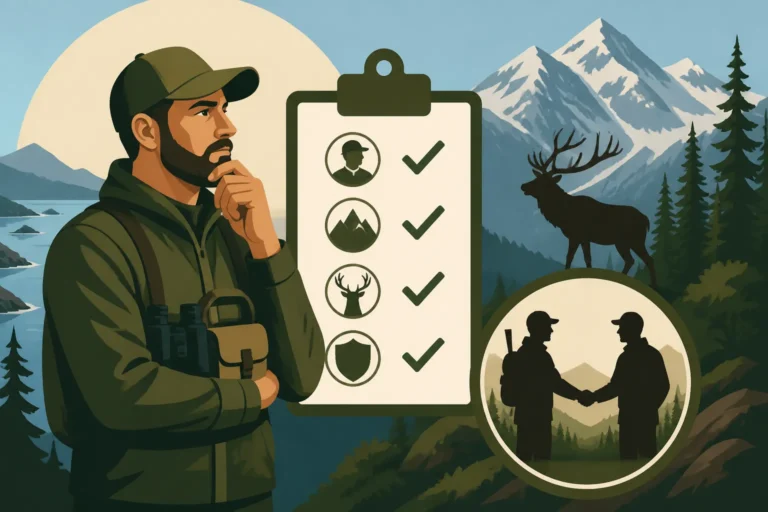
Here’s a simplified breakdown of the common requirements:
| Requirement | Details | Documentation Needed |
|---|---|---|
| Minimum Age | 19 years old | Government-issued ID |
| Residency | Canadian Citizen or Permanent Resident | Proof of citizenship/residency |
| Hunter Education | Valid British Columbia Hunter Number (FWID) & CORE Certification | CORE Certificate, FWID |
| First Aid | Valid Advanced Wilderness First Aid Certificate | First Aid Certificate |
| Employment | Must be employed by, or have an agreement with, a licensed Guide Outfitter | Letter from Outfitter (often required for final license) |
| Application Form | Completed official application for Assistant Guide Licence | Completed application form |
| Clean Record | No disqualifying criminal convictions or wildlife infractions | Background check, declaration on application |
| Renewal Frequency | Typically annual or biennial, varies | Reapplication, updated certificates |
| Ongoing Knowledge | Up-to-date on current hunting regulations and policy changes | Personal responsibility, regular review of synopsis |
Beyond Certification: What Makes a Great BC Guide?
While certification covers the legal and foundational aspects of guiding, truly excelling in this profession demands much more. It requires a blend of deep practical experience, exceptional people skills, and an unwavering commitment to safety and client success.
Field Experience and Practical Wisdom
There’s a world of difference between knowing something from a book and understanding it through countless hours in the field. Practical wisdom comes from years of experience observing animal behavior, navigating challenging terrain, and adapting to unpredictable weather. It's about knowing instinctively where a bull moose will be feeding on a specific kind of willow in late September, or how a slight change in wind direction can completely alter a stalk on a mule deer. This is the kind of insight you gain by repeatedly putting in the time, making mistakes, and learning from every single outing. A great guide can read the landscape like an open book, interpreting subtle signs that an inexperienced hunter would completely miss. They understand the intricacies of Hunting a British Columbia Cutblock Edge or how to best approach Hunting a Subalpine Basin at First Light. This experience also builds confidence, not just in your own abilities, but in your clients' trust in your leadership, which is absolutely vital when things get tough.
Moreover, practical wisdom extends to equipment and logistics. A seasoned guide knows what gear stands up to the rigors of a multi-day backcountry hunt in coastal rain, how to maintain a reliable camp in freezing conditions, and what spares to carry for every possible mechanical breakdown on the way in. They’re problem-solvers on the fly, able to assess a situation and come up with a workable solution, whether it's dealing with a broken down vehicle deep on a deactivated logging road or figuring out how to get a heavy moose out of steep country. This level of preparedness and adaptability is what elevates a certified guide to an exceptional one.
Communication, Safety, and Client Care
Guiding is as much about managing people as it is about hunting. Excellent communication skills are paramount. You need to be able to clearly explain hunting strategies, relay safety instructions, manage expectations, and effectively communicate with diverse clients who might come from various backgrounds and have differing levels of hunting experience. Empathy is also key; understanding that a client might be tired, frustrated, or simply overwhelmed by the wilderness allows you to adjust the pace and approach accordingly. You're not just a leader; you're also a motivator, a teacher, and sometimes, a therapist.
Safety is non-negotiable. A great guide constantly assesses risks, from Bear Safety While Hunting in British Columbia to navigating difficult terrain or crossing swollen rivers. They implement rigorous safety protocols, ensure clients understand and follow them, and have robust Emergency Planning in British Columbia's Backcountry. This includes being proficient in satellite communication on a remote hunt, knowing how to call for help, and having a plan for every conceivable emergency. A guide’s primary responsibility is to bring everyone home safely, regardless of whether a trophy animal was harvested.
Finally, client care goes beyond just finding an animal. It’s about creating a positive and memorable experience, regardless of the hunt’s outcome. This means being attentive to their needs, being patient, and fostering an atmosphere of camaraderie and enjoyment. A guide needs to understand that not every client has the same fitness level or experience, and tailor the hunt to their capabilities while still pushing them safely towards their goals. It means celebrating small successes, providing encouragement, and making sure the entire journey is as rewarding as the destination. Many outfitters list their hunts on platforms like BookYourHunt or GoHunt, and positive client experiences and testimonials are what drive future bookings. A guide who consistently delivers on client care quickly becomes an invaluable asset to any outfitting operation.
Disclaimer
This article is for general informational purposes only and does not constitute professional advice. Laws, prices and regulations vary by location and change over time. Consult a qualified professional for guidance on your specific situation.