Best Weeks for a British Columbia Sheep Hunt
Trying to pin down the absolute "best" week for a British Columbia sheep hunt can feel like chasing a phantom, especially when you're investing so much time, energy, and resources into what might be a once-in-a-lifetime adventure. The truth is, there isn't one single magical week that guarantees success for every hunter, every year. This guide will walk you through the various factors that influence when rams are most accessible and active, helping you understand how to approach planning your hunt to maximize your chances in British Columbia's rugged sheep country.
Understanding British Columbia's Sheep Season Framework
Before you can even begin to think about the "best" week, it's crucial to grasp the overarching regulatory framework for sheep hunting in British Columbia. Unlike some other species, sheep seasons are often quite specific and vary significantly depending on the species and the management unit you're targeting. This complexity means that your first step is always to consult the current regulations.
Species-Specific Season Dates
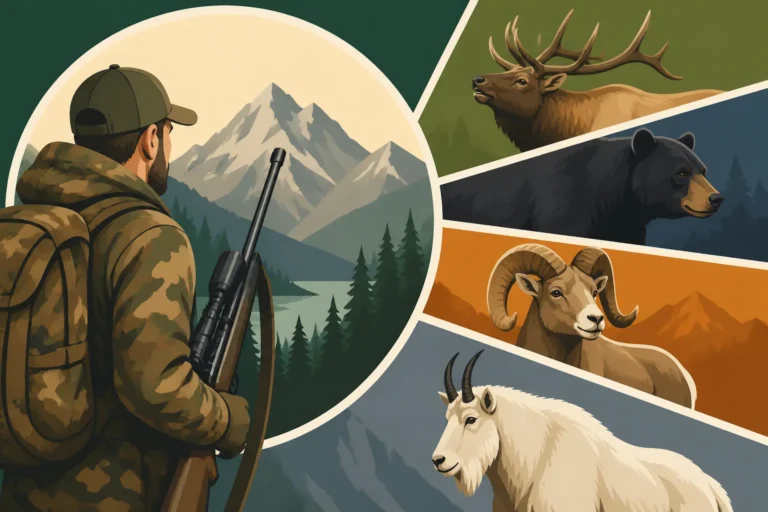
British Columbia is home to several incredible wild sheep species: Rocky Mountain Bighorn, California Bighorn, and Stone's Sheep. Each of these species often has distinct season dates, and even within a species, different regions or management units (MUs) can have varying open periods. Generally, sheep seasons in British Columbia typically open in August and can run through late September or even into early November in some areas. Early season hunts (August into early September) are common, but later hunts (mid-September through October) offer different challenges and opportunities.
For instance, a Stone's Sheep hunt up in the far north of the province might have a season that opens on August 1st and closes mid-October. Meanwhile, a Rocky Mountain Bighorn hunt in the Kootenays might open on September 1st and close at the end of October. These dates are set with conservation in mind, taking into account breeding cycles, winter range considerations, and hunter access. The specific opening and closing dates for any given management unit and species will dictate your earliest and latest possible hunt windows. You'll want to review Mountain Sheep Season Dates and Curl Rules carefully to ensure you're compliant.
General Open Seasons vs. Limited Entry Hunting
Adding another layer of complexity, British Columbia employs both General Open Seasons (GOS) and Limited Entry Hunting (LEH) for sheep. Many of the premier sheep hunting opportunities, especially for the coveted Stone's Sheep and some Bighorn units, are allocated through the LEH draw system. If you're successful in drawing an LEH authorization, that specific authorization will have a defined hunting period, which could be a narrow window or a broader multi-week span within the larger general season.
For hunters pursuing sheep on a GOS, you have more flexibility within the open dates, but these units often come with their own set of challenges, such as more remote access or lower ram densities, depending on the area. The "best week" then becomes less about a universal calendar date and more about when your specific tag is valid and when conditions in your hunting area are most favourable. This is where researching individual management units and understanding their specific rules becomes paramount. If you're considering an LEH area, understanding How British Columbia's LEH System Works is vital long before you ever think about hunt timing.
Key Factors Influencing Ram Activity and Accessibility
Once you understand when you're legally allowed to hunt, the next step is to consider the environmental and biological factors that truly make one week "better" than another for sheep hunting. This isn't about arbitrary dates; it's about ram behaviour, weather patterns, and the rugged terrain they inhabit.
Ram Behaviour and Grouping Patterns
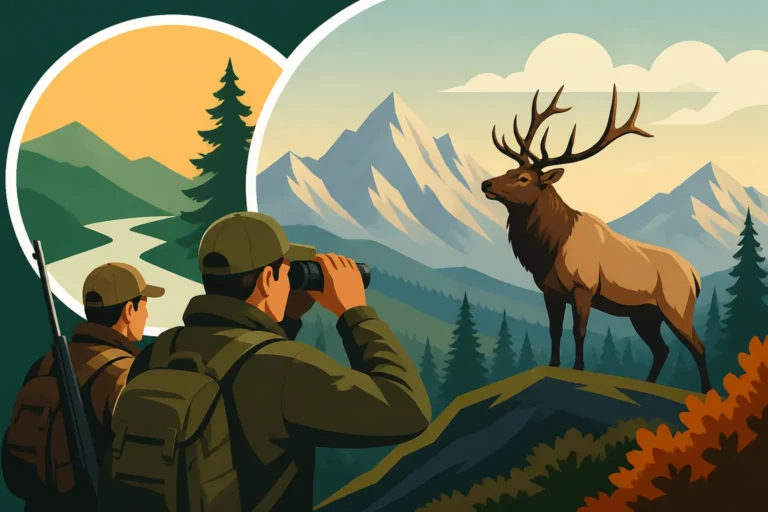
Sheep are creatures of habit, and their behaviour changes throughout the hunting season. In the early season, typically August and early September, rams are often found in bachelor groups, high on summer ranges. They are generally focused on feeding and recuperating after the previous year's rut, growing out their coats and putting on condition. They might be more predictable in their feeding patterns, often moving from bedding areas to prime grazing spots. This period can be excellent for glassing and pattern recognition. You might find several rams together, making it easier to evaluate horn growth and determine if a ram is legal to harvest. Judging a Full-Curl Ram in the Field becomes a critical skill during this time.
As the season progresses into late September and October, rams may start to move into what's considered a pre-rut phase. While the main sheep rut in British Columbia typically peaks later in November and December, outside of the general hunting season, rams will begin to display more interest in ewes as the days shorten. They might break up into smaller groups or even become solitary, ranging more widely as they seek out ewe bands. This can make them harder to locate consistently, but also potentially more active and less cautious if you happen to find them. Understanding the ram's seasonal movements can make a huge difference in your success.
Weather Conditions and Their Impact
Weather is arguably the biggest wildcard in British Columbia's mountains, especially when hunting sheep. Early season hunts can mean warm, sometimes scorching, temperatures, which can make the strenuous climbs even more demanding. Water sources might be scarce, and game meat care becomes a significant concern. However, early season also typically means stable weather, less snow, and easier access to higher elevations.
Conversely, late season hunts in October can bring sudden, dramatic shifts. Early snowfalls can push sheep down to lower elevations, sometimes making them more accessible from certain access points. However, these same snowfalls can also make travel dangerous, obscure game, and even shut down access roads. Freezing rain, high winds, and dense fog are all possibilities. While a fresh blanket of snow can make sheep stand out visually, it can also create treacherous footing and miserable conditions for the hunter. Many hunters target late September or early October, hoping for cooler temperatures and potentially some snow to aid in spotting, without the full-blown winter conditions that can lock up the mountains. Hunting Above Timberline in Cold Weather or Hunting British Columbia's Alpine in Early September are good resources to mentally prepare.
Vegetation and Terrain Accessibility
The high alpine environments where sheep reside undergo significant changes through the hunting season. In August, the alpine meadows are often lush with green feed, and rock slides are relatively free of snow. This can make for good visibility and relatively clear travel. As September wears on, vegetation starts to die back and turn yellow, which can sometimes make animals stand out, but it can also remove some of their cover.
By October, many of the higher alpine areas can be dusted with snow or even completely covered, drastically altering travel conditions. Passes that were easily traversed in August can become impassable. This affects not only your ability to get to the sheep but also their ability to move. They might be forced onto specific wind-swept ridges or south-facing slopes, which can sometimes concentrate them, or make them completely unapproachable depending on snow depth. Knowing how to read the terrain and how snow impacts it is crucial. This is where resources like GoHunt can be invaluable for studying terrain features and historical weather patterns to give you an edge.
Weighing the Pros and Cons: Early Season vs. Later Season Hunts
Given the dynamic factors at play, it's helpful to compare the general characteristics of early versus later season sheep hunts. Neither is inherently "better"; they simply offer different experiences and challenges.
Early Season Advantages and Challenges (August to Mid-September)
Advantages:
- More Predictable Weather: Generally drier, warmer, and more stable weather conditions, making for more comfortable hiking and camping, and reducing the risk of being snowed in.
- Easier Access: High mountain passes are usually snow-free, allowing easier foot or horseback travel to prime sheep habitat. Roads are less likely to be closed due to snow. Horseback Hunting British Columbia's Backcountry might be a consideration.
- Rams in Bachelor Groups: Often easier to locate and observe multiple rams together, allowing for better trophy assessment. Rams are generally more focused on feeding.
- Longer Daylight Hours: More time in the day for glassing, hiking, and stalking.
- Better Visibility: Less fog or heavy cloud cover compared to later in the fall.
Challenges:
- Warmer Temperatures: Can make strenuous physical exertion more difficult and increases the urgency for proper Meat Care in British Columbia's Warm Early Seasons.
- Flies and Bugs: Can be prevalent and annoying, especially at lower elevations.
- Green Vegetation: Can sometimes make spotting animals harder as they blend in more.
- Less Ram Movement: Rams might be less active and prone to lying up for longer periods during the heat of the day.
Later Season Advantages and Challenges (Mid-September to October)
Advantages:
- Crisper Air and Cooler Temperatures: Often more pleasant for hiking and less stress on meat care.
- Potential for Snow: A fresh dusting of snow can make sheep stand out against the landscape and help track animals.
- Pre-Rut Movement: Rams may begin to move more, potentially making them more visible, though also less predictable.
- Vibrant Fall Colours: Aesthetically, the mountains are stunning during this time.
Challenges:
- Unpredictable Weather: High likelihood of significant storms, heavy snow, freezing rain, and high winds, which can lead to whiteout conditions, hypothermia risk, and road closures.
- Difficult Access: Snow can block trails, passes, and even logging roads, making reaching high country more arduous or impossible. This is where Hunting British Columbia Late When Snow Closes Roads becomes a real concern.
- Shorter Daylight Hours: Less time to hunt effectively each day.
- Increased Physical Demands: Colder temperatures, snow, and ice add to the already extreme physical demands of a mountain hunt. You absolutely need to be in top Fitness for a British Columbia Sheep Hunt.
Here's a quick comparison to help visualize the trade-offs:
| Feature | Early Season (Aug – Mid-Sep) | Later Season (Mid-Sep – Oct) |
|---|---|---|
| Weather | Warmer, drier, more stable | Cooler, higher chance of snow/storms, volatile |
| Access | Generally easier, snow-free passes | Potentially difficult due to snow/ice |
| Ram Grouping | Often in bachelor groups, predictable feeding | More scattered, pre-rut movements |
| Visibility | Good, but green vegetation can hide animals | Excellent with snow, but fog/whiteouts possible |
| Physical Demands | High, due to heat and elevation gain | Very high, due to cold, snow, and extreme terrain |
| Meat Care | Critical due to warmth | Easier with cooler temps, but freezing risk |
Strategic Planning for Your BC Sheep Hunt
Ultimately, the "best" week for your British Columbia sheep hunt is a personal decision, heavily influenced by your preferences, physical capabilities, and the specific regulations for your tag. However, there are strategic steps you can take to make the most informed choice.
Research and Consult with Experts
Start by thoroughly researching the specific management unit you plan to hunt. Online forums, detailed hunting reports (often found on platforms like GoHunt), and topographical maps can provide insights into typical weather patterns, access challenges, and historical ram locations.
If you're booking with an outfitter, this is where their expertise becomes invaluable. Experienced British Columbia outfitters have spent decades in these mountains and can offer precise recommendations based on their territory, the species you're pursuing, and current conditions. They'll know when their success rates tend to be highest and what type of weather to expect. When communicating with potential guides, don't hesitate to ask about their historical success rates during different weeks of the season and what factors led to those outcomes. For those looking for a guided experience, services like BookYourHunt can help connect you with outfitters and explore their available dates. Always ask about What a British Columbia Guided Sheep Hunt Includes and be clear about your expectations.
Building Flexibility into Your Schedule
Given the unpredictable nature of mountain weather, flexibility is a golden asset. If your work or personal schedule allows, having a buffer before or after your planned hunt dates can be a game-changer. This might mean arriving a few days early to acclimate and scout, or having the option to extend your hunt if a sudden storm delays your departure or if a ram is spotted late in the week.
Even if you can't extend the length of your trip, choosing a week that gives you the best statistical chance of stable weather, while still aligning with prime ram behaviour, is key. Many hunters aim for the second or third week of September – it's often a sweet spot where temperatures have cooled, bugs have lessened, and significant snowfalls are less common than in October, but not entirely unheard of.
Focus on Physical and Mental Preparation
Regardless of when you go, a British Columbia sheep hunt will test your limits. The terrain is brutal, the climbs are relentless, and the weather can turn on a dime. Physical fitness is not just about success; it's about safety and enjoyment. Train extensively with your pack, hike steep inclines, and be prepared for multi-day excursions deep into the backcountry.
Mental fortitude is equally important. Long days of glassing without seeing an animal, unexpected storms, or difficult stalks can be incredibly draining. Go into the hunt with realistic expectations, a positive attitude, and the resilience to push through adversity. Being mentally prepared for the challenges of Backpacking Into British Columbia Sheep Country means you'll be better equipped to adapt to whatever conditions the chosen week throws your way.
Ultimately, while there might be calendar weeks that statistically offer better chances based on historical data, the "best" week for your British Columbia sheep hunt will be the one where you are most prepared, most adaptable, and most ready to embrace the incredible challenge and reward that hunting these magnificent animals entails.
Disclaimer
This article is for general informational purposes only and does not constitute professional advice. Laws, prices and regulations vary by location and change over time. Consult a qualified professional for guidance on your specific situation.