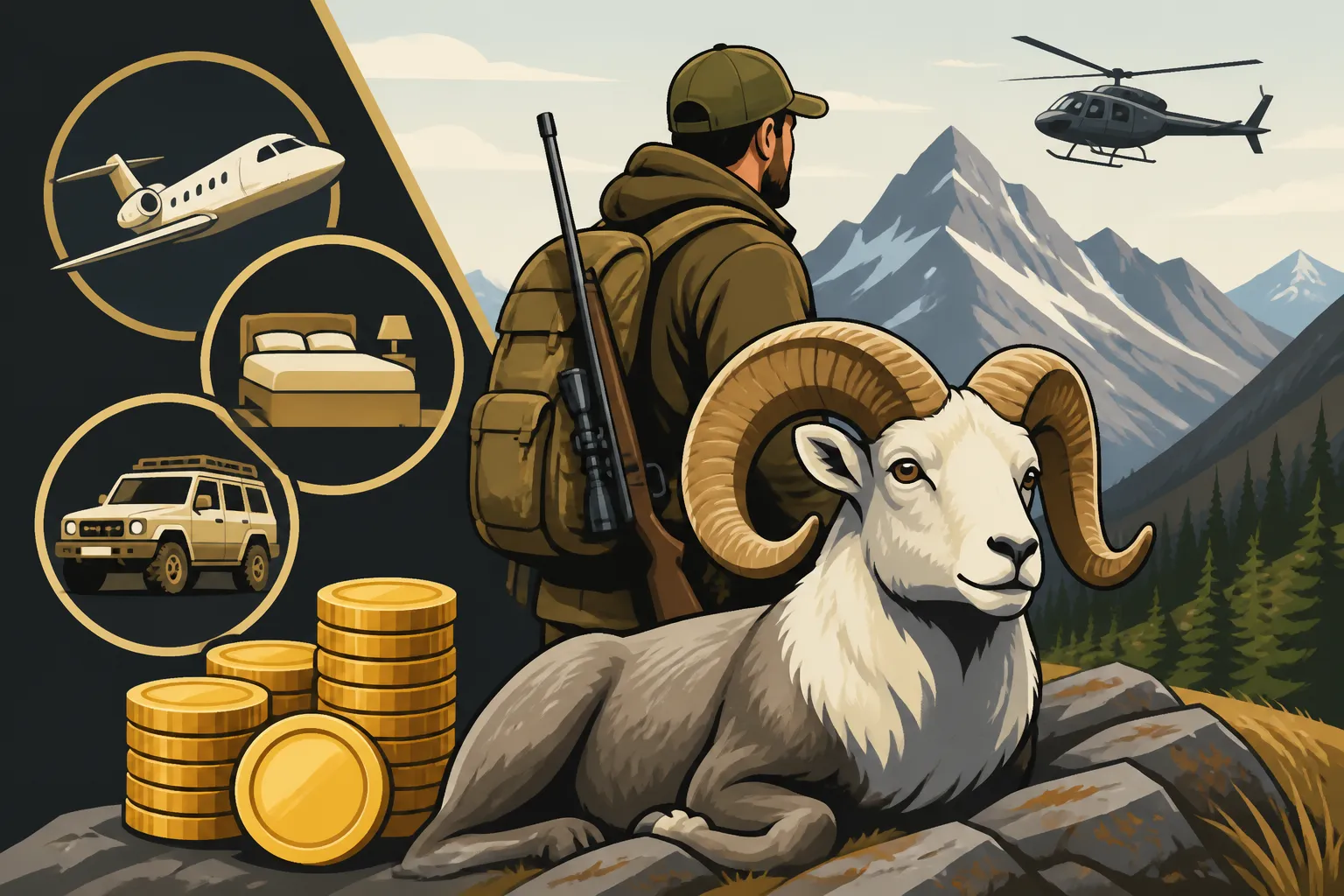
Why Stone’s Sheep Hunts Cost So Much
If you've ever dreamt of pursuing a magnificent Stone's Sheep ram in the remote mountains of British Columbia, you've likely come across the sticker shock that often accompanies the price tag of such an adventure. It's a common frustration for hunters, seeing these incredible opportunities listed at what seems like astronomical figures. This guide will help you understand the deep-seated reasons why a Stone's Sheep hunt is one of the most expensive and sought-after experiences in the hunting world, shedding light on every factor that contributes to that substantial investment.
The Unique Challenge and Rarity of Stone's Sheep
Hunting Stone's Sheep isn't just about bagging an animal; it's about pursuing one of North America's most elusive and geographically restricted big game species. These beautiful, dark-bodied sheep with their distinctive amber-coloured horns are primarily found in the far northern reaches of British Columbia and a tiny sliver of the Yukon, making their habitat inherently remote and difficult to access. This geographical exclusivity is the foundational layer of their high hunt cost.
Limited Availability and Specific Habitats
Unlike more common species, Stone's Sheep inhabit only a specific, rugged alpine and subalpine terrain, typically above timberline for much of the hunting season. This means their populations are naturally smaller and more dispersed. The British Columbia government, through its wildlife management strategies, strictly limits the number of tags available to both resident and non-resident hunters to ensure sustainable populations. For non-residents, a Stone's Sheep tag is almost exclusively accessed through a licensed guide outfitter, who holds specific allocations within their guiding territories. This combination of limited natural range, strict management, and guide-only access for non-residents creates an incredibly high demand for a very finite resource. The allure of hunting a Stone's Sheep is immense, and its status as a "bucket list" animal for many drives prices upward due to simple supply and demand economics.
Furthermore, the very nature of their habitat dictates a certain style of hunting. These animals are masters of their mountainous domain, often found in steep, unforgiving country that demands extreme physical fitness and specialized skills from hunters and guides alike. It's not a hunt you can simply drive to and walk a few hundred yards. It requires significant effort to get into their realm, often involving multi-day treks into some of the most spectacular, yet challenging, wilderness on the continent. This inherent difficulty, coupled with the rarity of a successful harvest, makes the experience itself a premium offering. British Columbia's Wild Sheep and Where They Live further explains where these majestic creatures roam.
The Allure of a Grand Slam Species
For many serious hunters, especially those pursuing the North American Grand Slam of wild sheep, the Stone's Sheep is a critical piece of that formidable puzzle. The Grand Slam encompasses all four species of North American wild sheep: Rocky Mountain Bighorn, California Bighorn, Dall's Sheep, and Stone's Sheep. Completing this slam is a lifelong ambition for many, a testament to dedication, skill, and often, significant financial investment. The prestige associated with a Stone's Sheep, therefore, isn't just about the animal itself, but its role in achieving one of hunting's most revered accomplishments. This elevated status naturally contributes to its high market value.
The demand from these dedicated Grand Slam hunters, who are often willing to pay top dollar for the opportunity, creates a competitive environment among outfitters. These hunts are booked years in advance, with hunters often saving for a decade or more to afford the opportunity. This sustained, high-level demand ensures that prices remain robust. The intense passion and commitment of hunters seeking this particular species mean that outfitters know their value. You can sometimes find these exclusive hunts listed on platforms like BookYourHunt, giving you a glimpse into the offerings, though direct communication with outfitters is usually required for such high-end bookings. Why Stone's Sheep Draw Hunters Worldwide delves deeper into this fascinating allure.
Unpacking the Logistics: Why Getting There Costs a Fortune
The old adage "location, location, location" applies to real estate, and it absolutely applies to Stone's Sheep hunting. The primary reason for the staggering cost is the extreme remoteness of their habitat. Getting into Stone's Sheep country and supporting a hunt there is a monumental logistical undertaking, far beyond a typical drive-in camp experience.
Remote Access and Transportation
Imagine a hunting area where the nearest paved road is hundreds of miles away, and even gravel logging roads eventually dwindle into faint tracks. This is the reality for most Stone's Sheep hunts. The primary means of accessing these pristine, untouched landscapes is often by small aircraft – a bush plane or helicopter. These charter flights are incredibly expensive, not just for the initial drop-off, but for any re-supply, emergency extraction, or the eventual pick-up. Pilots with the specialized skills and aircraft capable of operating in these harsh, high-altitude environments command premium rates.
Once on the ground, further travel within the vast guiding territory relies heavily on horseback. Horses and their wranglers are essential for covering vast distances, navigating rugged terrain, and packing in supplies and packing out game meat. The cost of maintaining a string of reliable mountain horses, feeding them, hiring experienced wranglers, and transporting them to and from remote staging areas adds significantly to the overhead. Horseback Access to British Columbia's Alpine describes just how crucial these animals are. Even a brief look at the map for areas like the Spatsizi Plateau or the Cassiar Mountains, where these sheep thrive, will show you just how isolated these regions are. Flying Into a Remote British Columbia Camp gives more context to the aviation aspect.
Specialized Gear and Extended Stay Requirements
A Stone's Sheep hunt isn't a weekend trip. These are typically 10 to 14-day expeditions, sometimes even longer, pushing the limits of both mental and physical endurance. This extended duration means more supplies, more food, more fuel for generators, and more equipment to maintain a functional backcountry camp. Specialized, high-performance gear is critical for both hunters and guides to withstand the unpredictable and often severe alpine weather, which can shift from warm sunshine to freezing snowstorms in a matter of hours. This includes high-quality tents, sleeping systems, cooking equipment, first-aid supplies, and emergency communication devices like satellite phones or messengers.
All of this gear needs to be purchased, maintained, repaired, and transported, often requiring multiple trips by aircraft or pack train. The wear and tear on equipment in such harsh environments is substantial, leading to constant replacement costs. Moreover, the sheer volume of supplies needed for a two-week stay for multiple people (hunter, guide, wrangler, cook) adds significant weight and bulk, which directly translates to higher air charter costs. It's a complex logistical puzzle that outfitters solve repeatedly throughout a season, and that expertise comes at a price. What Outfitters Provide in a Backcountry Camp details some of these essentials.
The Outfitter's Investment: More Than Just Guiding You
When you book a guided Stone's Sheep hunt, you're not just paying for someone to walk with you through the mountains. You're investing in an entire operation that has made substantial commitments to offer that once-in-a-lifetime experience. The outfitter's business model for these hunts is incredibly capital-intensive and requires a diverse set of skills and resources.
Guide Outfitter Territories and Licensing
In British Columbia, guide outfitters operate within specific, legally defined "guiding territories." These territories are exclusive and are often purchased or inherited at significant expense, representing a major asset for the outfitter. The right to operate within these prime Stone's Sheep territories is invaluable and contributes directly to the hunt cost. They ensure that an outfitter can manage game populations responsibly and provide a quality experience without overcrowding. These territories are typically vast, encompassing hundreds, if not thousands, of square miles of prime habitat.
Beyond the initial acquisition, outfitters must pay annual fees, maintain licenses, and adhere to strict regulatory requirements set by the provincial government. This administrative burden and cost are passed on to the hunter. The outfitter is responsible for understanding complex regulations, ensuring ethical hunting practices, and contributing to wildlife conservation efforts. British Columbia Guide Outfitter Licensing Rules further explains the strict framework they operate within.
| Cost Component | Description | Impact on Hunt Price |
|---|---|---|
| Guiding Territory Rights | Exclusive rights to guide within specific, often remote, Stone's Sheep habitat areas in British Columbia. | High initial acquisition cost and ongoing fees are amortized across hunts, directly inflating the price. Ensures access to prime, limited hunting grounds. |
| Specialized Transportation | Charter flights (bush planes/helicopters), maintenance, fuel, and pilot wages for access to remote camps. Pack horses, wranglers, and their logistics for in-field movement. | Aircraft are expensive to operate and maintain, and experienced pilots are in high demand. Horses and wranglers add significant costs for feed, care, and salaries, especially for multi-week expeditions. |
| Highly Skilled Personnel | Wages for experienced, certified guides, wranglers, cooks, and camp assistants. | Expert mountain guides with sheep hunting experience are highly sought after; their knowledge of the terrain, animal behavior, and safety protocols is invaluable and commands a high salary. Staff also require housing/food. |
| Quality Equipment & Supplies | High-end tents, sleeping bags, optics, communication devices, first-aid, food, fuel, and other camp necessities suitable for extreme mountain conditions. | Durable, reliable gear for remote, harsh conditions is costly to purchase, maintain, and replace. Bulk supplies for extended trips incur significant transport fees. |
| Insurance and Overhead | Liability insurance, licenses, permits, administrative staff, marketing, and unforeseen operational expenses. | Essential for operating a legitimate business in a high-risk environment. Covers potential accidents, legal requirements, and year-round business operations, regardless of hunt success. |
| Pre-Season Scouting & Prep | Time and resources spent locating sheep, setting up camps, maintaining trails, and preparing equipment before clients arrive. | Ensures the outfitter provides the best possible opportunity. This unseen work is critical to success rates and safety but incurs fuel, labour, and equipment costs. |
Experienced Guides and Staff
A successful Stone's Sheep hunt is almost entirely dependent on the quality and experience of the guide. These aren't just local hunters; they are seasoned mountain professionals with an intimate knowledge of the terrain, sheep behavior, and survival skills. They know how to read the landscape, how to glass effectively for hours, how to plan a stalk in incredibly challenging country, and how to manage camp in extreme weather. They are also responsible for the safety of their clients in some of the most unforgiving wilderness on earth, which includes being proficient in bear safety while hunting in British Columbia and handling emergencies.
The wages for these highly specialized individuals – including guides, wranglers, and cooks for the main camp – are substantial. An outfitter needs to attract and retain the best talent, which means competitive salaries and often year-round employment or retainer fees. When you consider the physical demands, the time away from home, and the intense pressure to deliver a quality experience, it's clear why their expertise comes at a premium. These dedicated professionals often spend months in the backcountry, living a rugged lifestyle to provide these unparalleled hunting opportunities.
Understanding the Value: Demand, Experience, and Scarcity
Beyond the tangible costs of logistics and operations, the price of a Stone's Sheep hunt is also driven by intangible factors: the incredible demand, the unparalleled experience it offers, and the simple fact that it's a rapidly diminishing opportunity in a world where true wilderness experiences are becoming ever rarer.
High Demand and Global Market
The demand for Stone's Sheep hunts vastly outstrips the supply of available tags and guiding opportunities. As mentioned, these hunts are often booked years in advance, sometimes even a decade out, by hunters from across North America and around the globe. This sustained, intense demand creates a robust global market where outfitters can command premium prices. Platforms like GoHunt, which provide insights into hunting opportunities and draw odds, often highlight the difficulty and exclusivity of sheep hunts, reinforcing their high value. The desire for a truly wild, fair chase experience in one of the most pristine wilderness areas remaining is a powerful motivator for many.
Furthermore, the clientele for these hunts are often individuals who have achieved significant success in other areas of their lives and are now seeking the ultimate challenge and adventure that hunting can offer. For them, the cost is a reflection of the profound experience and the hard-won trophy. Outfitters cater to this specific market, understanding the value proposition they offer is unique and highly desirable.
The Unforgettable Experience
A Stone's Sheep hunt is far more than just killing an animal; it's an immersive expedition into true wilderness that can profoundly change a person. It's about the breathtaking beauty of British Columbia's northern mountains, the challenge of extreme physical exertion, the camaraderie with guides, and the raw, unfiltered connection with nature. Hunters endure harsh weather, push their physical limits, and often face disappointment, making the eventual success all the more meaningful. This entire journey – the meticulous planning, the long travel, the rigorous days in the mountains, and the deep satisfaction of earning a hard-won ram – is what hunters are truly paying for.
The memories forged on such a trip last a lifetime: spotting a ram on a distant ridge, enduring a sudden snow squall, the taste of hot coffee in a cold alpine morning, or the sheer awe of the landscape. These are experiences that cannot be replicated in many other hunting scenarios, and they hold immense value for those who seek them. It’s an investment in an adventure story, a personal challenge, and a deep connection to the wild that few get to experience. For hunters looking for unparalleled adventure, the Stone's Sheep hunt stands alone. Backpacking Into British Columbia Sheep Country further emphasizes the unique challenges and rewards of these hunts.
Making a Wise Investment: Research and Preparation
Given the significant financial commitment involved in a Stone's Sheep hunt, it is absolutely critical to approach the process with thorough research and diligent preparation. This isn't a spur-of-the-moment decision; it's a multi-year plan that requires careful consideration.
Choosing the Right Outfitter
With such a substantial investment at stake, selecting a reputable and experienced outfitter is paramount. Do your homework. Look for outfitters with a proven track record specifically in Stone's Sheep hunting, not just general big game. Ask for references from past clients, and speak with them candidly about their experiences, hunt conditions, and the outfitter's operational transparency. Inquire about their success rates on British Columbia sheep hunts, but understand that "success" means different things to different people; sometimes, it's about the quality of the experience regardless of whether a ram is harvested.
Platforms like BookYourHunt can be a starting point for discovering outfitters, but direct communication and vetting are essential. Look for outfitters who are transparent about their costs, what's included, and what potential additional expenses might arise. Be wary of any outfitter that promises guarantees or unrealistic success rates. This is about finding a partner for your adventure, one who shares your commitment to ethical hunting and an unforgettable experience. Your due diligence here will pay dividends in peace of mind.
Physical and Mental Preparation
A Stone's Sheep hunt is physically demanding to an extreme degree. It requires excellent cardiovascular fitness, strength, and endurance to navigate steep, rocky terrain at high altitudes, often carrying heavy loads. This isn't a hunt where you can "get in shape" a month before you leave. Serious training needs to begin well in advance – a year or more for many individuals. Focus on hiking with a weighted pack, inclines, and core strength. The mental fortitude required is equally important. You will face discomfort, cold, fatigue, and potential setbacks. The ability to stay positive, resilient, and focused is crucial.
Consulting resources like GoHunt or other specialized hunting blogs for fitness plans and mental preparation tips can be incredibly helpful. Simulating hunt conditions during your training, such as hiking in your hunting boots or practicing shooting in uncomfortable positions, will pay off. Your physical and mental readiness directly impacts your safety, enjoyment, and ultimately, your chances of success. Treat this aspect of preparation with the same seriousness as you do the financial investment. Hunting British Columbia's Alpine in September reinforces the physical demands of these high-country hunts.
Financial Planning and Contingencies
Given the significant costs involved, meticulous financial planning is essential. Understand exactly what your chosen outfitter's package includes and what it does not. Account for species tags, licenses, travel to British Columbia, accommodation before and after the hunt, potential trophy fees, meat processing and shipping, taxidermy, and tips for your guides and staff. Build a buffer into your budget for unexpected costs, such as extra charter flights due to weather delays or unforeseen gear needs.
Consider travel insurance that specifically covers hunting trips and potential cancellation scenarios, as weather or other unforeseen circumstances can sometimes disrupt even the best-laid plans. This comprehensive financial foresight will prevent unpleasant surprises down the road and allow you to fully immerse yourself in the hunt itself, knowing that the logistical and monetary aspects are well-managed.
Disclaimer
This article is for general informational purposes only and does not constitute professional advice. Laws, prices and regulations vary by location and change over time. Consult a qualified professional for guidance on your specific situation.