Why Stone’s Sheep Draw Hunters Worldwide
There's a special kind of magic that draws hunters from across the globe to the rugged, remote mountains of British Columbia, all in pursuit of one magnificent animal: the Stone's sheep. It's not just about the horn curl or the size of the ram; it's about the sheer challenge, the breathtaking landscapes, and the profound sense of accomplishment that comes with pursuing one of North America's most elusive wild sheep. This guide will explore exactly what makes Stone's sheep such a sought-after quarry, delving into their unique characteristics, the formidable demands of their habitat, and the unforgettable experience of a true mountain hunt in British Columbia.
The Allure of Stone's Sheep: More Than Just a Trophy
For many, a Stone's sheep hunt represents the pinnacle of mountain hunting. It’s an adventure steeped in tradition, pushing hunters to their physical and mental limits in some of the most spectacular wilderness on Earth. The draw is multifaceted, encompassing the sheep's unique aesthetics, their incredibly remote habitat, and the sheer difficulty involved in successfully harvesting one.
The Rare Beauty of Their Coats
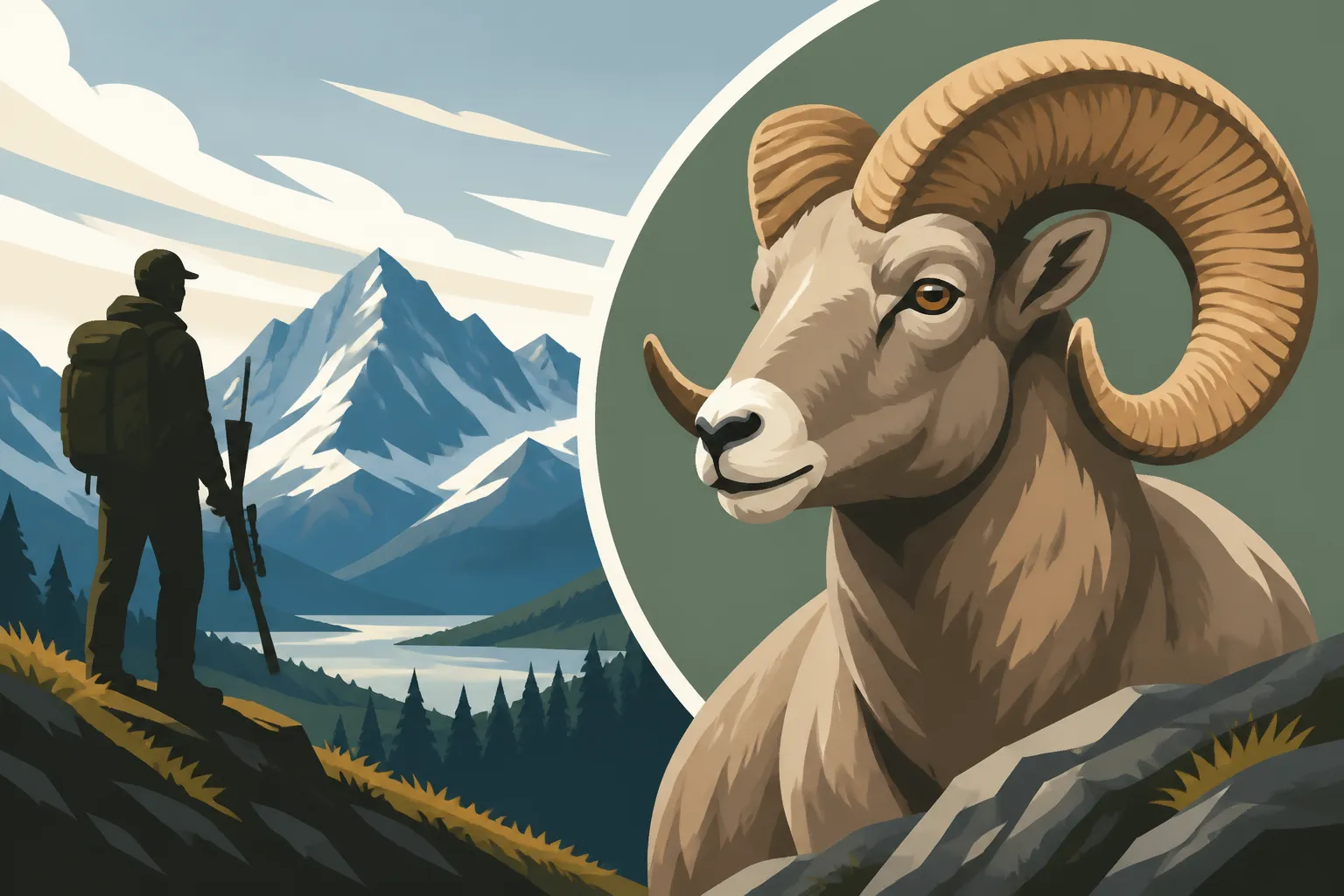
Stone's sheep, a subspecies of Dall's sheep, are renowned for their striking coats, which vary considerably. While Dall's sheep are typically white, Stone's sheep present a spectrum of colours, from dark grey to nearly black, often with white patches on the rump, belly, and inside of the legs. Some even exhibit a beautiful "fannin" phase, a salt-and-pepper mix of white and grey or brown hairs that creates a truly unique appearance. This variation makes each ram a distinctive trophy, highly prized for its aesthetic appeal. Imagine seeing a mature ram, almost black against a snowfield, or a Fannin ram blending seamlessly into the grey rock slides – it's a sight that sticks with you long after the hunt is over. The beauty of their coats isn't just skin deep; it reflects their adaptation to the harsh, high-altitude environments they call home, providing camouflage against the rocky slopes and protection from the biting winds.
These unique colour phases and the challenge of finding a prime specimen contribute significantly to why Why Stone's Sheep Draw Hunters Worldwide is such a compelling topic. Every ram has a story written in its coat and horns, a testament to its survival in an unforgiving landscape. Hunters don't just see an animal; they see a living piece of the wilderness, a creature perfectly evolved for its niche. The visual splendor adds another layer to the immense satisfaction of a successful hunt.
The Elusive Nature of Their Habitat
Stone's sheep inhabit the rugged, remote mountains of northern British Columbia and parts of the Yukon, often residing in terrain that is incredibly difficult for humans to access. We're talking about high alpine ridges, steep canyons, and vast, open plateaus above timberline. This isn't your typical walk in the woods; this is true backcountry, often many days' journey from the nearest road or human settlement. Their preferred habitat is characterized by steep, broken terrain that offers both excellent visibility for spotting predators and precipitous escape routes. This means hunters must venture deep into true wilderness, far from any amenities or easy exits.
The sheer scale of their habitat contributes to their elusiveness. These sheep are not found in high densities, and their ability to blend into the vast, rocky landscape makes them incredibly difficult to spot, even with powerful optics. Hunters might spend days glassing endless mountainsides, turning over every rock and shadow, before finally locating a band of rams. It's this combination of vastness and verticality that truly defines the Stone's sheep hunting experience, forcing hunters to embrace a deep wilderness immersion. They thrive in environments where most other large game animals would struggle, a testament to their incredible hardiness and adaptability.
The Ultimate Mountain Hunting Challenge
Pursuing Stone's sheep is not merely a hunting trip; it's an expedition that tests every facet of a hunter's capability. From the grueling physical demands to the intricate legal framework, every aspect of a Stone's sheep hunt is designed to push the boundaries of what's possible, creating an unparalleled sense of achievement for those who succeed.
Physical and Mental Demands
A Stone's sheep hunt is unequivocally one of the most physically demanding hunts on the continent. Forget flat ground; you’ll be climbing, scrambling, and traversing steep, rocky slopes, often at high altitudes where the air is thin and every step is a deliberate effort. Hunters often carry heavy packs, laden with gear for days or even weeks, navigating unpredictable weather ranging from blistering sun to sudden snow squalls, even in September. The sheer mileage covered, combined with the elevation gain, requires months of dedicated physical training. This is not a hunt to undertake lightly; serious preparation is key. You'll be climbing thousands of feet daily, enduring cold nights and long days under a relentless sun or bone-chilling rain.
Beyond the physical, the mental toughness required is immense. There will be days when you see no sheep, or when weather forces you to hunker down, losing precious hunting time. Frustration, exhaustion, and doubt can creep in. The ability to remain positive, focused, and persistent through discomfort and setbacks is just as crucial as strong legs and lungs. It’s a true test of grit, where the determination to keep moving forward, to keep glassing, and to believe in success is paramount. The journey itself becomes a crucible, forging a stronger, more resilient hunter, making the eventual triumph all the sweeter. Many hunters find that preparing for a sheep hunt changes their lifestyle months in advance, adopting rigorous fitness routines that pay dividends not just in the mountains, but in overall well-being. This preparation is part of the draw, transforming the hunt into a long-term commitment. Backpacking Into British Columbia Sheep Country offers a great look into what this preparation entails.
Navigating Remote British Columbia Terrain
British Columbia’s northern mountains are vast and largely untamed. Access to Stone's sheep country is often limited to bush planes landing on remote strips, or by extensive horseback journeys that can take days just to reach the hunting grounds. Once you’re there, forget about trails; you'll be navigating by map, GPS, and instinct across trackless wilderness. Rivers must be crossed, dense alders pushed through, and treacherous rockslides carefully negotiated. This isn't just about finding sheep; it's about mastering the art of wilderness travel and self-sufficiency. Logistics alone can be daunting, requiring meticulous planning for food, water, shelter, and emergency contingencies. This is where tools like GoHunt can be invaluable for pre-scouting and understanding terrain characteristics before you even set foot in the field, helping to identify potential routes and glassing points.
The extreme remoteness also means that any medical emergency or equipment failure can have serious consequences. Hunters must be prepared to handle situations independently or rely on their guide and team. This level of self-reliance, coupled with the reliance on skilled pilots and horse packers, adds to the profound sense of adventure and risk. It's a journey into truly wild places, where nature reigns supreme and human presence is merely a fleeting whisper. Understanding Horseback Access to British Columbia's Alpine can give you a clearer picture of the logistical challenges involved.
The Unique Hunting Regulations
Hunting Stone's sheep in British Columbia comes with specific and often complex regulations designed to protect these magnificent animals and ensure sustainable populations. One of the most significant rules is the "full curl" or "8-year" rule, meaning a ram must either have horns that complete a full circle or be at least eight years old to be legally harvested. This rule is designed to allow rams to reach full maturity and contribute to the breeding population before being hunted, ensuring genetic strength and quality. Judging a full curl can be incredibly challenging in the field, requiring keen observation and experience, often under difficult light or at long distances. Misjudging a ram can lead to legal penalties and the loss of a valuable license. Many hunters spend years honing their ability to accurately judge a ram's age and horn configuration, adding another layer of skill to the pursuit. Judging a Full-Curl Ram in the Field delves into the intricacies of this crucial skill.
Stone's Sheep Hunting Considerations Details
: British Columbia, hunters face a range of emotional highs and logistical challenges that make each expedition unique. It’s a place where majestic landscapes meet the wild heart of nature, offering an experience unlike any other. However, navigating the rules and regulations, especially when it comes to wildlife management areas, can be a real head-scratcher. It’s tough to know where you can legally hunt, what restrictions are in place, and how to make the most of your time in these diverse habitats. This guide will walk you through everything you need to know about hunting in British Columbia's wildlife management areas, ensuring you’re prepared for a successful and legal hunt.
Understanding British Columbia's Wildlife Management Areas
Wildlife Management Areas (WMAs) in British Columbia are designated regions established under the Wildlife Act to protect and manage wildlife and their habitats. These aren't just pretty parks; they are critical ecosystems where specific conservation goals are paramount. For hunters, WMAs offer regulated access to prime hunting grounds, but they also come with a unique set of rules that often differ from general open seasons on Crown land. Getting familiar with these areas is your first step to a responsible and successful hunt.
What Defines a WMA?
At its core, a Wildlife Management Area is a piece of land, typically Crown land, that has been identified for its significant ecological value to particular wildlife species. These areas are legally designated by the provincial government, often after extensive scientific study and public consultation. The primary goal is habitat conservation, which directly benefits wildlife populations, but they are also managed for recreational use, including hunting, fishing, and wildlife viewing. Think of them as special zones where the ecological needs of animals take precedence, and human activities are carefully regulated to ensure minimal impact.
These designations aren't static; management plans are regularly reviewed and updated based on wildlife populations, habitat conditions, and broader conservation strategies. For instance, an area critical for waterfowl nesting might have specific restrictions during spring migration, while a winter range for ungulates might have access limitations during harsh snowfalls. The rules are designed to balance human use with wildlife needs, creating a sustainable environment for both. It’s a continuous effort to ensure that these special places continue to thrive for generations to come.
The Purpose of WMAs in British Columbia
The main purpose of WMAs is to provide targeted protection and enhancement for key wildlife populations and their habitats. This can involve anything from preserving critical wetlands for migratory birds to managing old-growth forests for elk and deer, or protecting unique grasslands for species like bighorn sheep. These areas act as ecological strongholds, ensuring that vital breeding grounds, migratory corridors, and winter ranges remain intact and functional. Without such designated areas, many species would face increased pressure from development, disturbance, and habitat loss.
Beyond direct conservation, WMAs also serve an important role in scientific research and public education. They provide living laboratories for studying wildlife behaviour, population dynamics, and ecosystem health. Many WMAs have interpretive signage or educational programs, helping the public understand the importance of conservation and responsible outdoor recreation. For hunters, WMAs represent a commitment to sustainable hunting practices, ensuring that the privilege of pursuing game continues into the future by managing these crucial habitats. This integrated approach ensures that the "wild" in wildlife management areas truly means something.
Navigating Hunting Regulations Within WMAs
Hunting in a WMA isn't like hunting on typical Crown land. You can't just assume the general open season rules apply. Each WMA has its own set of specific regulations, which can include variations in season dates, bag limits, allowable hunting methods, and even access restrictions. It’s absolutely critical to understand these nuances before you even pack your truck.
Specific WMA Regulations vs. General Open Seasons
The most common mistake hunters make when approaching a WMA is assuming it operates under the same rules as the broader management unit (MU) it's located within. This is almost never the case. While the WMA might fall within a larger MU, its specific regulations typically supersede the general MU rules. For example, a WMA might have an archery-only season for deer, even if the surrounding MU has an open rifle season. Or it might have stricter antler point restrictions, shorter seasons, or even a full closure for certain species that are otherwise open in the region. These differences are implemented to meet the specific conservation objectives for that particular WMA.
It's not uncommon to find areas within a WMA that are entirely closed to hunting, designated as wildlife sanctuaries or no-hunting zones, even if they are teeming with game. These closures are vital for providing undisturbed refuge for animals. Therefore, before heading out, always consult the most current British Columbia Hunting and Trapping Synopsis, paying particular attention to the WMA-specific sections. Don't just skim the regional summaries; dig deep into the details for your chosen WMA. Think of it like a special set of bylaws for a specific neighborhood within a larger city – you need to know the local rules.
Access Restrictions and Permitted Activities
Access into and within WMAs can vary significantly. Some WMAs might allow vehicle access on designated roads, while others are strictly foot access only, or restrict vehicle use to specific times of the year to minimize disturbance to wildlife, especially during sensitive periods like calving or lambing. You might encounter locked gates, signage indicating seasonal closures, or restrictions on camping, campfires, or even the use of ATVs or e-bikes. These restrictions are not put in place to frustrate hunters, but rather to protect fragile habitats and reduce stress on wildlife populations.
Beyond hunting, other activities like dog walking, mountain biking, or even mushroom picking might have specific rules. It's not uncommon to find areas where dogs must be leashed, or where certain trails are closed seasonally. Always check the official WMA specific regulations for permitted activities. Ignoring these rules, even unintentionally, can lead to fines or the loss of hunting privileges. Respecting these boundaries shows a commitment to conservation and ensures continued access for future generations. Knowing British Columbia Wildlife Management Area Rules is absolutely essential before you plan your trip, as it will cover the general guidelines, but always double-check the specifics for the W particular WMA you intend to visit.
Making the Most of Your WMA Hunting Experience
Hunting in a British Columbia WMA can be incredibly rewarding, offering opportunities to pursue game in vibrant, well-managed ecosystems. To maximize your chances of success and ensure a positive experience, careful planning and responsible behaviour are paramount.
Research and Planning Your WMA Hunt
Thorough research is your best friend when it comes to hunting WMAs. Start by identifying which WMAs are accessible and contain the species you're interested in pursuing. Websites like GoHunt or the provincial government's online resources can be invaluable for finding maps, boundaries, and specific regulations. Don't rely on old information; regulations can change annually, so always get the most current synopsis. Once you've identified a WMA, delve into its specific rules, looking for any deviations from general open season dates, bag limits, or methods of harvest. Pay attention to any access restrictions, such as seasonal road closures or foot-access-only zones.
Beyond regulations, research the terrain and habitat. Satellite imagery, topographical maps, and online forums can provide insights into where animals might be found, typical travel corridors, and potential glassing points. Consider scouting the area well in advance, if possible, especially if it's new to you. Understanding the landscape, the vegetation, and potential water sources will give you a significant advantage. The more homework you do before you leave home, the better prepared you'll be for the unique challenges and opportunities a WMA presents. Scouting a British Columbia Management Unit Online can provide some excellent strategies for this preparatory work.
Ethical Hunting and Conservation Practices in WMAs
Hunting in WMAs carries an even greater responsibility to uphold ethical practices and contribute to conservation. These areas are showcases for wildlife management, and hunters are, in essence, ambassadors. This means strict adherence to all regulations, ensuring accurate identification of species and legal animals, and making clean, ethical shots. Wounding an animal and losing it is a far greater tragedy in a WMA where every animal counts towards population management goals. Always pack out everything you pack in, and perhaps even a little more. Leave no trace of your presence.
Beyond the immediate hunt, consider how your actions impact the broader ecosystem. Avoid disturbing sensitive habitats, especially riparian zones or critical winter ranges. Report any observed poaching or violations to the RAPP (Report All Poachers and Polluters) line. By demonstrating respect for the land, the wildlife, and the regulations, hunters reinforce the value of hunting as a conservation tool and ensure that WMAs remain open and accessible for future generations. Remember, a WMA is a privilege, not just a place to hunt, and responsible actions are key to maintaining that privilege.
Disclaimer
This article is for general informational purposes only and does not constitute professional advice. Laws, prices and regulations vary by location and change over time. Consult a qualified professional for guidance on your specific situation.