Becoming an Assistant Guide in British Columbia
Dreaming of turning your passion for British Columbia's wild backcountry and its incredible game into a career? It's a truly exhilarating thought, but becoming an assistant guide here in BC isn't just about knowing how to track a moose or glass a mountain sheep. There's a clear path, full of specific requirements and practical experience you'll need to navigate. This guide will walk you through everything you need to know to get your foot in the door as an assistant guide in this province, helping you understand the real work involved and how to position yourself for success in this demanding, yet immensely rewarding, field.
What Does an Assistant Guide Actually Do?
Many people picture a guide as the person leading the charge, calling the shots, and making the big decisions. While that's certainly the goal for many, an assistant guide's role is much more about support, learning, and putting in the hard yards. It's often where the real grit of the guiding world becomes apparent. You're the backbone of the operation, the extra set of hands, and the eager eyes that are always learning.
The Support System for the Hunt
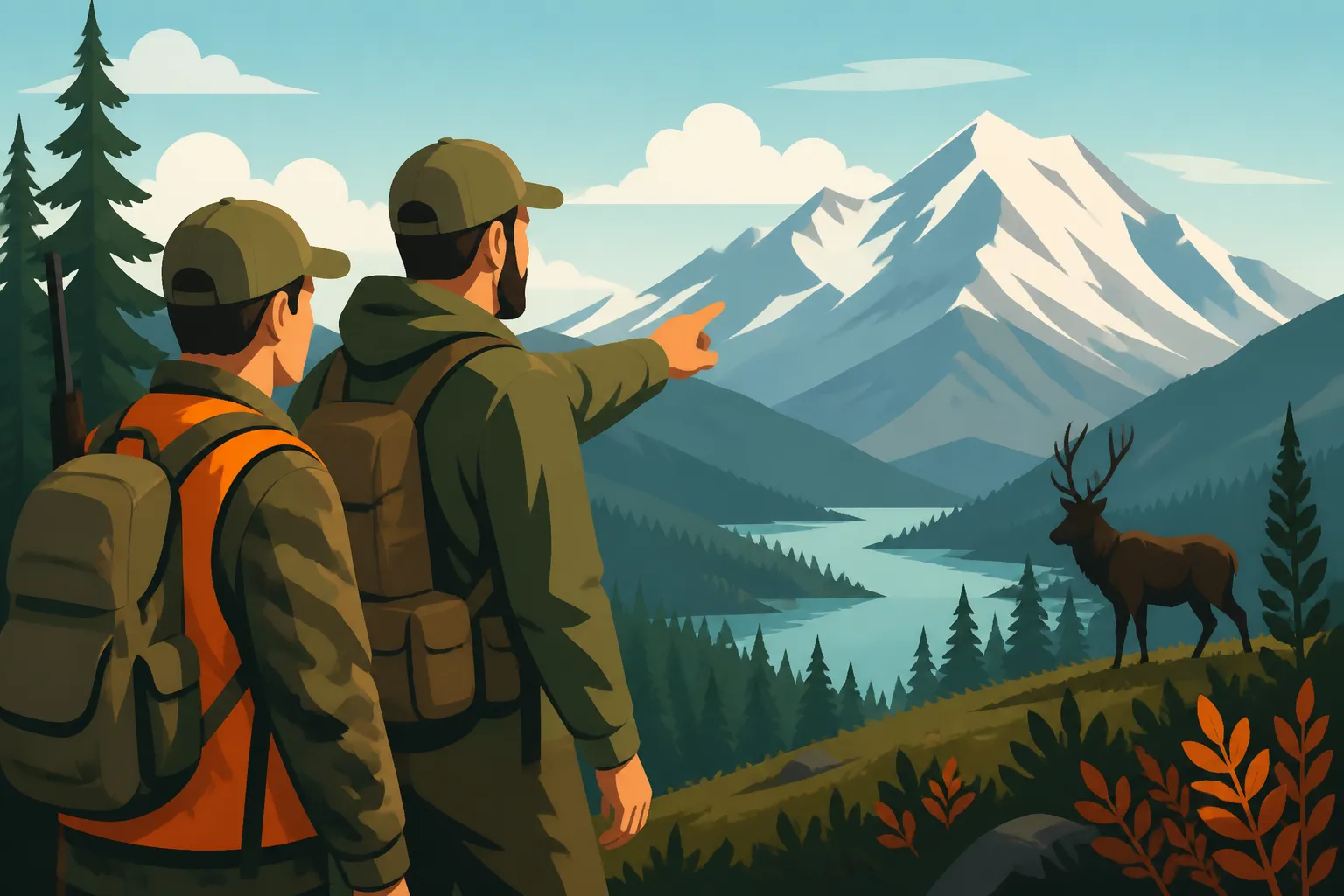
Think of an assistant guide as the indispensable helper who ensures the head guide and the client have everything they need to succeed. This means a huge variety of tasks, often behind the scenes, that are critical to the overall experience. You might be setting up camp, cooking meals over an open fire, packing out meat and hides, or even just keeping a watchful eye during a long glassing session. In many cases, it's less about spotting the animal first and more about ensuring the client is comfortable, the gear is maintained, and the logistics run smoothly.
For instance, imagine a sheep hunt in the Northern Rockies. The head guide is focused on reading the terrain, assessing the rams, and managing the client's expectations and physical limits. As an assistant, you'd be responsible for making sure the tents are pitched correctly, the water supply is managed, and the dehydrated meals are ready after a grueling day. You're probably also doing a lot of the heavy lifting, whether it's setting up spotting scopes, carrying extra water bottles, or shouldering a portion of the camp gear up a steep incline. It's not glamorous work, but it's absolutely vital.
Learning the Ropes and Gaining Experience
The assistant guide role is essentially an apprenticeship. It's your opportunity to learn from seasoned professionals who have spent decades in the BC bush. You're observing how they read animal sign, how they approach a stalk, how they manage difficult clients, and how they handle unexpected situations like bad weather or mechanical failures. This hands-on education is invaluable, far surpassing anything you could learn from a book or online course.
You'll get to practice your navigation skills in real-time, learning the nuances of a specific guiding territory, like those vast areas detailed in British Columbia's Guide Outfitter Territories. You'll see how various species like Mule Deer Across British Columbia's Interior or Moose in British Columbia's Interior and North behave in different conditions. This includes understanding their feeding patterns, their preferred bedding areas, and how they react to pressure. It's an immersive experience where every day presents new lessons, often learned through sheer effort and sometimes, through mistakes that teach you far more than successes ever could. Many outfitters value this learning mindset, as they are essentially training their future lead guides.
The Essential Requirements for British Columbia Assistant Guides
Becoming an assistant guide isn't something you just decide to do one weekend. There are very clear, non-negotiable requirements set out by the province and by the guide-outfitting industry itself. These are in place to ensure a certain standard of safety, competence, and professionalism, which is crucial when you're responsible for someone's safety in remote wilderness.
Age, Residency, and Fundamental Certifications
First and foremost, you need to meet the basic criteria. You must be at least 18 years of age. You also generally need to be a resident of British Columbia or at least have a strong connection to the province, though specific rules can vary. The provincial government defines what constitutes a resident for hunting and guiding purposes, and it's essential to understand these definitions before you proceed.
A fundamental step for anyone involved in hunting in British Columbia is obtaining a Firearms Safety Course (CORE) certificate and a Fish & Wildlife ID (FWID). This is covered in detail in British Columbia's CORE Exam and FWID. The CORE exam proves your basic understanding of hunting regulations, firearm safety, and ethical hunting practices. Without this, you won't even be able to purchase a hunting license, let alone guide. Beyond these, a valid driver's license is typically required, especially if you'll be operating any vehicles, which is often the case on a guided hunt, traversing logging roads or other backcountry routes.
First Aid and Practical Skills
Working in remote areas means you are often hours, if not days, from professional medical help. Therefore, having robust first aid training isn't just a recommendation; it's a mandatory requirement. You'll typically need a Wilderness First Aid certificate, or an equivalent, that covers prolonged care in backcountry settings. This isn't your basic urban first aid; it focuses on assessing and managing injuries and illnesses when evacuation might be delayed.
Beyond formal certifications, practical outdoor skills are paramount. Can you navigate with a map and compass even if your GPS dies? Can you build a proper shelter in a sudden storm? Are you proficient with various tools and equipment, from chainsaws to winches? Do you know how to quarter an animal efficiently and safely in the field, ensuring the meat is cared for? Getting Meat Out of Steep British Columbia Country emphasizes how critical this skill is, especially in challenging terrain. Knowledge of Bear Safety While Hunting in British Columbia and how to react in a wildlife encounter is also crucial. These are skills that are honed over years, not just learned in a weekend course.
Legal and Ethical Responsibilities
As an assistant guide, you are representing the outfitter and, by extension, the entire guiding industry in British Columbia. This means adhering to a strict code of conduct and knowing the provincial hunting regulations inside and out. You'll need to understand concepts like British Columbia's Compulsory Reporting Rules for harvests, specific season dates for different species, and bag limits. It's your job to help ensure the client hunts legally and ethically under the supervision of the head guide.
You must also understand what a head guide's license allows and what it doesn't, particularly when dealing with non-resident clients who typically require a licensed guide or a "Permit to Accompany." The intricacies of What a Permit to Accompany Allows are vital knowledge. Your role is to support the licensed guide in all aspects of their responsibilities. Any lapse in judgment or knowledge could have serious repercussions for both you and the outfitter.
Here's a quick comparison of general requirements:
| Requirement | Assistant Guide | Licensed Guide (General) |
|---|---|---|
| Minimum Age | 18 | 19 |
| Residency | BC Resident (typically) | BC Resident (mandatory) |
| FWID & CORE | Required | Required |
| First Aid | Wilderness First Aid (or equiv.) | Wilderness First Aid (or equiv.) |
| Experience | Practical experience; mentorship | 3 years as Assistant Guide (min.) |
| License | No specific provincial license | Provincial Guide Outfitter Licence |
| Insurance | Often covered by outfitter | Independent liability insurance |
| Knowledge | Solid hunting/bushcraft skills | Extensive knowledge; leadership |
| Firearms | PAL (mandatory for firearms) | PAL (mandatory for firearms) |
Gaining the Experience and Finding Your First Job
You've got the basic certifications, a good head on your shoulders, and an undeniable passion for hunting. But how do you actually get an outfitter to take a chance on you? This is often the trickiest part, as it requires networking, proving your worth, and sometimes, simply being in the right place at the right time.
Building Your Skillset and Reputation
Before you even think about applying for a guiding job, you need to be an experienced hunter and outdoors person in your own right. This means spending significant time in the backcountry, learning survival skills, tracking game, and navigating challenging terrain. Don't just hunt easy-access spots; push yourself to explore more remote areas. The more comfortable and competent you are in diverse wilderness settings, the more valuable you become.
Volunteer work can also be a fantastic way to gain experience and make connections. Offer to help local conservation groups with habitat projects, or assist experienced hunters on scouting trips. Show initiative, be reliable, and always be willing to learn. Word of mouth travels fast in the hunting community, and a good reputation for hard work and dedication will open doors. Websites like GoHunt can be a useful place to research different hunting areas and strategies, honing your understanding of game movements and habitat, even if its main focus is south of the border. This kind of research showcases your commitment to learning.
Networking and Approaching Outfitters
This is where the rubber meets the road. Most assistant guiding jobs aren't advertised through traditional channels. They often come through personal connections, recommendations, or direct outreach. Start by researching Hunting Guides and Outfitters in British Columbia. Find out who operates in areas you're familiar with or passionate about. Don't be afraid to send a polite email or make a phone call, even if they aren't actively advertising. Introduce yourself, express your interest, and highlight your experience and certifications.
Attend hunting conventions and expos where outfitters might have booths. This offers a valuable opportunity to meet them face-to-face, ask questions, and leave a lasting impression. Platforms like BookYourHunt, while primarily for booking hunts, can also give you insight into the types of operations and services different outfitters offer, helping you tailor your approach to specific businesses. Be prepared to start at the bottom, perhaps as a camp jack or general labourer, just to prove your work ethic and gain that crucial initial experience in a guiding camp. Many successful guides started this way, proving their mettle by washing dishes, hauling firewood, and doing all the unglamorous tasks.
The Path from Assistant to Licensed Guide
The assistant guide role is a stepping stone. For many, the ultimate goal is to become a fully licensed guide in British Columbia, capable of leading hunts independently and eventually even owning their own guiding territory. This progression requires continued dedication, experience, and meeting more stringent provincial requirements.
Fulfilling Experience Requirements
To become a fully licensed guide in British Columbia, you typically need a certain number of years of experience as an assistant guide. The exact requirements can shift, so always check the latest provincial regulations, but it's generally a minimum of three years of experience under the direct supervision of a licensed guide. This isn't just about accumulating hours; it's about demonstrating progressive skill development and leadership potential. You'll need references from licensed guides who can vouch for your competence, ethical conduct, and ability to manage hunts effectively.
During your time as an assistant, focus on broadening your knowledge across various species and terrains. Work on different types of hunts – maybe a spring bear hunt one season, then a fall moose hunt the next. Understand the nuances of British Columbia's Nine Hunting Regions and how they differ. The more versatile you are, the more valuable you become, and the stronger your application for a full guide license will be. Keep meticulous records of your hunts, the species encountered, the tasks performed, and the challenges overcome. This will be invaluable when you compile your experience for your license application.
Understanding the Licensing Process
Once you meet the experience requirements, you'll need to apply to the province for a guide outfitter licence. This process involves a detailed application, often an interview, and a thorough review of your qualifications and experience. You'll need to demonstrate not just your hunting prowess, but also your business acumen, your understanding of provincial laws, and your commitment to conservation. The requirements for British Columbia Guide Outfitter Licensing Rules are comprehensive and designed to ensure only qualified individuals can operate independently.
A licensed guide is ultimately responsible for the safety and success of their clients, the welfare of the animals, and adherence to all regulations. This includes understanding all aspects of British Columbia Hunting Licences and Fees for both residents and non-residents, and ensuring clients have the appropriate tags. It's a significant jump in responsibility from an assistant role, but it's a journey that many passionate hunters in British Columbia successfully make, turning a love for the outdoors into a fulfilling career.
Disclaimer
This article is for general informational purposes only and does not constitute professional advice. Laws, prices and regulations vary by location and change over time. Consult a qualified professional for guidance on your specific situation.