Hunting an Alpine Basin Above a Road
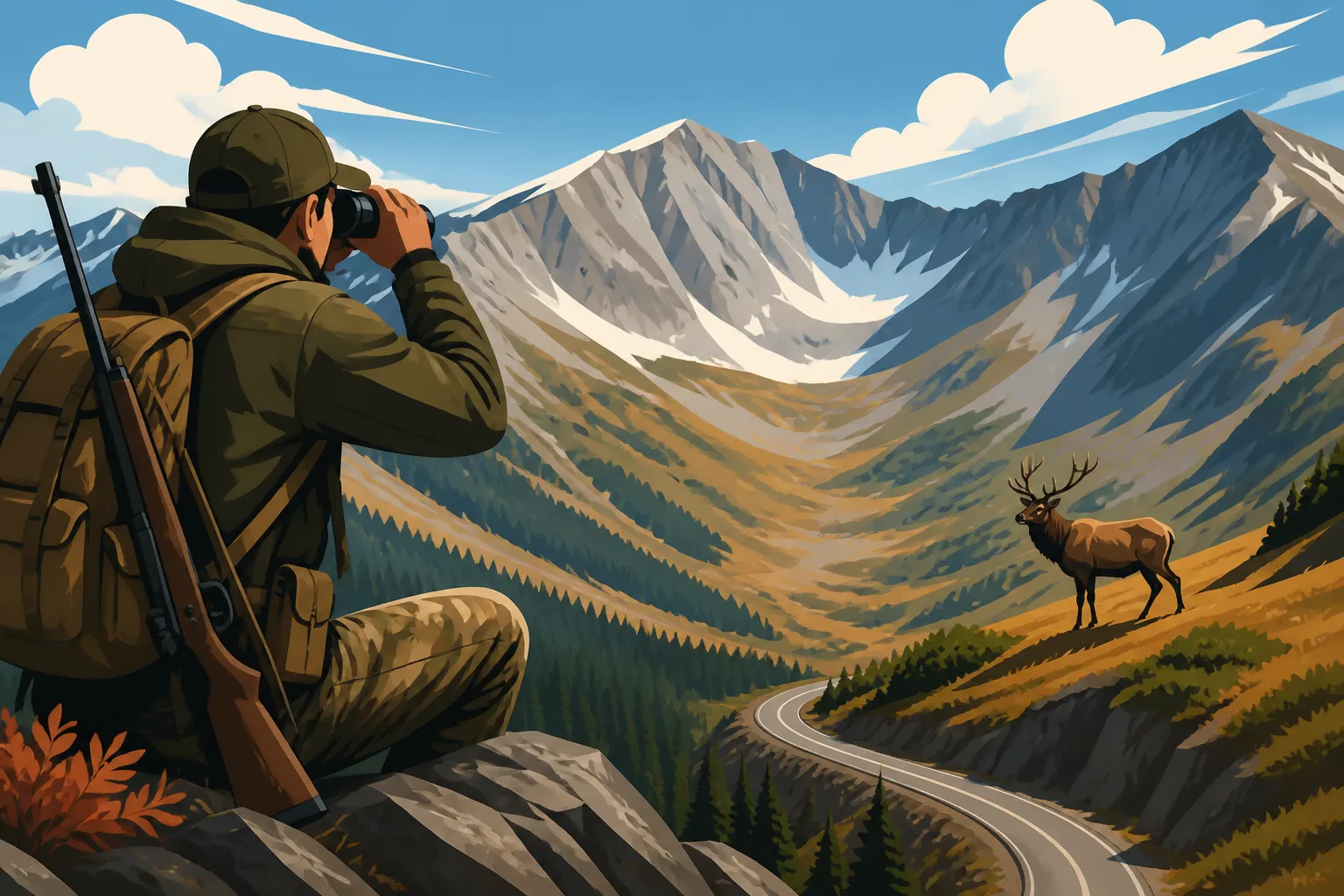
Many hunters gaze up at those high, rugged alpine basins, especially the ones with a logging road snaking tantalizingly close, and dream of a successful hunt. But the reality can be a frustrating mix of accessibility and unexpected competition, often leading to disappointment if you don't have a solid plan. This guide will help you strategically approach hunting an alpine basin above a road in British Columbia, transforming potential frustration into a rewarding, well-prepared experience.
The Allure and Challenge of Road-Accessible Alpine Basins
There’s something truly magnetic about hunting the alpine. The crisp air, the expansive views, and the promise of encountering magnificent big game like mountain goats, sheep, or large mule deer bucks, all in their majestic high-country domain. When you find an alpine basin that's just a short hike off a drivable road, it feels like hitting the jackpot. It offers a taste of the wilderness without the multi-day pack-in, making it incredibly appealing to many hunters.
Why These Basins Are So Tempting
The primary draw of an alpine basin with road access is, quite simply, convenience. Imagine being able to drive most of the way up, park your truck, and be in prime hunting habitat within an hour or two of hiking. This significantly cuts down on the physical demands of getting into truly remote areas. For many of us, limited time, physical constraints, or simply a desire to hunt the high country more often makes these spots incredibly attractive.
Furthermore, these basins often serve as crucial summer and early fall habitat for a variety of big game. Sheep and mountain goats thrive in these steep, open environments, and in late summer, mule deer often move up to escape heat and pressure in lower elevations, feasting on the lush alpine vegetation. Black bears will also frequent these areas, especially if there are berry patches ripening on the sunny slopes. The thought of spotting a ram silhouetted against a ridgeline or a goat grazing peacefully in a wildflower-filled meadow, knowing you didn’t have to spend two days on horseback to get there, is a powerful motivator. A successful hunt here also means a much shorter, and therefore less grueling, pack out of heavy meat.
The Hidden Downsides: Pressure and Planning
While the idea of easy access to prime alpine hunting sounds fantastic, it comes with a significant caveat: everyone else has the same idea. Road-accessible alpine basins are often magnets for hunters, especially on weekends during prime seasons. This high pressure can make game incredibly wary, pushing animals into thicker timber, deeper ravines, or over the next ridge into more secluded terrain. You might spend hours glassing only to spot another hunter’s blaze orange vest long before you see an animal.
Another major challenge is the unpredictability of both the terrain and the road itself. That "drivable" logging road could turn into a washed-out mess after a heavy rain, leaving you stranded or forcing a much longer hike than anticipated. The alpine itself, while beautiful, can be relentlessly steep, rocky, and riddled with hidden dangers. Game, being pressured, may not be where you expect them, and they're often quick to move once they detect human presence. This means your planning needs to be meticulous, accounting for potential roadblocks, alternative access, and smart strategies to outwit the wary game and potentially other hunters.
Scouting Your Road-Accessible Alpine Basin
Before you ever set foot on the mountain with your rifle or bow, proper scouting is paramount. For road-accessible alpine basins, this initial groundwork is even more critical because you're not just looking for game sign; you're looking for an edge in a potentially high-pressure environment.
Digital Reconnaissance: Your First Step
Modern hunting has been revolutionized by digital mapping tools, and they are your best friend when planning a hunt in a road-accessible alpine basin. Platforms like onX Hunt or GoHunt allow you to virtually explore vast swathes of British Columbia from the comfort of your home. You can zoom in, look at topography lines, identify potential game trails, pinpoint water sources, and even see old cut blocks or burned areas that might provide forage or cover.
Start by identifying the management unit (MU) and confirming the regulations for the species you intend to hunt. This includes checking general open seasons versus any limited entry hunting (LEH) opportunities. Scouting a British Columbia Management Unit Online and Reading a British Columbia LEH Zone Map can be invaluable resources here. On your mapping app, look for areas where the road network provides access to alpine zones, typically above treeline. Identify specific basins, cirques, or high ridges that look like prime habitat. Pay close attention to north-facing slopes, which often hold snow longer and provide cooler bedding areas, or south-facing slopes, which warm up faster and can grow richer forage. Try to find benches or plateaus within the steep terrain – these are often favoured by game for feeding and bedding. Don't forget to look for natural escape routes; animals will always have a plan to get away from danger, and understanding these routes can help you predict their movements. Also, check for deactivated logging roads or old spurs that might lead you deeper into a basin, even if you have to hike them.
Boots on the Ground: Pre-Season Exploration
As valuable as digital scouting is, there's absolutely no substitute for putting boots on the ground. A pre-season trip (or even a trip a few weeks before opening day) can give you invaluable insights that no satellite image can provide. This is your chance to confirm the quality of those roads you saw on the map. Is that "road" a deeply rutted, rocky mess only passable by a high-clearance 4×4, or is it a relatively smooth gravel track? Are there new washouts, fallen trees, or locked gates you didn't anticipate? Finding Open Forest Roads in British Columbia can sometimes help with official closures, but local knowledge from a physical drive is gold.
Once you’re on location, hike into your target basin. This isn't a hunt; it's a recon mission. You’re looking for fresh sign: tracks around watering holes, fresh scat on game trails, rubs on stunted pines, or areas that show heavy grazing. Try to identify potential bedding areas, especially on benches or sheltered spots with good visibility. More importantly, identify several glassing knobs or vantage points that offer wide, unobstructed views of the basin. Spend some time there, observing the wind patterns and how thermals shift throughout the day. You’ll be surprised how much the wind swirls in these broken, high-elevation landscapes. Understanding these micro-climates is crucial for a successful stalk.
Here's a quick comparison of digital versus physical scouting:
| Feature | Digital Scouting (onX Hunt, GoHunt) | Boots-on-the-Ground Scouting |
|---|---|---|
| Accessibility | From anywhere with internet | Requires physical presence, vehicle, and time |
| Detail | Topography, satellite imagery, property boundaries, road networks | Actual road conditions, ground cover, micro-terrain, fresh sign |
| Cost | Subscription fee for apps | Fuel, time, gear wear, potential lodging |
| Effectiveness | Excellent for initial planning, identifying potential zones, verifying regulations | Crucial for confirming conditions, finding current game sign, understanding thermals, validating access |
| Limitations | Images can be outdated, no real-time ground conditions, can't smell/hear | Time-consuming, weather-dependent, can't cover vast areas as quickly |
| Best Used | First step, broad overview, regulatory checks | Second step, localized detail, confirmation, finding current hot spots |
Strategies for Hunting These High-Pressure Zones
Hunting an alpine basin above a road requires a blend of traditional mountain hunting skills and strategies to mitigate human pressure. It's about being smarter, not just working harder.
Timing Your Ascent and Descent
In high-pressure areas, getting there first and staying longer often pays dividends. This means starting your hike well before dawn. While other hunters are still brewing coffee, you should be making your ascent, aiming to be on your primary glassing knob before the first rays of light hit the basin. Game is most active and least wary in the low-light hours of dawn and dusk. By getting there early, you increase your chances of spotting animals moving between feeding and bedding areas before they've been disturbed by other human activity.
Similarly, don't pack up and head down the moment the sun dips below the ridge. Often, animals will start to emerge from cover in the fading light. Stay until it's almost too dark to pick a safe path down, using your headlamp only when absolutely necessary. If you’re able to commit to a multi-day hunt, consider packing in a small spike camp for a night or two. Setting a Spike Camp Above Timberline can allow you to be in position for both morning and evening hunts without the grueling daily ascent and descent, drastically increasing your time in the high-percentage windows. If you encounter other hunters, be courteous and respectful, maintain distance, and avoid interfering with their hunt. Sometimes, finding another hunter's vehicle can be a cue to try an alternative basin if you have a backup plan.
Mastering the Glassing Game
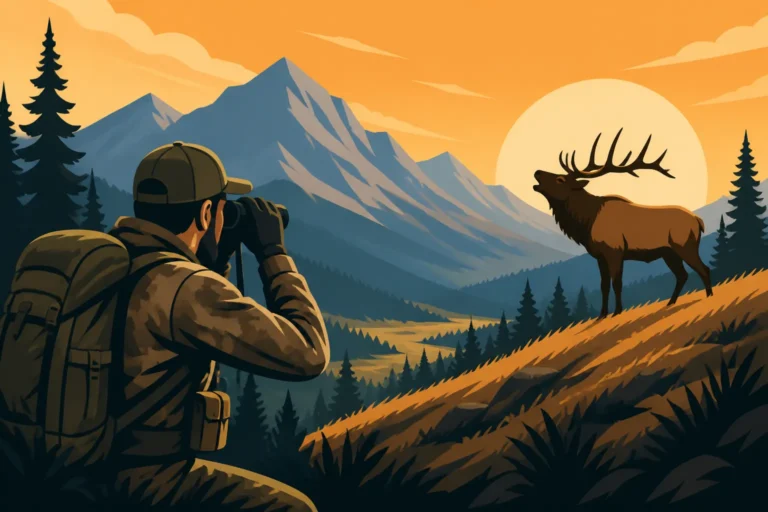
Glassing is, without a doubt, the most important skill for hunting alpine basins, especially those with road access where animals are likely to be distant and wary. You're not just looking for an entire animal; you're looking for a flicker of an ear, a patch of hide, a horizontal line in a vertical world. Investing in quality optics – a good pair of 10x or 12x binoculars on a tripod, and a reliable spotting scope – is non-negotiable.
When you reach your glassing vantage point, set up your tripod. This is crucial for stability and reducing eye fatigue. Begin by breaking down the vast basin into smaller, manageable sections. Start from left to right, or top to bottom, meticulously picking apart every single rock, shadow, and patch of timber. Don’t rush. Spend 15-20 minutes on one section before moving on. Animals, particularly sheep and goats, can blend in unbelievably well with the rocky landscape. For mule deer, focus your attention on the edges of timber, avalanche chutes, and the shady side of ridges. Glassing an Alpine Basin for Rams provides excellent tips for this, as does Glassing an Interior Hillside for Mule Deer. Patience is your best friend here; many animals are spotted on the 100th pass of the binoculars, not the first. Look for subtle movements, a reflection of an eye, or a shape that just doesn't quite fit the natural contours of the mountain.
The Art of the Stalk in Open Country
Once you've spotted your target animal, the real challenge begins: the stalk. In open alpine terrain, this is an incredibly demanding feat of stealth, patience, and often, physical endurance. You need to use every fold in the terrain, every rock, every stunted tree for concealment. Always keep the wind in your favour. Alpine winds are notoriously fickle, swirling around ridges and through drainages, so constantly check and re-check the wind direction.
Move slowly, deliberately, and with purpose. Animals in road-accessible basins are often hyper-vigilant. One wrong step, one exposed silhouette, and they'll vanish. Plan your route carefully, identifying cover points along the way. Be prepared for multiple, long pauses, sometimes for an hour or more, to let the animal feed, bed down, or move to a more favourable position. If your initial approach is compromised, don't panic. Back off, reassess, and try a different route if possible. Sometimes, even if you don't get a shot, a successful stalk where you get close to a wary animal is a victory in itself, building your skills for next time. When it comes time to take a shot, ensure you have a rock-solid rest, especially in steep country. Understand shot angles in mountainous terrain and be confident in your abilities.
Gear and Safety Considerations for Alpine Hunts
Hunting British Columbia's alpine, even with road access, is not a casual stroll. The environment is rugged, the weather unpredictable, and the stakes high. Proper gear and an unwavering focus on safety are non-negotiable.
Essential Gear for British Columbia's Alpine
Your gear choices can literally make or break your hunt, and in the mountains, they can even save your life. Layers are paramount for BC's alpine. Expect extreme temperature swings, often within the same day. Start with good base layers, add insulating mid-layers like fleece or puffy jackets, and top it all off with high-quality waterproof and windproof outerwear. What to Wear for British Columbia's Coastal Rain offers great advice, much of which applies to high country as well. Your boots are perhaps the most critical item; invest in sturdy, waterproof mountain hunting boots with excellent ankle support. Even a short hike to a basin can involve steep, uneven, and rocky terrain that will punish inadequate footwear. Boots for Steep British Columbia Country can help you choose wisely.
Beyond clothing, a well-stocked pack is essential. This includes a robust first-aid kit, enough food and water for longer than you anticipate staying, a headlamp with spare batteries, and reliable navigation tools. While GPS apps on your phone are excellent, always carry a physical map and compass as a backup, and know how to use them. A satellite messenger or inReach device is a lifeline in areas without cell service, which is common in many of BC's alpine regions. Satellite Communication on a Remote Hunt provides detailed information on these critical devices. Of course, don't forget your rifle or bow, adequate ammunition, a rangefinder, and shooting sticks or a bipod to ensure a steady shot in often challenging positions.
Weather, Terrain, and Wildlife Awareness
British Columbia's mountains are infamous for their rapidly changing weather. Sunny blue skies can give way to torrential rain, thick fog, or even snow in a matter of hours, even in late summer or early fall. Weather Windows in British Columbia's Mountains is a testament to this reality. Always check the forecast, but be prepared for anything. This means having your rain gear accessible and knowing when to make the call to head down if conditions become too dangerous. Fog can be particularly disorienting in the alpine, turning familiar landmarks into ghostly outlines.
The terrain itself demands constant respect. Steep, loose rock, slippery scree slopes, and hidden crevasses or snowfields can all lead to serious accidents. Watch every step, especially when carrying a heavy pack or descending in low light. When you do achieve success, getting game out of this country is a major undertaking. If you're fortunate enough to harvest an animal, Packing Out of British Columbia's Steep Country and Getting Meat Out of Steep British Columbia Country offer vital advice on quartering, proper frame pack techniques, and safety.
Finally, remember that you are in prime wildlife country. British Columbia's alpine is home to grizzlies and black bears, cougars, and wolves. While encounters are rare, being prepared is key. Carry bear spray, know how to use it, and practice making noise in thick cover. If you encounter a grizzly, know What to Do If You See a Grizzly. When retrieving game, especially in dense timber or after dark, be acutely aware of your surroundings, as the smell of fresh meat can attract predators. Safety in the backcountry is about constant vigilance and preparedness, ensuring that your hunt is not only successful but also safe.
Disclaimer
This article is for general informational purposes only and does not constitute professional advice. Laws, prices and regulations vary by location and change over time. Consult a qualified professional for guidance on your specific situation.