Hunting the Range Around Williams Lake
The vast wilderness surrounding Williams Lake, nestled in the heart of British Columbia's Cariboo region, can feel like a labyrinth to new hunters or those unfamiliar with its diverse landscape. Trying to decipher where to begin, how to access promising areas, and what species thrive in its unique blend of forests, grasslands, and wetlands can be a real headache. This comprehensive guide aims to cut through that confusion, offering clear insights and practical advice to help you navigate and successfully hunt the captivating range around Williams Lake.
Understanding the Terrain and Habitat Around Williams Lake
The region around Williams Lake is a true representation of the Cariboo-Chilcotin's varied ecology, offering a patchwork of habitats that support a robust array of game animals. It’s not just one type of hunting; it’s a whole spectrum, from open grasslands to dense timber, each requiring a different approach. This diversity is what makes hunting here so rewarding, but also why understanding the landscape is critical before you even leave the truck.
The Mix of Forest, Grassland, and Wetlands
When you drive through the Williams Lake area, you'll immediately notice the dramatic shifts in scenery. You'll pass through expansive grasslands, often grazed by cattle, that roll into towering Ponderosa pine and Douglas fir forests. These dry, open forests eventually transition into denser stands of lodgepole pine, spruce, and balsam at higher elevations or in more shaded drainages. Then, interspersed throughout, you’ll find numerous lakes, rivers, and wetland systems, from sprawling marshes to small, boggy creek bottoms. This mosaic isn't just pretty to look at; it dictates where certain game species feed, bed, and travel. A mule deer might prefer the sun-drenched, browse-rich edges of a grassland and conifer forest, while a moose will certainly gravitate towards the willow-choked margins of a slough or beaver pond. Understanding these micro-habitats is the first step to finding your quarry.
These transitional zones, where one habitat type seamlessly blends into another, are often the most productive hunting grounds. Imagine a long ridge where a dry, open pine forest meets a denser, moister stand of spruce, or where a sweeping grassland draw narrows into a timbered creek bottom. These are natural travel corridors, feeding areas, and bedding sites, offering both cover and sustenance. Critters thrive on variety, and the Williams Lake range provides it in spades. Learning to "read" these transitions on a map and then confirm them on the ground will give you a significant advantage in your scouting and hunting efforts. It's not just about looking for animals; it's about looking for where animals want to be.
The varying elevations also play a huge role. Lower, drier benches might hold mule deer in early season, but as snow starts to fall or hunting pressure builds, those deer will often retreat to denser timber or higher, south-facing slopes that get more sun. Moose, conversely, might be found in lowland swamps and river bottoms for much of the year, but during the rut, they can be surprisingly mobile, ranging into higher timber to find cows. The wetlands themselves are critical for moose, providing rich aquatic vegetation, and are also magnets for waterfowl and even black bears seeking berries or opportunities along the water's edge.
Key Game Species to Pursue
The Williams Lake region is primarily renowned for its mule deer hunting. These magnificent animals thrive in the mixed forest and grassland environments, particularly in areas with good cover and access to agricultural fields or natural browse. You'll find them using the broken country, timbered draws, and the edges where timber meets open sagebrush or grassland. Success with mule deer often hinges on patience and good optics, spotting animals from a distance and planning a careful stalk. This area can be excellent for those looking for a challenging but rewarding mule deer hunt. For more insight into these iconic animals, check out Mule Deer Across British Columbia's Interior.
Beyond mule deer, the Williams Lake area offers excellent moose hunting opportunities, especially in the more northern and eastern parts of the Cariboo region where their populations are strong. Moose are creatures of the dense bush and water, favouring willow-rich wetlands, lake edges, and areas of regenerating timber. If you're looking to hunt moose here, focus on the low-lying areas, particularly around beaver ponds, sloughs, and along river systems. Their sheer size and impressive antlers make them a highly sought-after species, and the Cariboo has a well-deserved reputation for producing big bulls. Understanding What a British Columbia Bull Moose Weighs will give you an idea of the challenge you're in for.
Black bears are also abundant throughout the Williams Lake region, found from the valley bottoms to higher elevations. They're opportunistic feeders, and you'll often find them along logging roads in the spring, grazing on new growth, or in the fall, feasting on berry patches on south-facing slopes. Hunters often target them by glassing clearcuts, open hillsides, or even checking out the edges of lakes and marshes where they might forage. The diverse habitat provides plenty of food sources for bears throughout the year, making them a consistent presence. For a broader overview of their distribution, consider reading Black Bears Across British Columbia. In addition to these big game species, the area also offers good opportunities for grouse hunting – ruffed and spruce grouse are commonly found along old logging roads and in timbered areas, providing a fantastic bonus to any big game hunt.
Accessing the Williams Lake Hunting Areas
Access is often the biggest hurdle for hunters in British Columbia, and the Williams Lake area is no exception. While there's vast public land, knowing how to navigate it, and more importantly, how to respect private holdings, is paramount for a successful and ethical hunt. The region is a mix of expansive Crown land and private ranch property, especially in the valley bottoms.
Navigating the Extensive Forest Service Road Network
The Cariboo, including the area around Williams Lake, is crisscrossed by an incredible network of Forest Service Roads (FSRs) and old logging roads. These roads are your lifeline for accessing large tracts of public land, often referred to as Crown land. From well-maintained gravel highways to barely visible two-tracks disappearing into the bush, these roads open up vast territories that would otherwise be impenetrable. For a deep dive into using these lifelines, check out British Columbia's Forest Service Road Network. However, relying solely on an old paper map can be misleading; many FSRs are active logging roads, meaning you need to be aware of industrial traffic, while others might be deactivated, overgrown, or washed out.
Planning your route meticulously before you go is crucial. Digital mapping tools have revolutionized this. Platforms like onX Hunt or even Google Earth allow you to scout from your armchair, identifying potential access points, old cutblocks, and remote drainages. Many hunters now rely on onX Hunt to overlay satellite imagery with land ownership boundaries, making it much easier to identify Crown land and plan routes. When you get on the ground, having these maps downloaded to your phone or a dedicated GPS unit is a game-changer, helping you stay on track, mark points of interest, and avoid inadvertently trespassing. For detailed guidance, Using onX for British Columbia Crown Land is an excellent resource.
Keep in mind that while FSRs offer incredible access, they also channel a lot of other outdoor enthusiasts—other hunters, quadders, hikers, and campers. To find less-pressured areas, you'll often need to park your vehicle at the end of a drivable FSR or a deactivated road and be willing to walk, sometimes for miles, into the backcountry. Always be aware of active logging operations; look for signs, listen for radio traffic, and yield to industrial vehicles. Roads can change rapidly due to logging, washout, or seasonal closures, so flexibility and a good understanding of current conditions are essential.
Respecting Private Property and Ranch Lands
While British Columbia boasts vast tracts of Crown land, particularly in the Cariboo, the valley bottoms and prime low-elevation areas around Williams Lake often consist of private ranch land. This can create a challenging checkerboard pattern, where a parcel of Crown land might be completely surrounded by private property, making legal access difficult or impossible without permission. Understanding British Columbia's Crown Land Access is fundamental, but so is recognizing where it ends and private land begins. Ranchers in this area have been working the land for generations, and their patience for trespassers is, understandably, very thin.
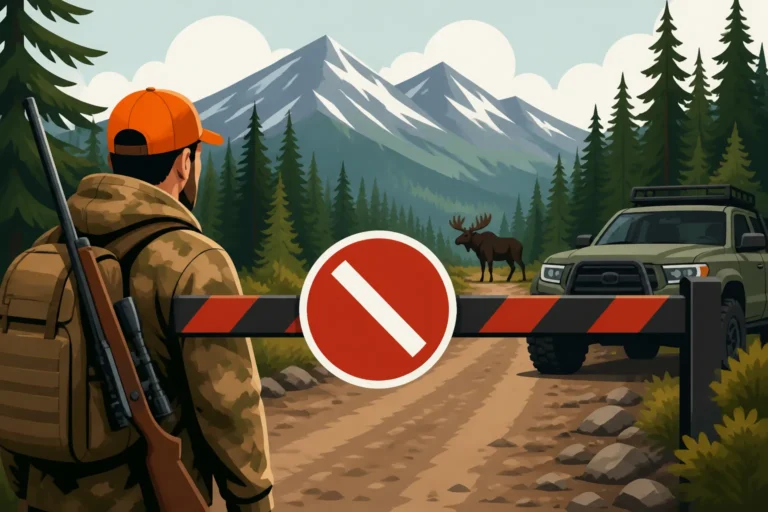
Before you head out, carefully study land ownership maps. Again, tools like onX Hunt are invaluable for clearly delineating property lines. If your chosen hunting area involves crossing or bordering private land, always seek permission before you enter. A friendly conversation, an offer to help with a gate, or simply showing respect for their property can go a long way. Many ranchers are open to granting access if approached respectfully and well in advance, especially if you understand and agree to their terms. Ignoring these boundaries can lead to legal issues, damage the reputation of all hunters, and severely limit future access for everyone. Remember, "No Trespassing" signs mean exactly that, and it's your responsibility to know where you are at all times.
Beyond direct trespass, be mindful of how your activities impact private land. Leaving gates open, disturbing livestock, or driving off-road onto pastures are surefire ways to burn bridges with landowners. The Cariboo is cattle country, and much of the Crown land is also leased for grazing. Always close gates behind you, give livestock a wide berth, and if you see cattle on Crown land, remember they are part of a rancher's livelihood. This respectful approach helps maintain the positive relationship between hunters and landowners, preserving access for future generations. If you're hunting within or adjacent to a cattle range, familiarize yourself with best practices, as covered in Hunting the Cariboo Cattle Range.
Strategies for Hunting Success Near Williams Lake
Williams Lake is not a "drive-up and shoot" kind of place. It demands effort, patience, and smart hunting strategies tailored to its unique environment and the behaviour of its game animals. Whether you're chasing a trophy mule deer or a big bull moose, a thoughtful approach will dramatically increase your odds.
Effective Scouting and Pre-Season Planning
Effective scouting is the bedrock of a successful hunt in the Williams Lake area. This isn't just about driving around a week before opening day; it's a year-round process. Start with digital reconnaissance. Use topographical maps and satellite imagery on platforms like onX Hunt or GoHunt to identify potential bedding areas, feeding zones, water sources, and natural travel corridors. Look for features like south-facing slopes that melt out early, dense timber patches for cover, or willow flats along creek bottoms. Pay attention to elevation changes and how different habitat types intersect. Scouting a British Columbia Management Unit Online can give you an excellent head start, but always cross-reference with more local information if you can get it.
Once you've identified promising areas on your maps, try to visit them during the off-season. Summer hiking or shed hunting trips are invaluable for learning the terrain firsthand, finding old game trails, identifying water sources, and discovering rubs, scrapes, or droppings. Look for specific sign: fresh tracks, browse lines, and bedding sites. This reconnaissance helps confirm your map-based assumptions and reveals subtleties that only ground-truthing can provide. Keep detailed notes and GPS waypoints for areas with good sign. Remember, what looks good on a map might be too thick, too open, or have too much human activity once you're there.
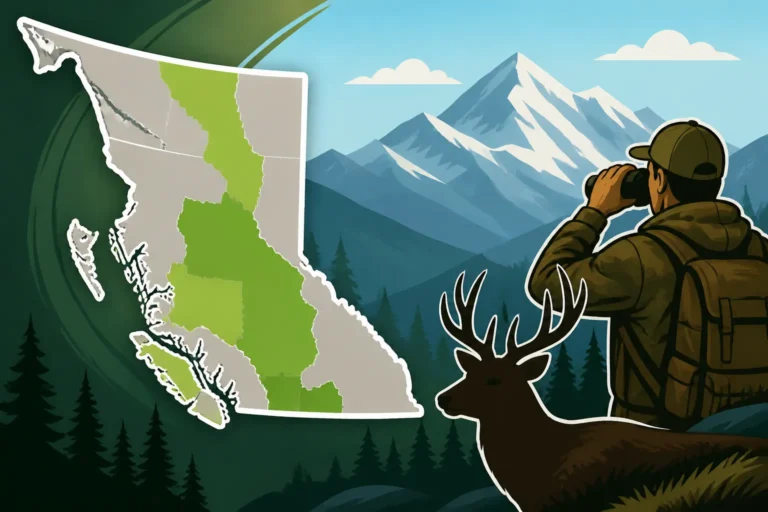
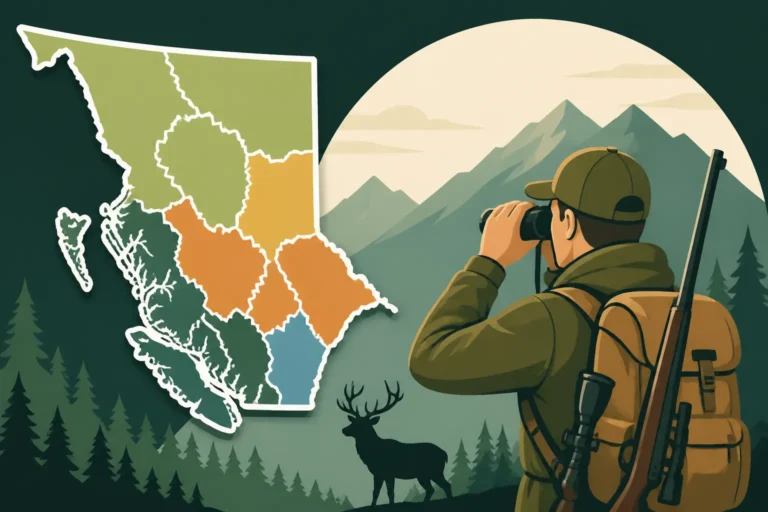
Another crucial part of pre-season planning involves understanding the specific Management Units (MUs) you intend to hunt. Each MU has its own regulations, bag limits, and season dates. You need to know these intimately. Familiarize yourself with the British Columbia hunting regulations, specifically the British Columbia's Management Units and Regions and the British Columbia MU map. Pay close attention to any Limited Entry Hunting (LEH) requirements or antler restrictions that may apply to your chosen area or species. The more you know about the regulatory landscape, the less likely you are to make a costly mistake.
Tailoring Your Approach to Specific Game and Habitat
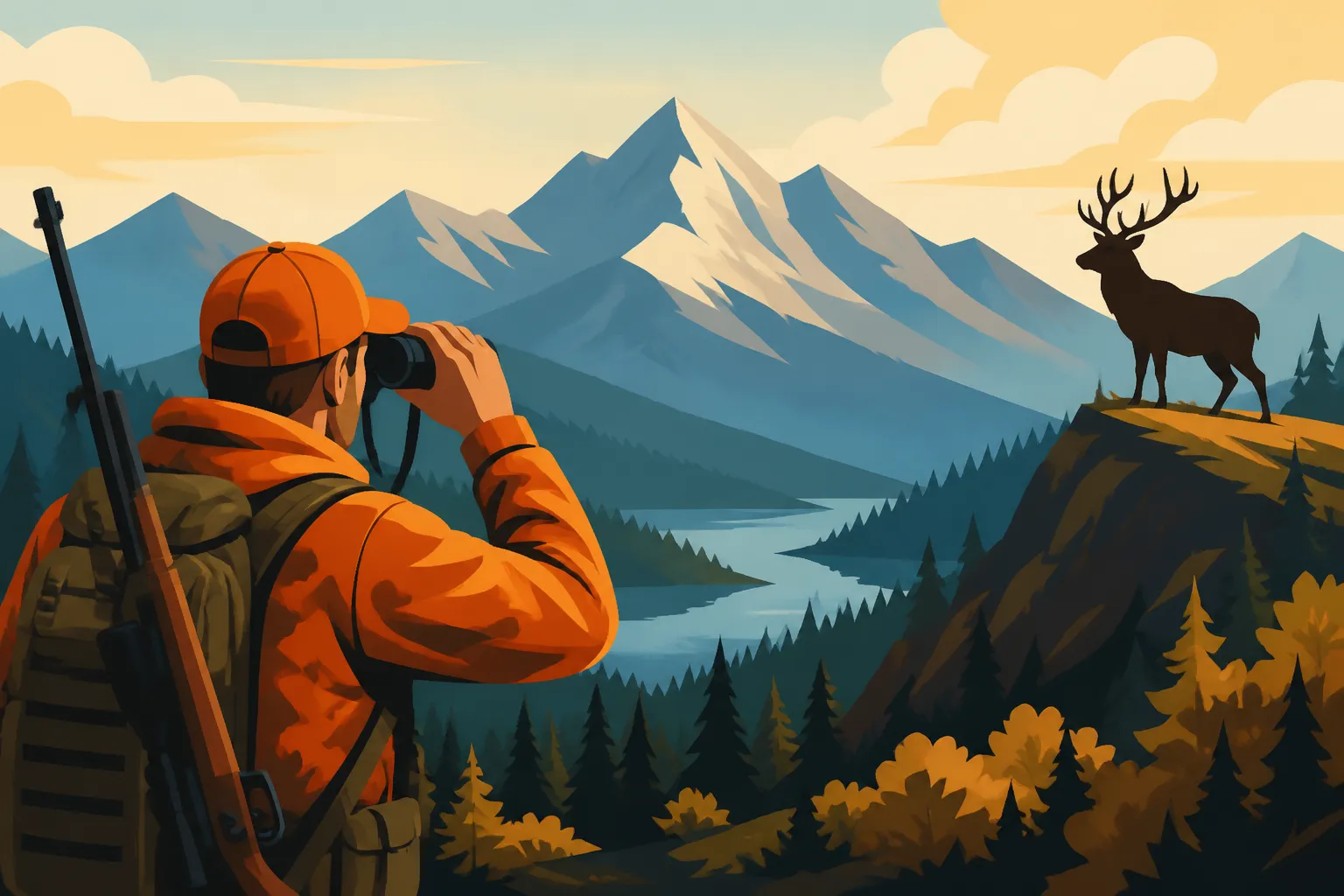
Hunting mule deer in the Williams Lake region often involves a lot of glassing, especially in the more open, broken terrain. Find a vantage point that overlooks multiple draws, benches, or clearcuts. Spend significant time behind good binoculars or a spotting scope, slowly picking apart the landscape for any sign of deer. Once an animal is spotted, planning a careful spot-and-stalk approach becomes key. This means understanding wind direction, using available cover, and moving slowly and deliberately. In denser timber or during mid-day when deer are bedded, still-hunting through prime bedding cover can be effective. Look for areas with a mix of cover and browse, such as the edge of a Hunting an Interior Douglas Fir Bench or a Hunting an Interior Grassland Bench.
For moose, the strategy shifts dramatically. Moose thrive in the willows and regenerating timber of wet areas, making calling a very effective tactic, especially during the rut. Finding a good vantage point overlooking a willow flat or a beaver pond, and then using cow calls or bull grunts, can draw an inquisitive bull right into your shooting lane. During other seasons, silent still-hunting through dense swampy areas or along lake shores, keeping an eye out for fresh sign like tracks and chewed browse, is the way to go. Be prepared for thick cover and potentially wet feet. Knowing What British Columbia's Moose Rut Peaks can help you time your calling efforts for maximum effect.
Black bears can be hunted through a variety of methods around Williams Lake. In the spring, when bears are emerging from hibernation and seeking fresh green growth, driving and glassing logging roads is a popular and effective method. Simply drive slowly, stopping frequently to glass clearcuts, avalanche chutes, and open slopes. In the fall, focus on areas with abundant berry crops, often on south-facing slopes, or near salmon-bearing streams if you're closer to major river systems. Spot-and-stalk is also effective for bears, especially when you find them feeding in an open area. Remember, regardless of the species, always prioritize ethical shot placement and responsible meat care, especially in British Columbia's warmer early seasons.
Table: Key Game Species & Preferred Habitats Near Williams Lake
| Game Species | Primary Habitat Types | Common Hunting Tactics | Best Time to Hunt (General) |
|---|---|---|---|
| Mule Deer | Mixed forests, grasslands, sagebrush benches, clearcuts | Spot-and-stalk, still-hunting, glassing | Early Fall, Late Fall (Rut) |
| Moose | Willow flats, wetlands, lake shores, dense regenerating timber | Calling (rut), still-hunting, tracking | Late Summer, Fall (Rut) |
| Black Bear | Logging roads, clearcuts, berry patches, timbered slopes | Glassing, spot-and-stalk, still-hunting | Spring (Green-up), Fall (Berries) |
| Grouse | Old logging roads, dense timber, alder bottoms | Walking roads, still-hunting | Fall |
Essential Regulations and Reporting
Navigating the regulations is a critical part of hunting anywhere, and British Columbia is no exception. Before you even set foot in the field, you absolutely must have a thorough understanding of the current hunting regulations. The British Columbia government publishes a British Columbia's Two-Year Regulations Synopsis, which is your bible for all things legal and ethical when hunting. Don't rely on outdated information or hearsay; always consult the official synopsis.
This synopsis will detail important information such as specific season dates for different species and management units, bag limits, antler point restrictions (e.g., British Columbia's famous 4-point antler restriction for mule deer in many areas), legal methods of harvest, and special conditions for certain zones. For instance, some areas around Williams Lake might be General Open Seasons for mule deer, while others might be Limited Entry Hunting (LEH) only, requiring a successful draw application. Ignorance of the law is not an excuse, and violations can lead to heavy fines, license suspension, and seizure of game. Take the time to read and understand the rules for the specific areas and species you plan to pursue.
Beyond the hunt itself, British Columbia has strict compulsory reporting rules for many species, including moose and certain deer. This means that if you are successful, you are legally obligated to report your harvest within a specified timeframe, often 30 days. This data is vital for wildlife managers to monitor populations and set future regulations. Failure to report can result in penalties. Always carry your hunting license and species tags, and ensure they are properly filled out and attached to your animal immediately upon harvest. These regulations are designed to protect wildlife populations and ensure sustainable hunting opportunities for everyone.
Disclaimer
This article is for general informational purposes only and does not constitute professional advice. Laws, prices and regulations vary by location and change over time. Consult a qualified professional for guidance on your specific situation.