Hunting a Cariboo Cattle Range
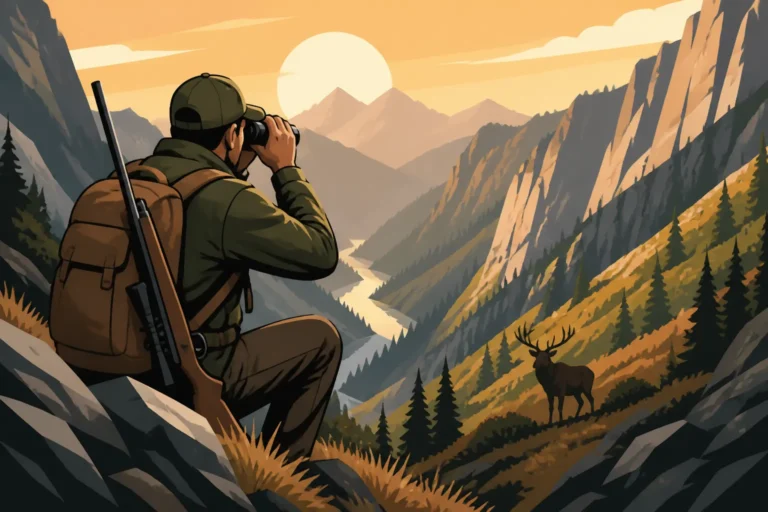
Hunting a cattle range in British Columbia’s vast Cariboo region often conjures images of wide-open spaces, towering mountains, and perhaps a lone deer silhouetted against a setting sun. The reality, however, is far more complex and often presents a unique set of challenges and frustrations for hunters. Navigating the checkerboard of private ranch land, active cattle operations, and public access can be daunting, but with the right knowledge and approach, these productive landscapes offer fantastic hunting opportunities. This guide is here to unravel the intricacies of hunting the Cariboo cattle ranges, helping you understand the terrain, the game, and the respectful approach needed to succeed.
Understanding the Cariboo Cattle Range Ecosystem
The Cariboo region is synonymous with ranching, and these vast cattle ranges aren't just pasture for livestock; they are incredibly diverse ecosystems that support a wide array of wildlife. From the open grasslands to the dense timber pockets and riparian zones, each element plays a critical role in drawing and holding game animals. Many hunters overlook these areas, assuming active ranching means poor hunting, but often it means concentrated food and water sources that attract big game.
The Habitat Mosaic of the Cariboo
Imagine rolling hills covered in sagebrush and bunchgrass, transitioning abruptly into stands of trembling aspen, Douglas fir, and lodgepole pine. This is the typical mosaic you’ll encounter across the Cariboo cattle ranges, especially around historic ranching towns like Williams Lake, Riske Creek, and 100 Mile House. The open grasslands provide excellent forage for deer and elk, particularly during the shoulder seasons. As winter approaches, these open areas can become critical staging grounds as animals move down from higher elevations.
The interspersed timber patches offer crucial cover from predators and the elements. Mule deer, for example, will often bed down in these denser stands during the day, emerging into the open to feed at dawn and dusk. Moose, preferring wetter environments, are often found along creek bottoms, around beaver ponds, or in willow flats that crisscross these ranching landscapes. Black bears are also commonly found, drawn to berry bushes in clearings or the rich food sources along riparian areas. Understanding this interplay of open ground, cover, and water is paramount. If you're looking to delve deeper into the specific areas, guides like Hunting a Cariboo Cattle Range can provide more localized insights.
The Influence of Livestock on Game Behavior
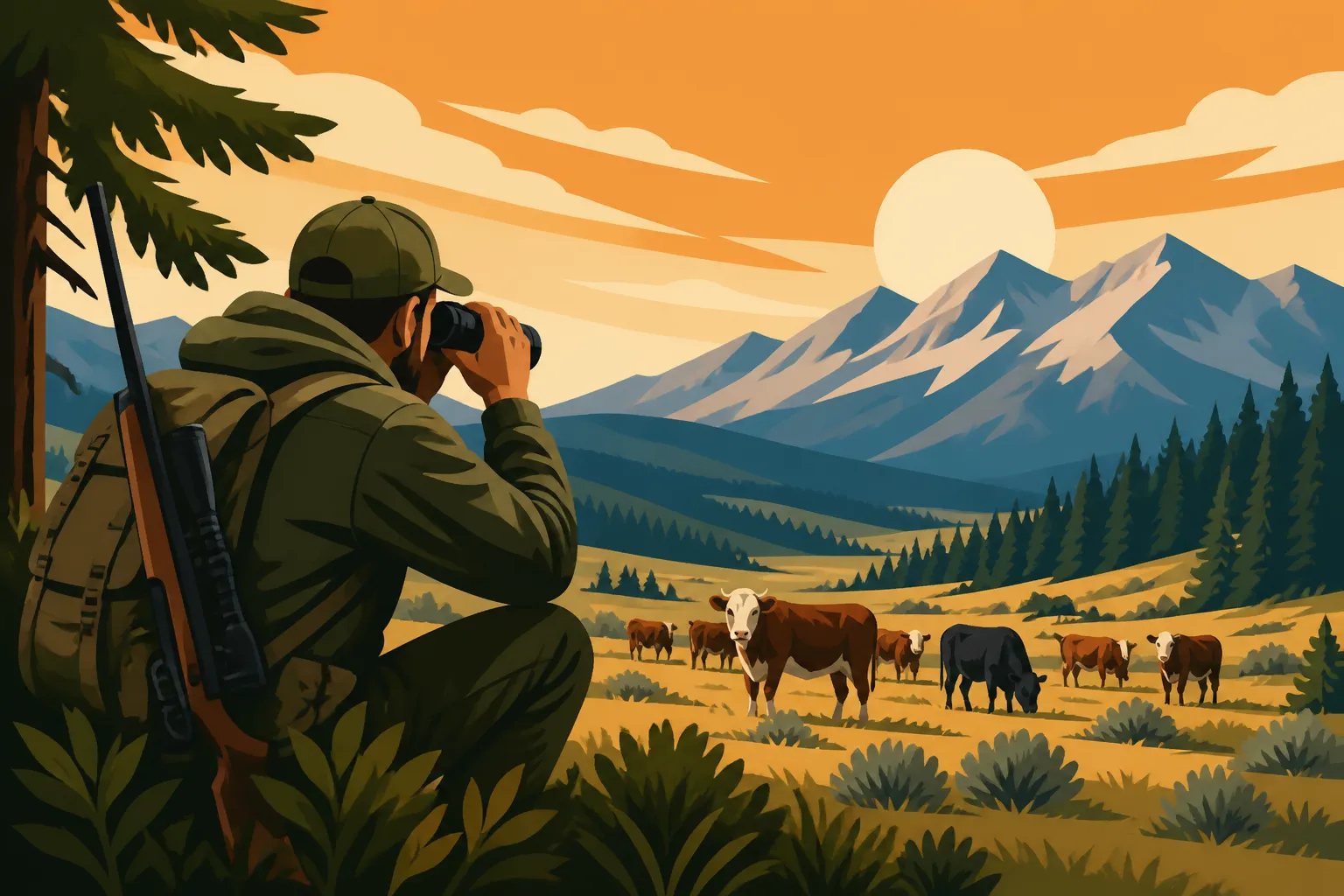
It’s easy to think that cattle, with their constant grazing and movement, would scare off wild game. However, often the opposite is true. Cattle act as landscape modifiers, their grazing can stimulate new grass growth, and their trails often create easy travel corridors for wildlife. Water troughs, developed for livestock, become invaluable water sources for deer, moose, and bears, especially during dry periods. You’ll frequently find game animals feeding directly alongside cattle, seemingly undisturbed by their presence.
The key frustration for hunters here is not the presence of cattle themselves, but rather the perception of limited access or the potential for disturbing someone's livelihood. It requires a different mindset than simply heading into deep wilderness. You need to be mindful of stock, fences, and active ranching operations. Deer and moose, while accustomed to cattle, might still become more wary if they associate human presence with the livestock. Learning to distinguish fresh game sign from cattle sign is also crucial; deer tracks might be subtle next to cow prints, but they’re there if you look closely. Keep in mind that while cattle are an agricultural commodity, they also act as an indirect draw for the very game you're pursuing.
Effective Hunting Strategies on Ranch Lands
Hunting the Cariboo cattle ranges demands a blend of patience, observation, and a willingness to adapt your tactics to the unique environment. It's not always about covering miles of ground, but rather about strategically positioning yourself and understanding the subtle movements of game within these active landscapes.
Glassing and Spot-and-Stalk Tactics for Mule Deer
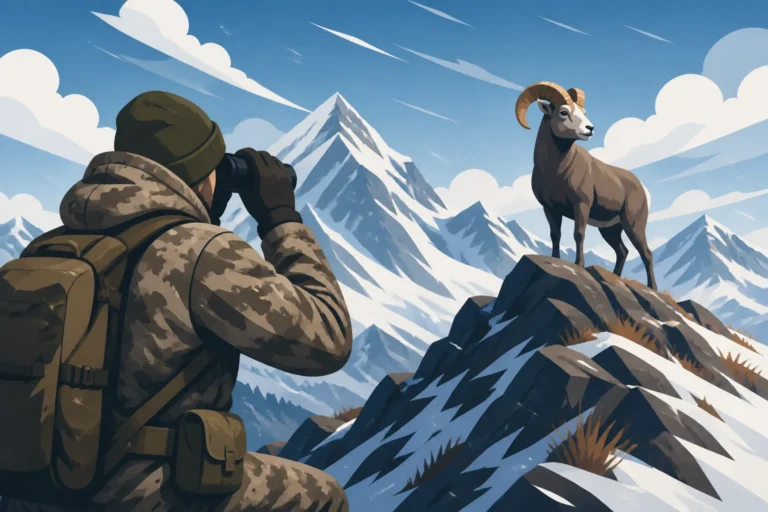
The open nature of many Cariboo cattle ranges makes them ideal for glassing. Instead of still-hunting through thick timber, you’ll spend a lot of time perched on a vantage point, systematically scanning hillsides, draws, and timber edges with high-quality binoculars or a spotting scope. This is especially true for mule deer, which often prefer to feed in the open or along brushy edges during low light. As the day progresses, they’ll retreat to the safety of timber patches or deep coulees to bed down. Tools like the GoHunt mapping system can be invaluable here, helping you identify potential bedding areas, water sources, and travel corridors before you even step out of the truck.
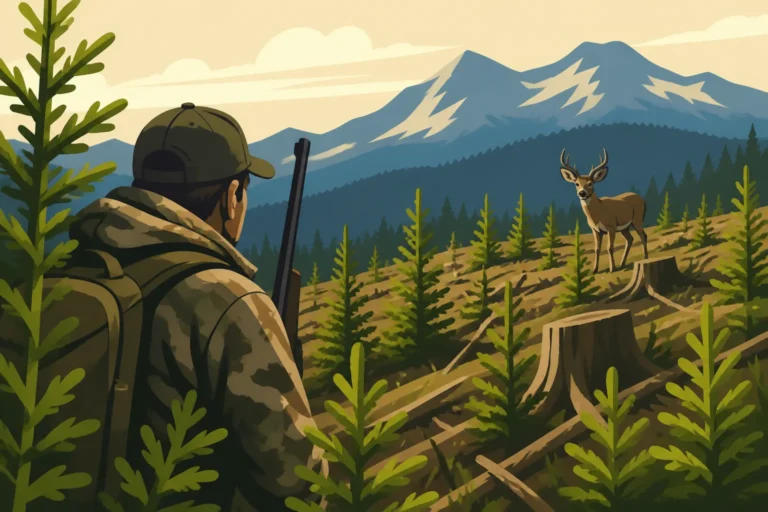
Once you spot a buck, the real work begins: the spot-and-stalk. This involves carefully planning your approach, using the terrain to stay out of sight, and minimizing noise. Wind direction is critical; mule deer have an incredible sense of smell. Pay attention to fence lines, as deer often use these as travel routes or jump them at predictable spots. One common frustration is the sheer distance involved; what looks like a short stalk on a map can turn into a mile-long trek across undulating terrain, all while trying to avoid spooking livestock or other game. For more specific insights into these tactics, read up on Glassing an Interior Hillside for Mule Deer.
Pursuing Moose and Other Game in Riparian Zones
While mule deer often favour the drier uplands, moose in the Cariboo tend to stick to the wetter areas associated with cattle ranges: creek bottoms, willow swamps, and the fringes of small lakes or beaver ponds. These riparian zones offer the lush forage and consistent water sources that moose crave. Hunting moose here means shifting your focus from open-country glassing to more traditional still-hunting or calling tactics within denser cover.
During the rut, calling moose in these areas can be incredibly effective. Bulls will often respond to cow calls or the sound of raking brush, especially if they are feeling territorial. You might find yourself slowly working along a creek bank, listening for the tell-tale splash or the snap of a branch. Black bears are also frequently encountered in these areas, particularly in spring when they emerge from hibernation and seek early green-up, or in fall when berries are ripe. Don't forget about predators like coyotes or wolves, which are always present on cattle ranges and can offer additional hunting opportunities, often found stalking the same game. You can learn more about calling techniques in Calling Moose in the Rut.
Table: Common Game on Cariboo Cattle Ranges
| Species | Preferred Habitat on Cattle Range | Best Hunting Method | Challenges |
|---|---|---|---|
| Mule Deer | Open grasslands, sagebrush draws, timber edges | Spot-and-stalk, glassing vantage points | Wide-open terrain, cautious animals, livestock |
| Moose | Willow flats, creek bottoms, beaver ponds, wet lowlands | Still-hunting, calling (rut), tracking | Dense cover, heavy animals, unpredictable behaviour |
| Black Bear | Berry patches, riparian zones, timber fringes | Glassing slopes (fall), still-hunting (spring), opportunistic | Recognizing sign, dense cover, unpredictable travel |
| Coyote/Wolf | Any area with prey, open fields, timber edges | Calling, stand hunting, opportunistic | High intelligence, wary, elusive |
Navigating Access and Regulations in Ranching Country
One of the biggest hurdles and sources of frustration when hunting British Columbia’s Cariboo cattle ranges is understanding and securing land access. Unlike vast tracts of continuous Crown land, ranching areas are often a mosaic of private property, leased Crown land, and accessible public land. Misunderstanding these distinctions can quickly lead to trespassing issues or ruined hunts.
Securing Private Land Access
Many of the most productive cattle ranges are either entirely private property or have significant private land components. For non-residents, understanding the Rules for Non-Residents Hunting British Columbia is critical, which generally requires being accompanied by a licensed guide or a resident hunter with a Permit to Accompany. For residents, accessing private land always requires explicit permission from the landowner or leaseholder. This is not a suggestion; it's a legal requirement under British Columbia's Trespass Act. Showing up unannounced and expecting access is a recipe for disappointment and can harm future hunter-landowner relations.
My advice? Start early. Identify specific ranches or areas you’re interested in, then try to contact the owners well in advance of the season. A polite phone call or letter, explaining your intentions and offering to share any harvested game, can go a long way. Be prepared for rejection; many ranchers have valid concerns about property damage, livestock disturbance, or simply prefer not to have hunters on their land. If you do secure permission, respect all conditions they impose. This might mean restricting vehicle access, avoiding certain pastures, or checking in daily. Remember, you are a guest, and your behaviour reflects on all hunters. This is where tools like GoHunt can show land ownership boundaries, giving you a better understanding of who to contact.
Utilizing Crown Land within Ranching Areas
Even within large ranching operations, there are often pockets or corridors of Crown land that are legally accessible to the public. These can be tiny parcels, old road allowances, or even larger blocks interspersed among private holdings. The challenge is identifying these areas and figuring out how to reach them without crossing private land without permission. This is where detailed mapping resources are absolutely essential.
Online resources and apps like GoHunt or iHunter BC are incredibly helpful for overlaying land ownership maps with topographic features. They allow you to differentiate between private, Crown, and even leased Crown land. Some ranchers might have leases on Crown land for grazing, which doesn't necessarily restrict hunting access, but it does mean you need to be extra vigilant about livestock and potentially active ranching operations. Finding an old forest service road or a non-motorized trail that accesses a Crown block can be your golden ticket. Always double-check current regulations for that specific management unit, as rules on vehicle use, target species, and seasons can change. A deep dive into Reading a British Columbia MU Map can really help clarify these complexities.
Essential Mapping Tools and Regulations
Beyond knowing who owns what, understanding the local regulations for the specific Management Unit (MU) you're in is critical. British Columbia's hunting regulations are highly localized, with varying season dates, bag limits, and antler restrictions from one MU to the next. The Cariboo region falls within Region 5 (Cariboo) for regulations, but within that, each MU has its own specific rules.
Here's where digital mapping tools truly shine:
- GoHunt/iHunter BC: These apps integrate land ownership, topo maps, satellite imagery, and often regulations overlays. They allow you to pinpoint your exact location, see property boundaries, and plan your routes while respecting private land. They can also show you things like Finding Open Forest Roads in British Columbia which might grant access to Crown land parcels.
- BC Hunting & Trapping Regulations Synopsis: Always have the most current digital or physical copy. This is your bible for season dates, bag limits, and specific rules for your MU.
- FWID and Online Licence System: Ensure your British Columbia Hunting Licences and Fees are up-to-date and that you have purchased the correct species tags for the animals you intend to hunt. The online system often has resources for finding regulation summaries.
Always verify access points, especially if gates are involved. Sometimes, gates on what appears to be a public road may be locked, requiring a call to a local forest office or even the nearest rancher to inquire about access. Never cut a lock or force a gate; this is illegal and will severely damage hunter-landowner relations.
Seasonal Considerations and Ethical Hunting Practices
The Cariboo cattle ranges are dynamic places, and the best time to hunt, as well as the ethical considerations you need to keep in mind, will shift significantly with the seasons. From early archery openers to the late-season rifle hunts, understanding these nuances is crucial for both success and maintaining a positive image for hunters.
Timing Your Hunt for Success
The hunting seasons in the Cariboo offer various opportunities, each with its own advantages and challenges.
- Early Archery Season (September): This can be a fantastic time to target mule deer. Bucks are often still in their summer patterns, focusing on feed, and are less pressured. However, temperatures can still be quite warm, especially on the open range. This requires diligent Meat Care in British Columbia's Warm Early Seasons to prevent spoilage. Mosquitoes and other bugs can also be a significant factor.
- Rifle Opener (October): The general open seasons bring more hunters, but also cooler weather. Mule deer are starting to transition towards their fall ranges, and moose might still be receptive to calling during the tail end of the rut. You'll often find deer moving between timber pockets and open fields more regularly.
- Late Season (November/December): As snow begins to fall and temperatures drop, game animals are driven down from higher elevations. This can concentrate deer and moose on lower-elevation ranch lands where forage is still accessible. This is also when the mule deer rut often peaks, leading to increased movement and activity. However, road access can become challenging due to snow, and you might be hunting in very cold conditions. Hunting British Columbia Late When Snow Closes Roads becomes a real consideration.
Planning your hunt around these seasonal patterns, combined with insights from local ranchers or wildlife biologists, will greatly increase your odds of success. Weather windows can be short and intense in the Cariboo, so flexibility is key.
Respecting Property and Livestock
Hunting on or adjacent to active cattle ranges demands a heightened level of respect for private property and ranching operations. The "hunting experience" here isn't solely about the pursuit of game; it's about being a good neighbour and an ethical hunter.
- Closed Gates: Always, always close any gate you open, even if you find it open. Ranchers often leave gates open for cattle to move, but if you don't know the system, closing it is the safest bet. It’s a simple act that prevents livestock from escaping and shows immense respect.
- Livestock Safety: Never shoot towards livestock or within close proximity to them. This might seem obvious, but in the heat of the moment, a hunter might not notice cattle behind a target. Your bullet trajectory matters, and you are responsible for where every projectile lands.
- Roads and Trails: Stick to established roads and trails, especially if given permission by a landowner. Driving off-road can damage sensitive ecosystems, create ruts, and annoy ranchers. If a road is wet and muddy, consider walking to avoid causing damage.
- Noise and Presence: Be mindful of your presence. While hunters are generally quieter than a herd of cattle, a large group of loud hunters can still be disruptive. Being discreet and respectful goes a long way.
Ignoring these practices not only risks legal trouble but also burns bridges for all future hunters. Local ranchers are the custodians of a significant amount of wildlife habitat, and fostering positive relationships is essential for maintaining hunting access.
Practical Logistics and Safety
Beyond the immediate hunt, there are practical considerations for hunting the Cariboo cattle ranges that seasoned hunters know well.
- Bear Safety: Black bears are common in the Cariboo. Always carry bear spray and know how to use it. Be especially vigilant when field dressing game, as the smell of blood can attract curious bears. If you manage to harvest a large animal like a moose, quartering it quickly and getting it off the carcass site is a smart move, particularly in areas known for bear activity. Read up on Bear Safety While Hunting in British Columbia for comprehensive advice.
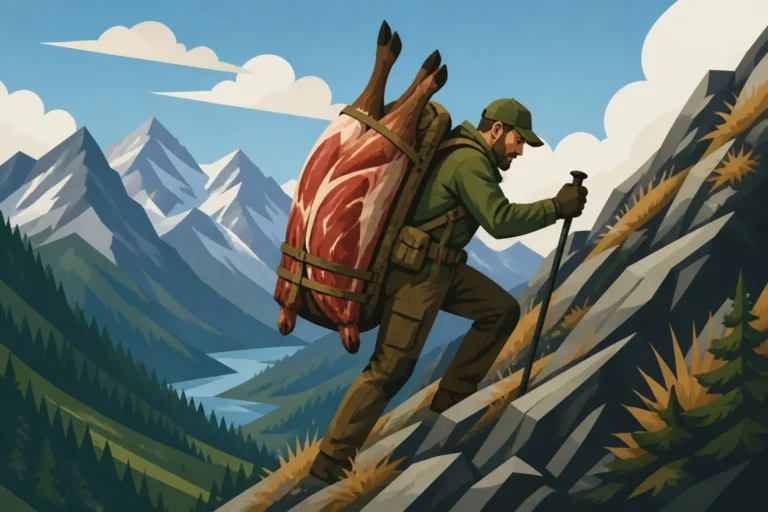
- Pack Out: Even if you’re hunting relatively close to a road, be prepared for a substantial pack out. A downed deer or moose can be heavy, and the terrain can be deceptively challenging. A good frame pack is essential. Consider how you will quarter and cool your animal, especially if hunting solo. For large game like moose, having a plan for Getting a Moose Out on a British Columbia River or other transport is vital.
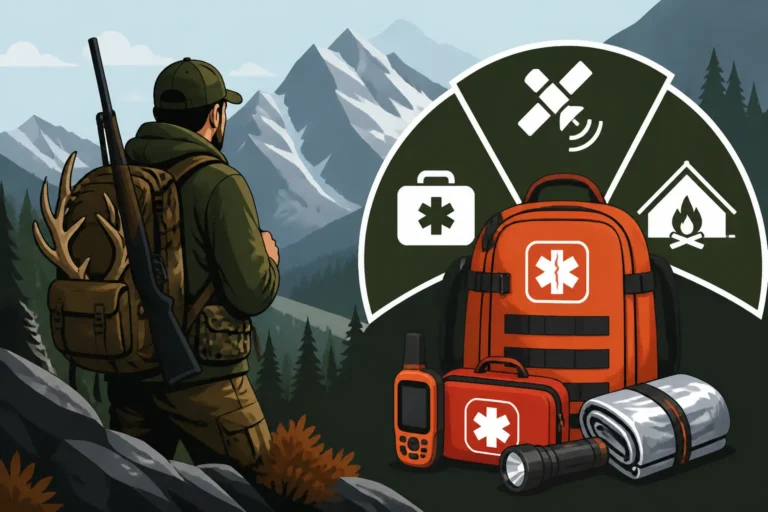
- Emergency Preparedness: Even in relatively settled ranching country, cell service can be spotty. Always have a robust emergency plan, including a satellite communication device (like an inReach or Zoleo), first-aid kit, and enough supplies for an unexpected overnight. The weather can change quickly, turning a pleasant day into a cold, wet ordeal. Emergency Planning in British Columbia's Backcountry is something every hunter should take seriously, even when seemingly close to civilization.
By approaching hunting in the Cariboo cattle ranges with knowledge, respect, and preparedness, you can enjoy some truly exceptional hunting experiences while contributing positively to the legacy of hunting in British Columbia.
Disclaimer
This guide is for informational purposes only and does not constitute legal advice. Hunting regulations in British Columbia are subject to change, and it is the hunter's responsibility to consult the most current BC Hunting and Trapping Synopsis, relevant provincial acts, and federal regulations before engaging in any hunting activities. Always ensure you have the appropriate licenses, tags, and permissions. Safety should be your paramount concern in the field.