Hunting the Cariboo Mountains
The Cariboo Mountains, a vast and rugged expanse in British Columbia, represent a challenging yet incredibly rewarding destination for any hunter. Many folks hear "Cariboo" and think rolling ranchland, but the mountains themselves are a different beast entirely—steep, remote, and often unforgiving. If you've been dreaming of chasing big game in truly wild country but feel overwhelmed by the sheer scale and remoteness of this region, this guide is for you. We're going to dive deep into what makes hunting the Cariboo Mountains so unique, what animals you can expect to encounter, and how to effectively plan and execute a safe and successful hunt in this incredible part of British Columbia.
Understanding the Cariboo Mountains Hunting Landscape
The Cariboo Mountains aren't just one big hill; they're a complex, sprawling range that offers incredibly diverse hunting opportunities. But with that diversity comes a steep learning curve and a need for serious preparation.
Geography and Terrain Challenges
Imagine towering granite peaks giving way to subalpine meadows, then plunging into dense, dark timber, crisscrossed by countless creeks and rivers. That's the Cariboo Mountains. This isn't flat, easy walking country. Hunters here will contend with significant elevation changes, often navigating steep, unstable slopes covered in scree and dense undergrowth. Think thick alder patches, tangled blowdown from past wind events, and slippery moss-covered rocks. The ground itself can be a challenge, particularly after rain, making footing treacherous and requiring unwavering focus.
The sheer vastness means that what you experience in one drainage might be entirely different in the next. You could be glassing an open avalanche chute one morning, then pushing through dense old-growth timber in a valley bottom that afternoon. This varied terrain means your hunting style needs to be adaptable. A keen eye for reading the landscape is paramount, as is the physical stamina to traverse it day after day. It's a place that truly tests your mettle, demanding both mental fortitude and physical preparedness.
Management Units and Access Points
The Cariboo Mountains region falls within British Columbia's expansive system of Management Units (MUs). These units define specific regulations, season dates, and species limits, and they don't always follow neat geographical lines. For hunters new to the area, understanding which MUs cover the Cariboo range and what specific rules apply to each is your first critical step. It's not enough to simply know you're in the "Cariboo"; you need to pinpoint the exact MU you plan to hunt.
Access into these mountains is primarily via a sprawling network of British Columbia's Forest Service Road Network. However, the term "road" can be used rather loosely in some cases. Many of these roads can be in various states of repair, from well-graded mainlines to barely discernible tracks that demand a high-clearance 4×4, serious off-road driving skills, and recovery gear. Some roads are seasonally impassable due to snow, washouts, or deactivation by logging companies. Using modern mapping applications like onX Hunt is absolutely essential here. It allows you to download offline maps, identify Crown land (public land), private land boundaries, and trace historical road networks, which can save you countless hours of driving up dead ends or inadvertently trespassing. Knowing whether a road is actively being used for logging or if it's been deactivated for years, potentially requiring a long hike from a gate, is vital for your planning.
Prime Species and Their Habitats in the Cariboo
The Cariboo Mountains are a true big game mecca, offering robust populations of several sought-after species, alongside excellent opportunities for small game and birds. Each species tends to favour specific habitats within this diverse landscape, requiring hunters to understand these preferences to increase their chances of success.
Moose Hunting in the Cariboo
For many, the Cariboo Mountains are synonymous with moose hunting. The region's mosaic of wetlands, timber, and river valleys provides ideal habitat for Moose in British Columbia's Interior and North. You'll often find moose frequenting willow bottoms, boggy areas, and the edges of beaver ponds where they can feed on aquatic vegetation and tender new growth. When planning your hunt, pay close attention to recent logging cutblocks, especially those three to five years old, as the regenerating browse offers excellent forage.
During the rut, which typically peaks in late September and early October, the bulls become far more vocal and active, making calling an incredibly effective strategy. Learning to mimic cow calls and bull grunts can draw in a curious or dominant bull, offering exhilarating close-range encounters. A skilled caller can often entice a bull to reveal itself from dense cover. However, hunting moose in this country also means preparing for the challenging logistics of getting a large animal out, particularly in areas far from road access. It's not uncommon to quarter a moose on the ground and pack it out piece by piece over several days, so planning for Quartering a Moose in Grizzly Country (even if it's just black bears in the area) and having the right packing gear is crucial.
Mule Deer and Black Bear Opportunities
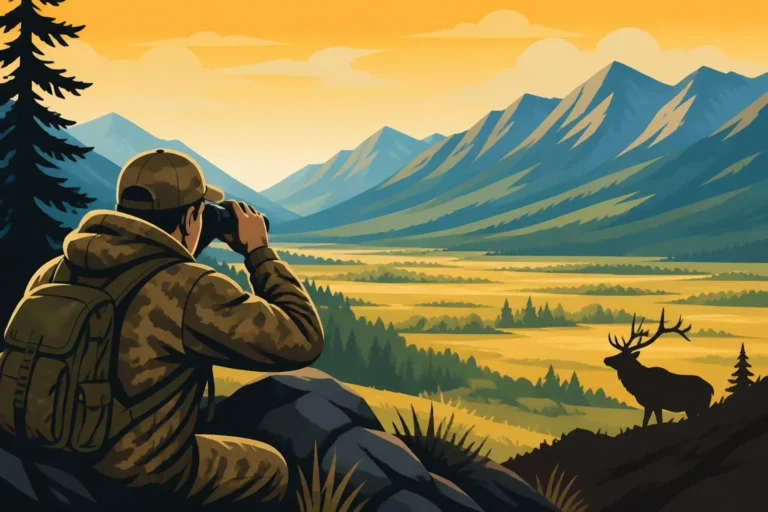
Mule deer are another prime species in the Cariboo, particularly in areas where timber transitions into more open, south-facing slopes, old burns, or pockets of grassland. These deer tend to move between different elevations depending on the season, seeking out nutritious forage and thermal cover. Mule Deer Across British Columbia's Interior often utilize a mix of mature timber for bedding and security, and younger regeneration or natural openings for feeding. Spot-and-stalk is a highly effective method here, requiring good optics and patience to pick apart distant hillsides and clearings. Focus on glassing during the early morning and late evening, and consider still-hunting through promising timber during the day.
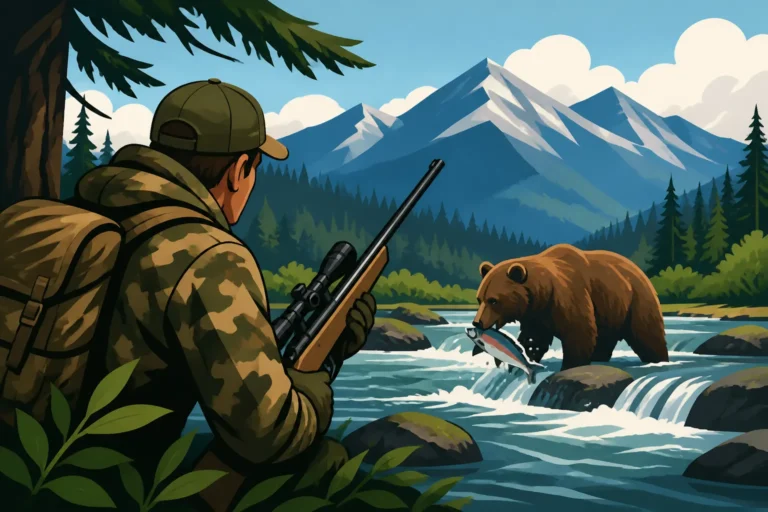
Black bears are incredibly abundant throughout the Cariboo Mountains. They are opportunistic feeders and can be found almost anywhere there's food. In spring, they'll concentrate in lower elevations, often along greening logging roads and south-facing slopes, foraging on new grasses and sedges. In the fall, they transition to berry patches and other mast crops higher up in the subalpine. A good strategy for Black Bears Across British Columbia is to locate areas with ample food sources and glass diligently. Hunting old Hunting a Burned Slope Two Years On can be particularly productive for both deer and bears, as the regrowth provides both browse and berries. Always be aware of your surroundings, especially when moving through dense cover, as unexpected close encounters are certainly possible.
Upland Birds and Small Game
While many hunters come to the Cariboo for big game, the region also offers fantastic opportunities for upland birds and small game. Grouse species, including Ruffed, Spruce, and Blue Grouse, are common throughout the forested areas. You'll often find them along the edges of logging roads, in mixed timber stands, and near riparian zones. British Columbia's Grouse Species provide an excellent bonus opportunity while big game hunting, or can be the target of a dedicated outing. A good bird dog can be invaluable for flushing birds from dense cover.
At higher elevations, particularly as you approach and climb into the alpine, you might encounter Ptarmigan. These hardy birds thrive in the rugged, rocky terrain above timberline and offer a unique challenge for bird hunters. Hunting Ptarmigan in British Columbia's Alpine provides a different kind of mountain experience, combining scenic views with quick-shooting action. Snowshoe hares are also prevalent in the dense underbrush and provide an exciting small game pursuit, especially for those looking to extend their time in the field or introduce new hunters to the sport. Carrying a small gauge shotgun or a .22 rifle can turn a slow big game day into an opportunity to fill the pot.
Essential Planning and Tactics for Cariboo Mountain Hunts
A successful hunt in the Cariboo Mountains hinges as much on meticulous planning and sound tactics as it does on hunting skill. The remoteness and challenging conditions demand thorough preparation.
Navigating the Backcountry and Forest Service Roads
One of the biggest hurdles for hunters in the Cariboo is simply getting to and navigating prime hunting areas. The vast majority of the mountains are only accessible via British Columbia's Forest Service Road Network, which means dealing with varied road conditions. Some mainlines are well-maintained, but many side roads can be extremely rough, with large potholes, significant washouts, and overgrown sections. It's not uncommon to encounter stretches that require careful maneuvering around fallen trees or through deep mud holes. If you're venturing deep into the backcountry, a capable 4×4 vehicle with good tires, adequate ground clearance, and recovery gear like a winch, shovel, and tire chains is practically mandatory. Always let someone know your travel plans and expected return time, especially if you plan on Driving a Deactivated Logging Road where vehicle traffic might be non-existent for days.
Reliable navigation tools are paramount. While a physical map and compass are essential backups, a robust GPS unit or a smartphone with offline mapping capabilities (like onX Hunt or GoHunt, which provide excellent topographic detail and land ownership data) will be your primary navigational aid. Cell service is generally non-existent once you leave the main highway corridors, so don't count on it. A satellite messenger or satellite phone is not a luxury, but a necessity for emergency communication. Satellite Communication on a Remote Hunt can literally be a lifesaver, allowing you to check in with loved ones or summon help if an unforeseen situation arises.
Seasonal Considerations and Weather Preparedness
The Cariboo Mountains experience dramatic seasonal shifts, and understanding these patterns is crucial for planning your hunt. Spring sees bears emerging from dens, often concentrating in lower, greening areas. Summer is prime for scouting, but hunting seasons are closed for most big game. Fall, of course, is the main event for big game. However, "fall" in the Cariboo can mean anything from warm, sunny days to sudden, heavy snowfalls, sometimes within the same week. Weather Windows in British Columbia's Mountains can be short-lived, and conditions can change rapidly.
Table: Typical Cariboo Mountains Hunting Season Outlook (General Open Season)
| Species | Prime Hunting Period (General) | Typical Habitat Preference | Key Considerations |
|---|---|---|---|
| Black Bear | Spring (May-June), Fall (Sept-Oct) | Spring: Lower elevation green-ups, roadsides. Fall: Berry patches, avalanche chutes, cutblocks. | Look for fresh sign, glassing steep slopes. |
| Mule Deer | Early Fall (Sept), Late Fall (Nov) | Transition zones, south-facing slopes, old burns, open timber. | Spot-and-stalk, focus on early/late day feeding. |
| Moose | Early Fall (Sept-Oct) | Willow flats, riparian zones, beaver ponds, recent cutblocks. | Calling during the rut is highly effective. Demanding pack out. |
| Grouse | Fall (Sept-Nov) | Roadsides, timber edges, dense regenerating forest. | Opportunistic while big game hunting, or dedicated walks. |
| Ptarmigan | Fall (Sept-Oct) | High alpine rock and tundra above timberline. | Requires significant hiking, specialized gear. |
Layering your clothing is not a suggestion; it's a rule. You'll need good quality base layers, insulating mid-layers, and a waterproof, windproof outer shell that can withstand heavy rain or snow. Always pack extra warm clothing, even if the forecast looks mild. Hypothermia is a real danger. Beyond clothing, a sturdy pair of broken-in boots is non-negotiable for navigating the steep, uneven terrain. Be prepared for any weather contingency, as help is often many hours away.
Logistics: Gear, Supplies, and Safety
Heading into the Cariboo Mountains is not a casual affair. Your gear list needs to be comprehensive and well-thought-out. Beyond your rifle or bow, ensure you have quality optics (binoculars, spotting scope for long-range glassing), a reliable headlamp with spare batteries, a robust first-aid kit, and enough food and water for longer than you anticipate. Water purification methods, like a filter or chemical tablets, are also essential.
Safety protocols are paramount. Always carry bear spray, know how to use it, and consider carrying a firearm for bear defense, especially in areas with potential grizzly presence (though grizzlies are no longer hunted in BC, they are part of the ecosystem). Bear Safety While Hunting in British Columbia should be a constant thought. Inform a trusted person about your exact hunting location, your intended route, and your expected return time. Stick to your plan and check in when you can. Emergency Planning in British Columbia's Backcountry means being self-sufficient for several days in case of an injury or unexpected weather event that strands you. Finally, remember that getting meat off the mountain quickly and efficiently is vital, especially during warmer early seasons. Meat Care in British Columbia's Warm Early Seasons can make or break the quality of your harvest, so pack game bags, a sharp knife, and understand how to field dress and cool your animal properly.
Disclaimer
This article is for general informational purposes only and does not constitute professional advice. Laws, prices and regulations vary by location and change over time. Consult a qualified professional for guidance on your specific situation.