Hunting the Itcha-Ilgachuz Range
Oh, the Itcha-Ilgachuz Range! Just hearing the name conjures images of vast, wild British Columbia backcountry, truly untamed and often unforgiving. Many hunters dream of venturing into such remote landscapes, but the sheer scale and isolation can feel overwhelming, leaving you wondering where to even begin. This guide is here to cut through that uncertainty, providing a deep dive into what it truly takes to hunt the unique Itcha-Ilgachuz, covering everything from its distinct geography to essential planning and safety.
Understanding the Itcha-Ilgachuz Range Environment
The Itcha-Ilgachuz Provincial Park and the surrounding areas present a hunting experience unlike many others in British Columbia. It's not your typical dense timber or rolling foothills; this is a place shaped by ancient volcanoes, vast plateaus, and an elevation that pushes into genuine mountain wilderness. Hunters often feel a mix of awe and trepidation when they look at a map of this region, and rightly so – it demands respect and thorough preparation.
Unique Geography and Ecosystem
The Itcha-Ilgachuz Range lies within the Interior Plateau of British Columbia, but it stands apart due to its volcanic origins. Imagine a sprawling, elevated plateau dotted with dormant volcanic cones, rolling hills, and expansive open grasslands that transition into subalpine parkland and then into higher alpine zones. This unique geology creates a mosaic of habitats, from open range where you can glass for miles, to dense timber pockets around lakes and along draws. The elevation can vary dramatically, impacting vegetation and, consequently, where different game species prefer to spend their time. It's a land of big skies and even bigger distances.
Because of its volcanic history, the soil in parts of the Itcha-Ilgachuz can be quite distinct, supporting different types of forage than you might find elsewhere in the Interior. The high elevation means a shorter growing season, leading to specific plant communities that deer, moose, and other animals rely on. You'll find everything from open grasslands and sagebrush benches to extensive willow flats in drainages, and then stands of lodgepole pine, spruce, and fir in the timbered areas. Understanding this ecological tapestry is fundamental to predicting where game might be feeding, bedding, or traveling.
Key Species and Their Habitat Preferences
When you consider hunting the Itcha-Ilgachuz, several big game species immediately come to mind, primarily mule deer and moose. This region is renowned for its potential to produce mature animals, largely due to the vastness of the habitat and the lower hunting pressure in many areas compared to more accessible zones. Mule Deer Across British Columbia's Interior are often found grazing in the open grasslands and parklands, especially during the early seasons, moving into the timbered draws and south-facing slopes as the weather cools and they seek shelter and winter browse. Glassing these open areas at first and last light is a classic Itcha-Ilgachuz tactic.
Moose also thrive in parts of the Itcha-Ilgachuz, particularly in the lower-lying areas with extensive willow and alder bottoms around the numerous lakes and creek systems. These areas provide both abundant forage and cover. During the rut, the calls of a bull moose can echo across these wetlands, making for an unforgettable experience. While historically known for caribou, many herds in British Columbia, including those around Itcha-Ilgachuz, are facing significant conservation challenges, and hunting for them is generally closed or highly restricted to protect vulnerable populations. Always consult the current British Columbia hunting regulations for the most up-to-date information on caribou seasons. Black bears are common throughout the range, often feeding on berries in the fall or foraging in lower elevations during spring. Grizzlies are also present in this remote wilderness, so hunters must always be bear aware and prepared.
Accessing the Remote Itcha-Ilgachuz Wilderness
Getting to the Itcha-Ilgachuz is not for the faint of heart, nor for the underprepared. This isn't a place you casually drive into with a sedan. The very remoteness that makes it so appealing to serious hunters also presents significant logistical challenges. Anyone planning a trip here needs to meticulously consider how they will get in, move around, and, most importantly, get out safely with any harvest.
Road Networks and Challenges
Access to the Itcha-Ilgachuz largely relies on an extensive network of Forest Service Roads (FSRs) that branch off main highways. However, many of these FSRs are not regularly maintained and can be extremely rough, with washouts, large rocks, and deep mud pits being common. A high-clearance, four-wheel-drive vehicle is absolutely essential, and often, a heavy-duty truck with good tires is preferred. You'll want to ensure your spare tire is in excellent condition, and consider bringing extra fuel, a shovel, tire chains, and a winch, or at least a good come-along. Driving a Deactivated Logging Road in this region can be an adventure in itself, with gates, alder growth, and rough sections that will test both your vehicle and your patience.
The sheer distance involved in reaching the Itcha-Ilgachuz means you'll be driving for hours, often without cell service, after leaving the pavement. It's crucial to download offline maps, carry physical maps, and inform someone of your route and estimated return time. Many FSRs are active logging roads, so be aware of industrial traffic during weekdays. The main goal here is self-sufficiency; you can't rely on roadside assistance in this country. Checking road conditions with the local Forest District office or recent hunting reports is always a wise move.
Backcountry Travel and Logistics
Once you've navigated the challenging FSRs and parked your vehicle, the real work of backcountry hunting begins. The vastness of the Itcha-Ilgachuz means much of the best hunting will be found well off the main tracks. This often necessitates foot travel, potentially with a quad where permitted and practical. Hunters aiming for quality animals often plan multi-day backpack hunts, setting up spike camps in strategic locations to minimize daily travel. This involves packing in all your supplies – food, water, shelter, and cooking gear – and being prepared to pack out all your meat, hide, and antlers. Packing Out of British Columbia's Steep Country can be a grueling task, especially with a large animal like a moose.
Water sources can be scarce in certain areas, particularly on the higher, drier plateaus, so identifying reliable water points on your maps or packing in sufficient water purification is critical. Navigation skills become paramount when you're miles from any marked trail or road. While GPS devices and apps like onX Hunt are invaluable, a compass and physical map remain essential backups. The weather can change rapidly at elevation, so proper layering and emergency shelter are not optional; they are life-saving tools. Think about what you would do if you got separated from your hunting partners, or if your vehicle broke down a long way from the nearest town. Emergency Planning in British Columbia's Backcountry is not just a suggestion here, it's a necessity.
Strategies for Hunting the Itcha-Ilgachuz Range
Hunting the Itcha-Ilgachuz isn't just about showing up; it's about thoughtful preparation and adapting your tactics to the unique landscape and animal behaviour. The vastness demands a different approach than hunting smaller, more fragmented areas. Success here often comes down to patience, perseverance, and a deep understanding of how the animals use this specific environment.
Scouting and Planning Your Hunt
Effective hunting in the Itcha-Ilgachuz starts long before you ever set foot on the ground. Pre-season scouting, even if it's just digitally, is invaluable. Utilizing satellite imagery on mapping apps like onX Hunt or through tools like GoHunt, you can identify potential travel corridors, bedding areas, water sources, and feeding grounds. Look for changes in vegetation, old burns, clearcuts, or natural openings. Pay close attention to elevation changes and how they might funnel game. Scouting a British Columbia Management Unit Online becomes a primary tool when physical access is difficult.
Once you've identified some promising areas, study them for access points and potential spike camp locations. Consider how wind patterns might affect your approach and plan multiple routes to and from your glassing knobs or hunting spots. For example, if you're targeting mule deer, you'll want to focus on areas where open grasslands meet the treeline, offering both forage and cover. For moose, willow-choked creek bottoms and lake edges will be prime locations. Think about what you expect the weather to be like during your hunt and how that might influence animal movement – for instance, a sudden cold snap might push deer into thicker timber earlier than expected.
Effective Hunting Techniques for the Terrain
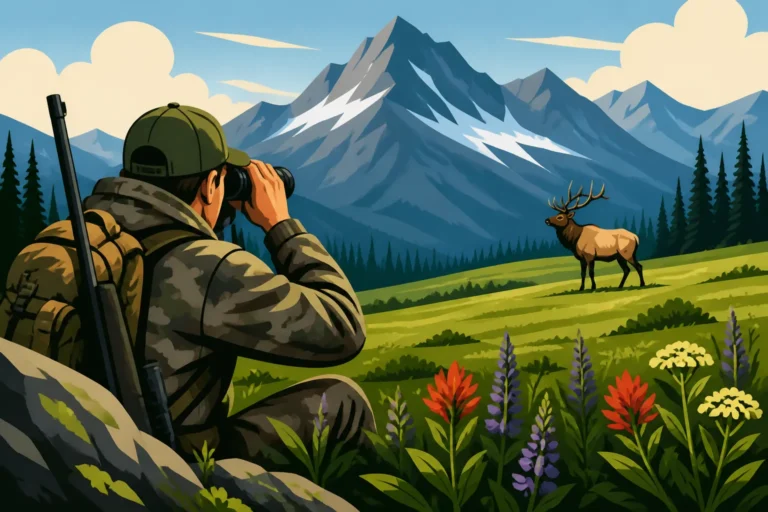
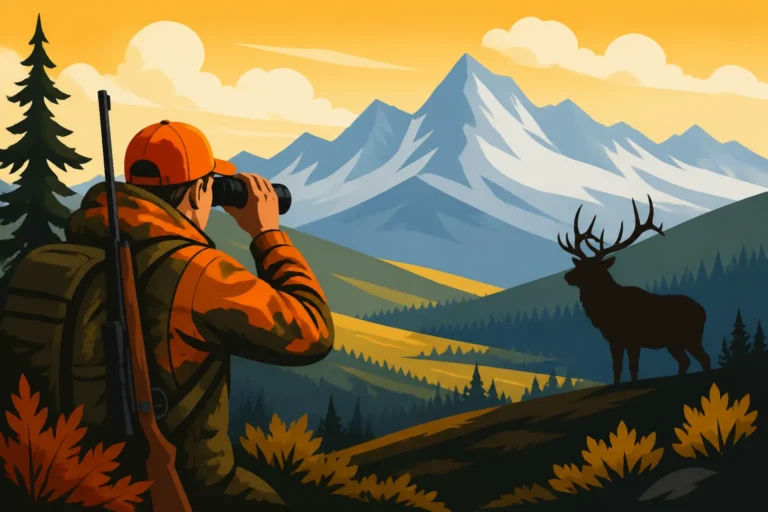
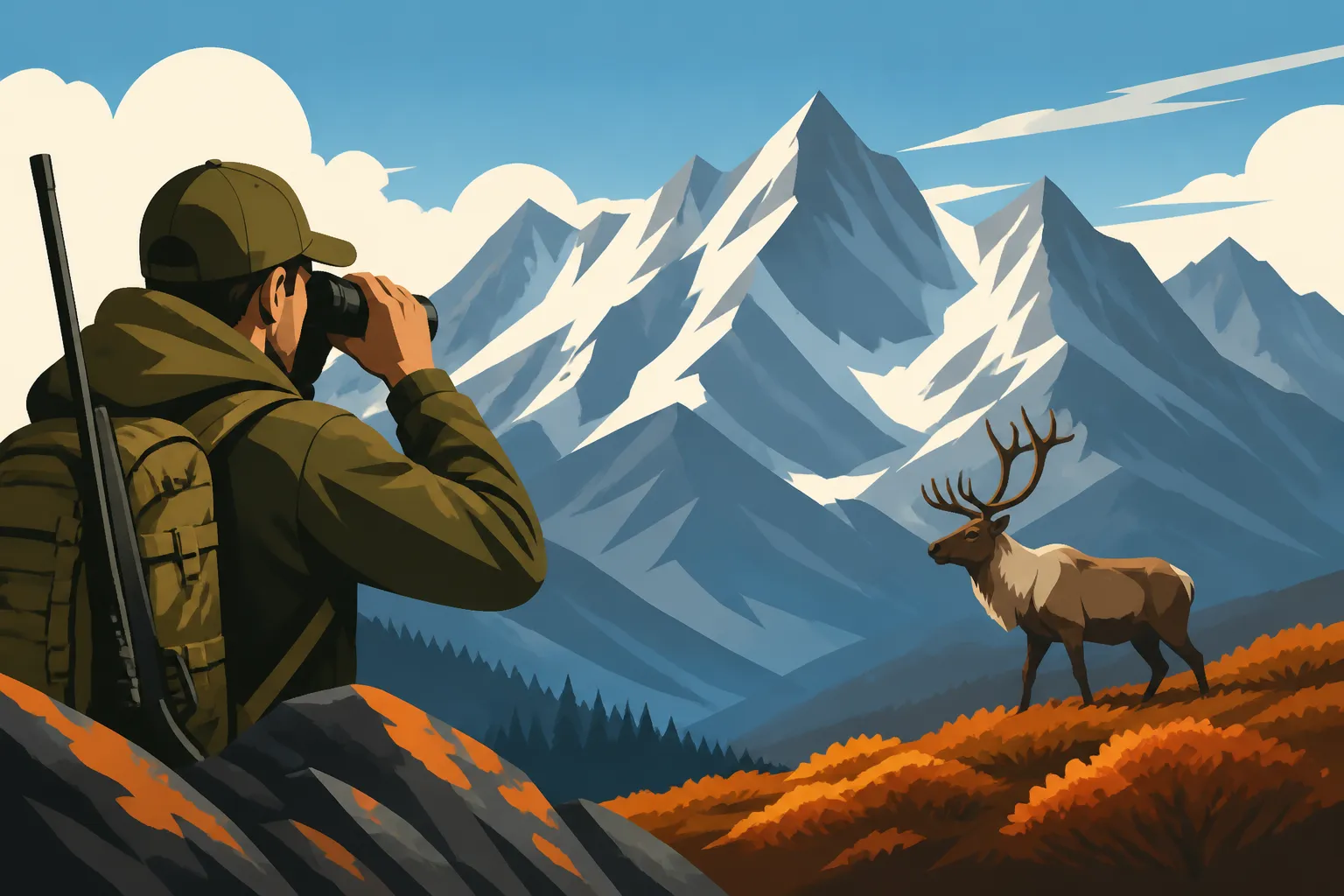
The expansive, often open nature of the Itcha-Ilgachuz makes spot-and-stalk one of the most effective hunting techniques. You'll spend a lot of time behind your binoculars and spotting scope, glassing distant hillsides, subalpine meadows, and timber edges for any sign of movement. Pick a high point with a good vantage, settle in, and meticulously pick apart the landscape. This is where patience truly pays off. Once an animal is spotted, the challenge shifts to planning a successful stalk, using terrain features and wind direction to get within shooting range.
While spot-and-stalk is key in the open, don't neglect the timber. Still-hunting through denser stands of lodgepole pine or along the edges of the numerous lakes can be productive, especially during the middle of the day when animals might be bedded. Move slowly, quietly, and pay attention to every detail – a flick of an ear, a patch of contrasting colour, or a fresh track in the mud. Hunting British Columbia's Alpine in September often involves similar strategies, focusing on the interface between different habitat types as animals move between feeding and bedding areas. Adapting to the specific conditions, whether it's an early morning fog in a valley or a bright, clear afternoon on a ridge, will greatly increase your chances of success.
Essential Gear and Safety Considerations
Venture into the Itcha-Ilgachuz unprepared, and you're not just risking a miserable trip; you're risking your life. This is serious backcountry, far from any quick help. Every piece of gear you pack, and every safety precaution you take, is a critical component of a responsible and successful hunt. Thinking through "what if" scenarios before you leave is paramount.
Must-Have Gear for Remote Hunting
Your gear list for the Itcha-Ilgachuz should be robust and reliable. High-quality optics are non-negotiable; a good pair of 10x binoculars and a spotting scope will be your best friends for picking out game at distance. Combine these with a reliable rangefinder. For navigation, a GPS unit or a smartphone with a pre-loaded mapping app like onX Hunt is essential, along with a compass and physical maps as backup. Knowing how to use all of them is just as important as having them. Satellite Communication on a Remote Hunt is also highly recommended; a satellite messenger or phone is crucial for emergency communication where cell service is non-existent.
Beyond hunting-specific items, your general backcountry gear needs to be top-notch. This includes a sturdy, comfortable pack that can handle heavy loads if you're successful, a quality tent or shelter, a warm sleeping bag appropriate for unexpected cold snaps, and a reliable cooking system. Water filtration or purification is critical, as are sufficient first-aid supplies. Layered clothing, including good rain gear, is a must, as mountain weather can be unpredictable, even in early fall. A headlamp with extra batteries, fire-starting materials, and a multi-tool round out the essentials.
Wildlife Encounters and Bear Safety
The Itcha-Ilgachuz is wild country, and that means you're sharing it with apex predators, including both black bears and grizzlies. Encountering a bear, particularly a grizzly, can be a serious situation, so being prepared is non-negotiable. Always carry bear spray, know how to access it quickly, and understand how to use it effectively. Carry it on your hip or chest rig, not buried in your pack. Bear Safety While Hunting in British Columbia should be a core part of your pre-trip briefing with your hunting partners.
Beyond carrying deterrents, practicing good bear country habits is vital. This includes properly storing all food and scented items away from your camp, preferably in bear-resistant containers or hung from a tree. Make noise while hiking through dense brush to avoid surprising a bear, especially around water sources or berry patches. If you harvest an animal, field dress it quickly and move the carcass away from your camp. Be aware of your surroundings at all times, especially when quartering meat, as the smell can attract bears from a distance. If you encounter a bear, understand the difference between defensive and predatory behaviour, and react accordingly – standing your ground with bear spray ready for a defensive bear, or fighting back against a predatory one. What to Do If You See a Grizzly is information every hunter in this region needs to know by heart.
Navigating Regulations and Ethical Hunting
Hunting in British Columbia, especially in unique zones like the Itcha-Ilgachuz, comes with a specific set of rules and a strong emphasis on ethical conduct. You're a guest in this wilderness, and your actions reflect on all hunters. Knowing the regulations for your specific Management Unit (MU) and adhering to a high standard of ethics ensures the longevity of hunting opportunities and respects the wildlife and the landscape.
Itcha-Ilgachuz Specific Regulations
While there are general open seasons for various species throughout British Columbia, it is absolutely critical to check the specific regulations for the Management Units that encompass the Itcha-Ilgachuz Range. These regulations can vary significantly from one MU to the next and are updated regularly. Pay close attention to season dates, bag limits, antler restrictions (e.g., whether it's a "four-point or better" rule for mule deer), and any Limited Entry Hunting (LEH) zones. British Columbia's Management Units and Regions are complex, and understanding the specific boundaries of your intended hunting area is paramount.
As mentioned earlier, caribou populations in British Columbia are a serious conservation concern. While the Itcha-Ilgachuz was once known for caribou, hunting opportunities for them are either completely closed or extremely limited through special permits. Never assume a species is open for hunting without explicit confirmation in the current regulations synopsis. Also, be aware of any special restrictions on specific areas within the MUs, such as park boundaries where hunting is prohibited, or any closures due to wildfire, caribou recovery efforts, or other wildlife management concerns.
Respecting the Land and Other Users
Hunting in the Itcha-Ilgachuz means embracing the "Leave No Trace" principles. Pack out everything you pack in, including all trash, spent cartridges, and even organic waste like fruit peels. Avoid disturbing vegetation unnecessarily, and if you build a fire (only when permitted and safe to do so), ensure it's completely extinguished before you leave. Camping Rules on British Columbia Crown Land outline expectations for responsible backcountry use. Your goal should be to leave your campsite and hunting area in a condition that shows no one was ever there.
Beyond environmental considerations, respecting other users of the backcountry is crucial. You might encounter hikers, other hunters, trappers, or even researchers. Be courteous and mindful of their activities. Understand that you are hunting on Crown land, which is shared by everyone. Never block access roads or set up camps in a way that impedes others. Finally, always practice responsible game recovery and meat care. Rules on Wasting Game Meat are strictly enforced in British Columbia, and ensuring you recover all edible portions of your harvested animal is an ethical obligation and a legal requirement. This includes being proficient enough with your chosen weapon to make clean, ethical shots and having a solid plan for processing and packing out your game.
| Species | Primary Habitat in Itcha-Ilgachuz | Key Hunting Strategy |
|---|---|---|
| Mule Deer | Open grasslands, subalpine parklands, timber edges | Spot-and-stalk, glassing |
| Moose | Willow flats, lake shores, creek bottoms | Calling, still-hunting |
| Black Bear | Berry patches, timber, riparian areas | Spot-and-stalk, still-hunting |
| Grizzly Bear | Found throughout, especially alpine & berry slopes | Avoidance, deterrence |
| Caribou | Historically subalpine/alpine (check regs) | Currently closed/highly restricted |
Disclaimer
This article is for general informational purposes only and does not constitute professional advice. Laws, prices and regulations vary by location and change over time. Consult a qualified professional for guidance on your specific situation.