Hunting the Nicola Valley Grasslands
Hunting the vast, rolling grasslands of British Columbia's Nicola Valley can feel incredibly daunting, like trying to find a needle in a haystack where the haystack is actually a whole range of mountains and canyons. Many hunters get overwhelmed by the sheer scale of the landscape and the often-elusive game. This comprehensive guide will walk you through the unique challenges and incredible opportunities these grasslands present, helping you strategize, scout, and ultimately succeed in one of BC's most distinctive hunting environments.
The Unique Character of the Nicola Valley Grasslands
The Nicola Valley, nestled in the heart of British Columbia's southern Interior, offers a hunting experience unlike many other regions in the province. It's not the dense, wet coastal rainforest, nor the high alpine of the northern ranges. Instead, you'll find expansive, sun-drenched grasslands interspersed with patches of timber, rocky outcrops, and deep, often brushy draws. This diverse topography creates a mosaic of habitats that attracts a variety of game, but it also demands a specific approach from hunters.
Geography and Habitat Overview
Imagine rolling hills covered in sagebrush and various native grasses, stretching for miles under a vast sky. This is the hallmark of the Nicola Valley grasslands. But don't let the "grassland" name fool you into thinking it's flat and open. Interspersed throughout are significant features: deep canyons carved by seasonal creeks, dense stands of Douglas fir and Ponderosa pine clinging to north-facing slopes, and pockets of aspen and willow in wetter depressions. These varied features are crucial for understanding where game animals live, feed, and seek cover. Deer, in particular, will use these timbered pockets for bedding during the day, moving out into the open grasslands to feed at dawn and dusk. The rocky bluffs and steep cuts provide excellent vantage points for glassing, but also offer animals a quick escape route into thick cover.
The altitude here is generally moderate compared to the high mountains, but the terrain can still be surprisingly rugged and steep in places. You'll encounter everything from gently sloping benches ideal for easy walking to sharp, broken ground that will test your boots and your resolve. Understanding the lay of the land, especially the transitions between open grass and timber, is key to patterning animals. Often, the best hunting will be found where these two habitat types meet, creating an edge effect that concentrates game.
Climate and Its Impact on Game Movement
The Nicola Valley experiences a semi-arid climate, characterized by hot, dry summers and relatively cold, snowy winters. This climate directly influences forage availability and, consequently, game movement. In the early fall, after the summer heat, the grasslands can be quite dry, and deer may stick closer to water sources or higher elevations where vegetation retains more moisture. As fall progresses and cooler temperatures arrive, often accompanied by some rain, the grasses can green up, drawing animals back into the open. The first significant snowfalls can also trigger movement, pushing animals down from higher plateaus into sheltered valley bottoms and traditional winter ranges.
One of the biggest challenges in this environment is the variability of weather. A beautiful, calm morning can quickly turn into a windy, dusty afternoon, or even a sudden snow squall in late season. These rapid changes can alter animal behaviour dramatically. Strong winds, for example, might push deer into the timber for shelter, making spot-and-stalk tactics more difficult. Conversely, a fresh blanket of snow can reveal tracks that were previously invisible, opening up new opportunities. Always be prepared for shifting conditions and adjust your hunting strategy accordingly. Weather Windows in British Columbia's Mountains is a useful read.
Game Species and Their Habits in the Nicola Valley
The Nicola Valley is renowned primarily for its deer hunting, particularly mule deer. However, it also offers opportunities for white-tailed deer, black bears, and a variety of upland birds. Each species utilizes the grassland environment differently, and understanding their habits is critical for successful hunting.
Mule Deer: The King of the Grasslands
Mule deer are undeniably the stars of the Nicola Valley grasslands. Their preference for open, broken terrain, often interspersed with sagebrush and timber, makes this region prime habitat. You'll find them using the grassy hillsides for feeding, especially during the cooler parts of the day, and then retreating into the pockets of timber, steep draws, or rocky bluffs for security and bedding during the mid-day heat. They are masters of using cover, even sparse cover, to disappear from view. Many hunters have watched a mule deer seemingly vanish into thin air, only to realize it simply walked behind a small knoll or into a shallow depression.
Successful mule deer hunting in the Nicola Valley often revolves around methodical glassing. Finding a high vantage point where you can survey vast expanses of country is essential. Spend hours patiently picking apart hillsides, looking for subtle movements, an ear flick, or the distinctive dark shape of a bedded deer in the shade. As the rut approaches in late October and November, bucks become more active and less cautious, often cruising open slopes looking for does. This is when the grasslands truly come alive, offering exciting opportunities for a trophy buck. Remember to pay attention to British Columbia's Four-Point Antler Restriction if you're pursuing bucks in regions with those rules.
White-Tailed Deer and Black Bear Presence
While mule deer dominate, white-tailed deer are also present in the Nicola Valley, though typically found in different types of habitat. Whitetails prefer denser cover, often sticking to the creek bottoms, riparian areas, and the thicker timber patches, especially near agricultural fields or areas with more substantial brush. They are masters of concealment and will often evade detection by simply standing still in thick cover, relying on their camouflage. Hunting whitetails here often involves still-hunting through timbered draws or setting up near known travel corridors that connect feeding areas to bedding cover. You might see them moving out into the edges of the grasslands at dawn or dusk, but generally, they won't be as exposed as their mule deer cousins.
Black bears are also common throughout the Nicola Valley, though they are usually more opportunistic. They might be found foraging for berries on brushy slopes in the fall, or grazing on green shoots in the spring. During the fall hunting season, you could encounter a bear almost anywhere, particularly in areas with good food sources like berry patches or even near recent burns that produce new forage. While not typically targeted by grassland hunters, being aware of their presence and practicing good bear safety is always wise. If you're interested in Hunting Fall Bears on British Columbia Berry Slopes, the Nicola Valley can offer some excellent opportunities.
Upland Birds
Beyond big game, the Nicola Valley grasslands provide habitat for various upland bird species, adding another dimension to a fall hunting trip. Grouse, including ruffed grouse and blue grouse (also known as dusky grouse), can be found in the timbered draws and along the edges where the forest meets the open grass. They often feed on berries and other plant matter in these transitional zones. Walking logging roads or hiking trails that cut through mixed habitat can be a great way to find them.
In the drier, more open parts of the Nicola Valley, you might also encounter California quail and, in specific localized areas, chukar partridge. These birds prefer rocky, arid slopes with sparse vegetation and are known for their explosive flushes. Hunting them requires a lot of walking and keen eyesight, often with a good bird dog. A multi-species hunt combining deer with some upland bird hunting can be a fantastic way to experience the full ecological richness of the Nicola Valley.
| Species | Primary Habitat in Nicola Valley Grasslands | Typical Activity | Best Hunting Method |
|---|---|---|---|
| Mule Deer | Open grassy hillsides, sagebrush flats, timber pockets, rocky bluffs | Feeding at dawn/dusk, bedding in cover mid-day | Spot-and-stalk, Glassing |
| White-tailed Deer | Dense creek bottoms, riparian areas, thick timber patches, agricultural edges | Sticking to cover, moving on edges, very elusive | Still-hunting, Ambush |
| Black Bear | Berry patches, brushy slopes, timber edges, recent burns | Foraging, opportunistic | Opportunistic, Stalking |
| Ruffed Grouse | Timbered draws, creek bottoms, mixed forest edges | Foraging on ground, along trails and roads | Walk-up, Bird dog |
| Blue Grouse | Drier timber fringes, higher slopes with scattered trees | Foraging on ground, often in trees | Walk-up, Bird dog |
| California Quail | Rocky, arid slopes with sparse cover, brushy gullies | Feeding in coveys, explosive flushes | Walk-up, Bird dog |
Mastering Hunting Strategies in the Grasslands
Hunting the Nicola Valley grasslands requires patience, keen observation, and the willingness to cover a lot of ground, either with your boots or your optics. It's a landscape that rewards those who understand its nuances and adapt their tactics to the environment.
The Art of Glassing
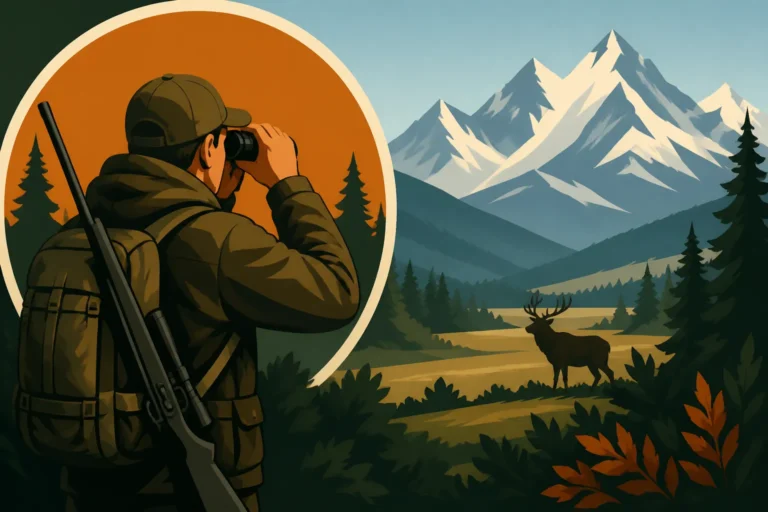
Without a doubt, glassing is the most effective hunting strategy in the Nicola Valley grasslands. Given the vast, open nature of much of the terrain, attempting to blindly walk up on animals is often a recipe for disappointment. Instead, identify high vantage points – a prominent knoll, a rocky ridge, or the edge of a timber patch – that offer expansive views of the surrounding hillsides, draws, and timber pockets. Set up your spotting scope and binoculars, and get comfortable.
Dedicate significant time to systematically scanning the landscape. Don't just glance; scrutinize every shadow, every cluster of sagebrush, every break in the terrain. Look for patterns, colours, or shapes that seem out of place. A mule deer's ear, the horizontal line of its back, or a patch of hide can be incredibly difficult to spot against the mottled background. Use a good tripod for your spotting scope to eliminate shake, allowing you to pick apart distant details. Brands like Maven, Vortex, and Swarovski offer excellent optics that can make a real difference here. Many hunters use digital mapping tools like onX Hunt or GoHunt to identify potential glassing knobs and plan their attack routes, saving valuable time and effort in unfamiliar territory. Remember that early morning and late evening are usually the best times for spotting animals as they move to feed.
Spot-and-Stalk Tactics
Once you've spotted an animal through your optics, the real challenge begins: the spot-and-stalk. This is where your fieldcraft and understanding of the terrain truly come into play. Before you move, carefully plan your approach. Identify any features – a ridge line, a deep draw, a stand of timber – that can provide cover for your stalk. Pay close attention to the wind direction; in open country, the wind is your biggest ally or your worst enemy. Always try to keep it in your face or quartering.
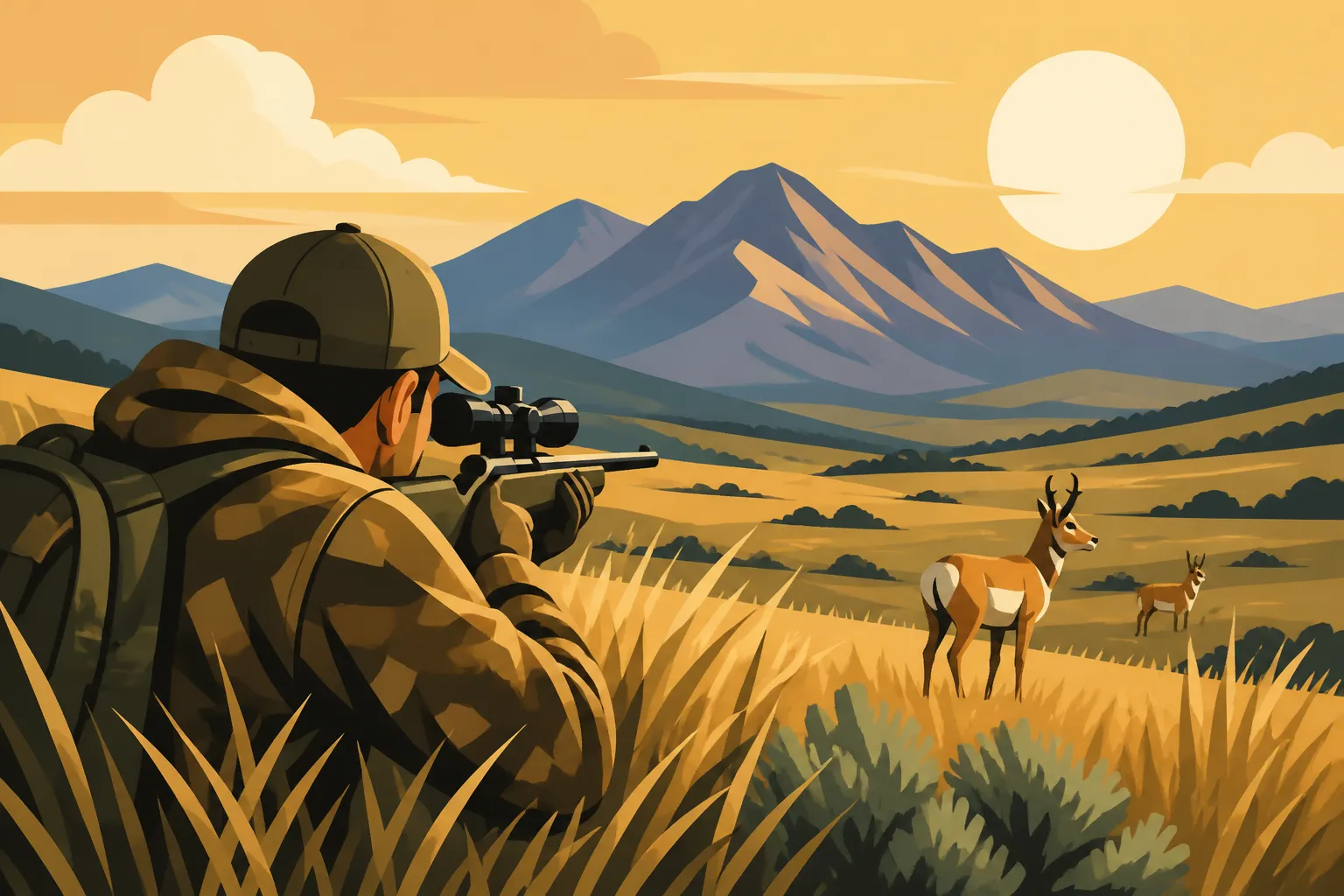
The Nicola Valley's broken topography lends itself well to stalking. You can often use the rolling hills, cuts, and patches of timber to stay out of sight. Move slowly, deliberately, and quietly. Use your binoculars frequently during the stalk to confirm the animal's position and ensure it hasn't moved. Be prepared for a long approach, sometimes covering miles, and for sudden changes in the animal's behaviour. A successful stalk might involve crawling the last hundred yards, using sparse sagebrush as cover, before getting into a shooting position. This type of hunting is incredibly rewarding, but it demands patience, physical fitness, and excellent woodsmanship. For similar challenges, consider Glassing an Interior Hillside for Mule Deer.
Still-Hunting and Ambush in Timbered Draws
While glassing and spot-and-stalk are paramount in the open grasslands, don't overlook the potential of still-hunting or setting ambushes in the timbered draws and creek bottoms. These areas, particularly the north-facing slopes with denser cover, serve as bedding areas and travel corridors for deer, especially whitetails, during the day.
Still-hunting involves moving very slowly and deliberately through the timber, pausing frequently to observe your surroundings. Take a few steps, then stop and scan, listening for the rustle of leaves or the snap of a twig. Look for horizontal lines and unnatural shapes in the dense verticality of the trees. Pay attention to fresh tracks, rubs, and scrapes, which indicate recent deer activity. Setting up an ambush point, perhaps on a bench overlooking a game trail or where a draw bottlenecks, can also be effective, particularly in the early morning or late evening when deer are moving between bedding and feeding areas. This requires patience and often a good understanding of game trails and natural funnels within the timbered zones. Think about Stalking a Bedded Buck in Open Timber but adapting it to the more dense pockets.
Accessing and Navigating the Nicola Valley
The Nicola Valley, like much of British Columbia, presents a mixed bag when it comes to land access. Understanding where you can hunt, how to get there, and what regulations apply is crucial for a lawful and successful trip.
Crown Land vs. Private Land: Know Before You Go
A significant portion of the Nicola Valley is Crown land, meaning public land open to hunting. However, there's also a considerable amount of private land, including ranchlands, active farms, and private forest holdings, particularly in the valley bottoms and accessible areas. The biggest challenge for hunters is differentiating between the two, especially when boundaries aren't clearly marked. Hunting on private land without permission is trespassing and can result in serious penalties.
This is where modern mapping applications become invaluable. Tools like onX Hunt and GoHunt provide detailed overlays showing property boundaries, identifying Crown land, private parcels, and sometimes even specific land ownership. Before heading out, spend time scouting these apps to understand the ownership mosaic of your chosen hunting area. Mark potential access points, identify areas of high deer sign, and plan routes that stay on legal land. If you identify promising private parcels, respectfully seeking permission from landowners well in advance can open up incredible opportunities. Many ranchers in the Nicola Valley are keen to manage deer populations, and a polite request might grant you access that few others have. Getting a proper understanding of British Columbia Trespass and Private Land Law is essential.
Navigating Forest Service Roads and Backcountry
The Nicola Valley is crisscrossed by a network of Forest Service Roads (FSRs), ranging from well-maintained gravel roads to rough, overgrown tracks that require a high-clearance 4×4. These roads are your primary means of accessing vast areas of Crown land. However, it's important to understand their status. Some FSRs are actively used by logging operations, meaning you need to be aware of industrial traffic and potential radio channels. Others might be deactivated, blocked by gates, or simply overgrown, requiring foot access beyond a certain point.
Always consult up-to-date road information, often available from local forestry offices or online resources, before venturing deep into the backcountry. Road closures, due to logging, wildfires, or seasonal conditions, are common. Even if a road is open, be prepared for rough travel, especially after heavy rain or snow. Carry spare tires, a jack, tools, and recovery gear. When planning your hunt, consider parking at a gate or the end of a drivable road and hiking in. Many of the less-pressured areas are found beyond where vehicles can easily go. For more insight, check out Finding Open Forest Roads in British Columbia.
Respecting the Landscape and Other Users
Hunting in the Nicola Valley isn't just about finding game; it's about being a responsible land user and respecting the environment and other people who share it. This means leaving no trace, packing out all your garbage, and adhering to ethical hunting practices. The grasslands are home to ranchers, farmers, hikers, mountain bikers, and other outdoor enthusiasts. Your behaviour directly reflects on the hunting community as a whole.
Be mindful of cattle and other livestock you might encounter on Crown land or areas with grazing leases. Close gates behind you, avoid disturbing livestock, and certainly don't hunt near active barns or residences. During peak hunting seasons, especially around opening weekends, you will likely encounter other hunters. Be courteous, communicate your plans, and share the landscape respectfully. A friendly wave and a bit of space go a long way in fostering a positive hunting culture. Remember, we're all out there to enjoy British Columbia's incredible wild places. Camping Rules on British Columbia Crown Land are important to review before setting up camp.
Disclaimer
This article is for general informational purposes only and does not constitute professional advice. Laws, prices and regulations vary by location and change over time. Consult a qualified professional for guidance on your specific situation.