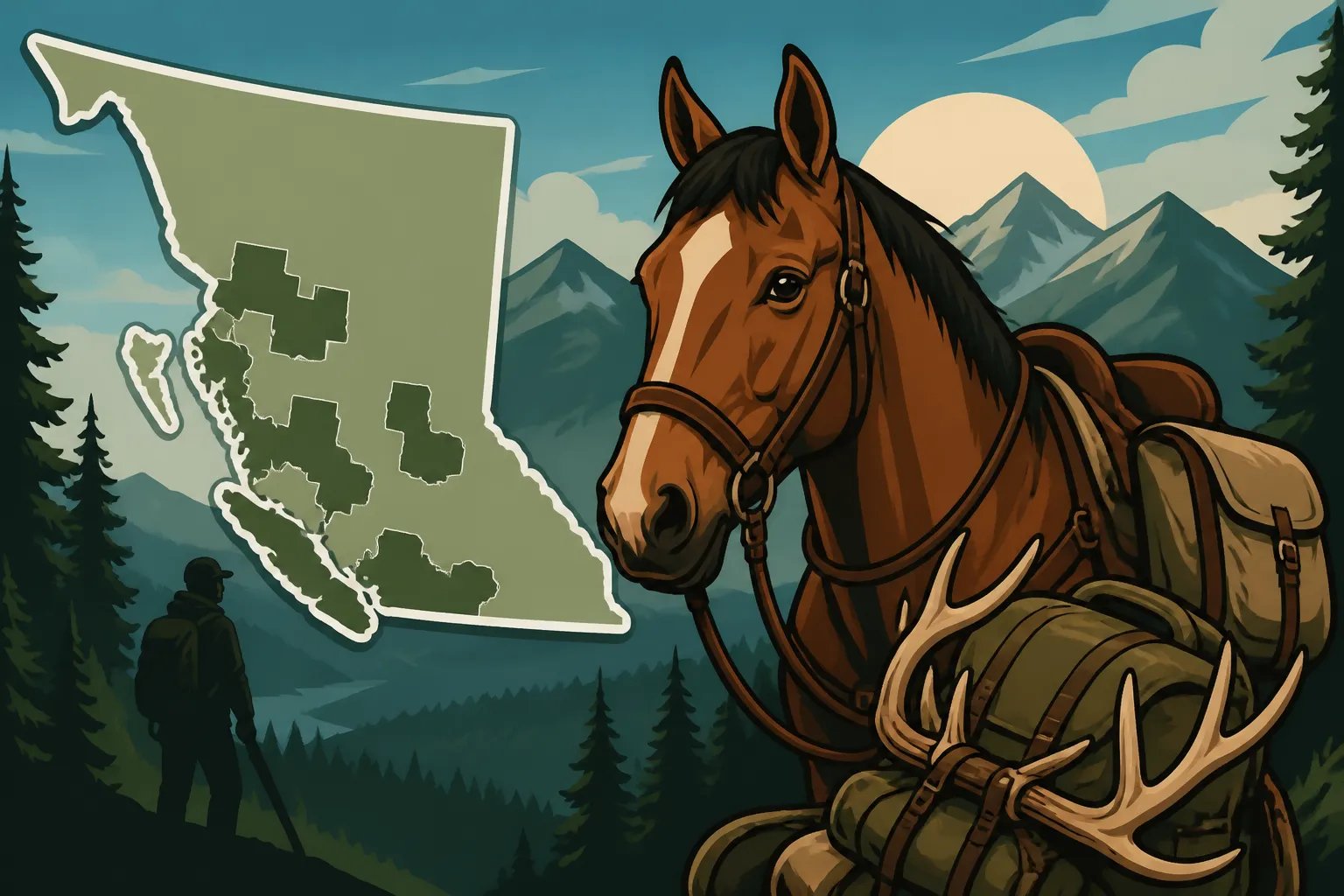
British Columbia Units That Need Horses
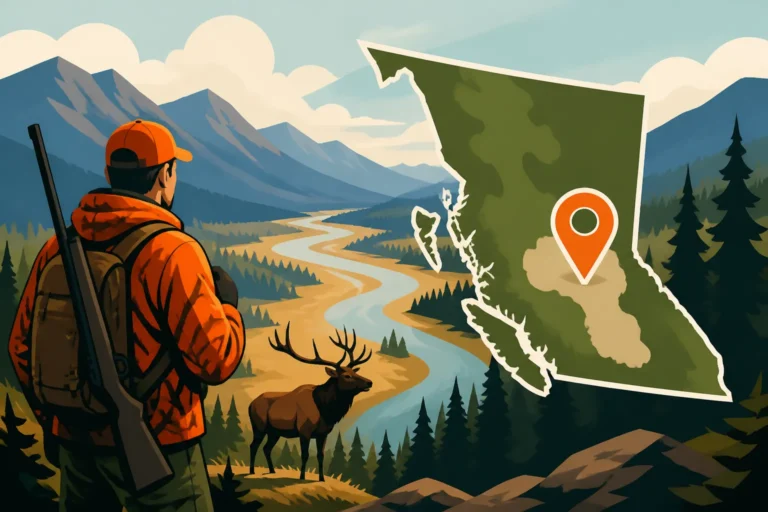
Many British Columbia hunters eventually hit a wall: you've pushed your truck as far as the logging road allows, parked the ATV at the last possible turn, and hiked your boots raw, only to realize the truly untouched, unpressured game is still miles beyond your reach. It's a frustrating reality when you know those big bulls and heavy-antlered bucks are living in sanctuaries simply because most hunters can't get to them. This guide is all about unlocking those remote British Columbia units where traditional access methods fall short, and horses become not just an advantage, but a necessity.
The Truth About Accessing British Columbia's Best Hunting Grounds
Let's be real, British Columbia is vast, and while our network of forest service roads is extensive, it still only scratches the surface of the true wilderness. If you want to find animals that haven't been pressured by vehicle traffic and daily human scent, you have to go where the roads don't. This often means embracing a different kind of travel.
Beyond the Truck Roads: Where the Real Wilderness Begins
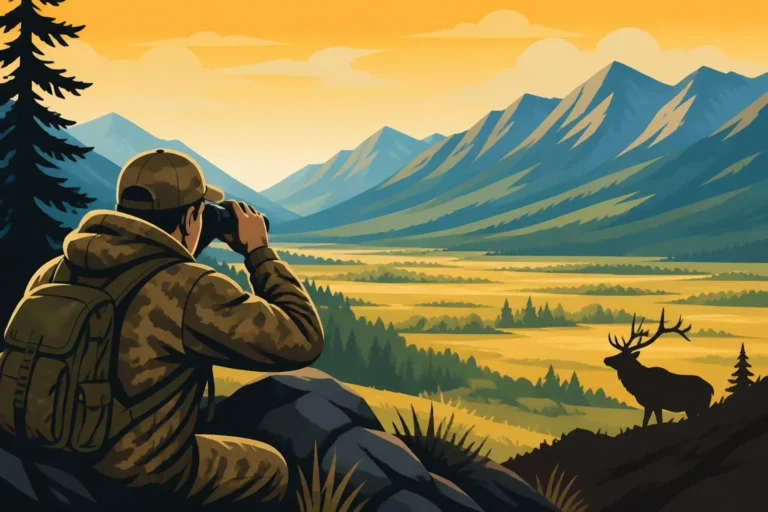
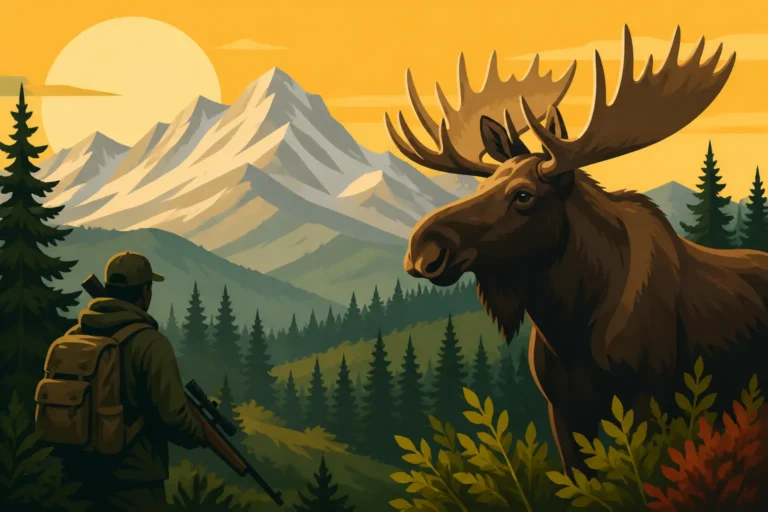
Imagine glassing a vast alpine basin, spotting a mature bull moose feeding undisturbed, or a heavy-horned ram sunning himself on a distant rock face. These are the scenes that play out in British Columbia's remote backcountry, far from the highway noise and the bustle of easily accessible cutblocks. These areas are often tucked behind deactivated roads, across vast river systems, or deep within mountain ranges where only hoof and foot traffic can venture. The frustration comes when you know these places exist, but getting there feels like an insurmountable challenge.
The reality is that while there are still plenty of game animals in more accessible areas, the competition is fierce, and the animals are often educated. The further you push into truly wild country, the less human interference they've experienced. This translates to animals that are more predictable, less skittish, and often, larger and older, having had the chance to mature without constant hunting pressure. It's a trade-off: comfort and ease for solitude and quality.
The Limitations of Human Power: Why Your Feet Aren't Always Enough
For many of us, backpacking is the go-to for remote access. We load up our frame packs, cinch down the straps, and start walking. And for good reason—it's effective, silent, and provides incredible physical and mental rewards. However, there's a limit to how far you can comfortably hike with a heavy pack, especially when facing steep terrain, thick bush, or river crossings. Even the toughest hunter eventually succumbs to fatigue, blisters, and the sheer logistical challenge of carrying enough supplies for multiple days while also planning to pack out hundreds of pounds of meat.
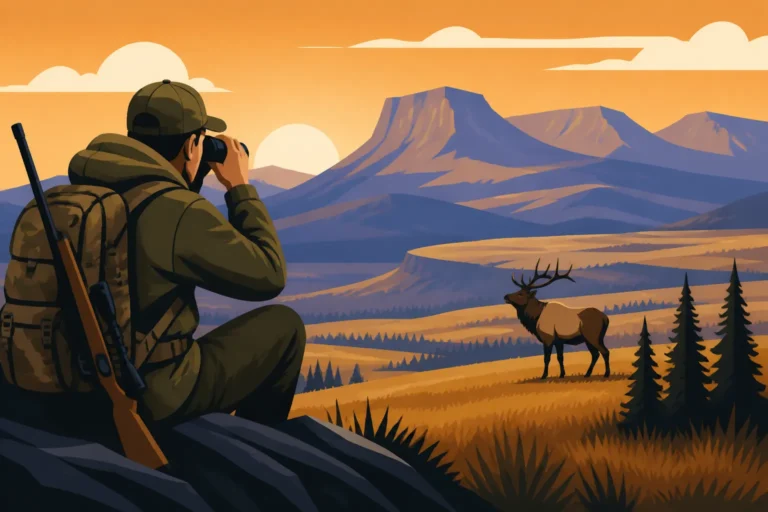
Consider a multi-day elk hunt deep in the Kootenays. You hike in ten miles, make camp, and then spend several days scouting and hunting. If you connect with a bull, the work has just begun. Packing out an entire elk on your back, even quartered, from ten miles deep is a monumental task that can take days and multiple trips, often requiring you to leave valuable meat in the field longer than you'd like, increasing spoilage risk. This is where the sheer carrying capacity and efficiency of pack animals truly shine, making once-impossible hunts entirely feasible.
Identifying Horse-Access Only Hunting Units
So, how do you find these hidden gems that demand horsepower? It takes a combination of careful research, leveraging modern technology, and a good dose of local knowledge. You can't just pick a random spot on a map and expect to ride in; responsible planning is key.
Deciphering British Columbia's Management Unit Maps and Regulations
The first step is always diving into the British Columbia hunting regulations synopsis. This document, updated every two years, details all the legalities, including management unit boundaries, species regulations, and access restrictions. While it won't explicitly say "horses required here," it will often highlight areas that are only open to foot or horseback traffic, or where motorized vehicle access is strictly curtailed. Understanding British Columbia's Management Units and Regions is foundational to identifying any hunting opportunity in the province, especially those more remote ones.
Once you have a general region or management unit (MU) in mind, you need to dig deeper. Look for MUs that are known for having vast tracts of Crown land with limited road infrastructure. Pay close attention to MUs that border provincial parks or wilderness areas, as these often have buffer zones that restrict vehicle use. Large, sprawling MUs, particularly in the northern and interior regions, are prime candidates for horse packing, as their sheer size naturally limits road density.
Harnessing Technology: Using Digital Mapping for Remote Scouting
In today's age, digital mapping tools are your best friends for scouting remote units. Platforms like onX Hunt and GoHunt provide invaluable layers of information that can save you countless hours and gas money. You can overlay satellite imagery with land ownership boundaries, existing trails (or lack thereof), and topographical maps, all from the comfort of your home.
With onX Hunt, for example, you can identify old logging grades that have been deactivated, or even faint game trails that might hint at a historical access route. By studying the contour lines, you can visualize the terrain and pinpoint potential camp spots, water sources, and natural travel corridors for both animals and horses. GoHunt also offers robust tools for planning, helping you cross-reference regulations and draw odds, and often includes community-contributed information that can provide clues about specific unit access challenges. Look for units with large roadless blocks, or where roads dead-end abruptly into vast wilderness. Scouting a British Columbia Management Unit Online has become an essential part of the modern hunter's preparation.
Reading the Landscape: What to Look for in Satellite Imagery
When poring over satellite imagery, you're looking for tell-tale signs that scream "horse country." What are these visual cues?
- Absence of Roads: This is the most obvious one. If you can zoom out and see vast green or treed areas with no visible roads, especially major ones, that's a good start.
- Mountain Passes and Drainages: Horses are fantastic at navigating mountain passes and following river drainages. Look for natural breaks in mountain ranges or wide-bottomed valleys that could accommodate horse travel.
- Alpine Basins and Plateaus: These high-elevation areas are often beyond typical vehicle access and provide incredible summer and fall range for sheep, goats, and elk. Identify natural ramps or old fire lines that could serve as horse trails to get up high.
- Existing Pack Trails (if visible): Sometimes, especially in historical hunting areas or those used by guide outfitters, faint pack trails might be visible on high-resolution satellite imagery. These often follow the path of least resistance and are invaluable markers.
- Burn Areas and Old Cutblocks: While these are often accessible by vehicle in some parts, a very old burn or overgrown cutblock far from an active road might indicate an area that has regressed back into roadless status, offering forage that attracts game.
Planning and Executing a Horseback Hunt in British Columbia
So you've identified a promising unit, now what? Planning a horseback hunt is a whole different beast than a truck camp or even a backpack hunt. It requires meticulous attention to detail, a deep understanding of horse care, and a robust logistical strategy.
Essential Gear and Logistics for Equine Expeditions
Packing for a horseback hunt is about balancing necessity with efficiency. Your horses can carry significantly more weight than you can, but you still want to be smart about what you bring. Think about durability, weather resistance, and multi-use items.
| Category | Essential Items | Considerations |
|---|---|---|
| Horse Gear | Saddles, bridles, halter/lead ropes, pack saddles, panniers, saddle bags, high-line kit, hobbles, bell boots, picket pins, feed bags, portable electric fence (optional) | Ensure all gear is in excellent repair; bring repair kit. Adequate padding for horses. |
| Camp Gear | Wall tent or sturdy canvas tent, portable stove, sleeping bags, sleeping pads, camp chairs, cooking pot set, plates, utensils, lantern/headlamps, water filters/purifiers | Durable, compact items. Plan for cold, wet weather. Bear-proof food storage. |
| Hunting Gear | Rifle/bow, optics (spotting scope, binoculars), rangefinder, game bags, knife sharpening kit, small hatchet/saw, GPS/satellite messenger, first aid kit (human & equine) | Layered clothing, waterproof outerwear. Extra ammunition. Map and compass as backup. |
| Food & Water | Dehydrated meals, trail mix, coffee/tea, emergency rations, horse feed (pellets, compressed hay), salt blocks (for horses) | Plan rations meticulously. Know water sources or plan to pack/purify. |
| Safety | Bear spray, flare kit, emergency shelter, fire starter, multi-tool, satellite communication device Satellite Communication on a Remote Hunt | Tell someone your itinerary. Have an emergency plan for both humans and horses. |
Logistically, you need to think about horse transport to the trailhead, securing a reliable trailer, and having backup plans for breakdowns. Consider the time it will take to get horses packed and unpacked each day, which can add hours to your schedule. You'll also need a solid understanding of basic veterinary care for horses, as you'll be far from immediate help.
Caring for Your Horses in the Wild
Your horses are your partners in these remote ventures, and their well-being is paramount. Proper care ensures they stay healthy and capable throughout the hunt. Before heading out, ensure your horses are in good physical condition and accustomed to packing.
- Feed and Water: Identify reliable water sources along your route and at your chosen camp. If natural forage is scarce or poor quality, you'll need to pack in feed, such as compressed hay or high-energy pellets. Consider bringing salt and mineral supplements.
- Security and Grazing: A high-line system is often the most secure way to keep horses contained and prevent them from wandering off, especially in grizzly country. For grazing, hobbles or a portable electric fence can offer more freedom while still providing control. Make sure your high-line is set up properly between two sturdy trees, well away from your sleeping area.
- Health and Injury: Pack a comprehensive equine first-aid kit. Learn how to treat common issues like cuts, scrapes, colic, and lameness. Know how to check for signs of exhaustion or injury. A minor injury to a horse deep in the backcountry can quickly turn into a major problem, impacting your ability to get game out or even exit the wilderness safely.
The Unbeatable Advantage of Horses for Game Retrieval
This is arguably the single biggest reason to bring horses into remote British Columbia hunting units. Successfully harvesting a large animal like a moose, elk, or even a big mule deer deep in the mountains transforms from a multi-day ordeal of back-breaking work into a manageable task.
Imagine: you've packed ten miles in, and on the third day, you drop a bull moose. Without horses, you'd be looking at several grueling trips, potentially over rough terrain, trying to get hundreds of pounds of meat back to your vehicle. With horses, after initial field dressing and quartering, you can systematically pack out the entire animal in one or two trips. This preserves meat quality by reducing the time it spends in the field and significantly lessens the physical toll on you and your hunting partners. Using Horses to Pack Out in British Columbia is a game-changer for big game hunters.
Furthermore, horses allow you to establish a more comfortable base camp deeper in the wilderness. You can bring a larger, more weatherproof tent, a proper stove, and more substantial food supplies, making for a much more enjoyable multi-day stay in challenging weather conditions, like those often experienced in Hunting British Columbia's Alpine in September.
Regions and Specific Units Where Horses Reign Supreme
While horses can enhance almost any remote hunt, certain regions and management units in British Columbia are particularly well-suited, or even require, equine access due to their vastness, terrain, and limited road networks.
The Rugged North: Moose, Caribou, and Sheep Country
British Columbia's Northern regions – the Skeena, Omineca, and Peace – are synonymous with vast, untamed wilderness. This is prime habitat for moose, caribou (where seasons are open), and all three species of wild sheep (Stone's, Fannin, and Dall's, depending on exact location). These areas often feature massive tracts of unroaded Crown land, immense river drainages, and sprawling plateaus perfect for horse packing.
Units within the Muskwa-Kechika Management Area, for instance, are globally renowned for their wild character and require significant effort to access. The sheer scale of the landscape means that even if a small bush plane can drop you off, horses are often vital for covering ground and retrieving game. Think about the country around Atlin, the Spatsizi Plateau, or the Stikine River drainage. These are places where a horse train becomes your lifeline, allowing you to establish spike camps far from any human disturbance and pursue game that rarely sees a person. When considering Moose Hunting British Columbia's Interior, especially for a trophy bull, venturing into these remote northern units on horseback is often the best strategy.
High Country Gems: Elk, Goat, and Mule Deer in the Interior Mountains
Moving south, into the Kootenays, Cariboo Mountains, and parts of the Okanagan Highlands, you'll find incredible opportunities for elk, mountain goat, and big mule deer bucks in the high country. While some of these areas might have more roads initially, the best hunting grounds are often found by pushing beyond the last accessible point and ascending into the alpine.
Units in the Purcell Mountains or parts of the Rocky Mountain Trench offer incredible mountain goat terrain, often requiring a serious climb into rocky, broken country. Horses can get you to the base of these climbs, saving your energy for the ascent on foot. For elk, particularly in the Hunting Elk in British Columbia's Kootenay Valleys, horseback access can mean reaching those secluded basins and old growth pockets where mature bulls prefer to hide, far from road hunters. Similarly, in the vastness of the Chilcotin Plateau or Bonaparte Plateau, horses allow you to efficiently cover immense distances and access the hidden draws and benches where trophy mule deer can be found.
Coastal Alpine and Remote Valleys: Unpressured Blacktail and Bear
While often associated with boat access or hiking, certain areas of British Columbia's Coast and Vancouver Island can also benefit greatly from horse packing, especially when targeting alpine blacktail deer or bears in remote valleys. The coastal mountains, though steep and often wet, contain beautiful subalpine and alpine meadows that hold less pressured game.
Accessing these high-elevation pockets can be brutal on foot, especially with the dense rainforest vegetation at lower elevations. Horses can navigate these challenging trails, bringing you to the interface of the timberline and the open alpine, where blacktail bucks often summer. Similarly, in expansive coastal watersheds that might be too large for easy jet boat access, horses can provide a way to push further upstream, into unpressured bear country, away from estuaries and coastal lowlands that see more traffic. Remember, Hunting British Columbia's Coastal Rain demands durable gear, and horses allow you to bring that extra margin of comfort and safety into these challenging environments.
Summary of Horse-Accessed Hunting Unit Characteristics
Here's a quick reference for characteristics of British Columbia units where horses are often necessary or highly beneficial:
| Characteristic | Why Horses Help | Typical Game Species | Geographic Examples |
|---|---|---|---|
| Vast Roadless Blocks | Cover immense distances, access unpressured areas | Moose, Caribou, Elk, Sheep, Goat | Muskwa-Kechika, Spatsizi Plateau, Atlin Region |
| Deep River Drainages | Efficient travel through valleys, access side basins | Moose, Bear, Elk, Mule Deer | Stikine River, Fraser Canyon, Skeena River Valley |
| Alpine Plateaus | Reach high-elevation summer/fall range efficiently | Sheep, Goat, Elk, Mule Deer, Black Bear, Ptarmigan | Purcell Mountains, Itcha-Ilgachuz, Northern Rockies |
| Overgrown/Deactivated Roads | Navigate old infrastructure to reach further | Mule Deer, Blacktail, Bear, Moose | Remote Interior logging blocks, old island cuts |
| Long Pack-out Distances | Expedite game retrieval, preserve meat quality | Moose, Elk, Bear (especially large animals) | Any unit far from vehicle access points |
Ultimately, investing the time, effort, and resources into learning and executing a horseback hunt in British Columbia opens up a world of opportunities that most hunters will never experience. It's a return to traditional hunting, a deep dive into genuine wilderness, and an experience that forges an unbreakable bond between hunter, horse, and the wild landscape.
Disclaimer
This article is for general informational purposes only and does not constitute professional advice. Laws, prices and regulations vary by location and change over time. Consult a qualified professional for guidance on your specific situation.