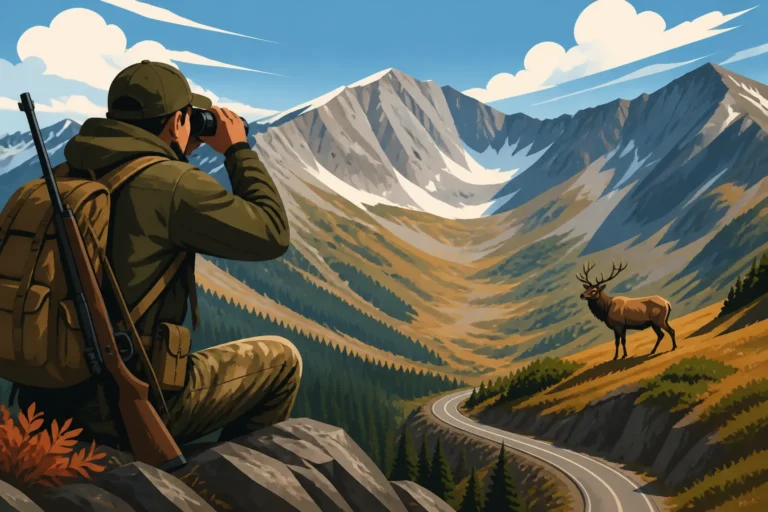
Hunting the Halfway River Country
The vast and rugged landscape of British Columbia offers some of the most challenging yet rewarding hunting experiences, and the Halfway River Country in the Peace Region is certainly no exception. If you've been eyeing this northern gem, you're likely aware of its reputation for untouched wilderness and the potential for incredible encounters. However, with that promise comes the reality of remote access, demanding terrain, and the need for meticulous planning. This guide aims to cut through the unknowns, providing a comprehensive look at what it takes to successfully hunt the Halfway River region, helping you prepare for its unique challenges and maximize your chances for a memorable hunt.
Understanding the Halfway River Country Landscape and Game
The Halfway River Country is a land of contrasts, where the sprawling Peace River lowlands eventually give way to the towering foothills and mountains of the northern Rockies. This transition creates a diverse ecosystem that supports a wide array of wildlife, but it also dictates where and how you'll hunt. It's not a place you just stumble into; it demands respect and careful study of its intricate layout.
Geography and Habitat Overview
Imagine a broad river valley, carving its way through a landscape that transitions from vast, flat agricultural lands and boreal forest in the east to rugged, heavily treed foothills in the west. That's the Halfway River for you. As you move west from towns like Fort St. John, the roads become less maintained, the timber gets thicker, and the terrain grows steeper and more broken. The Halfway River itself is a significant feature, with its braids, gravel bars, and riparian zones offering crucial habitat and travel corridors for game. The surrounding country is a patchwork of mature coniferous forests, mixed wood stands, aspen groves, and vast tracts of cutblocks and regenerating clearings. Further west, you'll encounter higher elevations, subalpine zones, and rocky outcrops that speak to the proximity of the mountains. This dramatic shift in elevation and vegetation within a relatively short distance creates a mosaic of habitats, each attracting different species or offering seasonal advantages. Understanding these transitions is key to unlocking the area's hunting potential. You might find a bull moose browsing in a willow flat along the river one day, and the next, be glassing a distant hillside where a black bear is gorging on berries. The sheer scale and varied terrain mean that hunters need to be adaptable and ready for anything Mother Nature throws their way.
Key Game Species and Their Habits
The Halfway River Country is a prime destination for several big game species, each with its own preferred haunts and habits. Moose are perhaps the most iconic residents here, thriving in the river bottoms, marshy areas, and younger forest stands where willow and other browse are abundant. You'll often find them along the river's edge, particularly during the rut when bulls are active and vocal. Knowing Calling Moose in the Rut can be a game-changer here, as their responsiveness makes for an exciting hunt. Elk, particularly the Rocky Mountain variety, are also present, often favouring the fringes of open clearings, old cutblocks, and higher benches, especially where there's a mix of forage and cover. Their bugles can echo through the timber during the fall, offering a thrilling challenge. Black bears are ubiquitous, found throughout the forest, often drawn to spring green-ups along logging roads, berry patches in late summer and fall, and sometimes even the river flats. While not as numerous as in some other regions, mule deer and even white-tailed deer can be found, typically in areas with more open country or around the edges of agricultural land closer to settlements. The vastness and relatively low human pressure allow these animals to grow to impressive sizes, making the Halfway a bucket-list destination for many. Hunting successfully means not just finding their tracks, but understanding their seasonal movements, their dietary preferences, and their escape routes in this immense landscape. For more on specific species, consider delving into Moose in British Columbia's Interior and North or Black Bears Across British Columbia.
Accessing the Halfway River: Challenges and Strategies
Getting into the Halfway River Country is often half the adventure, and certainly half the battle. This isn't an area with paved roads and easy pull-offs; it's a frontier that demands preparation, capable equipment, and a healthy respect for its wild nature.
Primary Access Routes and Road Conditions
The main artery into the Halfway River region is typically from the east, originating from the Fort St. John area. Paved roads quickly give way to gravel, and then to a complex network of active and deactivated logging roads that spiderweb through the landscape. These roads can be in various states of repair: some are well-maintained by active logging operations, while others are rough, rutted, overgrown, and might require a high-clearance 4×4 with aggressive tires. It's not uncommon to encounter washouts, deep mud holes, or sections where deactivated roads are severely degraded, making travel slow and challenging. A winch, recovery gear, and a chainsaw are not luxuries out here; they're essential tools. Always be aware of active logging; industrial traffic has the right of way, and knowing common radio channels can be a lifesaver. Before heading out, it's crucial to consult recent maps and perhaps even local forestry offices or outdoor stores for current road conditions and closures. Tools like onX Hunt are invaluable here, as they often show not only active roads but also deactivated routes, private land boundaries, and topographic features that help you plan your ingress and egress. Don't underestimate the time it takes to cover even short distances on these roads; a 50-kilometre drive can easily take several hours. Checking Finding Open Forest Roads in British Columbia and Driving a Deactivated Logging Road can provide further insights.
River Access and Remote Entry Points
While roads offer a primary means of access, the Halfway River itself provides a unique, often more remote, avenue into the heart of the hunting grounds. For many, a jet boat is the preferred method for penetrating deep into the system, offering access to untouched pockets of wilderness far from any road. The river's braided channels, gravel bars, and fluctuating water levels present their own set of challenges, demanding skilled navigation and a robust vessel. However, the reward can be immense, as these river corridors are prime habitat for moose, elk, and bear, especially during the fall. Float hunting by canoe or raft is another adventurous option, allowing hunters to drift silently through prime habitat, glassing the banks and stopping to still-hunt promising areas. This approach requires careful planning for pick-up points or a multi-day expedition. Beyond mechanical means, there are numerous remote entry points along the network of roads and trails where hunters can transition to foot, backpack hunting into the vast wilderness. These walk-in hunts offer the ultimate solitude and challenge but require superior physical fitness, navigation skills, and a complete backcountry setup. Whether by boat or boot, getting away from road-accessible areas is often key to finding less pressured animals and experiencing true wilderness hunting. More details on water-based access can be found in Jet Boat Access on British Columbia Rivers.
Hunting Strategies for Halfway River Success
The Halfway River Country isn't just about showing up; it's about strategy, patience, and a deep understanding of the environment. Success here often comes down to preparation and adapting to what the vast wilderness presents.
Scouting and Planning Your Hunt
Effective hunting in the Halfway River Country begins long before you ever set foot on the ground. This is an area where thorough scouting and detailed planning truly pay off. Start by pouring over maps – both physical and digital. Topographic maps will reveal elevation changes, ridges, and drainage systems, while aerial imagery can highlight old cutblocks, recent burns, and willow flats that are invisible from the road. Utilize platforms like onX Hunt or GoHunt to layer different map types, mark potential glassing points, identify probable game corridors, and understand land ownership. While most of the Halfway is Crown land, knowing boundaries is always prudent.
It's also crucial to research the specific hunting regulations for the Management Units you plan to hunt. Some areas might have General Open Seasons, while others are restricted to Limited Entry Hunting (LEH) draws for specific species like moose or elk. Understanding the British Columbia's Management Units and Regions is fundamental here. Look at historical draw odds and harvest success data if available, to gauge the potential for certain species. Planning your hunt also involves considering the time of year: spring for bears, early fall for archery, and the later fall for rifle seasons, each with its own weather patterns and animal behaviours. A comprehensive plan includes not just where you'll go, but how you'll get there, what your backup routes are, where you'll camp, and what your emergency communication strategy will be. Never head into this remote country without a solid plan. A good starting point for detailed planning is Scouting a British Columbia Management Unit.
Effective Hunting Techniques in the Halfway
Once you're in the Halfway River Country, a blend of traditional and modern hunting techniques will serve you best. For moose, the riparian zones along the Halfway River and its tributaries, as well as dense willow bottoms within cutblocks, are prime areas. Calling, especially during the rut, can be highly effective. Bulls are often responsive to cow calls and even raking brush sounds. Patience is key, as they might take their time to respond. For elk, focus on the edges of large clearings, particularly in the early mornings and late evenings, and bugling can bring in a bull if timed right. Black bears are often found foraging in clearcuts, avalanche chutes (especially in spring), or on berry-laden slopes in late summer and fall. Glassing Logging Roads for Spring Bears or distant hillsides with good optics from a vantage point is a highly effective strategy.
Deer, while less common as primary targets compared to moose or bear, can be found still-hunting through mixed timber or along logging roads. Regardless of the species, covering ground, either on foot or by quiet approach with a vehicle, and constantly glassing, is paramount. The Halfway is vast, and animals can be spread out. Don't be afraid to put on miles, both in your truck (if roads allow) and with your boots on the ground. Setting up a quiet camp and spending multiple days methodically working an area, rather than constantly moving, often yields better results in such expansive terrain. The sheer size of the country means that animals aren't always where you expect them, so adaptability and persistence are your greatest assets.
Essential Gear and Safety Considerations
Hunting the Halfway River Country is an expedition, not a day trip from town. Your gear list needs to reflect the remoteness and the variable conditions. A reliable 4×4 truck, preferably with a winch and extra fuel, is non-negotiable for road access. For navigation, a GPS unit or a smartphone with detailed offline maps (like onX Hunt) is crucial, backed up by physical maps and a compass. Weather in Northern BC can change dramatically and quickly; layers of clothing, waterproof outer shells, and sturdy, broken-in boots are essential.
| Item Type | Essential Gear for Halfway River Hunts | Why It's Crucial |
|---|---|---|
| Vehicle | High-clearance 4×4, winch, recovery straps, tire repair kit, extra fuel | Navigating rough, remote logging roads; self-rescue from stuck situations; extended range. |
| Navigation | GPS device/onX Hunt app (offline maps), physical maps, compass | Staying found in vast, un-marked territory; planning routes; redundant navigation. |
| Clothing | Layered system (base, mid, outer), waterproof/breathable shell, sturdy waterproof boots, hat, gloves | Adapting to rapidly changing weather; staying dry and warm in rain, snow, or cold; protecting feet on rugged terrain. |
| Safety | Satellite messenger/inReach, first-aid kit, bear spray (and knowledge of how to use it), fire starter, emergency shelter, signaling mirror/whistle | Emergency communication where cell service is non-existent; treating injuries; fire for warmth/signaling; bear defence. |
| Hunting | Quality optics (binoculars, spotting scope), rifle/bow, appropriate ammunition/arrows, knife, game bags, pack frame | Locating game; clean kills; field dressing and packing out meat. |
| Camping | Durable tent/shelter, sleeping bag rated for cold, cooking system, sufficient food/water, water filter | Sustaining yourself in the backcountry for extended periods. |
Bear safety is paramount. Both black bears and grizzlies inhabit this region, and encounters are possible, particularly if you're packing out meat. Carry bear spray, know how to use it, and consider carrying a firearm for self-defence if you're comfortable and legally able. Always have a plan for Bear Safety While Hunting in British Columbia. Given the lack of cell service in most of the Halfway, a satellite communication device like a Garmin inReach or a satellite phone is a critical piece of safety gear. This allows you to call for help in an emergency or simply check in with loved ones. Ensure you have a comprehensive first-aid kit and know basic wilderness first aid. Be prepared for self-reliance; help is often many hours, if not days, away. Packing out an animal, especially a large one like a moose, from deep within the bush is a monumental task, so bring game bags and a sturdy pack frame. For more on communication, read Satellite Communication on a Remote Hunt.
Disclaimer
This article is for general informational purposes only and does not constitute professional advice. Laws, prices and regulations vary by location and change over time. Consult a qualified professional for guidance on your specific situation.