Opening Weekend Crowds on British Columbia Crown Land
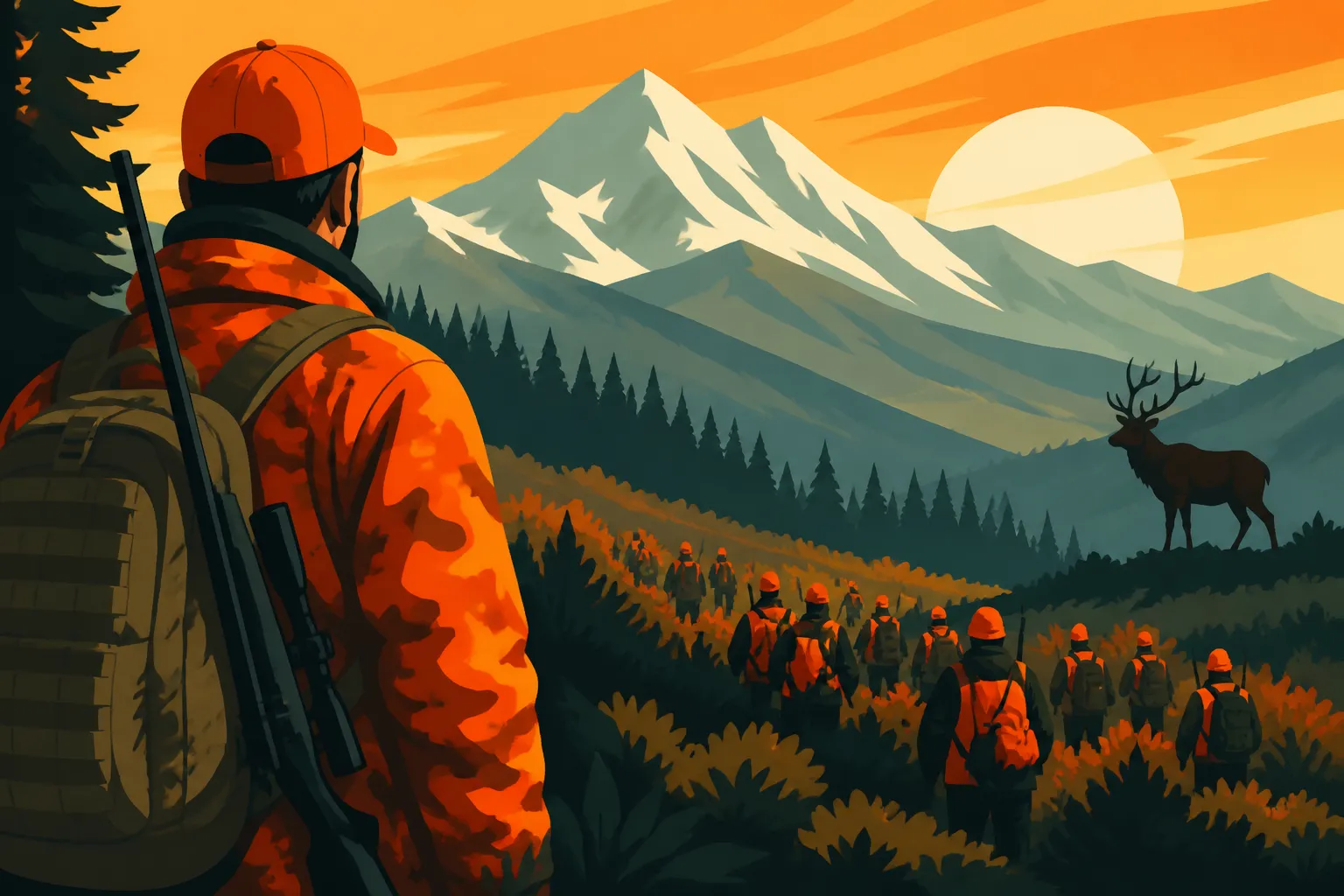
There's nothing quite like the excitement leading up to British Columbia's hunting season openers. That first weekend, especially for general open seasons, holds a promise of fresh tracks and untouched territory. However, if you've spent any time on accessible Crown land during these initial days, you know that promise often clashes with the reality of bustling roads, crowded pull-outs, and the frustrating sight of a dozen other trucks already parked where you planned to start your hunt. This guide is all about understanding why opening weekends get so busy and, more importantly, equipping you with strategies to find that peace and solitude we all crave, even when everyone else is hitting the hills.
The Allure and Annoyance of British Columbia's Opening Weekends
British Columbia is vast, wild, and truly a hunter's paradise, but even in this incredible landscape, certain times and places become veritable hunter magnets. Opening weekend, particularly for popular species and general open seasons, is undeniably one of those times. It's not just a coincidence; there are deep-rooted reasons why so many of us converge on the backcountry at the same moment.
The Draw of General Open Seasons
For many species in British Columbia, such as mule deer or black bears, specific dates mark the start of "General Open Seasons." These are often provincial or regional in scope, meaning anyone with the proper licence and species tag can participate without the need for a Limited Entry Hunting (LEH) draw. This accessibility is fantastic in principle, providing widespread opportunity for residents. However, it also means that a huge percentage of the hunting population has the exact same start date for their pursuit. Suddenly, all those prime spots you scouted or dreamed about are fair game for literally thousands of other hunters. It’s like everyone gets the same memo about the best fishing hole, and then everyone shows up on the same day. Understanding British Columbia's General Open Seasons is key to recognizing why these times are so popular.
The "Early Bird Gets the Worm" Mentality
There's a powerful psychological pull to being out there on opening day. We all envision ourselves as the first ones in, setting tracks in fresh dew, encountering animals that haven't been pressured yet. This "early bird" mentality is ingrained in hunting culture, and for good reason: often, animals are less wary before they've heard a dozen rifle shots or smelled human scent wafting through the timber. But when every other hunter in your region shares that same thought, the advantage quickly diminishes. Instead of finding unpressured game, you might find yourself navigating a landscape where the game has been pressured by all the early birds simultaneously. This collective rush can sometimes make the hunting tougher, not easier, in popular spots.
Why Certain Areas Are Magnets for Hunters
Certain types of terrain or access points inevitably draw more hunters than others. Areas close to major population centers, those with well-maintained British Columbia's Forest Service Road Network, or units known historically for producing good animals are classic examples. Hunters often gravitate towards what's familiar, easily accessible, or has a proven track record. For instance, a logging road that provides vehicle access deep into what looks like promising deer habitat is going to be incredibly popular. Similarly, units that border agricultural land or offer a mix of open and timbered country, especially for species like elk or mule deer, are often high-traffic zones. This concentration isn't always about the best hunting, but rather the easiest or most familiar access.
Pre-Season Strategies to Outsmart the Crowds
The key to a successful, less-crowded opening weekend hunt in British Columbia often lies in the planning you do long before you even load your rifle or bow. Proactive research and smart scouting can make all the difference, transforming a potentially frustrating weekend into a fulfilling wilderness experience.
Deep Dive into Management Unit Research
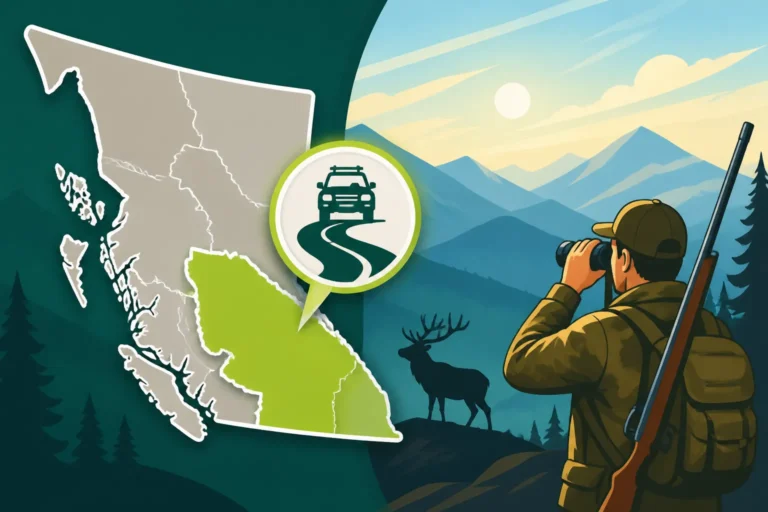
Before you even consider which boots to wear, you need to pore over maps and regulations. British Columbia's hunting regulations are broken down by geographical "Management Units" (MUs) within larger "Regions." Understanding British Columbia's Management Units and Regions is your first step. Each MU will have specific species seasons, bag limits, and sometimes even unique restrictions. Don't just pick a unit because it's close to home or you've heard a rumour.
Look for units that might have slightly more difficult access, perhaps those with fewer main roads or requiring a longer walk. Consider checking out adjacent units that might draw less attention. Sometimes, moving just one ridge over from a popular spot can make a world of difference. Pay close attention to the topography—are there areas of significant elevation change, dense timber, or water features that naturally deter the casual road hunter? These are the places that often hold pockets of less-pressured game, even on opening weekend. Don't be afraid to read the regulations synopsis closely, looking for obscure units or less common season dates that might open later than the prime rush.
Leveraging Mapping Tools for Hidden Gems
In today's digital age, mapping applications are indispensable for pre-season scouting. Tools like onX Hunt offer incredible detail, allowing you to identify Crown land, private property boundaries, roads (active, inactive, or de-activated), trails, and topographic features from the comfort of your home. This digital reconnaissance is crucial for finding those "hidden gems." Look for small pockets of Crown land that are surrounded by private land, requiring permission to cross, which naturally limits access. Or identify de-activated logging roads that aren't shown on standard road maps but are visible on satellite imagery. These often mean a hike or a mountain bike ride, but they also mean far fewer other hunters.
Another powerful use of these apps is to analyze terrain. Spot bottlenecks, potential bedding areas, and feeding zones. You can mark potential water sources, old clearcuts, or natural funnels that animals might use. By understanding the lay of the land digitally, you can formulate a plan that takes you away from the obvious access points. Even something as simple as comparing different units on onX Hunt for road density can guide you towards less-pressured areas. Think about areas that require walking a few kilometers past the last accessible road — most hunters won't make that effort, especially if they can find easier terrain. Scouting a British Columbia Management Unit Online is a fantastic way to begin this process.
The Power of Pre-Season Scouting Online and Boots-on-the-Ground
Beyond digital maps, dedicated online forums and government resources can provide valuable insights. While you won't get anyone's secret spot, you can often glean information about general pressure trends in regions or specific types of habitat. Combine this with physical scouting trips well before the season. Even a summer hike through potential hunting grounds can reveal trails, water sources, and game sign that online maps can't fully convey. If you're willing to go a step further, consider a physical scouting trip a few weeks before opening weekend. This isn't about looking for animals, but for other hunters' signs. Fresh tire tracks, discarded shotgun shells, or new flagging tape can indicate an area is already being heavily scouted by others. If you see this, it’s a good sign to consider other options for opening day. Remember that Finding Open Forest Roads in British Columbia can sometimes be a challenge, so pre-scouting helps confirm access.
Tactical Approaches for a Quieter Hunt
Even with the best pre-season planning, you might still encounter other hunters. That's just part of hunting in a popular province. But how you execute your hunt on opening weekend can significantly impact your experience and your chances of success. It's about being strategic and adaptable.
Timing Your Entry and Exit
Most hunters hit the woods at first light and stay until mid-morning, then often head back to camp or the truck for lunch. They then re-emerge for the last few hours of daylight. This creates predictable waves of activity. To avoid these peaks, consider shifting your schedule. Instead of charging out at dawn, try heading in a couple of hours later, after the initial rush has thinned out. Many hunters will have already settled into their spots, or started moving back towards their vehicles, which can open up new opportunities for you.
Conversely, staying out longer through the midday can sometimes pay off. Many animals will be bedded down, but a quiet still-hunt through thick cover during these hours might surprise a buck or bull that thinks the coast is clear. For an evening hunt, consider positioning yourself in a low-pressure area for the last few hours of light, rather than fighting for a spot along a main access road. Remember, a lot of opening weekend pressure is concentrated on the edges and easy access points; animals quickly learn to move deeper or wait out the commotion.
Embracing Difficult Access
This is perhaps the most effective strategy for escaping the crowds. The further you are willing to walk, paddle, or ride from established access points, the fewer hunters you will encounter.
- Foot Power: Identify areas on your map where roads end or become deactivated. Plan to hike in several kilometers past the gate. Most hunters are simply not willing to walk that far, especially if it's steep or brushy. Even an extra two or three kilometers can dramatically reduce hunter density. Hunting British Columbia Without a Truck is absolutely possible and often leads to more solitude.
- Water Access: Rivers and lakes can offer unparalleled access to otherwise remote terrain. If you have a canoe, kayak, or small boat, look for areas where a body of water provides the only practical way in. Jet Boat Access on British Columbia Rivers is another fantastic option, allowing you to bypass dozens of miles of road hunters and reach truly wild country.
- Horseback or ATV (where permitted): For some, bringing horses or ATVs (where explicitly allowed on designated trails) can extend their reach significantly beyond what's possible on foot, while still accessing areas that vehicles cannot. Always check specific regulations for ATV use in MUs. Horseback Hunting British Columbia's Backcountry offers a unique and traditional way to escape the crowds and delve deeper into wilderness areas.
The common thread here is overcoming obstacles. If it's hard to get to, fewer people will be there.
Changing Your Hunting Style to Adapt
If you find yourself in a crowded unit, simply walking around hoping to stumble upon game is unlikely to be successful. You need to adjust your approach.
- Still-Hunting the Thick Stuff: Instead of glassing open areas that are likely to be visible to others, focus on slow, methodical still-hunting through dense timber, dark canyons, or heavy brush. Animals will often retreat to these areas under pressure. Move slowly, pause frequently, and use your binoculars to pick apart every shadow.
- Elevation Advantage: Head uphill. Many hunters stick to valley bottoms and lower slopes. Animals often climb to higher elevations to escape pressure. Getting above timberline or Hunting Above Timberline in Cold Weather can put you in different country than most hunters.
- Non-Traditional Spots: Think outside the box. Instead of focusing on fresh cutblocks, consider Hunting a British Columbia Cutblock Edge that is several years old and regrowing thickly, offering cover and forage that fewer people consider. Or look for hidden benches within an Hunting an Interior Douglas Fir Bench that are missed by those focused on larger, more obvious features.
- The "Wait Them Out" Game: Sometimes, the best strategy is patience. Find a strategic vantage point with good cover that overlooks a natural travel corridor, bedding area, or water source, and simply sit. Let the movement of other hunters push game towards you. Often, after the initial morning rush, animals will start to move cautiously, and being in a quiet, concealed position can pay dividends.
Navigating the Dynamics of Shared Hunting Spaces
Even with the best strategies, you'll likely still encounter other hunters on opening weekend. Knowing how to interact safely and respectfully is just as important as knowing how to find game. After all, we're all out there for a similar experience, and a little courtesy goes a long way.
Safety First: Communication and Visibility
When hunter density increases, so does the importance of safety. Make sure you are clearly visible, especially if you're not in an area where camouflage is absolutely critical. Wearing blaze orange is not just a good idea, it's often a legal requirement in British Columbia. Understand British Columbia Blaze Orange and Safety Rules for your specific season and region. This simple step dramatically reduces the risk of being mistaken for game.
If you encounter another hunter, a friendly wave or brief, quiet conversation can help prevent misunderstandings. Let them know your general direction of travel and ask theirs if appropriate. This isn't about sharing your secret spot, but about ensuring everyone knows roughly where others are to avoid dangerous situations. Always be aware of your backdrop and beyond your target. Never assume you are the only one in an area, no matter how remote it feels.
Managing Expectations and Embracing the Experience
Let's be realistic: opening weekend in popular areas might not be the solitary wilderness adventure you dream of. Adjusting your expectations can save you a lot of frustration. Instead of getting upset when you see another truck, acknowledge it and adapt your plan. Maybe that means hiking further, trying a different ridge, or simply focusing on the sheer enjoyment of being outdoors.
Sometimes, the "trophy" of opening weekend is simply the experience itself—the crisp air, the smell of pine, the camaraderie with your hunting partners, or even just the challenge of navigating the terrain. If you go in with an open mind, ready to adjust, you'll have a much more positive experience, regardless of whether you punch a tag. The journey and the challenge are often more rewarding than just the outcome.
The Unspoken Rules of Hunter Etiquette
Even without formal rules, a code of conduct helps everyone have a better opening weekend.
- Respect Boundaries: If you see a vehicle already parked at a trailhead or along a road, it's generally good etiquette to find another spot to start your hunt, or at least go in a completely different direction. Crowding someone's planned area is a quick way to sour everyone's day.
- Keep Noise Down: Resist the urge to slam truck doors, shout across valleys, or run loud generators in camp. Noise travels far in the quiet backcountry, and it impacts other hunters and the animals.
- Leave No Trace: Pack out everything you pack in. This is fundamental for maintaining access to Crown land and ensuring others can enjoy it after you.
- Be Mindful of Others' Stalks: If you observe another hunter actively stalking game, give them a wide berth and do not interfere. It's incredibly frustrating to have a careful approach ruined by someone else's unawareness.
By practicing these courtesies, you not only improve your own experience but contribute to a more positive hunting environment for everyone. British Columbia's Crown land belongs to all of us, and respecting it, and each other, ensures it remains a treasured resource.
Strategies for Avoiding Opening Weekend Crowds
| Strategy Type | Description | Ideal for | Potential Trade-offs |
|---|---|---|---|
| Deep Access | Hiking, paddling, or riding far beyond typical vehicle access points. | Hunters seeking solitude and less-pressured game. | Increased physical exertion, time commitment, specialized gear (boats, horses). |
| Timing Shifts | Starting later in the morning or hunting through midday/late evening, avoiding peak "rush hours." | Hunters with flexible schedules, willing to adapt to animal movement patterns. | Missing prime first light, requires patience and good navigation skills. |
| Terrain Selection | Focusing on steep, dense, or brushy areas that deter casual hunters. | Physically fit hunters, those comfortable in challenging landscapes. | Slower travel, harder hunting, potentially fewer clear shots. |
| Research & Tools | Extensive map study (e.g., onX Hunt), checking regulations for less popular MUs, online scouting. |
Diligent planners, those comfortable with digital navigation. | Time-consuming pre-hunt phase, no guarantee of success in finding "secret spots." |
| Flexible Approach | Adapting your hunting style (still-hunting, ambushing) based on observed hunter pressure and animal sign. | Experienced hunters, those comfortable changing tactics on the fly. | May require sacrificing a preferred hunting method, constant decision-making. |
Disclaimer
This article is for general informational purposes only and does not constitute professional advice. Laws, prices and regulations vary by location and change over time. Consult a qualified professional for guidance on your specific situation.