Hunting the Rocky Mountain Trench
Hunting the vast and diverse landscape of the Rocky Mountain Trench can feel like trying to solve a complex puzzle, with its checkerboard of private land, sprawling forests, and towering peaks all holding different promises and challenges. Many hunters feel overwhelmed by the sheer scale of the region, unsure where to even begin their planning or what to expect when they finally hit the road. This guide is here to unravel some of that complexity, offering a comprehensive look at what it takes to successfully navigate and hunt the iconic Rocky Mountain Trench, helping you understand its unique ecosystems, access challenges, and effective strategies for pursuing game.
Understanding the Unique Landscape of the Rocky Mountain Trench
The Rocky Mountain Trench is one of British Columbia's most defining geographical features, a massive, linear valley that stretches for hundreds of kilometres, running from the US border right up into the Yukon. It's not just a big ditch; it's a dynamic mosaic of environments, from low-lying river bottoms and agricultural fields to steep, timbered slopes and rugged alpine plateaus. This incredible diversity is both its greatest appeal and its biggest challenge for hunters.
Geography and Habitat Diversity
Imagine standing on the valley floor in a spot like the Kootenay or Columbia River valleys. You're surrounded by productive farmland, often bordered by cottonwood and willow bottoms that hug the meandering rivers. This lower elevation habitat, especially where it meets pockets of cover, can be prime real estate for species like whitetail deer, especially as they've expanded their range. But look up, and your eyes are immediately drawn to the dramatic rise of the Rocky Mountains on one side and the Purcell Mountains (or other ranges of the Columbia Mountains) on the other.
As you gain elevation, the landscape quickly transitions. You'll move from open grasslands and sagebrush benches, which are classic mule deer habitat, into mixed forests of Douglas fir, ponderosa pine, and larch. Higher still, the timber becomes denser, often with a thick understory, providing excellent cover for elk and bears. Climb further, and you eventually break out into subalpine basins and true alpine country, the domain of mountain goats and bighorn sheep. This constant change in elevation and vegetation means that successful hunting in the Trench isn't about finding one type of habitat; it's about understanding how to hunt all of them, often within a single day's hike. It's this vertical migration pattern that often dictates where game will be found depending on the time of year and snow levels.
Key Game Species and Their Haunts
The Rocky Mountain Trench is a big game paradise, offering opportunities for a variety of species. Knowing where each animal prefers to hang out is half the battle.
- Mule Deer: You'll often find mule deer bucks in the mid-elevation country. Think those south-facing, open timbered slopes with good browse and pockets of cover, especially in the early morning or late evening. The sagebrush benches and draws in areas with less snow are key. During the rut, they'll drop lower, sometimes right into private land or near the edges of agricultural fields, making them a challenge to access. If you're looking for where the biggest bucks often reside, keep an eye on these transition zones. For more on hunting these animals, check out Mule Deer Hunting in British Columbia.
- Elk: Both Rocky Mountain Elk and sometimes even a few migrating Roosevelt elk can be found here, depending on the specific region of the trench. Elk tend to favour thicker timbered draws and benches, especially those with good forage, water, and security cover. They're often found higher up than deer, particularly during the archery and early rifle seasons. Calling can be very effective during the rut, drawing bulls out of the dense forest. Consider reading Elk Hunting in British Columbia for deeper insights.
- Moose: While the Trench isn't always thought of as classic "moose country" in the same way as the Omineca or Peace regions, you can certainly find them, particularly in the more northern and central sections, or in wetter valley bottoms and riparian areas where there's plenty of willow and aquatic vegetation. Look for them around beaver ponds, slow-moving creeks, and recent cutblocks that are regenerating with their preferred browse. For specific tactics, Moose Hunting British Columbia's Interior has valuable information.
- Black Bears: Black bears are ubiquitous across British Columbia, and the Trench is no exception. They'll be found throughout the forested areas, often feeding on berries in the fall or seeking out early green-up on avalanche chutes and clearcuts in the spring. They tend to move between different food sources, so understanding seasonal food availability is key to locating them. You might even find them along river systems during salmon runs in some areas. If you're thinking about a spring hunt, Black Bear Hunting British Columbia's Spring can offer guidance.
- Mountain Goats and Sheep: For those looking for a true mountain adventure, the high peaks flanking the Trench are home to mountain goats and sometimes bighorn sheep, depending on the specific range. These hunts are physically demanding, requiring significant vertical gain and specialized gear. Goats prefer the steepest, rockiest terrain, while bighorns can be found on more open, grassy slopes and ridges. Glassing these areas from afar is typically the most effective way to locate them.
Navigating Access and Terrain in the Trench
One of the biggest hurdles and sources of frustration for hunters in the Rocky Mountain Trench is simply figuring out where you can legally hunt and how to get there. It's a land of incredible opportunity but also complex land ownership and challenging topography.
Forest Service Roads and Private Land Challenges
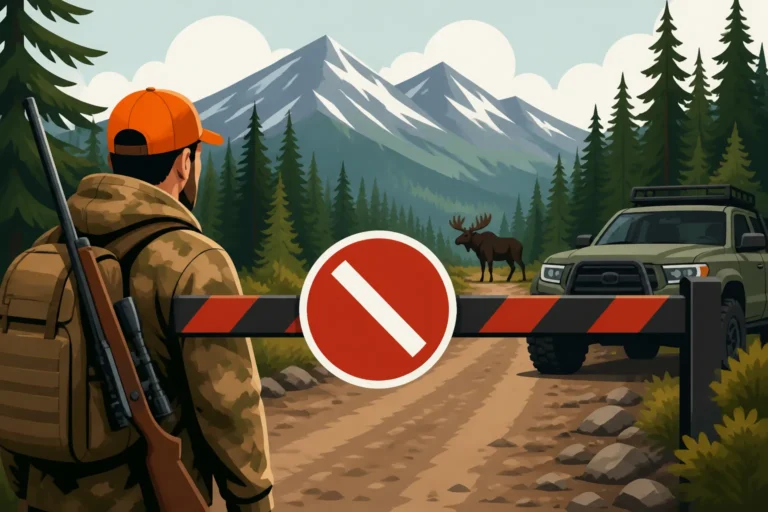
British Columbia is fortunate to have a vast network of Forest Service Roads (FSRs) that crisscross much of the interior, including the Trench. These roads are your primary arteries for getting into hunting country. However, many FSRs, especially those leading into prime areas, might be deactivated with gates, overgrown, or require a high-clearance 4×4, sometimes even chains, depending on the season and weather. Don't underestimate the time it takes to navigate these roads, and always be prepared for unexpected closures or rough sections.
The real headache often comes from the patchwork of private land, particularly in the fertile valley bottoms where agriculture and private holdings are more common. You might have excellent Crown land access only to find it completely surrounded by private property, effectively landlocking it. This is where modern mapping tools become absolutely indispensable. I can't tell you how many times I've heard stories, or experienced it myself, of hunters spotting an animal only to realize it's just stepped onto private ground. Using an app like onX Hunt on your phone or GPS device is a game-changer. It clearly delineates public and private boundaries, allowing you to plan your approach, understand potential access points, and avoid accidental trespass. Always confirm public land boundaries with multiple sources if you can, and if in doubt, seek permission from landowners. Understanding British Columbia's Management Units and Regions is also crucial for navigating these areas.
The Demands of Trench Hunting: From Valley to Alpine
Hunting the Rocky Mountain Trench is not for the faint of heart, or for those who prefer to stay in their truck. The terrain here can be incredibly diverse and physically demanding. In a single hunt, you might go from walking relatively flat ground in a river bottom to ascending hundreds or even a thousand metres up a steep logging road or game trail.
The physical demands change dramatically depending on where you are within the trench. If you're targeting whitetails or moose in the valley bottoms, you might be dealing with thick brush, marshy ground, and dense cover. However, if you're pursuing mule deer or elk on the mid-slopes, you'll be faced with steep climbs, often through uneven timber and across slippery clearcuts. And for those aiming for goats or sheep, prepare for serious mountain work – long, steep ascents, navigating rocky terrain, and potentially crossing snowfields. Packing Out of British Columbia's Steep Country is a reality you'll want to be prepared for.
Weather also plays a massive role. The Trench can experience extreme temperature swings, from warm, sunny days in the early season to sudden snowfalls and freezing temperatures in October and November. This affects both animal movement and access. A logging road that was perfectly passable one day can become impassable with a fresh layer of snow the next, stranding you or limiting your hunting options significantly. Always check the forecast and have a backup plan, along with the right gear for any condition.
Strategies for Successful Hunting in the Rocky Mountain Trench
Success in the Rocky Mountain Trench often boils down to preparation, adaptability, and persistence. Given the varied landscape and species, a one-size-fits-all approach simply won't cut it.
Scouting and Pre-Season Planning
You wouldn't build a house without a blueprint, and you shouldn't hunt the Trench without extensive scouting and planning. This needs to happen on two fronts: digitally and physically.
- Digital Scouting: Before you ever set foot in the woods, spend hours poring over maps. Topographic maps, satellite imagery, and even tools like GoHunt can give you an invaluable head start. Look for obvious features like south-facing slopes, prominent ridges, creek drainages, old burns, clearcuts, and areas where different habitat types converge. Identify potential travel corridors between feeding and bedding areas. Mark historical game sightings (if you have them) and potential glassing knobs. I always highlight potential access points, whether they are main FSRs or old spurs that might require some bushwhacking. This pre-season reconnaissance can save you countless hours of unproductive hiking. Consider Scouting a British Columbia Management Unit as a starting point.
- Physical Scouting: Nothing beats boots on the ground. If you can, visit your chosen areas in the off-season. Drive the FSRs, hike into potential glassing spots, and look for fresh sign: tracks, rubs, scat, and bedding areas. Pay attention to water sources and prevailing wind patterns. Physical scouting helps you confirm what you saw on the maps and gives you a real feel for the terrain, which is vital for planning your actual hunt. You'll quickly learn where the thickest timber really is, or which "road" is now completely overgrown.
Adapting Tactics for Different Species and Terrain
Once you're in the field, you need to be flexible. The Trench demands that you have a versatile hunting toolkit.
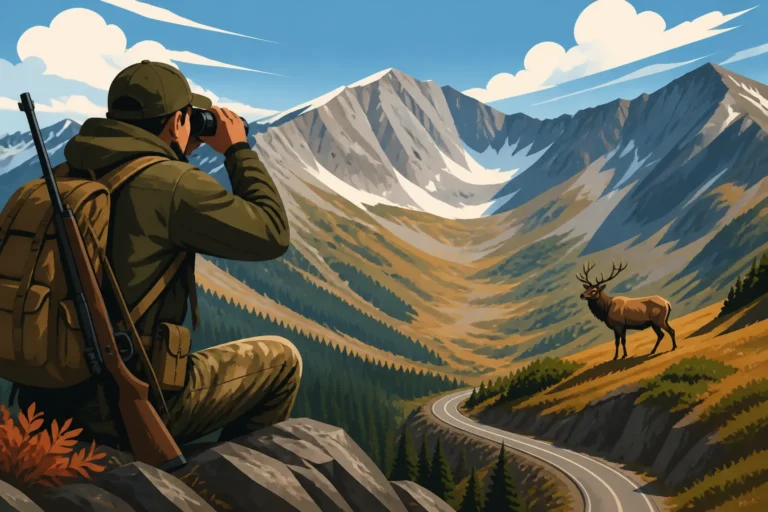
- Glassing for Mule Deer: For mule deer on those open slopes and benches, quality optics are your best friend. Find a good vantage point, settle in, and meticulously pick apart the landscape. Use your binoculars and a spotting scope to identify deer feeding, bedded, or moving through cover. Focus on shadows, tree lines, and breaks in the terrain. Glassing an Interior Hillside for Mule Deer provides an excellent deep dive into this technique.
- Still-Hunting for Elk: In the denser timber and draws where elk often reside, a more active approach might be needed. Slow, deliberate still-hunting, moving into the wind, paying attention to every snap of a twig, can be effective. If hunting during the rut, bugling or cow calling can draw a bull in, but be prepared for them to come in silently.
- Calling Moose in Willow Bottoms: Moose in the Trench will often be found in wetter, boggy areas, or willow and alder thickets along river systems. During the rut, calling can be highly effective. A deep grunt or raking brush can sometimes elicit a response from an inquisitive bull. Patience is key, as they can take their time responding.
- Spot-and-Stalk for Bears: Whether spring or fall, bears are often spotted on clearcuts, avalanche paths, or berry patches. Spot-and-stalk is a common method, requiring careful wind assessment and a quiet approach. Remember, bears often feed intensely, so if you spot one, watch its movements carefully to predict its next move before making your stalk.
Ultimately, you need to be prepared to switch gears. If the deer aren't showing themselves on the open slopes, perhaps they've dropped into a thicker drainage due to pressure or weather. If your elk calling isn't producing, maybe it's time to shift to still-hunting through a different timber block. The Trench rewards the hunter who can read the signs and adapt their strategy on the fly. Don't be afraid to change locations or tactics if your initial plan isn't working.
Essential Gear and Safety Considerations
Hunting the Rocky Mountain Trench is an adventure that requires thoughtful preparation when it comes to your gear and an unwavering commitment to safety. The remote and rugged nature of this region means you need to be self-sufficient and prepared for anything.
Gear for Variable Conditions
The Trench can throw a lot at you in terms of weather and terrain, sometimes all in the same day. Having the right gear isn't just about comfort; it's about safety and success.
- Optics: Good quality binoculars (10x or 12x) are non-negotiable for glassing those vast slopes. A spotting scope (20-60x or similar) is also highly recommended, especially for identifying distant game or evaluating antler size.
- Layered Clothing: Forget heavy, bulky coats. Think layers. A good base layer, insulating mid-layers (fleece or puffy jacket), and a waterproof/windproof outer shell are essential. This allows you to adjust to rapidly changing temperatures and precipitation. Even on a sunny morning, a quick storm can roll in.
- Footwear: Sturdy, broken-in hiking boots with good ankle support and waterproof membranes are critical. You'll be crossing uneven terrain, wet ground, and potentially slippery slopes. Consider gaiters if you're dealing with deep snow or wet brush.
- Navigation: While onX Hunt or other GPS apps are excellent, always carry a physical map of the management unit and a compass. Batteries die, and electronics fail. Knowing how to use traditional navigation tools is a basic safety measure. A satellite communication device (like a Garmin inReach or Zoleo) is also highly recommended, especially if you're venturing into areas with no cell service – which is most of the backcountry here. Satellite Communication on a Remote Hunt is something every hunter should consider.
- Backpack: A comfortable day pack for short hunts, or a larger internal frame pack for packing out meat, is necessary. Make sure it fits well and can handle the load.
Safety in the Remote and Rugged Trench
The Rocky Mountain Trench, while beautiful, is wild country. Being prepared for emergencies and understanding the risks is paramount.
- Bear Safety: Both black bears and grizzlies inhabit parts of the Trench. Always carry bear spray, know how to use it, and have it readily accessible. Make noise when moving through dense cover, especially near water sources or berry patches. Be extra vigilant when quartering an animal. Understanding Bear Safety While Hunting in British Columbia is critical.
- Emergency Preparedness: A basic first-aid kit is a must. Include items for cuts, blisters, and pain relief. Carry fire-starting materials (waterproof matches, lighter, fire steel), a headlamp with extra batteries, and emergency shelter (a lightweight tarp or space blanket). Enough water or a water filter is also crucial. Share your detailed hunt plan with someone responsible back home, including your specific route, target area, and expected return time.
- Hunting Partners: Hunting with a partner significantly enhances safety, especially when in remote areas or packing out heavy game. If you're alone, be extra cautious, and consider lighter, more accessible areas.
- Weather Awareness: Pay close attention to weather forecasts, especially for sudden changes that can bring snow, heavy rain, or high winds. These conditions not only make hunting more difficult but can also create dangerous situations like hypothermia or getting stranded.
Hunting the Rocky Mountain Trench is an incredible experience that offers unparalleled opportunities for a variety of big game. By understanding its unique geography, preparing for the challenges of access and terrain, adopting adaptable hunting strategies, and prioritizing safety, you can make your hunt both successful and memorable.
Rocky Mountain Trench Game and Tactics
| Game Species | Primary Habitat in Trench | Key Hunting Tactics | Essential Gear Considerations | Seasonality Focus |
|---|---|---|---|---|
| Mule Deer | Mid-elevation open timber, sagebrush benches, clearcuts | Glassing, spot-and-stalk, still-hunting | High-quality binoculars, spotting scope | Late season (rut), archery |
| Elk | Thicker timbered draws, subalpine basins, regenerating cuts | Calling (rut), still-hunting, glassing | Elk calls, good boots for steep terrain | Archery (rut), early rifle |
| Moose | Willow bottoms, beaver ponds, regenerating cutblocks | Calling (rut), still-hunting in dense cover | Durable rain gear, GPS/map for thick areas | Early season (rut), late season |
| Black Bear | Throughout forested areas, avalanche chutes, berry patches | Spot-and-stalk on clearcuts/slopes, still-hunting in timber | Bear spray, reliable rifle/bow, good optics | Spring (green-up), fall (berry crops) |
| Mountain Goat | Steep, rocky alpine cliffs and peaks | Long-range glassing, physically demanding stalks | Powerful spotting scope, sturdy mountain boots | Mid-late season (cooler weather) |
| Bighorn Sheep | Open, grassy alpine slopes and ridges | Long-range glassing, patient stalking | High-magnification optics, lightweight pack | Mid-late season (cooler weather) |
Disclaimer
This article is for general informational purposes only and does not constitute professional advice. Laws, prices and regulations vary by location and change over time. Consult a qualified professional for guidance on your specific situation.