Hunting British Columbia Without a Truck
For many aspiring hunters, the dream of exploring British Columbia's vast wilderness is often met with a significant logistical hurdle: not owning a heavy-duty truck. It's a common frustration, looking at maps of endless logging roads and thinking, "How am I supposed to get back there without a capable rig?" This guide aims to tackle that very challenge, providing practical, real-world strategies and alternative approaches for successfully hunting British Columbia, even if your daily driver is a sedan, or you rely on other means to get around.
Understanding British Columbia's Diverse Terrain and Access Challenges
British Columbia is a land of incredible natural beauty and challenging terrain. From the rugged coastlines to the towering peaks of the Rockies and the vast interior plateaus, each region presents its own set of access dilemmas, especially when you're not equipped with the typical hunter's setup. Ignoring these realities is a sure path to frustration, or worse, getting stranded.
The Reality of Remote Access and Logging Roads
The vast majority of British Columbia's hunting opportunities lie on Crown land, which is often accessed via an extensive network of active and deactivated logging roads. The problem is, these aren't your paved highways. Active roads can be rough, muddy, and shared with heavy industrial traffic, requiring a high-clearance 4×4 and careful radio protocols. Deactivated roads, on the other hand, are often overgrown, washed out, or gated, intentionally blocking vehicle access. This is where the lack of a truck truly hits home.
Imagine planning a deer hunt in the Cariboo and finding the perfect looking cutblock online, only to drive your minivan to the main forest service road and realize the turn-off is a deeply rutted, creek-crossing nightmare. Many hunters experience this disconnect between what a map shows and what the ground actually demands. Without a truck, these roads can be impassable, leaving promising areas out of reach. It's not just about getting stuck; it's about minimizing wear and tear on a vehicle not designed for such abuse, and more importantly, ensuring your safety. Knowing how to navigate these challenges is paramount, and sometimes, it means leaving the vehicle far behind and going in on foot or with a different machine. For those thinking about Hunting British Columbia's Logging Road Network, understanding its limitations for smaller vehicles is crucial.
Navigating Different Geographical Zones Without a Dedicated Rig
British Columbia's diverse geography means different areas pose different problems. On the Coast, thick rainforest, steep terrain, and numerous inlets make boat access incredibly valuable. In the Interior, vast distances, deep river valleys, and higher elevations mean you might face snow earlier, or roads that turn to soup with a bit of rain. The Peace Region might offer more open country, but the sheer scale still demands reliable transport.
For example, hunting for blacktail on Vancouver Island often means dealing with dense second-growth timber, where short, punchy logging spurs might be overgrown and barely passable even for a truck. In contrast, pursuing mule deer in the Okanagan Breaks might involve steep, rocky two-tracks that are fine in dry weather but become treacherous after a downpour. If you're targeting moose in the Omineca, you could be looking at hundreds of kilometers of gravel roads, far from any amenities. Each region requires a unique assessment of access, and without a truck, your options might seem more limited. However, this simply means a shift in strategy, focusing on areas with better established infrastructure, or embracing alternative forms of transport that can handle rugged conditions or bypass vehicle access restrictions entirely. A good starting point for planning is to look into Scouting a British Columbia Management Unit, where you can often get a sense of the terrain before you even leave home.
Alternative Transportation Methods for British Columbia Hunting
Just because you don't have a truck doesn't mean you're out of luck. British Columbia offers numerous ways to access hunting grounds, from ATVs to boats, and even relying on good old-fashioned legwork. The key is to match your transport method to the specific terrain and your hunting goals.
Utilizing ATVs, UTVs, and E-Bikes for Deeper Access
When the main forest service road becomes too rough or deactivated for your daily driver, ATVs, UTVs (side-by-sides), and even rugged electric mountain bikes can be game-changers. These vehicles are specifically designed to handle uneven terrain, steep grades, and light mud, allowing you to cover significant distances beyond where a conventional vehicle can go.
Consider a scenario where you've driven your SUV as far as it can safely go up a Forest Service Road in the Kootenays. From that point, you might be looking at a 10-kilometer hike to reach the promising elk habitat. Hauling your gear for that distance, and then packing out an animal, can be daunting. An ATV, or a side-by-side like a Polaris Ranger, can easily shave hours off that journey, carrying you and your gear much closer to your hunting spot. They're excellent for navigating those rough, gated, or deactivated logging roads, allowing you to access remote basins or dense timber blocks that would otherwise be foot-access only. Similarly, modern e-bikes, especially those designed for off-road use, are becoming increasingly popular for hunters. They're silent, environmentally friendly, and can extend your walking range significantly, allowing you to quietly penetrate deep into quiet zones or access trails where motorized vehicles are prohibited. You can cover more ground with less effort, making them ideal for scouting or for accessing areas just beyond the reach of vehicle traffic, often allowing you to get closer to game without making a ruckus. Just remember to check regulations; not all trails allow motorized vehicles or e-bikes.
Exploring Public Transportation, Ride-Sharing, and Carpooling Options
While less common for backcountry hunting, combining public transportation with ride-sharing or carpooling can be a viable option, particularly for hunts closer to urban centers or in more accessible regions. This strategy relies heavily on meticulous planning and coordinating with fellow hunters.
Imagine you're planning a waterfowl hunt in the Fraser Valley. You could take a bus to a nearby town, then use a ride-sharing service or coordinate with a friend who has a vehicle to get the final few kilometers to an estuary or field. This approach requires you to pack very light and be incredibly efficient with your gear, as you won't have a truck bed to dump everything into. For upland bird hunting, such as Hunting British Columbia's Grouse Season near more populated areas, this could certainly work. Another often overlooked option is carpooling with other hunters. If you're part of a hunting club or community, chances are you know someone who does have a truck and might be heading in the same direction. Splitting fuel costs and sharing the load can make a remote trip feasible, even if you don't own the vehicle yourself. Websites and apps dedicated to hunting partnerships are also emerging, helping connect hunters for shared trips. This is where detailed trip planning and networking really pay off.
Leveraging Water-Based Access: Boats and Jet Boats
British Columbia's numerous lakes, rivers, and extensive coastline offer fantastic hunting opportunities that are often best accessed by water. For those hunting along a coastal inlet, a large lake in the Interior, or a major river system, a boat or jet boat can effectively replace the need for a truck, acting as your primary mode of transportation and gear hauler.
Think about hunting black bears along the coast in spring. Many prime areas are remote, with no road access whatsoever. A boat allows you to cruise along the shoreline, spotting bears feeding on green-up in avalanche chutes or estuaries. You can set up a base camp on a beach, then launch smaller skiffs or even kayaks to explore further up smaller creeks. For bigger water, a cabin cruiser or a larger aluminum boat provides a stable platform and ample storage for multiple hunters and all their gear. Similarly, a jet boat can open up vast stretches of Interior rivers, allowing you to float past deactivated roads and reach untouched country for moose or elk. Imagine Jet Boat Access on British Columbia Rivers getting you into remote river bars or back channels where game rarely sees human pressure. Even a small inflatable boat or canoe can be incredibly useful for crossing lakes or navigating calm river sections, allowing you to access areas that are completely cut off from road traffic. This method often means less competition and a truly wild experience, but it requires specialized knowledge of boating safety, navigation, and local water conditions.
| Transportation Method | Pros | Cons | Best Use Case |
|---|---|---|---|
| SUV/Crossover | Decent clearance for mild FSRs, comfortable | Limited off-road capability, risk of damage on rough roads | More accessible general open seasons, well-maintained gravel roads |
| ATV/UTV | Excellent for rough terrain, high clearance, haul gear | Not road legal everywhere, requires trailer to transport, noisy | Deactivated logging roads, trails, deeper access from a staging area |
| E-Bike | Silent, environmentally friendly, extends range | Limited gear capacity, weather dependent, battery life concerns | Quiet zones, trails, access points just beyond vehicle traffic |
| Public Transport | Cost-effective for personal travel, no parking worries | Extremely limited routes, inflexible schedule, very low gear capacity | Urban-adjacent hunts, connecting to carpool/ride-share |
| Carpool/Ride-Share | Shares costs and effort, access to capable vehicles | Dependent on others, coordination vital, less spontaneous | Group hunts, accessing remote areas with a friend who has a truck |
| Boats/Jet Boats | Access to remote coastal/river areas, heavy haul capacity | Requires water body, specialized skills, weather dependent, expensive | Coastal bear hunts, river-accessed moose/elk, lake islands |
Strategic Planning for Non-Truck Hunters
Success without a truck in British Columbia hinges on superior planning. You need to think differently about everything from where you hunt to how you'll get your harvest out.
Choosing Accessible Management Units and Seasons
The first step in hunting British Columbia without a truck is to be highly strategic about where and when you hunt. Focus on Management Units (MUs) known for better access, or those with unique features that negate the need for a heavy-duty vehicle.
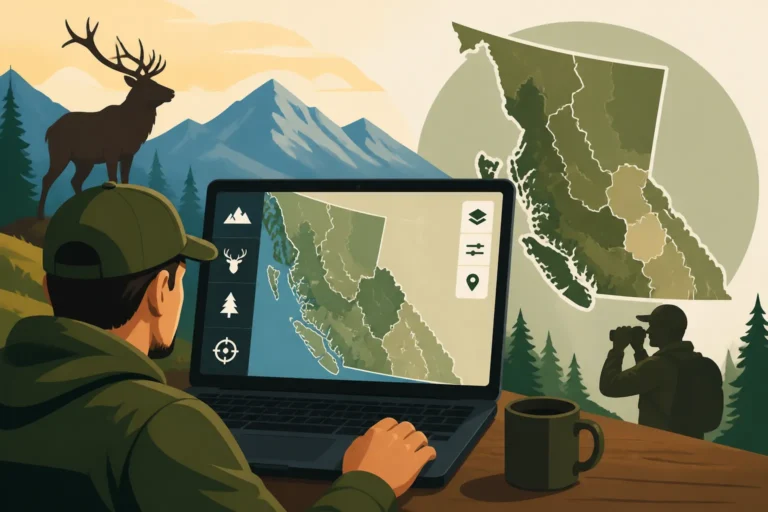
Some MUs, particularly those closer to towns or in areas with active resource extraction, will have more maintained Forest Service Roads (FSRs) that are passable by 2WD or AWD vehicles with reasonable clearance. These areas might see more pressure, but they also offer a baseline of accessibility. Alternatively, consider zones where water access is the primary method, such as coastal areas or regions with large lake systems. These environments often have fewer roads, but a boat opens up vast stretches of prime habitat. Utilizing tools like the provincial government's iMapBC or commercial apps like GoHunt can help you identify these MUs and visualize access points. You can filter for areas with trails, water access, or main arterial roads that are typically better maintained. Also, consider the season; early season hunts might avoid snow-covered roads, while late season hunts could mean road closures or extremely challenging conditions that even a truck might struggle with. Focusing on Hunting British Columbia's Alpine in September might mean hoofing it up a well-established trail, which doesn't require a truck at all. Don't be afraid to look for areas where walking in is the intended access method, rather than forcing a vehicle where it shouldn't go.
Gear Considerations and Packing Light
Without a truck, your gear strategy needs a complete overhaul. Every item you bring must justify its weight and bulk, especially if you're relying on ATVs, e-bikes, or even just your own two feet to cover ground after your primary vehicle drops you off. This means prioritizing essentials and investing in lightweight, multi-functional equipment.
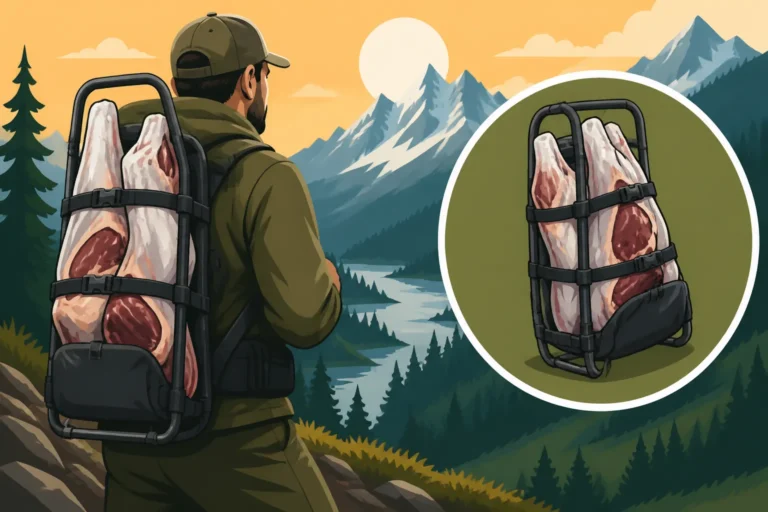
You won't have the luxury of an overflowing truck bed, so meticulous packing is crucial. Focus on lightweight tents, sleeping bags, and cooking systems designed for backpacking. Instead of a full cooler, consider soft-sided coolers that pack down, or rely on game bags and a good meat care strategy to keep your harvest cool for the short term. Dehydrated meals become your best friend. A high-quality internal or external frame pack is absolutely essential for carrying your hunting gear in, and more importantly, packing out meat. Look for packs designed to haul heavy loads comfortably. For example, if you're going after mule deer, you'll need to be prepared to break down the animal in the field and pack out quarters. This means a sharp knife, game bags, and a strong pack are non-negotiable. Every extra pound you add to your kit will be felt, so be ruthless in your selection. Investing in good quality, lightweight optics, clothing, and shelter systems from brands like Sitka Gear or Kuiu can make a huge difference in comfort and mobility. Think about what you absolutely need to stay safe, hunt effectively, and care for your animal, and leave everything else behind. For more specific advice on handling your harvest, you might find valuable insights in Meat Care in British Columbia's Warm Early Seasons.
Meat Care and Extraction Without a Truck
This is arguably the biggest challenge for non-truck hunters. Getting an animal out of the bush and keeping the meat in good condition without a large vehicle to cool it or transport it can be a logistical nightmare if not planned carefully.
Your primary strategy must revolve around immediate field dressing and quartering. Once an animal is down, the clock starts ticking, especially in warmer weather. You'll need to know how to efficiently gut, skin, and quarter the animal on the spot. Game bags are indispensable; they protect the meat from flies and dirt while allowing it to breathe and cool. For transport, a sturdy frame pack is your best friend. You'll often need to make multiple trips to pack out all the meat, hide, and antlers. For smaller game like deer or black bears, this might be a one or two-trip affair. For a moose or elk, it could be many more, requiring a team of hunters or multiple days of effort. If you're using an ATV or UTV, they can assist immensely in getting quarters from the field to your main vehicle. If you're completely on foot or using an e-bike, consider a game cart for flatter sections, though these are often impractical in British Columbia's steep terrain. For longer distances or larger animals, having a pre-arranged pick-up with a friend who has a truck, or even a local meat processor, might be your best bet. Planning for Packing Out of British Columbia's Steep Country means thinking about every step of the process before you even pull the trigger.
Embracing Guided or Assisted Hunting Experiences
For those who prioritize the hunting experience over DIY logistics, or who simply want to access truly remote and trophy-rich areas without the burden of equipment, a guided or assisted hunt can be an excellent solution.
When a Guide or Outfitter Makes Sense
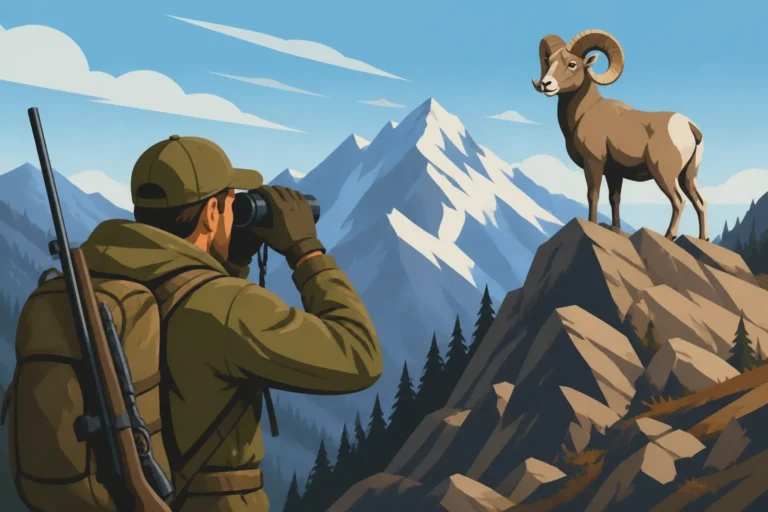
British Columbia is renowned for its world-class hunting opportunities, many of which are in vast, rugged, and remote regions. For these hunts, especially for species like mountain sheep, goats, or large interior moose, booking with a licensed guide or outfitter often makes the most sense, and for non-residents, it's a legal requirement.
A guide outfitter provides not just expertise in tracking and calling, but also all the necessary logistical support: transportation (often horses, jet boats, or even bush planes), camp setup, food, and the heavy lifting of packing out your animal. They have specialized equipment, detailed knowledge of their guiding territory, and experience navigating the toughest terrain. Imagine wanting to hunt Stone's Sheep in the Far North; without a truck, the idea of getting there and setting up a self-sufficient hunt is almost impossible for most. An outfitter, however, can fly you into a remote camp, provide horses for travel, and handle all the post-harvest logistics. This allows you to focus purely on the hunting experience and the challenge of the stalk. While an investment, a guided hunt can open up incredible opportunities and eliminate the truck-related headaches entirely. You can learn more about finding the right professional by reading Choosing the Right British Columbia Outfitter.
The "Permit to Accompany" and Hunting with Residents
If a full-service guided hunt isn't in your budget or preferred style, but you still want the advantages of a local's expertise and vehicle, the "Permit to Accompany" system offers a fantastic alternative for non-resident hunters.
This permit allows a non-resident hunter to hunt with a qualified British Columbia resident (who must hold a valid hunting license) without needing a licensed guide. The resident hunter essentially acts as your host and guide, providing knowledge of the local area, access to their vehicle (often a truck!), and assistance with all aspects of the hunt, including game recovery. This is a common arrangement among friends or family members from different provinces or countries. It’s a great way to experience British Columbia hunting with someone who knows the ropes, understands the regulations, and can handle the off-road access challenges. The resident host is responsible for ensuring compliance with all hunting regulations, and their local knowledge can be invaluable for finding game and navigating unfamiliar terrain. Websites like GoHunt might also offer forums or communities where non-residents can connect with potential resident hosts, provided all legal requirements for a Permit to Accompany are met. It's a fantastic way to enjoy the vast landscapes and diverse species without having to invest in an expedition-grade vehicle. Make sure to understand What a Permit to Accompany Allows before making any plans.
Disclaimer
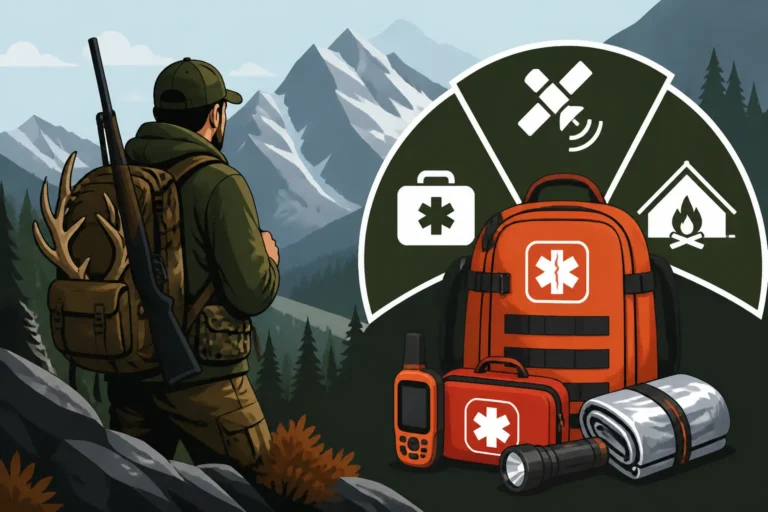
Please note that hunting regulations, seasons, and access rules in British Columbia can change frequently. Always consult the most current British Columbia Hunting and Trapping Synopsis and local authorities before planning any hunting trip. Safety in the backcountry is paramount, and proper preparation, including bear safety protocols and emergency planning, is crucial.