Where Blue Grouse Move in Fall
Finding blue grouse in British Columbia can feel like a game of hide-and-seek, especially once autumn rolls around and they seem to vanish from their summer haunts. That lush, dense cover they were in all summer? Gone. It’s a frustrating shift for many hunters who enjoyed the relative ease of flushing birds closer to the valley bottom. This guide will help you decipher where these elusive birds move in the fall, making your high-country grouse hunt more successful by understanding their seasonal migration.
Understanding Blue Grouse Seasonal Movements
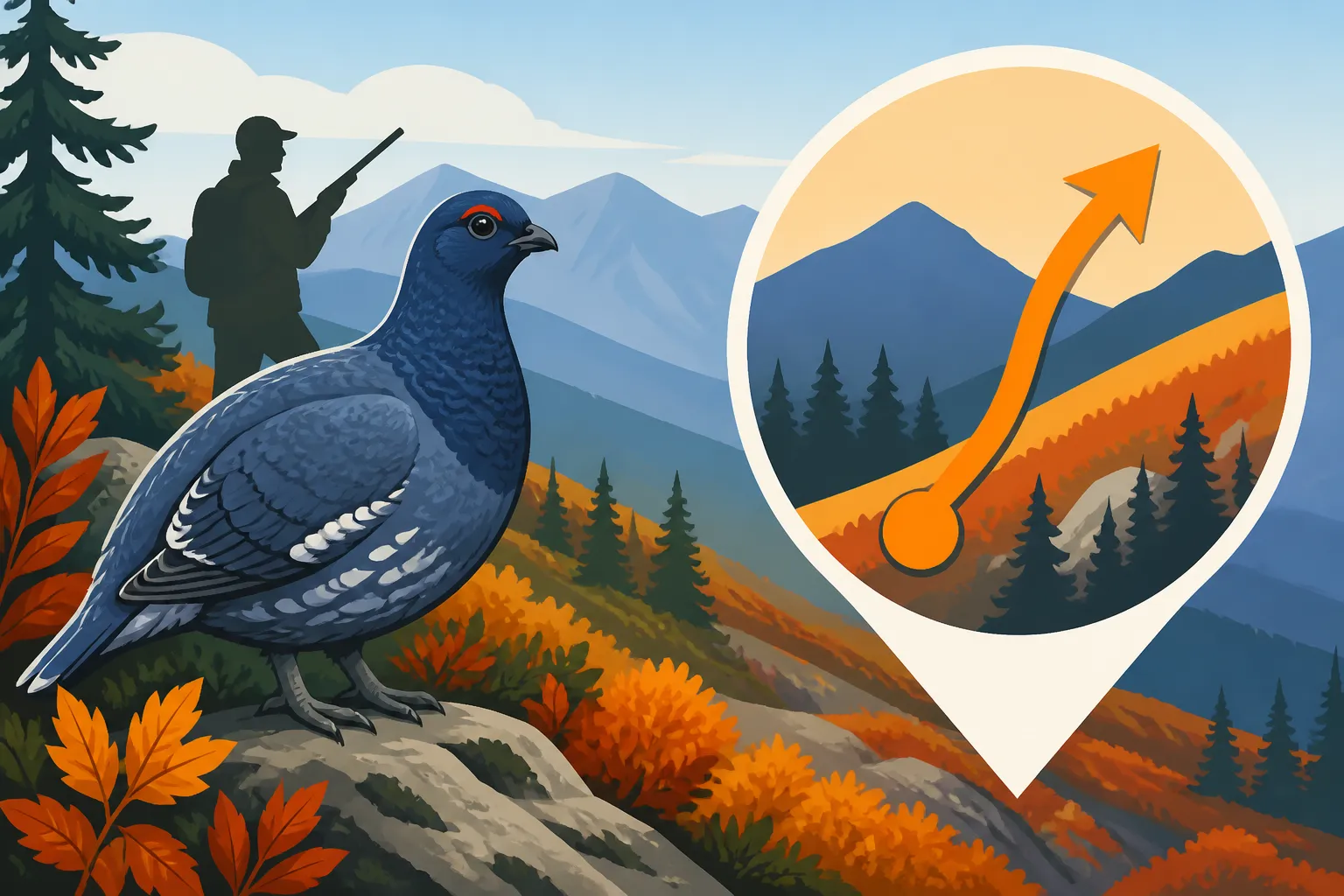
Blue grouse, sometimes referred to as dusky grouse or sooty grouse depending on the subspecies and region, undergo one of the most remarkable and often misunderstood migrations of any game bird in British Columbia. Unlike many other grouse species that might stick to the same general elevation year-round, blue grouse have a distinct "vertical migration" that makes them a true high-country challenge in autumn. If you're wondering where they've gone, chances are they're heading up, not down or across.
The Transition from Breeding Grounds
Throughout the late spring and summer, blue grouse typically inhabit mid-elevation forests. They prefer areas with a mix of dense understory for cover, open patches for dusting and sunning, and access to water. Think logging cutblocks that are regenerating, the edges of clearings, or even riparian zones where berry bushes are abundant. Hens will be raising their broods in these areas, feeding on a diet rich in insects, berries, and tender green vegetation. You might have walked up a small covey of birds along a Hunting a Recent Cutblock in Its Third Year or a British Columbia forest road during these months. They’re relatively easy to find then, predictable in their habitat choices, and often less wary.
As August fades into September, the dynamic begins to change. Broods start to break up, and the birds, now larger and more independent, feel the first subtle shifts in the season. The bounty of summer berries starts to dwindle, and the insect populations decline. This is the initial trigger for their move. They aren't in a frantic rush, but rather a slow, deliberate ascent as they begin to seek out new food sources and more secure habitat for the colder months ahead. This early fall period can be a tricky time to hunt, as they are no longer concentrated in broods but haven't yet settled into their ultimate fall destinations.
Why Fall Triggers Uphill Migration
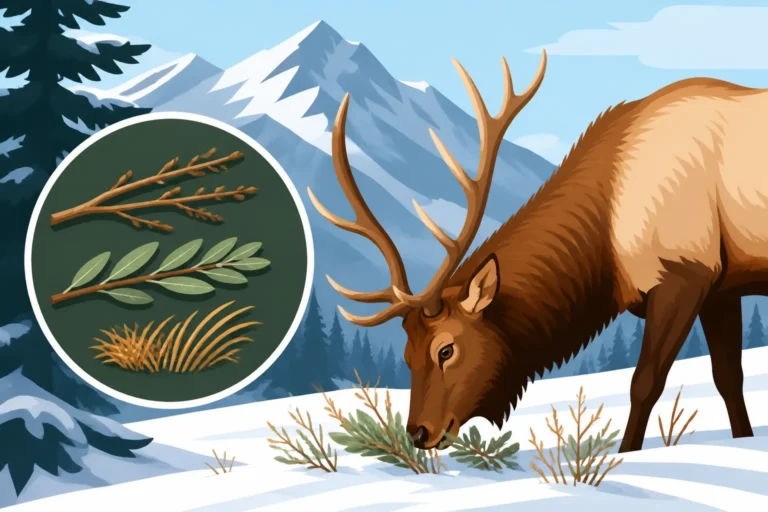
The primary driver for the blue grouse's unique fall migration is their dietary shift and the need for reliable cover against the coming winter. Their summer diet of insects and berries is highly nutritious but ephemeral. As these food sources become scarce, blue grouse pivot to a diet almost exclusively dominated by conifer needles, particularly those from Douglas fir, spruce, and various subalpine firs. These needles provide a consistent, though less nutritious, food source that is available year-round, even under deep snow. To access these specialized food sources, the birds must move to where these trees thrive: higher elevations.
Beyond food, thermal cover and predator evasion play crucial roles. As the deciduous leaves fall and the lower forests thin out, blue grouse become more vulnerable to avian and terrestrial predators. The dense canopy of mature conifer forests, especially those found higher up the mountainside, offers far superior protection from hawks, owls, and other predators. Furthermore, these higher elevation conifer stands often experience more consistent snowpack, which the grouse will eventually use for insulation, burrowing into snow roosts during severe winter weather. This strategic move ensures their survival through the harsh British Columbia winter, showcasing a remarkable adaptation to their environment. Understanding British Columbia's Grouse Species highlights these unique adaptations.
Key Fall Habitats for Blue Grouse
Once the blue grouse decide it's time to head uphill, they commit to it. They don't just wander aimlessly; they target specific types of high-country habitat that will sustain them through the lean months. Pinpointing these areas on a map, and then on the ground, is the key to a successful fall hunt.
The High Country Conifer Forests
When we talk about high-country conifer forests, we’re often looking at elevations above 4,000 feet, sometimes much higher depending on the region and specific mountain range. These are the steep, rugged slopes and broad benches where old-growth Douglas fir, Engelmann spruce, subalpine fir, and even lodgepole pine stands dominate. The trees are often tightly packed, creating a dense canopy that shelters the forest floor. Grouse will seek out these mature stands, not just for the needles they provide, but also for the structure – the large branches for roosting and the thick cover for concealment.
Imagine a classic British Columbia mountain: below, you have your mixed deciduous and younger conifer growth, but as you ascend, the forest transitions to these older, denser conifer types. This is where you need to be. Hunters might find them along Hunting an Interior Douglas Fir Bench or traversing long, sloping ridges. Areas like the Kootenays, the Cariboo Mountains, the northern reaches of the Okanagan Highlands, and the Skeena region offer vast expanses of this prime fall habitat. The challenge lies in the sheer scale of the terrain and the physical effort required to access it. Using mapping tools like GoHunt can be incredibly helpful for identifying these elevation bands and conifer-dominant forest types before you even leave home.
Subalpine Basins and Timberline Edges
For many blue grouse, the upward journey doesn't stop at the mid-level conifer forest. Some individuals, especially later in the fall, will push right up to the very edges of timberline, inhabiting subalpine basins and the sparse timber found just below the alpine tundra. These areas are characterized by stunted, wind-swept firs and pines, often growing in rocky, exposed terrain. It might seem counter-intuitive for a bird to go higher as winter approaches, but the dense, often snow-covered foliage of these hardy subalpine conifers provides consistent food and fantastic insulation.
In these subalpine zones, blue grouse become incredibly adept at using the terrain for their advantage. They will often be found on south-facing slopes, which catch more sun and can temporarily melt snow, exposing ground for dusting, but quickly retreat to thick timber when conditions worsen. They might be found near rock outcroppings, utilizing the natural thermal mass or simply finding places to hide. The first significant snowfalls don't always push them down; often, they push them into the densest pockets of subalpine timber where they can burrow and find shelter. Hunting these areas requires dedication and physical fitness, often resembling Hunting British Columbia's Alpine in September. You’ll need to be prepared for drastic weather changes and considerable elevation gain, making tools like GoHunt essential for navigation and understanding the contours of the land.
| Season | Typical Elevation | Preferred Cover | Primary Food | Hunting Challenge |
|---|---|---|---|---|
| Summer | Lower to Mid | Dense brush, regenerating cutblocks, riparian zones | Berries, insects, tender greens | Locating dispersed broods, thicker foliage |
| Fall (Early) | Mid to High | Mixed conifer/deciduous, maturing cutblocks | Decreasing berries, increasing conifer needles | Transitionary period, less predictable |
| Fall (Late) | High Country, Subalpine | Dense conifer forests, timberline edges, mature fir/spruce | Conifer needles (Douglas fir, spruce, subalpine fir) | Uphill migration, vast terrain, variable weather |
| Winter | High Country, Subalpine | Deep snow roosts, dense conifer canopies | Exclusively conifer needles | Inaccessible terrain, extreme conditions |
Strategies for Locating Fall Blue Grouse
Knowing where blue grouse generally move is one thing, but knowing how to find them on any given day is the hunter's true challenge. It requires careful scouting, patience, and an understanding of how environmental factors influence their exact locations.
Scouting for Specific Habitat Features
Before you even lace up your boots, modern mapping applications are your best friend. Services like GoHunt allow you to zoom in on British Columbia's Nine Hunting Regions and identify areas with the right elevation, aspect, and forest type. Look for south and west-facing slopes, as these typically receive more sunlight and may hold birds longer, or offer more accessible ground for early fall hunts. Identify large, unbroken tracts of mature conifer forest, especially those with varying terrain like benches, ridges, and small draws. Pay attention to the "fingers" of timber that extend upwards into the alpine; these are often migration corridors.
Once you’re on the ground, it becomes about reading the landscape. Look for signs of blue grouse: distinctive pellet droppings, which become more uniform and dark when they're solely on a conifer diet, and dusting bowls. Listen for their distinctive hooting call, especially early in the morning or late in the evening. Don't be afraid to put on the miles; these birds cover a lot of ground in their vertical journey. Glassing can be highly effective, much like Glassing an Alpine Basin for Rams, as blue grouse often perch on high branches, absorbing the sun. Their dark plumage can make them tough to spot against a shadowed conifer, but a keen eye with good binoculars can often pick them out.
Timing Your Hunt for Optimal Conditions
The timing of your fall hunt is paramount. Early fall, say late September to early October, often finds birds still in transition. They might be lower than their ultimate winter range but higher than their summer haunts. This can be challenging because they are more dispersed. As October progresses and the first significant snowfalls hit the higher elevations, blue grouse tend to consolidate into their prime high-country conifer stands. This is often when hunting becomes most productive, as their movement is restricted to specific habitat, making them more predictable.
Weather plays a huge role. A cold snap or the first dusting of snow at higher elevations can push birds up into thicker cover quickly. Conversely, a warm, sunny spell might see them venture out more openly onto south-facing slopes. Hunting after a fresh snowfall can be particularly rewarding; you can track their movements, and their dark bodies can stand out against the white backdrop. For those willing to brave the chill, hunting British Columbia's alpine in cold weather in late fall can yield incredible experiences, but always prioritize safety. Remember, blue grouse are not like their ruffed grouse cousins you might find when Walking Up Blue Grouse on a Logging Road; their behaviour and habitat preferences are vastly different.
The Role of Snow and Winter Range
As winter truly sets in, with consistent snow cover blanketing the mountains, blue grouse don't leave; they simply adapt. They will continue to rely on the needles of conifers, often burrowing into deep snowdrifts at the base of trees or under low-hanging branches for shelter. These "snow roosts" provide remarkable insulation against freezing temperatures and protection from predators. At this stage, finding them becomes incredibly difficult, as they are essentially buried in the landscape, moving very little.
Occasionally, on milder winter days or during a break in the weather, you might catch a glimpse of a blue grouse perched high in a fir tree, soaking up the limited sun. However, for most hunters, late November onwards marks the end of practical blue grouse hunting in many high-country areas, as access becomes treacherous and the birds become almost entirely sedentary. The effort required to get to them, often by snowshoe or ski, is immense, and success rates drop dramatically. It's a testament to their resilience and their incredible ability to thrive in such harsh conditions, often in a Hunting a Subalpine Basin at First Light.
Gear and Tactics for High-Country Grouse Hunting
Hunting blue grouse in British Columbia’s fall high country demands a different approach than chasing pheasants in a field. It’s an alpine pursuit that combines elements of big game hunting with the thrill of chasing upland birds.
Essential Gear for Mountain Hunting
Your gear list for blue grouse should reflect the demanding environment. First and foremost, footwear is critical. You'll be covering steep, uneven, and potentially slippery terrain. Invest in high-quality, waterproof, ankle-supporting hiking boots, ideally a pair suitable for backcountry hunting like those you'd wear when Boots for Steep British Columbia Country. Traction is paramount. Layered clothing is also non-negotiable. British Columbia mountain weather can change dramatically in minutes, from warm sun to driving rain or even snow. A good wicking base layer, an insulating mid-layer, and a waterproof/windproof outer shell will keep you comfortable and safe.
Optics are surprisingly vital for blue grouse. A good pair of binoculars (8x or 10x) will help you pick out birds perched high in trees or spot movement on distant slopes. Unlike some other grouse, blue grouse often hold tight or "tree" when disturbed, making them difficult to spot without magnification. Your choice of weapon can vary. Many hunters prefer a shotgun, typically a 12 or 20 gauge with light game loads (7.5 or 6 shot), for flushing birds. However, if you anticipate treed birds or long shots, a small-calibre rifle (.22LR or .17 HMR) can be effective, though always check local regulations. Don't forget a comfortable backpack for essentials, water, snacks, a first-aid kit, and enough room to carry out any birds you harvest.
Effective Hunting Techniques
Still-hunting is perhaps the most effective tactic for fall blue grouse. This involves moving slowly, deliberately, and quietly through the prime habitat. Pause often, typically every 20-30 yards, and scan the trees and ground around you, listening intently. Many times, you’ll spot a bird before it flushes. When a blue grouse does flush, it often flies a short distance before landing in a nearby tree. Mark where it lands and approach cautiously. They can be incredibly camouflaged against the bark and needles, so take your time scanning every branch.
Working with a partner can increase your success significantly. One hunter can push through a section of timber while the other walks parallel, slightly above or below, watching for birds flushing out ahead or to the side. When a bird flushes, calling out its direction and landing spot helps the other hunter home in. Be prepared for some intense walking. These birds are often scattered across vast areas, so covering ground is part of the game. The sound of a flushing blue grouse, with its powerful wing beats, is truly exhilarating, especially after a long, quiet stalk through the mountain timber.
Safety in the Backcountry
High-country hunting, even for grouse, means you're operating in potentially remote and unforgiving terrain. Navigation is key. Always carry a reliable GPS device, a detailed topographic map, and a compass, and know how to use them. While cell service can be spotty, apps like GoHunt can provide offline maps, but never solely rely on your phone. Emergency Planning in British Columbia's Backcountry should be top of mind. Always inform someone of your route and estimated return time.
Bear awareness is also crucial, especially in early fall when bears are actively feeding on remaining berries to put on weight for winter. Be aware of your surroundings, carry bear spray, and know how to use it. Even though you're hunting birds, you're in big game country, and encountering a grizzly or black bear is always a possibility. For comprehensive advice, consult guides on Bear Safety While Hunting in British Columbia. Dress for all possible weather conditions, carry extra food and water, and never underestimate the mountains. A successful grouse hunt isn't just about birds in the bag; it's about a safe return home after an incredible experience in British Columbia's stunning wilderness.
Disclaimer
This article is for general informational purposes only and does not constitute professional advice. Laws, prices and regulations vary by location and change over time. Consult a qualified professional for guidance on your specific situation.