Making the Most of a British Columbia Draw Tag
Drawing a Limited Entry Hunting (LEH) tag in British Columbia can feel like hitting the lottery, a moment of pure elation mixed with a powerful sense of responsibility. You've earned the chance at a truly special hunt, but now the real work begins: how do you ensure you make the most of this coveted opportunity? This isn't just about bagging an animal; it's about the entire experience, the planning, the effort, and the memories. This comprehensive guide will walk you through everything you need to know, from understanding your draw to the final pack out, so you can transform that hard-won tag into a successful and unforgettable adventure.
Understanding Your Draw Tag and Management Unit
The first step, once that notification email hits your inbox, is to fully grasp the details of your specific LEH authorization. It's not just a piece of paper; it's your permit to hunt in a very specific place for a very specific time, and understanding its nuances is paramount to a successful hunt.
Decoding Your LEH Authorization
An LEH authorization isn't just a general hunting license; it's a precise document detailing your hunting privilege. It specifies the species, the gender and antler configuration of the animal you're allowed to harvest, the exact Management Unit (MU) or sub-unit you can hunt in, and the specific dates your hunt is valid. For example, you might draw an LEH for a "4-point or greater Bull Moose" in MU 8-15 for the first two weeks of October. Every single one of those details matters. Ignoring them can lead to serious legal trouble and the loss of your hard-earned animal. This document will also tell you if there are any specific conditions, such as restrictions on methods of harvest or access limitations within your unit. Always double-check these details against the current British Columbia hunting regulations synopsis, which is updated every two years. Missing a small detail here could mean the difference between a legal harvest and a violation, so take the time to read it thoroughly and understand exactly what your British Columbia's Limited Entry Hunting Draws entail.
Deep Dive into Your Management Unit
Once you know your MU, it's time to become an expert on it. Management Units in British Columbia are often vast, diverse, and encompass a wide range of terrain, from dense timber to alpine bowls, river bottoms, and open grasslands. Simply knowing the number isn't enough. You need to identify what types of habitat exist within that unit and, crucially, where your target species is most likely to be found within those habitats during your specific season dates. Start by pulling up detailed maps – topographic maps, satellite imagery, and even old logging road maps if you can find them. Look for features like elevation changes, water sources, natural funnels, potential bedding areas, feeding zones, and escape routes. Tools like GoHunt can be invaluable here, allowing you to layer different map types and mark potential hot spots digitally. Understanding the general topography and land features is the foundation of any successful hunt plan. Pay close attention to any areas that might be excluded from hunting, like private land, provincial parks where hunting is prohibited, or sensitive wildlife zones.
Season Dates and Regulations
Your LEH authorization will clearly state your season dates, but these are just one piece of the puzzle. You need to cross-reference these dates with the broader provincial regulations for your species in that specific MU. Are there any general open seasons (GOS) that overlap or precede your LEH period? This could impact game behaviour due to increased pressure. Are there any antler restrictions or gender-specific rules that apply? For example, some units might have different antler point rules for bulls, or specific areas might be closed to cow moose hunting entirely. Beyond species-specific rules, familiarize yourself with general hunting regulations, such as legal hunting hours, firearm restrictions, ATV usage rules, and any mandatory reporting requirements. Some species, like moose, often have mandatory reporting regardless of whether you harvest them through LEH or GOS. It's also critical to know if your specific draw requires Compulsory Reporting Within Thirty Days or inspection of certain parts of the animal. This due diligence ensures you're not caught off guard by an obscure rule or a change in the British Columbia's Two-Year Regulations Synopsis.
Pre-Season Scouting and Intelligence Gathering
Once you've wrapped your head around the specifics of your tag, the next phase is dedicated to gathering as much information as possible about your hunting area. This isn't just about looking at a map; it's about building a comprehensive understanding of the landscape and the animals that live there.
Leveraging Online Resources
In today's age, the internet is an incredible tool for pre-season scouting, and neglecting it is like leaving valuable information on the table. Start with the British Columbia government's iMapBC or specific hunting recreation maps, which often show Crown land boundaries, roads, and sometimes even wildlife management zones. Layer this with high-resolution satellite imagery from Google Earth or similar services to identify potential access points, clearcuts, old burns, water sources, and natural travel corridors. Look for historical imagery to see how the landscape has changed over time, perhaps revealing past logging activity or wildfire events that could impact current game distribution. Websites like GoHunt offer detailed mapping overlays that can show public land, private parcels, and even specific game habitat types, making it easier to visualize your unit without ever leaving home. Forums and online communities dedicated to British Columbia hunting can also be a goldmine of information, where experienced hunters might share insights about general area characteristics or past conditions. Be cautious, however, as information can be outdated or generalized. Always verify details with official sources. Don't forget to check weather patterns and snowpack levels from previous years for your hunt dates, as this can give you an idea of what to expect for accessibility and animal movement. This initial armchair scouting, often referred to as Scouting a British Columbia Management Unit Online, is crucial for narrowing down vast MUs into manageable areas of interest.
Physical Reconnaissance and Access Planning
While online scouting provides an excellent overview, nothing beats putting boots on the ground, or at least tires on the road. If feasible, plan a trip or two to your management unit well before your hunt dates. This allows you to confirm access routes, assess road conditions, identify potential camping spots, and gain a firsthand understanding of the terrain. Driving logging roads can reveal unexpected gates, washouts, or deactivations not visible on maps. You can also look for fresh sign like tracks, scat, rub lines, or feeding areas, which helps confirm animal presence and movement patterns. This is also the perfect time to identify potential glassing knobs or vantage points, crucial for efficient hunting, especially when hunting species like mule deer or elk. During this reconnaissance, take note of water sources, potential natural barriers, and areas that might hold thermal inversions in the mornings or evenings. If your hunt involves significant elevation gain or remote access, consider a hike into a target basin to assess its suitability for a spike camp. Remember, if you're planning on Jet Boat Access on British Columbia Rivers or using horses, pre-scouting these access methods is just as important.
Consulting Local Knowledge
Never underestimate the value of talking to people who know the area. This could be local residents, forestry workers, trappers, or even other hunters who've spent time in your specific MU. They might offer invaluable insights into game migration routes, historical hot spots, areas of recent activity, or even current conditions like berry crops or water levels. Outfitters who operate in adjacent territories might also be a source of general information, though they won't share their specific honey holes. Conservation officers, while not typically giving out hunting advice, can confirm regulations or provide general information about game populations and any specific concerns in an area. When speaking with locals, be respectful, share your intentions clearly, and be prepared to listen more than you talk. Ask open-ended questions about how game typically uses the landscape during your season, or if there have been any unusual weather patterns affecting the area recently. Sometimes, a casual conversation at a gas station or a local diner can provide a critical piece of the puzzle that no map or satellite image could ever reveal. This localized intelligence can be the difference-maker, especially in areas with complex terrain or changing wildlife patterns.
Gear and Equipment for a Draw Hunt
Having the right gear is non-negotiable, especially when you're making the most of a hard-to-draw tag in British Columbia's often rugged and unpredictable wilderness. Your equipment needs to be reliable, functional, and suited to the specific demands of your hunt.
Essential Backcountry Gear Considerations
British Columbia's diverse landscapes, from coastal rainforests to interior mountains, demand versatile and robust gear. For any backcountry hunt, a quality pack is paramount. It needs to be comfortable for long hauls, capable of carrying heavy loads of meat and gear, and well-organized. Look for reputable brands known for durability and hunter-specific features. Your shelter system, whether it's a lightweight tent for backpacking or a wall tent for a base camp, must be appropriate for the expected weather conditions, which can change rapidly in BC's mountains. Sleeping bags should be rated for temperatures significantly colder than what you anticipate, as unexpected cold snaps are common. Layering clothing is key: a good base layer, insulating mid-layers, and a waterproof/windproof outer shell are essential. Think about moisture-wicking materials and avoid cotton. Don't forget a reliable headlamp with spare batteries, a first-aid kit, fire-starting materials, and sufficient food and water (or purification methods). If you plan on a more remote trip, packing for self-sufficiency is critical. Consider a robust cooking system and enough fuel. For extended trips into areas like the northern Rockies, you might be considering a Backpacking Into British Columbia Sheep Country type of setup, which demands the lightest, most efficient gear possible.
Weapon and Ammunition Selection
The choice of weapon depends on the species, terrain, and your personal proficiency. For big game in British Columbia, most hunters opt for a rifle with sufficient power for quick, ethical kills. Common calibres like .30-06, .300 Win Mag, 7mm Rem Mag, and .308 Winchester are popular and effective for species like moose, elk, and large bears. Ensure your rifle is sighted in perfectly and that you are intimately familiar with its ballistics at various ranges. Practice shooting from realistic field positions, not just off a bench. Ammunition choice is equally critical; premium hunting bullets designed for controlled expansion and deep penetration will maximize your chances of a clean harvest. For archery hunters, ensure your bow meets the minimum draw weight requirements for big game in BC and that your broadheads are sharp and suitable for the intended target. Crossbows also have specific regulations regarding their use. Whatever your weapon, proficiency and ethical shot placement are far more important than raw power. Bring enough ammunition for practice shots and to confirm zero upon arrival at camp, plus extra for the hunt itself.
Navigation and Communication Tools
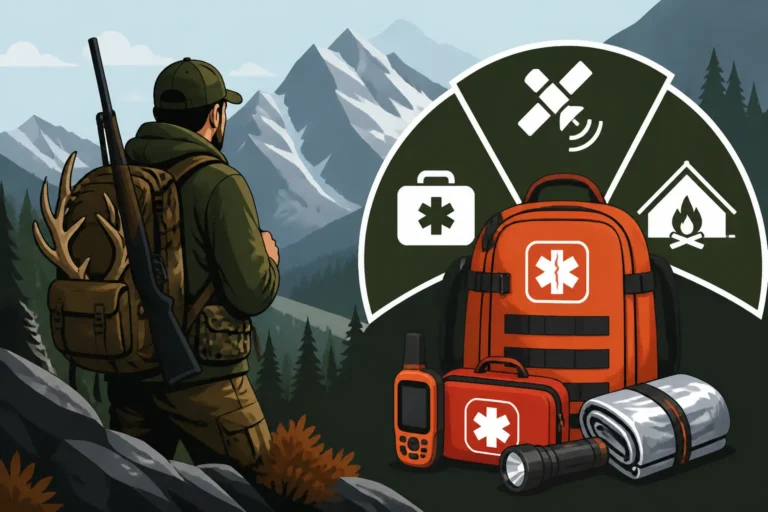
Getting lost in British Columbia's vast wilderness is a serious and potentially life-threatening situation, making reliable navigation tools non-negotiable. A dedicated GPS unit loaded with detailed topographic maps is highly recommended, especially one that can display your current location on satellite imagery or a British Columbia Management Unit map. Even with a GPS, always carry a physical map and a compass and know how to use them. Batteries can die, and electronics can fail. Many hunters also use smartphone apps like GoHunt, which offer excellent mapping capabilities, allowing you to mark waypoints, track your route, and store maps offline. However, phones are susceptible to cold and moisture, so back up your essential navigation data. For communication in remote areas where cell service is non-existent, a satellite messenger or satellite phone is a lifesaver. Devices like the Garmin inReach or Zoleo allow you to send and receive messages, access weather forecasts, and most importantly, trigger an SOS in an emergency. These tools provide a critical link to the outside world and offer peace of mind, not just for you but for your loved ones at home. Always inform someone of your itinerary and expected return time.
Developing a Strategic Hunting Plan
With your tag in hand, your unit researched, and your gear dialed in, it's time to craft a detailed hunting strategy. This goes beyond just showing up; it involves intelligent decision-making based on animal behaviour, terrain, and conditions.
Identifying Key Habitat and Game Movement Patterns
Understanding how your target species uses the landscape during your specific hunt dates is fundamental. For example, if you've drawn a mid-September elk tag, the rut might be in full swing, meaning bulls will be vocal and focused on cows, often found in specific types of timber or open parklands. If it's a late-season deer tag, animals might be pushed down to lower elevations by snow, concentrated on south-facing slopes. Mule deer might be Glassing an Interior Hillside for Mule Deer in the open benches, while blacktail might be deep in the Hunting a Second-Growth Timber Block. Consider factors like prevailing winds, thermal currents, and how they might affect scent dispersion. Game will often use natural funnels, ridge lines, and riparian corridors for travel. Identify bedding areas (often dense cover, north-facing slopes for cooling, or south-facing for warmth), feeding areas (berry patches, clearcuts, natural meadows), and water sources. A detailed plan will map out these areas and consider how to approach them silently and strategically, always keeping the wind in your favour. Think about what they eat in your unit, where they rest, and where they feel safe.
Contingency Planning for Weather and Conditions
British Columbia weather is notoriously unpredictable, especially in the mountains. A bluebird forecast can turn into a whiteout or a torrential downpour in a matter of hours. Your hunting plan absolutely needs contingency strategies for adverse weather. What if heavy snow closes the roads to your primary hunting area? What if a sudden heatwave makes midday hunting unproductive and meat care challenging? Have alternative areas scouted that might be accessible or more productive under different conditions. For instance, if you're hunting in a low-elevation unit and an early snow pushes animals down, knowing which lower benches or river bottoms hold game could be invaluable. Similarly, have a plan for meat care if temperatures unexpectedly rise during an early season hunt, as Meat Care in British Columbia's Warm Early Seasons is crucial. This might involve packing extra game bags, having access to ice, or planning for quicker extraction. Always pack extra layers, emergency rations, and essential repair items for your gear. Being prepared for the worst allows you to adapt and continue your hunt safely and effectively, rather than being forced to abandon it.
Solo vs. Group Hunt Dynamics
Your draw tag can be a deeply personal endeavour, but deciding whether to hunt solo or with a group has significant implications for your strategy and safety. Solo hunting offers unparalleled quietness, allowing you to move at your own pace and adapt quickly. It can be incredibly rewarding, but it also amplifies risks, especially when packing out heavy game or in the event of an injury. If hunting solo, meticulous planning, robust communication devices, and conservative decision-making are paramount. Hunting with a group offers shared workload, increased safety, and often more eyes to spot game. However, it requires careful coordination, agreement on tactics, and a willingness to compromise. If you're hunting with a party on an LEH tag, clarify who will shoot if an animal is spotted, and establish clear communication signals. In some LEH hunts, especially for species like moose, having multiple people can significantly ease the burden of the pack out. Consider the strengths and weaknesses of each hunter in the group and assign roles accordingly. Regardless of your choice, ensure everyone involved understands the rules, the plan, and the safety protocols.
Effective Hunting Tactics for Your Species
Once you're in the field, it's all about applying the right tactics for the species you're pursuing and the conditions you encounter. There's no one-size-fits-all approach, and flexibility is key.
Spot-and-Stalk Techniques
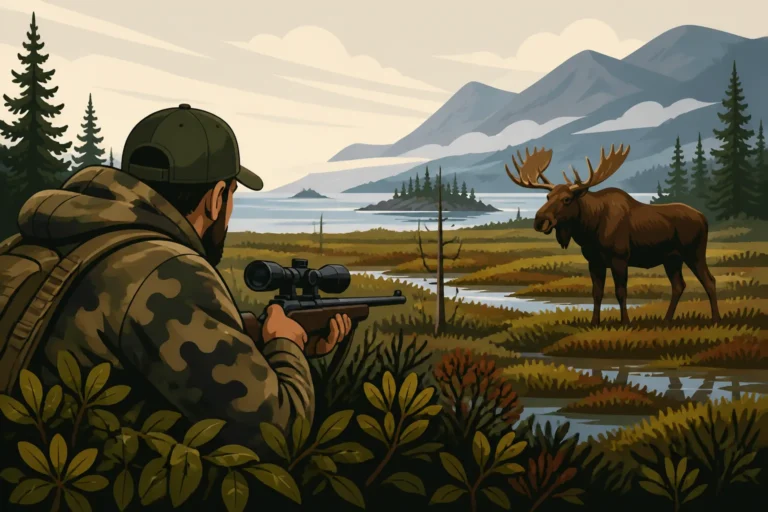
Spot-and-stalk is a highly effective method for many big game animals in British Columbia, particularly mule deer, elk, sheep, and goats in more open terrain or on logging roads. The strategy involves finding a high vantage point, or "glassing knob," and using high-quality optics (binoculars, spotting scope) to meticulously search the landscape for animals. Patience is your most powerful tool here. Once an animal is spotted, the "stalk" begins. This is where stealth, wind awareness, and terrain knowledge come into play. Plan your approach to keep the wind in your favour, use natural cover, and move slowly and deliberately. Anticipate where the animal might move or bed down and adjust your route accordingly. For example, if you're Glassing an Interior Hillside for Mule Deer, you'll be looking for subtle movements, horizontal lines that don't belong, or even just a flick of an ear. The goal is to get within an ethical shooting range without being detected. This often involves long detours, crawling, and waiting for the right moment. Knowing when to commit to a stalk and when to back off and try again later is a skill developed through experience.
Still-Hunting and Ambush Strategies
In denser timber, thick second-growth, or areas where open glassing isn't possible, still-hunting or setting up an ambush might be more productive. Still-hunting involves moving through the woods incredibly slowly, taking one or two steps, then pausing for several minutes to scan, listen, and observe. You're trying to integrate yourself into the environment, becoming part of it rather than an intruder. Look for subtle movements, changes in texture or colour, or horizontal lines that might betray an animal's presence. Pay attention to game trails, bedding areas, and feeding sign. This method requires immense patience and keen observational skills. Ambush strategies, on the other hand, involve identifying key travel corridors, pinch points, or feeding areas and positioning yourself downwind, concealed, and ready for an animal to pass by. This is particularly effective near water sources, along ridge lines, or where diverse habitat types meet. For instance, when Hunting a British Columbia Island Clearcut Edge, you might set up an hour before first light, knowing deer will move from dense cover to feed in the clearcut. This approach requires excellent reconnaissance to identify these hotspots and an understanding of daily animal movement patterns.
Calling and Decoying Considerations
Calling can be an incredibly effective tactic, especially during the rut for species like elk and moose. For Calling Moose in the Rut, imitation of a cow's estrous bawl or a bull's grunt can draw in an eager bull. Elk bugling during the September rut can provoke a bull to respond or even charge in. Learning to read an animal's response to your calls is crucial; sometimes, less is more. Over-calling can make an animal wary. Decoys can also play a role, particularly for deer or turkey, though they are less common for larger BC big game. A well-placed deer decoy can draw a buck closer, giving you a better shot opportunity. However, decoying requires careful consideration of safety, especially during general open seasons where other hunters might be present. Always ensure you have a clear shooting lane and background when using calls or decoys. Understanding the specific vocalizations of your target species and knowing when and how to apply them effectively can dramatically increase your chances of success, turning a slow hunt into an action-packed encounter. For coastal blacktail, even a soft Calling a Blacktail Buck With a Fawn Bleat can sometimes lure a curious buck.
| Scouting Resource Type | Best Use Cases | Advantages | Considerations |
|---|---|---|---|
| Topographic Maps | Understanding elevation, terrain features, water bodies. | Essential for planning routes, identifying natural funnels. | Can be less current on man-made features (roads, clearcuts). |
| Satellite Imagery | Identifying habitat types, clearcuts, road networks, historical changes. | Visual confirmation of terrain, excellent for remote scouting. | Imagery can be outdated; cloud cover can obscure details. |
| GoHunt Mapping App | Layered maps (public/private land, habitat), waypoint marking, tracking. | Combines multiple data sources, offline capabilities, user-friendly. | Subscription required for full features; relies on digital devices. |
| Local Knowledge | Insights on game movement, current conditions, access issues. | Hyper-local, real-time information. | Can be anecdotal; requires networking and respectful interaction. |
| Physical Reconnaissance | Verifying access, confirming sign, assessing terrain firsthand. | Unbeatable for ground truth; builds confidence in the area. | Time-consuming, costly if unit is far, weather dependent. |
Post-Harvest Care and Pack Out Considerations
Congratulations, you've filled your draw tag! But the hunt isn't truly over until the animal is safely and legally processed, and the meat is back home. This stage is just as critical as the hunt itself.
Field Dressing and Meat Preservation
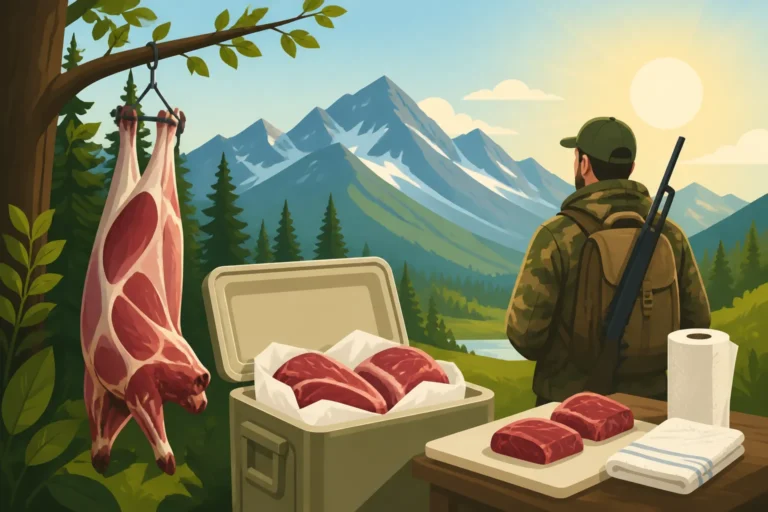
The moment an animal hits the ground, the clock starts ticking, especially in British Columbia's often-mild early seasons or if you're hunting in a warmer interior zone. Prompt and efficient field dressing is paramount to preserving the quality of the meat. Open up the body cavity, remove all internal organs, and allow the carcass to cool as quickly as possible. This means getting the hide off if conditions allow, especially for larger animals like moose or elk, and quartering the animal to expose more surface area to the air. Carry several game bags to protect the meat from flies, dirt, and debris. For larger animals, breaking them down into quarters, backstraps, and tenderloins in the field makes packing out much more manageable. If you're in grizzly country, work quickly and have bear spray or a firearm readily accessible. Keeping meat clean and cool is the single most important factor for good table fare. In warmer temperatures, consider hanging the meat in the shade or near a cool stream, and don't hesitate to use ice if it's accessible. For detailed strategies on dealing with warmer temperatures, refer to articles like Keeping Meat Cool in an Early Season.
Packing Out in Challenging Terrain
British Columbia is known for its rugged and often steep terrain, and packing out a heavy animal can be the most physically demanding part of the hunt. This is where a good frame pack and physical conditioning really pay off. For smaller deer, a single trip might be feasible, but for a moose or elk, expect multiple heavy loads. Plan your packing strategy before you even start cutting meat. Identify the easiest route out, even if it's not the most direct. Consider using game carts if the terrain allows, or horses if you've planned for an equine-assisted hunt. If you're hunting with a group, distribute the weight evenly and work together. For very steep or remote areas, a game winch can be invaluable for getting quarters up or down tricky sections. Remember, safety first: don't overload yourself to the point of injury, and take frequent breaks. Staying hydrated and fueled is also critical during the pack out. It's often said that the real hunt begins after the shot, and in BC's mountains, Getting Meat Out of Steep British Columbia Country can be a gruelling but ultimately rewarding challenge.
Compulsory Reporting and Inspection
British Columbia has mandatory reporting requirements for many species, whether you harvest them through a General Open Season or an LEH. It is your legal responsibility to report your harvest within a specific timeframe, often 30 days after the end of your hunting season, even if you did not harvest an animal. This data is critical for wildlife management and population monitoring. Failing to report can result in fines or suspension of your hunting privileges. For certain species, like moose or sheep, there may also be a compulsory inspection requirement, meaning you must present specific parts of the animal (e.g., skull plate with antlers, jaw bone) to a designated compulsory inspection station or a Conservation Officer. The rules vary by species and region, so always check the current regulations carefully. Your LEH authorization and the regulations synopsis will clearly outline what is required for your specific tag. Make sure you know Where to Take a Head for Inspection or what information is needed for an online harvest report. Fulfilling these obligations ensures you remain a responsible and ethical hunter, contributing to the long-term health of British Columbia's wildlife populations.
Mental Preparation and Realistic Expectations
The draw hunt is often built up in our minds for months, sometimes years. Managing your mindset and having realistic expectations are just as important as physical preparation and gear.
Managing Expectations and Pressure
It's easy to put immense pressure on yourself when you finally draw that coveted LEH tag. You might feel like this is your "one shot" at a specific animal or a trophy of a lifetime. While that excitement is natural, it's crucial to manage those expectations. Not every draw hunt ends with a harvested animal, and even the most skilled hunters have tag soup. Focus on the process: the scouting, the planning, the time spent in nature, the challenge, and the adventure. If you go into the hunt with a rigid expectation of success, you risk disappointment and may even make poor decisions in the field. Instead, focus on learning, adapting, and enjoying the experience. Celebrate the small victories – spotting a new area, making a perfect stalk that just didn't pan out, or simply spending uninterrupted time in British Columbia's incredible wilderness. The real value of an LEH is the opportunity it presents, not just the outcome. Remember, it's called hunting, not "killing," for a reason.
Physical and Mental Resilience
British Columbia hunting, especially for big game in remote areas, is physically and mentally demanding. Long days of hiking, often in challenging weather, carrying heavy gear, and sometimes packing out an animal, require a good level of physical fitness. Start training well in advance of your hunt: focus on cardiovascular endurance, strength training, and hiking with a weighted pack. But beyond the physical, mental resilience is key. You will face discomfort, frustration, and moments of doubt. The alarm clock will go off early in the cold, the rain might seem endless, or you might hit a string of bad luck. The ability to push through these moments, maintain a positive attitude, and stay focused on your objective is what separates successful hunters. Cultivate patience, persistence, and problem-solving skills. Visualize successful scenarios, but also visualize overcoming obstacles. A strong mental game will keep you going when your body wants to quit, ensuring you maximize your time in the field and your chances of success. It's about enduring the grind and finding joy in the challenge.
The Value of the Experience Beyond the Harvest
Ultimately, a British Columbia draw tag offers far more than just the potential for a trophy or a freezer full of meat. It's an immersive experience in some of the most wild and beautiful landscapes on the planet. It's about honing your outdoor skills, connecting with nature, and creating lasting memories. Think about the sunrises over an alpine basin, the challenge of navigating dense timber, the quiet thrill of spotting game, or the camaraderie around a campfire with hunting partners. The process of earning and preparing for an LEH tag often involves months, if not years, of anticipation and planning. These experiences, regardless of whether you pull the trigger, are what truly enrich us as hunters. Embrace the journey, learn from every step, and appreciate the privilege of being able to participate in British Columbia's rich hunting heritage. That's how you truly make the most of a British Columbia draw tag – by valuing the entire adventure.
Disclaimer
Hunting is an inherently dangerous activity. This guide provides general information and recommendations but does not replace official hunting regulations or professional guidance. Always consult the most current British Columbia Hunting and Trapping Regulations Synopsis, obtain appropriate licenses, and prioritize safety. The author and publisher are not responsible for any accidents, injuries, or legal issues that may arise from following this advice.