Where to Take a Head for Inspection
You’ve just wrapped up a successful hunt in the vast, beautiful wilderness of British Columbia. The hard work is done, the animal is down, and you’re filled with that unique blend of satisfaction and exhaustion. But as you start thinking about the long drive home or the bush plane ride out, a crucial question pops into mind: Where exactly am I supposed to take this head for inspection? It's a common point of confusion, adding a layer of stress to an otherwise triumphant moment. This guide is here to demystify the compulsory inspection process, ensuring you know exactly where to go and what to expect so you can stay on the right side of the regulations.
The Importance of Compulsory Inspection in British Columbia Hunting
When you're out in the backcountry, chasing game through the rugged terrain, the last thing on your mind might be paperwork. Yet, the compulsory inspection of certain harvested animals isn't just a bureaucratic hoop to jump through; it's a cornerstone of wildlife management and conservation in British Columbia. Hunters are truly the frontline conservationists, and your participation in this process provides vital data that helps maintain healthy populations for future generations.
Why Specific Animals Need Inspection
Not every animal harvested requires compulsory inspection, but for species like certain types of sheep, goats, and in some specific areas, moose, it’s absolutely non-negotiable. The primary reason for this requirement is data collection. Biologists need to assess the health of the herd, determine age structures, and monitor for diseases. For instance, inspecting a mountain goat allows wildlife managers to gather information on its age, which is crucial for understanding population dynamics in those sensitive alpine environments. Similarly, for species with specific antler or horn restrictions, like our majestic bighorn rams, inspection verifies compliance with those rules, ensuring sustainable harvesting practices. It’s all about informed management, not just checking a box. If you’re ever unsure which animals fall under this rule, always consult the current British Columbia's Compulsory Reporting Rules or the provincial hunting synopsis.
The Role of Compulsory Reporting in Conservation
Think of compulsory reporting and inspection as a giant, ongoing scientific study where every hunter contributes. Each head, jaw, or hide provides a piece of the puzzle. This data helps identify population trends, pinpoint areas where specific species might be struggling or thriving, and allows for proactive management decisions. Without this information, wildlife management would be like trying to navigate a dense fog – impossible to make informed choices. It's also a critical tool for detecting and monitoring wildlife diseases, such as Chronic Wasting Disease (CWD), although thankfully, BC remains CWD-free. Knowing where to take a head for inspection directly contributes to our collective effort to keep BC’s wildlife robust and healthy. The information gathered helps refine season dates, adjust bag limits, and ensure that British Columbia hunting remains sustainable for years to come.
Locating an Inspection Station for Your Harvest
This is often where the rubber meets the road. You’ve got your animal, you know it needs inspection, but finding the right place can feel like a scavenger hunt, especially if you’re far from urban centers. It’s important to understand that "inspection station" isn't always a dedicated building like a weigh scale. More often, it refers to designated government offices or arranged meetings with authorized personnel.
British Columbia's Conservation Officer Service and Regional Offices
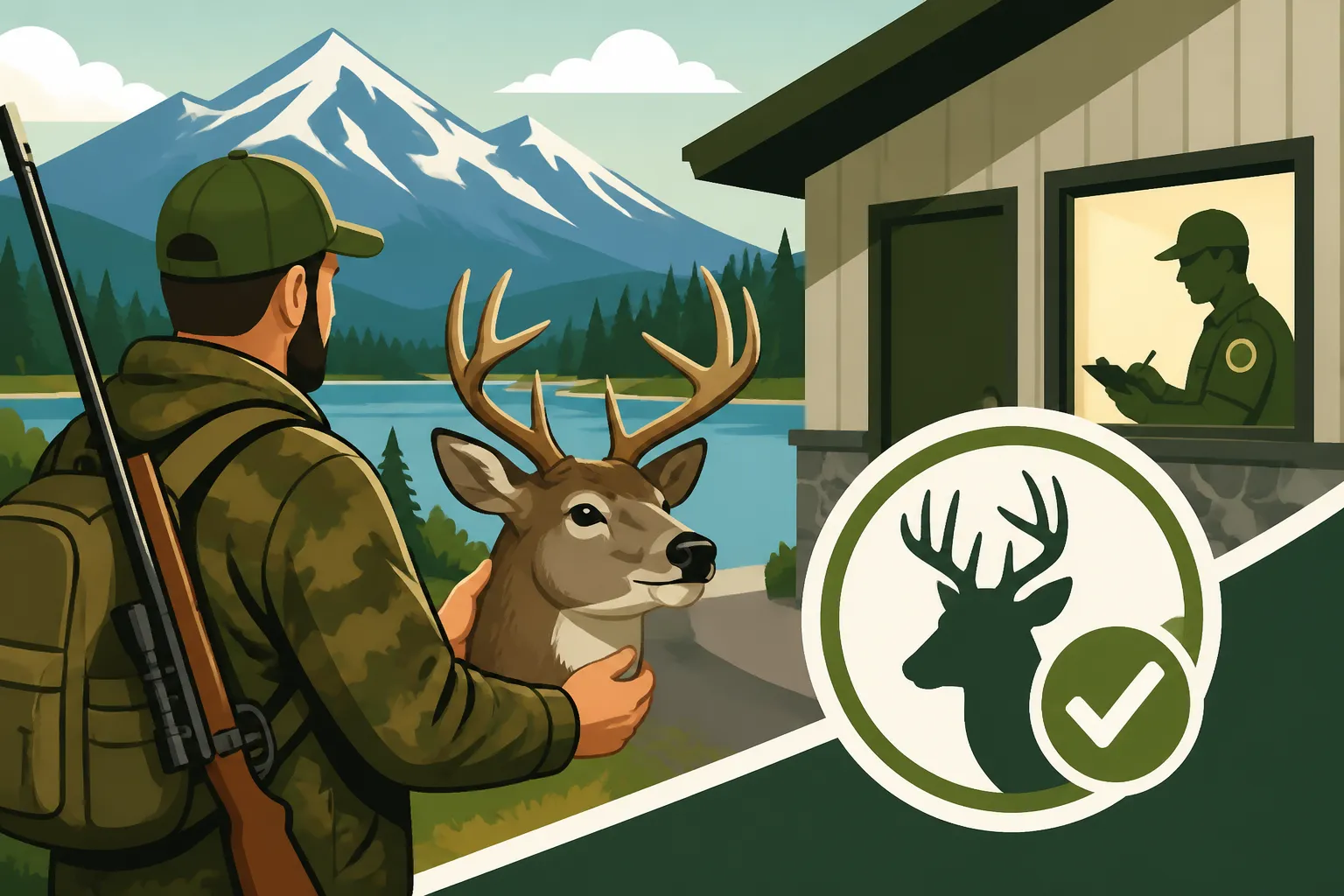
Your primary point of contact for compulsory inspections will be the British Columbia Conservation Officer Service (COS) or a regional office of the Ministry of Forests, Lands, Natural Resource Operations and Rural Development (FLNRORD). These are the folks authorized to conduct the official inspections and collect the necessary biological samples.
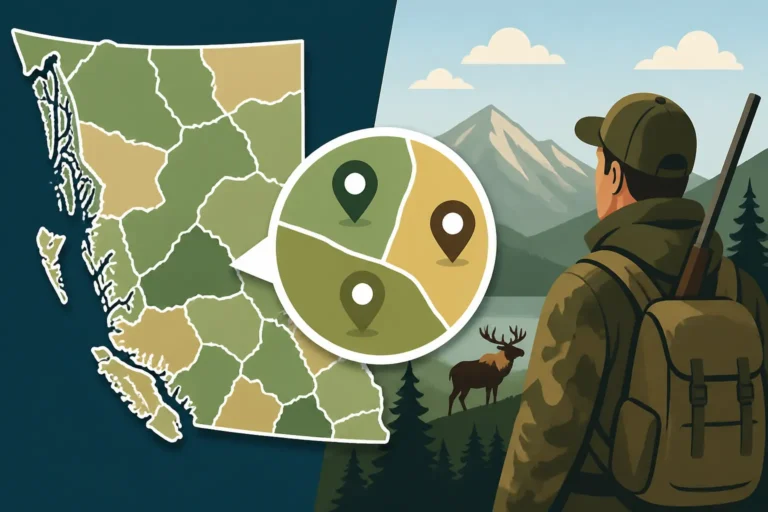
- Conservation Officer Service (COS) Offices: These offices are scattered across the province, usually in larger towns and cities within each of British Columbia's Nine Hunting Regions. For instance, if you're hunting in the Kootenays, you might be looking for the COS office in Cranbrook or Nelson. In the North, it could be Prince George or Dawson Creek. It is critical to call ahead. Conservation Officers are incredibly busy, often out in the field, and you can’t just show up unannounced hoping for an immediate inspection. A simple phone call can save you a lot of time and frustration. You can usually find contact numbers for regional COS detachments through the provincial government website.
- FLNRORD Regional Offices: In some areas, the local FLNRORD office might also be equipped to handle inspections or can direct you to the nearest COS contact. Again, a phone call is your best friend here. Don't assume walk-in service; wildlife technicians or biologists who perform inspections often have scheduled tasks and might not be available on demand.
Many experienced hunters use digital mapping tools and apps to familiarize themselves with management units and local services. While a platform like GoHunt is fantastic for detailed season information and exploring potential hunting grounds, you'll still need to cross-reference with official BC government sources or direct phone calls to get the most accurate, up-to-date contact information for inspection points.
When and How to Arrange Your Inspection
Timing and communication are key. You have a legal obligation to report your harvest and present the animal for inspection within a specific timeframe – typically 30 days of the kill. This The Thirty Day Reporting Deadline is non-negotiable, and missing it can lead to penalties.
- Don't Wait Until the Last Minute: As soon as you have a successful harvest requiring inspection, make it a priority to contact the appropriate office. If your hunt ends on a Friday afternoon, don't wait until the following Monday to call. Holidays and weekends can complicate matters, so factor those into your 30-day window.
- Make the Call: Find the phone number for the nearest Conservation Officer Service or FLNRORD regional office. Explain what you've harvested and that it requires compulsory inspection. They will guide you on the next steps, which might include scheduling a specific appointment, providing directions to a specific location, or arranging a drop-off time. Sometimes, if you're in a very remote area, they might even coordinate a field visit, though this is less common for routine inspections.
- Be Prepared with Information: When you call, have your hunting license number, species tag details, and harvest location (management unit) readily available. This helps the officer quickly process your request. For certain species like moose, there are even Mandatory Reporting for Moose Licences specific requirements you'll need to follow.
It's also worth noting that non-residents hunting in BC often work with licensed guide outfitters. These outfitters are typically well-versed in the inspection requirements and will usually handle the arrangements for you, often having pre-existing relationships with local COS officers. This is one of the many benefits of using a reputable guide service.
Preparing Your Trophy for Inspection
Ensuring your harvested animal's head is properly prepared for inspection is just as important as knowing where to go. Improper preparation can lead to delays, require additional trips, or in severe cases, even jeopardize the legality of your harvest if crucial evidence is compromised. The goal is to present the animal in a way that allows the inspecting officer to easily gather the necessary data.
Keeping Proof of Sex and Skull Plate Intact
For many compulsory inspection species, especially sheep and goats, maintaining the skull plate with horns or antlers attached, along with clear proof of sex, is absolutely paramount.
- Skull Plate: The skull plate, or a portion of it, must remain attached to the horns or antlers until after inspection. This allows the officer to accurately measure, age, and verify the legal class of the animal. For species like bighorn sheep, judging the full curl of a ram in the field is a skill honed over many hunts, but the official verification happens at inspection. Removing the skull plate prematurely could make it impossible to verify legal compliance and could lead to fines or seizure.
- Proof of Sex: For most species requiring inspection, evidence of sex must remain naturally attached to the carcass, or clearly kept with the head, until the animal is processed and inspected. For a ram or a billy goat, this means leaving the scrotal sack or other distinguishing features. For a sow bear, mammary glands would be proof of sex. This is crucial for distinguishing between male and female animals, particularly where regulations vary by sex. Be sure to check British Columbia's Two-Year Regulations Synopsis for exact requirements on what constitutes proof of sex for your specific species.
If you’re concerned about how to best preserve these parts, especially in warmer weather, plan ahead. Good field dressing techniques and prompt cooling are essential. Articles like Keeping Meat Cool in an Early Season can offer valuable tips for preserving meat and, by extension, other parts of the animal, in challenging conditions.
Documentation and Information Required
When you arrive for your inspection, the Conservation Officer or wildlife technician will need some specific information and documentation from you. Having this ready will make the process smooth and efficient.
- Your Hunting License and Species Tag: These are your legal permits to hunt. Ensure they are valid and that your species tag is properly attached to the animal as per regulations.
- Harvest Information: This includes the exact date of the kill, the specific Management Unit (MU) where the animal was harvested (e.g., MU 4-23), and the method of harvest (e.g., rifle, archery). The officer may also ask about the type of terrain or habitat. This information forms a crucial part of the What Information a Harvest Report Needs and contributes to the overall wildlife database.
- Location Details: Being able to pinpoint your harvest location on a map or with GPS coordinates is often helpful, especially if there are specific local regulations or monitoring programs in place for that area.
Remember, the officer's job is to collect data for conservation, and your cooperation helps them do it effectively.
Common Pitfalls and How to Avoid Them
Even seasoned hunters can sometimes stumble when it comes to the compulsory inspection process. Knowing the common traps can help you navigate these final, but crucial, steps with confidence.
Missing the Thirty-Day Deadline
This is probably the most common mistake. The 30-day deadline for inspection is firm. Life happens, busy schedules interfere, and sometimes the excitement of the hunt makes you forget the administrative follow-up. However, the clock starts ticking the moment you harvest the animal.
- Consequences: Missing this deadline can lead to fines, confiscation of your trophy, and potential loss of hunting privileges. It's not something you want to mess around with. The system is designed to get timely data, and late submissions complicate that.
- Proactive Planning: As soon as you get home, or even while still in the field with cell service, make that call to schedule your inspection. Mark it on your calendar, set reminders, and communicate with anyone who might be helping you with the process. If you used an app like GoHunt for scouting, you can even set reminders there for your inspection appointment.
Compromising Proof of Sex or Skull Plate
The temptation to start skull cleaning or caping your trophy can be strong, especially after a long, successful hunt. However, jumping the gun before inspection can be a costly error.
- Intact Evidence: As mentioned, the skull plate attached to antlers/horns and proof of sex are non-negotiable requirements for certain species. For example, if you harvest a mountain goat in Mountain Goat Season Dates by Region areas, the verification of its horns against age and sex criteria is key. Don’t remove the skull cap for a European mount or discard the evidence of sex before inspection.
- Field Care While Waiting: If you can’t get to an inspection immediately, focus on proper field care to preserve the head. This might mean refrigeration or even freezing the head and cape if you have access to facilities. For a bear, proper Cooling a Bear Hide in Warm Weather is essential, and this applies equally to the skull for inspection purposes. You want the animal to be in a condition where the officer can easily do their job.
Lack of Communication with the Conservation Officer Service
Showing up unannounced or assuming an officer will be available is a recipe for frustration. Conservation Officers are public servants with vast territories and numerous responsibilities, from enforcing regulations to responding to wildlife conflicts and public safety issues.
- Call Ahead, Always: A phone call is not just a courtesy; it's often a requirement. It allows the officer to schedule an appointment, ensure they are in the office, and prepare for your arrival. This respects their time and ensures you don't make a wasted trip.
- Be Flexible: While you have a 30-day window, be prepared to be somewhat flexible with scheduling. The officer might have specific days or times they are available for inspections. A little patience and understanding go a long way.
By being diligent about deadlines, preserving all necessary evidence, and maintaining open communication with the Conservation Officer Service, you can ensure your compulsory inspection is a smooth and stress-free final step in your British Columbia hunting adventure. After all the effort you put into your hunt, you want to make sure you cross every T and dot every I.
What to Bring to Your Compulsory Inspection
To ensure a smooth and efficient compulsory inspection, having all your documentation and the animal parts properly prepared is crucial. Here's a quick checklist to help you stay organized:
| Item | Description | Why It's Needed |
|---|---|---|
| Valid British Columbia Hunting Licence | Your general hunting licence, purchased for the current season. | Legal proof you are authorized to hunt in BC. |
| Species Tag (e.g., Moose, Goat, Sheep) | The specific tag for the animal harvested, properly filled out and attached to the carcass. | Verifies your legal right to harvest that particular species and helps with quota tracking. |
| Harvested Animal's Head | The skull plate with antlers or horns (for ungulates) or the full head (for bears) in a condition suitable for examination. | Allows for age determination, measurements, and verification of compliance with antler/horn restrictions. |
| Proof of Sex | Relevant anatomical parts that clearly indicate the sex of the animal, often left naturally attached or kept with the head. | Ensures compliance with regulations that often have different rules or seasons for male vs. female animals. |
| Harvest Date and Location | Specific date of kill and the Management Unit (MU) number where the animal was harvested. | Essential data for wildlife management and population monitoring. |
| Method of Harvest | Whether you used a rifle, bow, or muzzleloader. | Contributes to data on hunting methods and efficacy. |
| Contact Information for Officer | The phone number and, if applicable, email address of the Conservation Officer or regional office you arranged your inspection with. | For any last-minute communication or confirmation. |
Remember, it’s always better to over-prepare than to arrive missing a critical piece of information or evidence. A quick double-check before heading out will save you time and potential hassle.
Disclaimer
The information provided in this guide is for general informational purposes only and does not constitute legal advice. Hunting regulations in British Columbia can be complex and are subject to change. Hunters are solely responsible for understanding and complying with all current federal, provincial, and local hunting laws and regulations. Always refer to the most recent British Columbia Hunting and Trapping Synopsis and contact the British Columbia Conservation Officer Service or relevant provincial authorities for clarification on any specific regulations before heading afield.