Hunting Blacktail Above the Fog Line
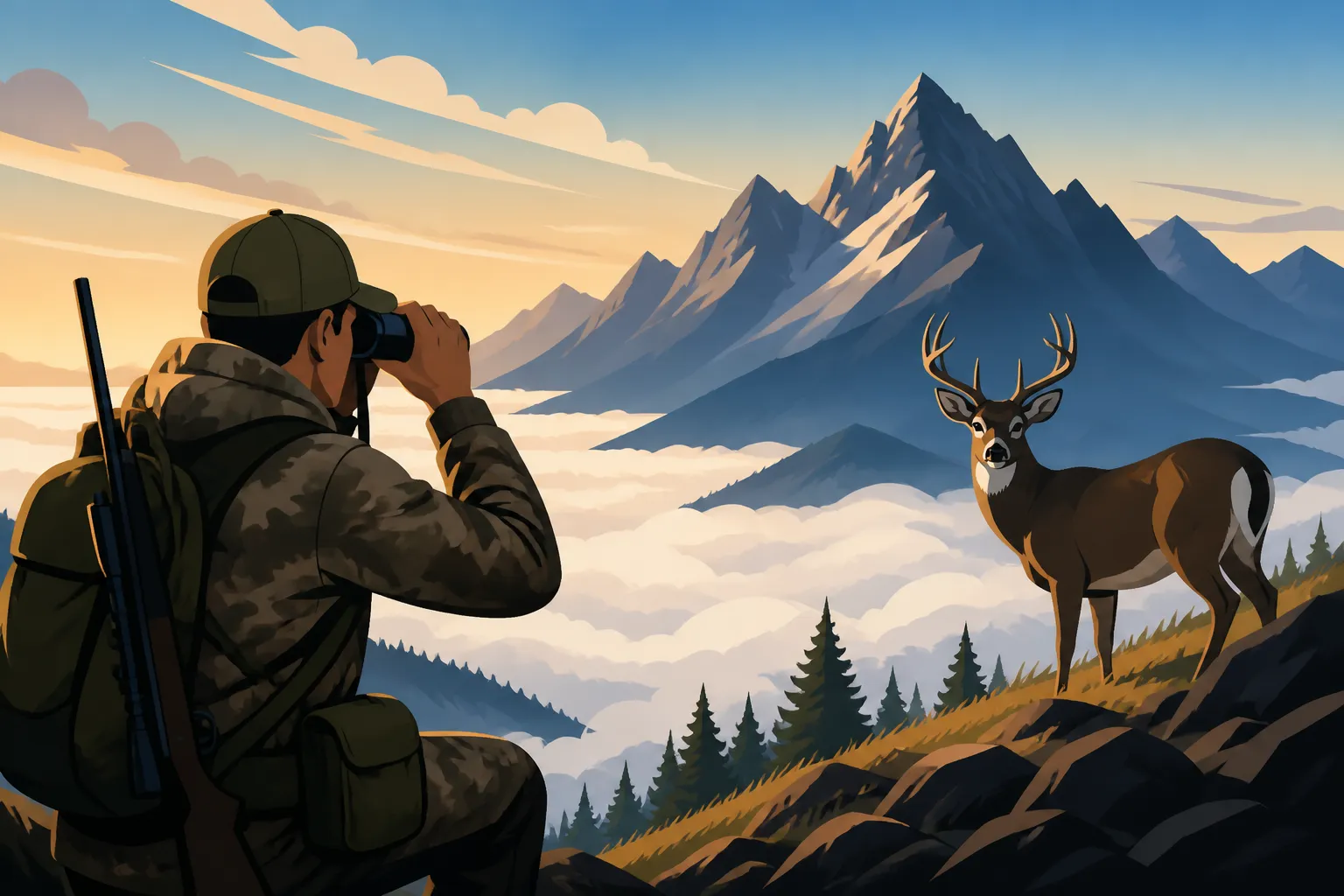
Hunting blacktail deer on British Columbia's coast can be a truly humbling experience, especially when the notorious coastal fog rolls in. One moment you’re glassing a promising clearcut, the next you can barely see your hand in front of your face. This dense, damp shroud often shuts down traditional hunting methods, leaving many hunters frustrated and wondering if their day is over. But what if I told you that sometimes, the best hunting actually begins above that impenetrable white blanket? This guide is all about understanding the unique dynamics of hunting blacktail when the fog hits and how to strategically get above it for prime opportunities.
The Unique Challenge of Coastal Fog and Blacktail Movement
Anyone who's spent time hunting the British Columbia coast knows the feeling: the damp chill, the muffled sounds, and the profound lack of visibility that defines a foggy morning. This isn't just an inconvenience for hunters; it dramatically impacts how blacktail deer behave and where they choose to spend their time.
How Fog Influences Blacktail Behavior
When the fog settles in, especially a dense, persistent coastal fog, blacktail deer don't just disappear; they adapt their movements and feeding patterns. Often, they'll seek refuge in areas where the air is either clearer or where the fog offers a different kind of cover. Think of it like this: the fog can act as a giant, soft blanket, muting sounds and smells, and dramatically reducing visibility. Deer might move less, or move to areas where the reduced light and visibility make them feel safer from predators, including us hunters. They tend to stick to thicker cover or areas just below the densest part of the fog, often using it as a protective barrier. Sometimes, if the fog is high and persistent, they might even move up the mountain to get above it, especially if the sun is shining brightly just a few hundred feet higher. The dampness also changes scent conditions, sometimes making it harder for deer to pick up your scent, but also making it harder for you to pick up theirs on the ground.
Identifying the Fog Line and Its Dynamics
The "fog line" isn't a fixed boundary; it's a dynamic, fluctuating elevation where the mist meets clear air. On the BC coast, this line can often be surprisingly sharp. Below it, you're in the soup; above it, you might be bathed in brilliant sunshine. Understanding how this line forms and moves is key to exploiting it. Often, coastal fog is a result of warm, moist air from the Pacific meeting cooler land temperatures or rising up mountain slopes. Thermal inversions can also trap cold air and fog in valleys and lowlands, creating a distinct ceiling.
Observing weather patterns is crucial. A light breeze can sometimes lift or break up the fog, while stagnant air can keep it locked in place for days. If you're planning a hunt, checking local forecasts for "marine fog" or "inversion layers" can give you a heads-up. On the ground, you'll literally see the transition as you gain elevation – the air will suddenly feel warmer, drier, and the world will open up above you. This transition zone, where the fog ends and the clear air begins, is often where deer will congregate. They might be bedded just below it, or actively feeding just above it, taking advantage of the sun and the sense of security the fog below provides. Knowing that the fog typically burns off from the top down, or lifts from the bottom up, can also inform your morning strategy. If you can climb above it before it starts to dissipate, you're already in a prime position.
Strategic Approaches to Hunting Blacktail Above the Mist
Getting above the fog isn't just about escaping the poor visibility; it's about leveraging a unique set of conditions that can often concentrate deer and provide superior hunting opportunities.
Scouting and Accessing High-Elevation Terrain
Before you even step foot in the fog, thorough scouting is paramount. You need to identify areas that typically sit above the common fog lines on your chosen hunting ground. This often means focusing on higher elevation clearcuts, alpine bowls, rocky benches, or the edges of old-growth timber stands that top out well above the valley bottoms. Satellite imagery, like what you can access through tools like GoHunt, becomes your best friend here. Look for logging road networks that climb steeply, providing potential access points to these higher zones. While many hunters might focus on lower elevations, the ones willing to put in the vertical effort can find themselves in surprisingly unpressured territory.
Accessing these areas often means tackling steep, rugged terrain. Old, deactivated logging roads are often your best bet for gaining elevation quickly, though they can be rough going. Remember to check local regulations and conditions for using these roads; some may be permanently closed or washed out. Having a good topographical map or a GPS app on your phone that shows contour lines is non-negotiable. You’ll want to identify saddles, natural benches, and any transition zones where a deer might travel or bed. Internal planning can also be supported by consulting resources like Hunting British Columbia's Logging Road Network to understand the nuances of these backcountry routes. Don't underestimate the physical demands – a several-hundred-meter climb in the dark, through potentially wet conditions, is a serious undertaking.
Spot-and-Stalk Tactics in Subalpine Zones
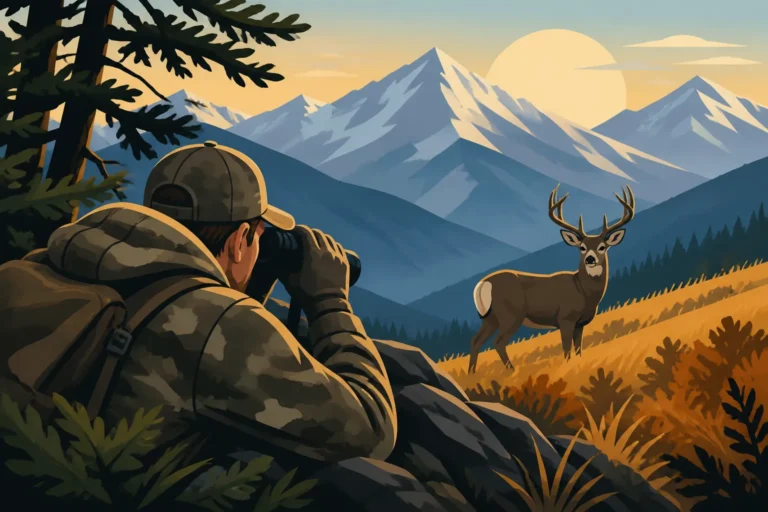
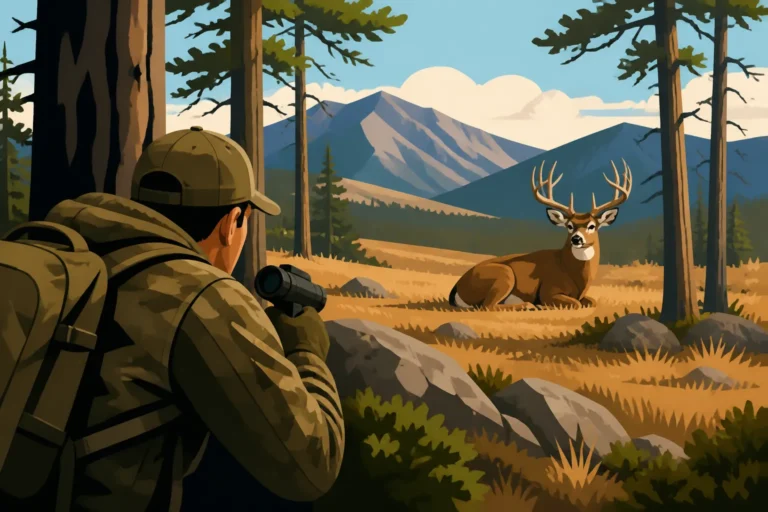
Once you've broken through the fog ceiling into the clear, crisp air of the subalpine, your tactics shift dramatically. Instead of blindly still-hunting through thick timber, you're now in prime spot-and-stalk country. The sun shining above the fog can make deer feel safe and often more visible against the open slopes. Find a vantage point – a ridge, a rocky outcrop, or a high knoll – and settle in for some serious glassing. This is where high-quality optics truly shine.
Scan open clearcuts, avalanche chutes, south-facing slopes, and the edges where timber meets rock or meadows. Pay close attention to any movement, any flicker of an ear, or a deer's distinct dark silhouette against a sunlit patch. Deer tend to move and feed more actively when they are in the sun, even if the world below them is still shrouded in mist. Once you've spotted a deer, the real work begins: planning your stalk. Consider the wind direction carefully, use terrain features to your advantage, and move slowly and deliberately. The quiet conditions above the fog, away from the typical forest sounds, mean that any noise you make will carry further. For more on advanced stalking, you might find tips in Stalking a Bedded Buck in Open Timber. This method demands patience and precision, but the rewards of a successful high-country stalk are immense.
Still-Hunting Through High-Elevation Timber
While spot-and-stalk is often the go-to above the fog line, there will be times when conditions, or the terrain itself, dictate a different approach: still-hunting through the higher elevation timber. Even above the main fog, patches of mist can cling to the trees, or thick timber might simply prevent long-range glassing. In these situations, you're essentially back to hunting in a "foggy" environment, albeit often a lighter, less persistent one.
Focus on moving incredibly slowly, placing each footstep with care to avoid snapping twigs or shuffling leaves. Utilize your eyes and ears to their absolute maximum. The key is to see the deer before it sees you. Look for horizontal lines (a deer's back) in a vertical world (trees). Scan for unnatural shapes, color variations, or the glint of an antler. Blacktail, with their incredible ability to vanish, are masters of this environment. Pay particular attention to transition zones – where old growth meets younger timber, where a ridge drops off, or along benches that deer might use as travel corridors. When the fog is patchy, these areas offer deer both security and opportunities to browse. For specific techniques adapted to thick coastal forests, consider reading Still-Hunting Second Growth for Blacktail. Remember, the high country timber can be surprisingly dense, and blacktail are experts at using it to their advantage.
Essential Gear and Preparation for Above-the-Fog Hunts
Hunting above the fog line in British Columbia's mountains demands more than just a change in strategy; it requires specific gear and careful preparation to ensure safety and success in often unpredictable conditions.
Optics and Visibility Tools
When hunting above the fog, your optics are your most valuable tool. Forget anything less than high-quality binoculars – a 10×42 or even 12×50 pair from a reputable brand like Zeiss, Leica, or Swarovski will give you the clarity and light transmission needed to pick out a deer at long range against a complex backdrop. If you're planning on glassing vast alpine basins or distant clearcuts, a spotting scope (20-60x or 25-75x) is an absolute must. Brands like Kowa or Vortex offer excellent performance without breaking the bank. The increased magnification will allow you to confidently identify a legal buck and determine the best approach. A rangefinder is also non-negotiable for spot-and-stalk hunting, as judging distances in open, broken country, especially with varying light conditions, can be incredibly deceptive. You need to know your exact distance for an ethical shot.
The clarity above the fog, combined with the often-bright sunlight, can create significant glare. Consider binoculars with good lens coatings to minimize this, and always carry a lens cloth. Furthermore, apps like GoHunt can provide detailed topographical maps right on your phone, allowing you to mark potential vantage points and plan your glassing strategy even before you leave camp.
Clothing and Layering for Dynamic Conditions
The weather above the fog line can be drastically different from below it, and it can change in an instant. You might start in damp, cold mist, climb into brilliant sunshine, and then have clouds roll in or temperatures plummet as evening approaches. Layering is not just a suggestion; it's a survival strategy. Start with a moisture-wicking base layer (merino wool is excellent). Add an insulating mid-layer like a fleece or a puffy jacket. Your outer layer must be waterproof and breathable. Gore-Tex or similar proprietary waterproof-breathable fabrics are essential for shedding the persistent coastal rain or snow that can sometimes accompany higher elevations. Brands like Sitka Gear or Kuiu are popular among BC hunters for their performance in these conditions.
Good quality, waterproof hiking or hunting boots that offer ankle support are also critical for navigating steep, often wet and uneven terrain. Break them in well before your hunt to avoid blisters. Don't forget a waterproof hat, gloves (a thin pair for dexterity and a warmer, waterproof pair), and a neck gaiter. Remember, staying dry is paramount for staying warm and safe in the backcountry. For a deeper dive into managing the wet environment, check out Hunting British Columbia's Coastal Rain.
Navigation and Safety in Remote Mountain Environments
Hunting above the fog line often means you're in truly remote, rugged country. Reliable navigation tools are crucial. A quality GPS unit (Garmin inReach, for example) or a smartphone with downloaded offline maps (like the ones available on GoHunt) is essential. Don't rely solely on cell service; it will likely be non-existent. A satellite communication device, such as a Garmin InReach or a Zoleo, is a non-negotiable safety item. It allows you to send and receive messages, check weather forecasts, and, most importantly, send an SOS signal in an emergency.
Always tell someone your hunting plan, including your intended route, where you'll be parking, and when you expect to return. Carry a comprehensive emergency kit with first-aid supplies, fire-starting materials, a headlamp, extra batteries, and emergency food and water. Encounters with bears are a real possibility in BC's backcountry, so carry bear spray and know how to use it. A spare firearm magazine and ammunition are also wise. Planning for the unexpected is part of being a responsible hunter in these wild places. For comprehensive advice on staying safe, consult resources like Emergency Planning in British Columbia's Backcountry and Bear Safety While Hunting in British Columbia. The steepness and remoteness also mean that packing out a successful harvest can be incredibly challenging, so plan for that eventuality as well by considering resources such as Packing Out of British Columbia's Steep Country.
| Feature | Hunting Above the Fog Line | Hunting Below the Fog Line |
|---|---|---|
| Visibility | Often clear, sunny; excellent for glassing. | Poor, limited to short distances; damp, dark. |
| Deer Behavior | May move more actively in sun, seek security from fog below. | Seek cover, move less, rely on scent/sound. |
| Primary Tactics | Spot-and-stalk, long-range glassing. | Still-hunting, tracking, listening for movement. |
| Terrain | Steep, broken, subalpine, rocky benches, open clearcuts. | Dense timber, thick underbrush, valley bottoms, creek draws. |
| Physical Demand | High (significant elevation gain, rugged travel). | Moderate to high (bushwhacking, negotiating blowdowns). |
| Required Gear | High-quality optics, robust layering, navigation/comm. | Rain gear, good boots, keen ears, scent control. |
| Typical Pressure | Lower (due to difficulty of access). | Higher (more accessible areas). |
| Biggest Challenge | Access, variable weather, packing out heavy game. | Lack of visibility, dense cover, unpredictable wind. |
Disclaimer
Hunting is an inherently challenging and potentially dangerous activity. This guide provides general information and recommendations; however, conditions in British Columbia's wilderness can change rapidly and unexpectedly. Hunters are solely responsible for their safety, adherence to all local and provincial hunting regulations, and the ethical pursuit of game. Always prioritize safety, prepare thoroughly, and consider consulting with experienced local hunters or guides.