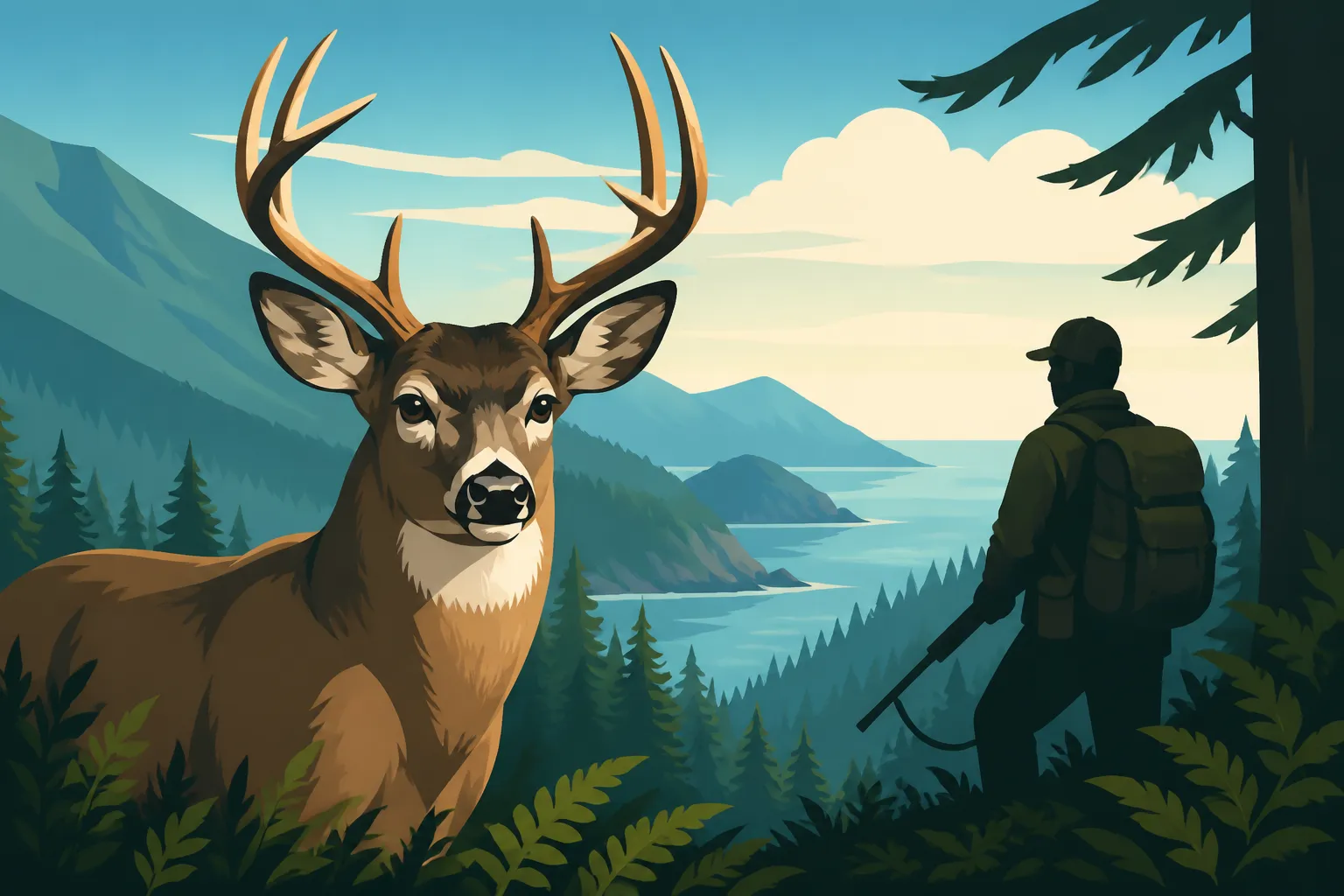
Sitka Blacktail on Haida Gwaii
Hunting Sitka blacktail on Haida Gwaii isn't just another trip; it's an immersive experience into one of British Columbia's most unique and challenging hunting landscapes. Many hunters dream of the remote, rugged beauty, only to be overwhelmed by the logistics, the dense rainforest, and the elusive nature of these island deer. This comprehensive guide will walk you through everything you need to know, from understanding the unique genetics of the Sitka blacktail to navigating the island's challenging terrain and respecting its profound cultural heritage, ensuring your Haida Gwaii adventure is both successful and deeply rewarding.
Understanding the Haida Gwaii Sitka Blacktail
The Sitka blacktail deer on Haida Gwaii are a truly special subspecies, distinct from their mainland cousins. Their adaptation to this isolated archipelago has shaped them into robust, incredibly wary animals that present a unique challenge and reward for the dedicated hunter.
The Unique Genetics and Adaptation to Island Life
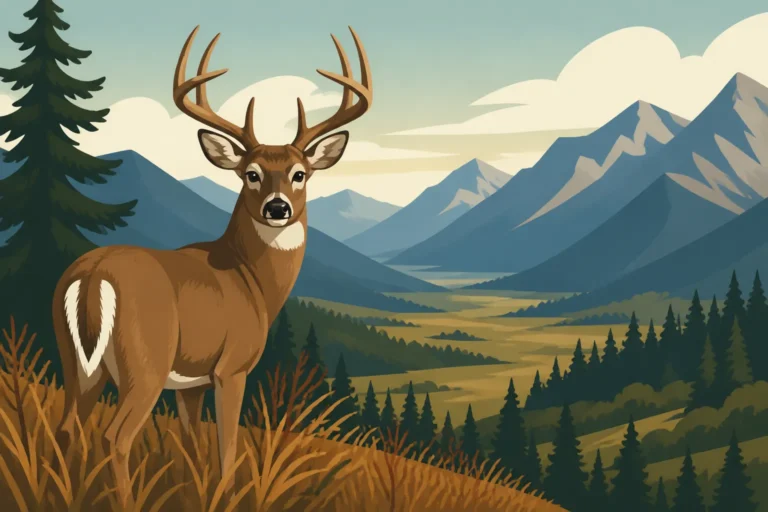
Unlike the Columbian blacktail (a subspecies of mule deer) found on Vancouver Island and the mainland coast, the Sitka blacktail (Odocoileus hemionus sitkensis) is genetically distinct. Originally native to Southeast Alaska and the islands off British Columbia's central and north coast, they were introduced to Haida Gwaii in the early 1900s. This isolated environment, characterized by mild, wet winters and abundant forage, allowed them to thrive and adapt, evolving slightly different characteristics than their cousins even further north.
These deer are generally smaller in body size than the mule deer of the interior, and even often smaller than some of the larger Columbian blacktails, though their antlers can be surprisingly heavy and wide for their body mass. This compact build is an advantage in the dense, tangled undergrowth of the temperate rainforest. Their darker, reddish-brown coats provide excellent camouflage in the shadows of the old-growth forests and the moss-draped landscapes. They are highly resilient, accustomed to constant rain and wind, which plays a huge role in their behavior and makes them incredibly tough animals to pursue.
Population Dynamics and Management
Haida Gwaii's Sitka blacktail population has historically been robust, often described as teeming, particularly after logging created new browse opportunities. However, like all island ecosystems, it's a delicate balance. The deer population experiences natural fluctuations influenced by winter severity, predation from wolves and cougars, and habitat changes. While precise population numbers can be elusive, the general consensus is that Haida Gwaii continues to support a healthy and huntable population.
Management strategies focus on sustainable harvest, often with generous bag limits compared to mainland zones, reflecting the islands' capacity to support these deer. It's crucial for hunters to be aware of the specific bag limits and antler restrictions for the region. These regulations are designed to maintain a healthy herd structure and ensure the long-term viability of the population. Understanding these dynamics is part of being an ethical hunter, recognizing that you are participating in a larger ecological system on a unique and sacred land.
The Haida Gwaii Environment and Its Impact on Hunting
Haida Gwaii, often called the "Galapagos of the North," boasts a truly unique environment that profoundly shapes the Sitka blacktail hunting experience. This is not your typical high-country mule deer hunt; it's a deep dive into an ancient, often unforgiving, rainforest.
Dense Temperate Rainforest and Terrain Challenges
The islands are dominated by a lush, temperate rainforest of towering Sitka spruce, western red cedar, and western hemlock, often draped in moss and fern. The undergrowth can be incredibly thick – salal, huckleberry, and devil's club form an almost impenetrable barrier in many areas. This density means visibility is often extremely limited, sometimes to mere yards, forcing hunters to adapt their tactics significantly. Spot-and-stalk as you might know it from open country is largely impossible here.
The terrain itself, while not always dramatically steep like the coastal mountains, is often broken, wet, and challenging. Boggy areas, slick moss-covered rocks, and fallen timber make for slow, strenuous going. You'll spend a lot of time climbing over or under massive logs, navigating unseen holes, and wading through shallow creeks. This environment demands exceptional physical fitness, durable gear, and a patient, methodical approach to hunting. Forget long-range shots; most encounters will be up close and personal, often requiring quick decisions and precise shooting.
Weather Patterns and Their Influence on Deer Behavior
If there's one constant on Haida Gwaii, it's the weather. The islands are renowned for their heavy rainfall, strong winds, and persistent fog, especially during the fall hunting season. While summers can offer some reprieve, be prepared for rain, and often a lot of it, regardless of when you plan your trip. This constant moisture impacts everything from your gear choices to how the deer behave.
Deer on Haida Gwaii are accustomed to the wet. They'll bed down in dense cover to escape the worst of the weather, but they also move through it with surprising ease. Light rain can often be your friend, dampening leaves and masking your sound, making still-hunting more effective. However, heavy downpours can drive deer to seek deeper shelter, limiting movement. Winds can make hearing deer difficult but can also carry your scent away. Fog reduces visibility to zero, making navigation challenging but sometimes offering a unique opportunity for a close encounter if you know the terrain well. Knowing Hunting in British Columbia's Coastal Rain can provide further insights into these conditions.
Planning Your Sitka Blacktail Hunt on Haida Gwaii
Embarking on a Haida Gwaii hunt requires meticulous planning. This isn't a spur-of-the-moment trip; it demands careful consideration of logistics, regulations, and access.
Accessing the Islands and Travel Logistics
Getting to Haida Gwaii typically involves a combination of ferry and vehicle or a flight into Sandspit. BC Ferries operates a route from Prince Rupert to Skidegate on Graham Island, which is a significant journey in itself. Booking well in advance, especially if you're bringing a vehicle, is absolutely essential. The ferry is often full, particularly during peak seasons. Alternatively, you can fly into Sandspit (YZP) on Moresby Island, usually connecting through Vancouver or Prince Rupert. From Sandspit, you'd need ground transport or a water taxi to reach your hunting area.
Once on the islands, travel primarily consists of the main paved highway connecting the larger communities, and then a network of active and deactivated logging roads. Many prime hunting areas are only accessible by boat, requiring a charter or your own sturdy vessel. Remember that cell service is spotty outside of the main towns, so reliable satellite communication is a must for safety in remote areas. Consider Jet Boat Access on British Columbia Rivers or Hunting From a Boat on the Coast for inspiration on navigating remote water-based areas.
Essential Regulations and Licensing
Hunting regulations in British Columbia, especially for specific regions and subspecies, can be complex. For Haida Gwaii, you'll fall under Region 6 – Skeena regulations. It's imperative to consult the current British Columbia Hunting and Trapping Regulations Synopsis, which is updated every two years. Pay close attention to the specific season dates and bag limits for Sitka blacktail deer in your chosen Management Unit (MU) on Haida Gwaii.
You'll need a valid British Columbia hunting license and a Sitka blacktail deer species license. Make sure you have your British Columbia Hunting Licences and Fees and British Columbia's Species Licences and Tags squared away well before your trip. Non-residents of Canada also need to review specific rules for bringing firearms into Canada and often require a guide or a Permit to Accompany a resident hunter. It's highly recommended to apply for your licenses and tags online through the BC Hunting Portal, making sure all your information, including your FWID, is up to date. Before you even pack your bags, using tools like GoHunt to familiarize yourself with the terrain and regulations for Region 6 – Skeena, which includes Haida Gwaii, is a wise move, although specific Haida Gwaii data can be scarce.
Choosing Your Hunting Zone and Access Strategy
Haida Gwaii offers a variety of hunting experiences depending on the specific island and how you choose to access it. Graham Island, the largest, has the most extensive road network, allowing for vehicle-based access and hiking into cutblocks or second-growth timber. Moresby Island, the second largest, is largely within Gwaii Haanas National Park Reserve, National Marine Conservation Area Reserve, and Haida Heritage Site, where hunting is generally prohibited for non-Haida citizens. However, areas outside Gwaii Haanas on Moresby and the surrounding smaller islands still offer opportunities.
A popular and often highly effective strategy is boat-based hunting. This allows access to remote inlets, beaches, and estuaries where deer often feed. Many hunters charter local boats or bring their own sturdy vessels, launching from communities like Sandspit or Masset. Combining boat access with hiking into logging slashes or old-growth fringes can be incredibly productive. For those looking at a more traditional backcountry experience, flying into remote lakes or coastal areas via float plane is an option, though this adds significant cost and logistical complexity. Knowing Scouting a British Columbia Management Unit Online can help narrow down options before you even arrive.
| Access Method | Pros | Cons | Ideal For |
|---|---|---|---|
| Ferry & Vehicle | Cost-effective for groups, transport gear | Long travel time, limited to main islands and roads | Longer trips, exploring varied terrain, budget hunters |
| Flight to Sandspit | Fastest travel, bypasses ferry wait | More expensive, limited gear/baggage, requires rental | Shorter trips, focus on Moresby Island, guided hunts |
| Float Plane | Access to truly remote, untouched areas | Most expensive, weather dependent, very limited weight | Ultimate backcountry experience, specific remote spots |
| Personal Boat | Flexibility, access to coastal areas | Requires specialized boat/experience, weather exposure | Coastal hunting, island hopping, self-reliance |
| Charter Boat | Expert navigation, local knowledge, safety | Costly, less flexibility, reliant on captain's schedule | Guided coastal hunts, inexperienced boaters |
Hunting Techniques for Haida Gwaii Blacktail
Hunting Sitka blacktail on Haida Gwaii demands a nuanced approach, moving away from typical open-country tactics and embracing the unique challenges of the rainforest. Success here often hinges on patience, stealth, and adapting to the dense cover.
Still-Hunting and Stalking in Dense Cover
Given the incredibly thick vegetation, still-hunting is perhaps the most effective method for Haida Gwaii blacktail. This involves moving incredibly slowly, taking only a few steps, then pausing for several minutes to scan, listen, and glass the immediate surroundings. Focus on patches of browse, transitions between different types of cover, and areas with fresh sign. The deer blend in seamlessly, and they are masters of standing motionless, allowing hunters to walk right past them. Your eyes will play tricks on you in the dappled light and shadows of the forest floor, so look for horizontal lines, ears, or glimpses of hide that don't quite fit the natural patterns of the forest.
When you do spot a deer, the stalk can be incredibly challenging. Every step creates noise on the damp leaves and twigs. Focus on soft footing, using the sound of the wind or rain to mask your movements. Often, the best approach is to wait for the deer to move or offer a clearer shot, rather than pushing a risky stalk that will likely blow them out. Patience is your most valuable tool. For more on navigating this kind of terrain, read about Still-Hunting Second Growth for Blacktail.
Understanding Blacktail Sign and Movement Patterns
Reading sign is paramount when visibility is limited. Fresh tracks, droppings, and rubbed saplings are all clues to deer activity. On Haida Gwaii, look for freshly browsed huckleberry or salal. Deer here feed heavily on these plants. Pay attention to how deer use clearcuts, old-growth edges, and even the beach lines during low tide. They are creatures of habit, and finding their travel corridors can be a game-changer.
Movement patterns are heavily influenced by weather and food sources. During periods of heavy rain, deer often seek shelter in the densest timber, moving less. When the weather breaks, especially around dawn and dusk, they will often emerge to feed. The rut for blacktail typically peaks in November, but deer activity can increase in late October, offering opportunities for calling. Understanding Reading Blacktail Sign in Wet Ground is critical for finding success in this unique environment.
The Role of Calling and Scent
Calling can be effective for Sitka blacktail, especially during the rut. Fawn bleats and doe estrus bleats can sometimes draw in curious bucks, though they tend to be less vocal than some other deer species. Using a fawn bleat can often pique a buck's interest without making him wary, as he might associate it with a lost fawn or a vulnerable doe.
Scent control is also important, even in a damp environment. The constant moisture can carry scent, but it also helps to wash it away. Playing the wind is crucial. Setting up patiently downwind of a promising area, particularly a fresh rub line or a feeding area, can often give you the edge you need for a close shot. Always consider the wind direction when planning your approach and your stand locations.
Essential Gear and Preparations for Haida Gwaii
A successful and safe hunt on Haida Gwaii hinges on bringing the right gear and being physically and mentally prepared for the islands' unique conditions. Cutting corners here is an open invitation for discomfort and potential danger.
Clothing and Rain Protection
Let's be blunt: you're going to get wet on Haida Gwaii. This means a top-tier rain system is not just recommended, it's absolutely non-negotiable. Look for durable, waterproof, and breathable outerwear. Gore-Tex or similar high-quality membrane fabrics are essential for your jacket and pants. Layering is key: start with moisture-wicking base layers, add insulating mid-layers like fleece or synthetic puffies, and finish with your bomb-proof rain gear. Bring multiple changes of clothes, especially socks and base layers.
Footwear is equally critical. You need tall, waterproof boots with excellent traction for navigating slick, uneven terrain. Rubber boots or waterproof leather boots with aggressive soles are popular choices. Ensure they are well broken in to avoid blisters, which can quickly ruin a hunt in such wet conditions. Gaiters are also a must to keep water and debris out of your boots and to protect your pants from the relentless brush. Dressing for Hunting British Columbia's Coastal Rain is a mindset you need to adopt.
Navigation and Communication Equipment
Getting lost in the dense, monotonous rainforest of Haida Gwaii is a real possibility, even for experienced woodsmen. A reliable GPS unit with detailed topographic maps of the area is essential. Don't rely solely on your phone; battery life is a concern, and service is non-existent in many hunting areas. Carry a compass and physical map as a backup, and know how to use them. Mark your starting point and frequently check your bearings.
For communication, especially in emergencies, a satellite messenger or satellite phone is critical. Devices like the Garmin inReach or Zoleo offer two-way messaging and SOS capabilities, providing peace of mind when you're far from any cell signal. Let someone responsible know your hunting plan, including your intended route and expected return time. Planning for Emergency Planning in British Columbia's Backcountry and having Satellite Communication on a Remote Hunt are vital for a safe trip.
Optics and Other Field Essentials
While long-range glassing isn't often possible in the dense timber, good quality binoculars (8x or 10x) are still incredibly useful for picking apart shadows and identifying deer in the close quarters of the forest. Consider binoculars with excellent low-light performance. A rangefinder might be less critical for typical shot distances but can still be helpful for confirming distances in tricky terrain.
Other field essentials include a sharp knife, game bags for packing out meat, a headlamp with extra batteries, fire-starting supplies (waterproof matches, lighter, fire steel), and a compact first-aid kit. A sturdy frame pack is a must for packing out meat and gear over challenging terrain. Water filters or purification tablets are also good to have, though fresh water sources are usually abundant.
Respecting the Land and Local Culture
Hunting on Haida Gwaii is more than just pursuing deer; it's an opportunity to connect with a profound cultural landscape and the stewards who have lived there for millennia. Respect for the land and the Haida Nation is paramount.
The Significance of Haida Gwaii to the Haida Nation
Haida Gwaii is the traditional and ancestral territory of the Haida Nation, an Indigenous people with a rich history and deep spiritual connection to these islands. Their culture is intrinsically tied to the land, sea, and forest, and they continue to exercise their inherent rights and responsibilities as caretakers. When you hunt on Haida Gwaii, you are a guest on their territory. This understanding should shape every aspect of your trip, from how you prepare to how you conduct yourself in the field.
The Haida Nation maintains significant cultural sites, villages, and spiritual places across the islands, many of which are protected. Ensure you are aware of these sensitive areas and avoid them. Engage respectfully with local communities, learn about Haida culture if you have the opportunity, and understand that your presence impacts their home. This respect fosters positive relationships and ensures the privilege of hunting on Haida Gwaii can continue.
Practicing Sustainable Hunting and Leave No Trace Principles
Sustainable hunting on Haida Gwaii means adhering strictly to regulations, taking only what you need, and ensuring no waste. Given the remote nature of many hunting areas, proper meat care is critical. Field dressing quickly and getting the meat cooled, even in a damp environment, is essential to prevent spoilage. Consider packing out quarters in game bags to get them out efficiently. For more on this, check out Meat Care in British Columbia's Warm Early Seasons or Packing Meat With a Frame Pack.
Beyond the harvest, "Leave No Trace" principles are vital. Pack out everything you pack in, including all trash, spent casings, and any non-biodegradable items. Minimize your impact on the delicate ecosystem: stick to established trails or travel corridors where possible, avoid disturbing sensitive vegetation, and camp in designated areas or choose low-impact sites for random camping on Crown land. Remember, the goal is to leave the land as pristine as you found it, allowing it to continue to thrive for future generations and the wildlife that call it home.
Disclaimer
Please note that hunting regulations, seasons, and access can change frequently. Always consult the most current British Columbia Hunting and Trapping Regulations Synopsis and relevant local authorities before planning and embarking on any hunting trip. This guide is for informational purposes only and does not supersede official government regulations or local Indigenous laws and protocols.