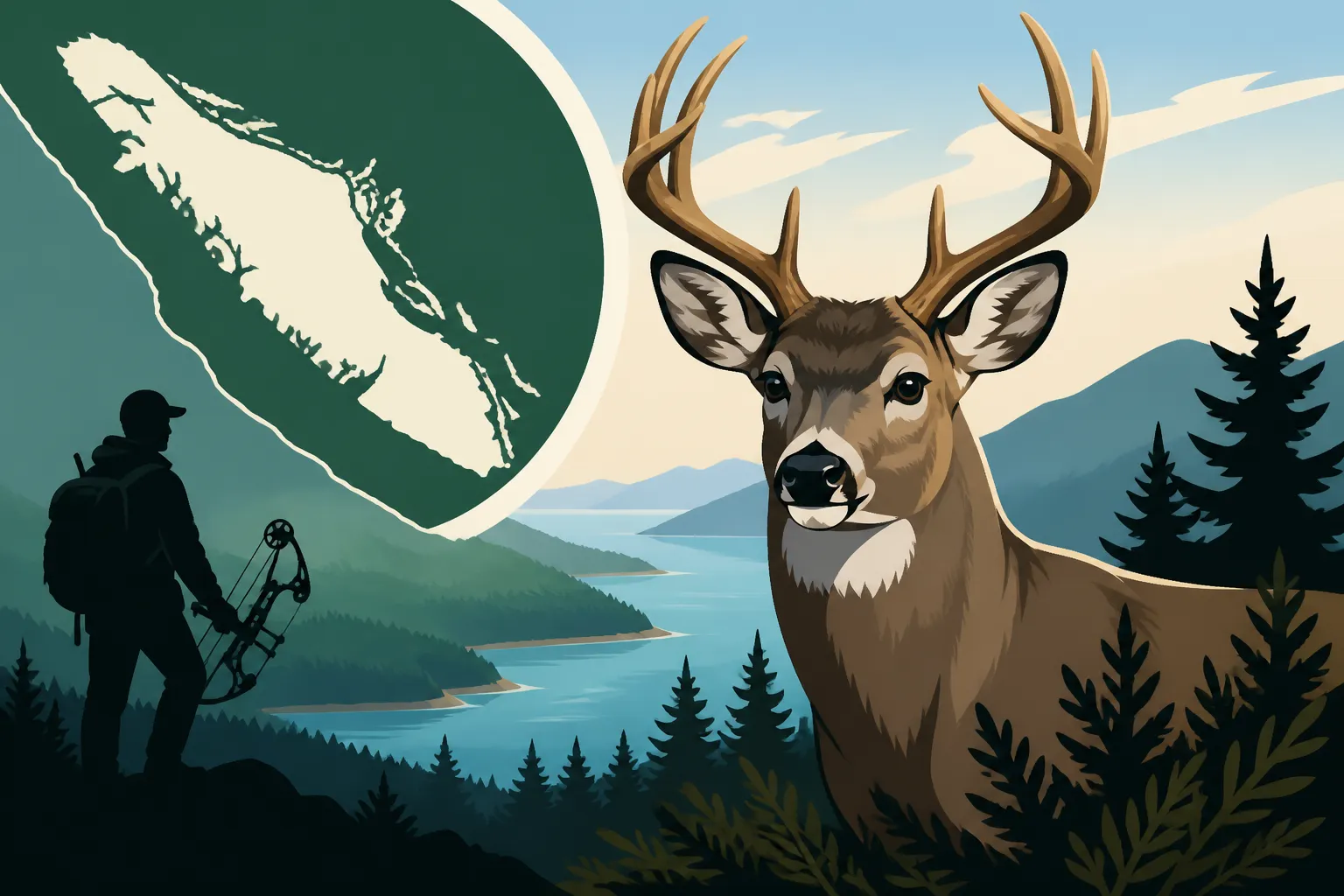
British Columbia’s Vancouver Island Blacktail Herd
For many hunters, the thought of pursuing blacktail on Vancouver Island conjures images of dense, rain-soaked forests and elusive deer. This unique subspecies presents a distinct set of challenges and rewards, often leaving hunters wondering about their specific habits and the best ways to find them. This comprehensive guide will pull back the curtain on British Columbia's Vancouver Island blacktail herd, delving into their particular characteristics, the environments they call home, and effective strategies for a successful hunt.
Understanding the Vancouver Island Blacktail: A Unique Subspecies
The Columbian black-tailed deer (Odocoileus hemionus columbianus) found on Vancouver Island are a special part of British Columbia's wildlife tapestry. They're not just any deer; they've adapted over millennia to the specific, often harsh, conditions of the island, developing traits that set them apart from their mainland cousins and other deer species.
The Genetic Makeup and Physical Characteristics
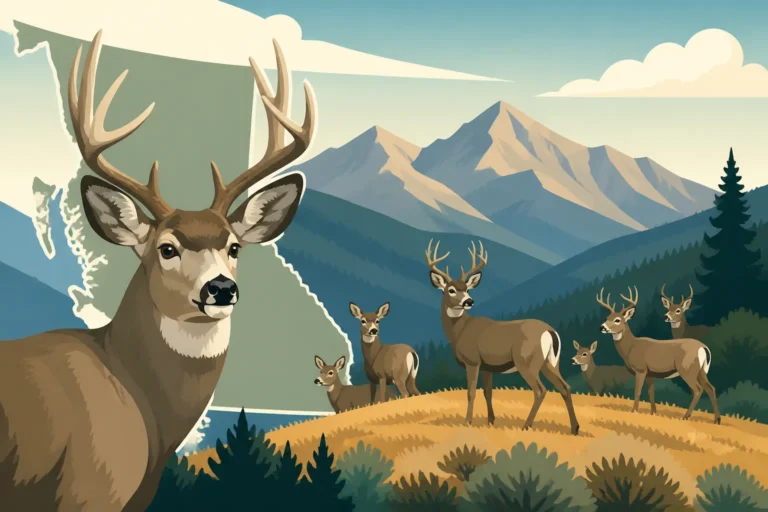
While genetically related to mule deer, blacktails are generally smaller and more compact, a useful adaptation for navigating dense underbrush. On Vancouver Island, this tends to be even more pronounced. An average mature Vancouver Island blacktail buck might weigh anywhere from 120 to 180 pounds live weight, though larger specimens certainly exist. Does are considerably smaller, often in the 80 to 120-pound range. Their antlers, a common point of discussion among hunters, typically feature a bifurcated (forked) main beam, diverging into two distinct points, rather than the true branching "tines" seen on a whitetail. However, it’s not uncommon to see a wide variety of antler configurations, from spindly spikes to impressive, heavily massed forks. The size and density of their antlers are often a direct reflection of the nutrition available in their specific home range. Their coat is typically a rich reddish-brown in summer, fading to a more muted grey-brown in winter, providing excellent camouflage in the island's varied forest types.
Historical Distribution and Current Strongholds
Historically, blacktail deer populations have been robust across much of Vancouver Island, particularly in areas with a mix of old-growth timber, regenerating clearcuts, and coastal estuaries. These deer thrive in the mosaic created by natural disturbances and, more recently, logging practices. Today, their strongholds remain scattered throughout the island, with healthy populations found from the southern tip near Victoria all the way up to the northern reaches around Port Hardy. Areas with extensive second-growth forests, especially those 5-20 years post-logging, are often prime habitat. These areas offer both the dense cover blacktail crave for security and the abundant browse needed for sustenance. River valleys, coastal inlets, and the rugged slopes leading up into the mountains also hold significant numbers, particularly where there’s a consistent food source and refuge from the elements.
Differentiating Them from Mainland Blacktail and Mule Deer
While the term "blacktail" often gets thrown around broadly, there are subtle yet important distinctions, especially when comparing the Vancouver Island deer to mainland blacktails or their larger mule deer relatives. Mainland Columbian blacktails, found on the B.C. mainland coast, share many similarities but might encounter slightly different environmental pressures. The most obvious difference from mule deer is the tail itself – blacktails have a broad, dark brown to black tail, often with little or no white, whereas mule deer have a ropy, white tail with a distinct black tip. Antler structure is another key differentiator: mule deer typically sport antlers that fork and re-fork, creating more points on a main beam, while blacktail racks tend to be more compact, often with less mass, though impressive forked antlers are definitely out there. Their gait is also different; blacktails often have a more direct, secretive movement through cover, while mule deer are known for their distinctive "stotting" or pronking gait when alarmed. When you’re in their habitat, knowing these nuances can be crucial for proper identification and adherence to hunting regulations, especially in areas where boundaries might blur.
Habitat and Environment: Where the Island Blacktail Thrive
Vancouver Island is a land of dramatic landscapes, from ancient forests to rugged coastlines, and this diverse environment directly shapes where and how its blacktail herd lives. Understanding their preferred habitat is paramount for any hunter hoping to connect with these elusive deer.
The Rainforest Influence: Old Growth and Second Growth
The island's temperate rainforest climate profoundly impacts blacktail habitat. Old-growth forests, with their towering cedars and firs, offer critical winter range and shelter from heavy snow and wind. The complex canopy and multi-layered understory provide thermal cover and a consistent food source of lichens and mosses. However, it's often the extensive networks of second-growth forests that hold the highest densities of deer. Hunting Vancouver Island Blacktail in Second Growth is a skill many hunters perfect. After logging, these areas explode with new growth – shrubs, forbs, and deciduous saplings – providing an unparalleled buffet of browse for deer. A clearcut in its third to tenth year is a blacktail magnet, offering both abundant food and dense regenerating cover to hide in. As the forest matures further, it becomes thicker and less appealing until it eventually transitions back towards old growth. Hunters need to recognize these stages to predict deer movements.
Coastal Proximity and Food Sources
Many prime blacktail areas are surprisingly close to the coast. The influence of the ocean brings milder temperatures, consistent moisture, and unique food sources. Estuaries, where rivers meet the sea, create rich marshlands and provide succulent grasses and sedges. Deer will often venture into these open areas, especially at dawn and dusk, to feed. Beyond the immediate coast, the island's landscape is dotted with berry bushes like salal, huckleberry, and salmonberry, which are critical food sources from spring through fall. The varied understory of the island's forests also provides a year-round supply of evergreen shrubs and young deciduous growth. During harsh winters, deer often move to lower elevations and south-facing slopes, where snow accumulation is less, and exposed browse is more accessible.
Impact of Logging and Human Activity
Logging has undeniably reshaped Vancouver Island's landscape, and with it, blacktail habitat. While old-growth logging reduces critical winter range in some areas, the creation of new clearcuts and the extensive network of logging roads have also created vast new summer and fall habitat. These roads, though sometimes deactivated, provide crucial access for hunters into otherwise impenetrable terrain. Hunting British Columbia's Logging Road Network is a common strategy. However, increased access also means increased hunting pressure in some areas. Human settlements and agricultural lands, particularly in the more populated southern regions, also offer unique pockets of deer habitat. Deer will adapt to suburban environments, seeking refuge in greenbelts and feasting on garden crops, leading to different hunting challenges and opportunities. Understanding these human-influenced landscapes is as important as knowing the natural ones.
Behavioral Patterns: Adapting to Island Life
Vancouver Island blacktail deer exhibit behaviors distinctly tailored to their rainforest home. Their survival hinges on an intimate understanding of their environment, dictating how they move, feed, and react to threats.
The Elusive Nature: Why They're Hard to Spot
Ask any hunter who has pursued blacktail on Vancouver Island, and they'll likely tell you about the deer's uncanny ability to disappear into seemingly thin air. This isn't just luck; it's a finely honed survival strategy. The dense undergrowth, whether it's the tangled salal and huckleberry of second growth or the thick ferns and moss of old-growth bottoms, provides incredible cover. Blacktails are masters of using this terrain to their advantage, often moving silently and deliberately. They rarely break cover in wide-open spaces during daylight hours unless pushed. Instead, they prefer to parallel trails or travel through the densest sections of timber, using every bit of vegetation as a screen. This makes spot-and-stalk hunting incredibly challenging and often means relying more on still-hunting or carefully choosing stand locations. Their keen senses, especially hearing and smell, are constantly at work, making it tough to get close.
Seasonal Movements and Rutting Activity
Like all deer, blacktail movements are heavily influenced by the seasons, with the rut being a peak period of activity. On Vancouver Island, When the Blacktail Rut Peaks typically falls from late October through November, extending into early December in some areas. During this time, bucks become far less cautious, abandoning their reclusive habits to actively search for does. This is when vocalizations like grunts and bleats become more common, and scrapes and rubs appear. Before the rut, during late summer and early fall, deer often feed heavily on berries and lush vegetation to build up fat reserves for winter and the energy-intensive rut. As winter approaches and snow levels rise, deer will migrate to lower elevations and south-facing slopes, where browse is more accessible and thermal cover is better. Understanding these seasonal shifts is crucial for planning a successful hunt.
Diet and Foraging Habits
Vancouver Island blacktails are browsers, meaning their diet consists primarily of the leaves, shoots, and twigs of woody plants, along with various forbs. Their diet is incredibly varied, reflecting the rich biodiversity of the island. Throughout the spring and summer, they feast on lush new growth, including salmonberry, thimbleberry, and various grasses and forbs. As fall progresses, berries like huckleberry and salal become key, providing essential carbohydrates. In winter, when other food sources are scarce, they rely on evergreen browse such as salal, cedar, and even some mosses and lichens found in old-growth areas. The availability of food directly impacts the health and antler growth of the herd. Areas with a diverse range of plant species and varying forest ages tend to support healthier, more robust deer populations. Their foraging habits often lead them to the edges of clearcuts, utility corridors, and riparian zones, where a mix of open areas and dense cover provides both food and security.
Hunting Challenges and Strategies on Vancouver Island
Hunting Vancouver Island blacktail is an experience unlike almost any other. The terrain, the weather, and the deer's inherent elusiveness combine to create a truly formidable challenge that demands preparation and adaptable strategies.
Navigating the Dense Terrain
The dense, often steep, and unforgiving terrain of Vancouver Island is perhaps the biggest challenge for hunters. Expect to encounter thick underbrush, slippery moss-covered rocks, downed timber, and often, steep inclines. Hunting British Columbia's Coastal Rain is a common reality, meaning waterproof gear, good traction footwear, and mental resilience are non-negotiable. Travel is slow, deliberate, and often requires pushing through dense vegetation. Roads, even active logging roads, can be rugged and demand a capable vehicle. Many prime hunting spots are found by walking old, deactivated logging roads or venturing off-road into the timber. This type of hunting requires excellent physical fitness and navigational skills. Using GPS and mapping tools, like those found on platforms such as GoHunt, is essential to stay oriented and mark promising sign or potential escape routes. Always be prepared for tougher conditions than you anticipate.
Effective Scouting and Sign Reading
Given the blacktail's elusive nature, effective scouting and meticulous sign reading become critical. You're not always going to see the deer, but you can learn to read the story they leave behind. Focus on areas with a mix of food and cover: the edges of clearcuts, the interface between old growth and second growth, and riparian zones. Look for fresh tracks, especially in soft, wet ground. Reading Blacktail Sign in Wet Ground is a particular skill to develop. Examine rubs on trees and fresh scrapes, which indicate buck activity, especially as the rut approaches. Pay attention to well-used game trails that connect bedding areas to feeding zones. During the summer, trail cameras can be invaluable for identifying travel patterns and the caliber of bucks in an area, though always be mindful of local regulations on their use. A thorough scouting trip, preferably on foot, before the season opens, can significantly increase your chances of success.
Archery and Rifle Season Realities
Both archery and rifle hunters face unique realities on Vancouver Island.
- Archery Season: The early archery season often coincides with milder, wetter weather, and deer are still in their summer patterns. The dense cover actually benefits archers, allowing for closer stalks, but it also means shooting lanes can be extremely limited. Accuracy and patience are paramount. Scent control is critical because a blacktail can smell you long before you see it. Spot-and-stalk can be effective in more open clearcuts or along fringes, but still-hunting through the timber or setting up in known travel corridors are often more productive.
- Rifle Season: Rifle season generally offers more flexibility in terms of shot distance, which can be an advantage in larger clearcuts or open draws. However, the thick cover still means most shots will be at relatively close ranges, often under 100 yards. Hunters often employ "road hunting" (walking logging roads) or still-hunting through the timber. Drives can be effective with a group, pushing deer from one block of cover to waiting hunters. The rifle season typically extends into the rut, offering excellent opportunities to catch bucks off guard as they pursue does. However, with increased hunter presence, deer can become even more nocturnal and wary. Always check the specific regulations for your chosen Management Unit (MU), as antler point restrictions, such as British Columbia's Four-Point Antler Restriction, or even limited entry hunting (LEH) designations, can apply. Tools like GoHunt can help clarify these regional specifics.
Conservation and Management: Protecting the Island's Legacy
The Vancouver Island blacktail herd is a precious resource, and its long-term health depends on sound conservation and management practices, in which hunters play a vital role.
Population Trends and Health
Vancouver Island's blacktail population has seen fluctuations over the decades. Habitat alteration from logging has had a dual effect, creating abundant forage in some areas while reducing old-growth wintering habitat in others. Predation from wolves and cougars, which are present throughout the island, also plays a significant role in herd dynamics. Climate change, particularly changes in winter severity and summer droughts, can impact fawn survival and overall herd health. Blacktail Numbers on Vancouver Island remain generally healthy, but ongoing monitoring and adaptive management are crucial. Wildlife biologists use various methods, including aerial surveys, harvest data, and camera studies, to track population trends and assess the health of the herd. These efforts ensure sustainable hunting opportunities for future generations.
Regulations Specific to Vancouver Island
British Columbia's hunting regulations are complex and highly specific to individual Management Units (MUs) and regions, and Vancouver Island is no exception. Hunters must thoroughly consult the current British Columbia's Two-Year Regulations Synopsis before heading out. Key regulations to pay attention to include:
- Season Dates: When British Columbia's Blacktail Season Runs varies by MU and whether you are hunting with archery or rifle.
- Bag Limits: Typically, a hunter can harvest a certain number of deer, often with restrictions on sex and antler configuration.
- Antler Restrictions: Many areas have antler point restrictions, such as "four-point or better" rules, to help manage buck age structure.
- Limited Entry Hunting (LEH): While many blacktail seasons are general open seasons, some specific areas or timeframes might be under LEH, requiring a successful draw application. You can explore LEH odds for various zones using resources like GoHunt to inform your application strategy.
- Compulsory Reporting: Hunters are required to report all harvested animals within 30 days.
Staying informed about these regulations is not just about compliance; it's about being an ethical and responsible hunter who contributes to the long-term sustainability of the resource.
The Role of Hunters in Conservation
Hunters are often the most ardent conservationists, and their contributions on Vancouver Island are no different. Through the purchase of hunting licenses and species tags, hunters directly fund wildlife management, habitat protection, and research programs. The Habitat Conservation Trust Foundation (HCTF), for instance, receives a significant portion of these fees, which are then reinvested into projects that benefit blacktail and other wildlife. Beyond financial contributions, hunters also provide invaluable data through compulsory reporting, which helps biologists monitor population trends. Additionally, ethical hunting practices, such as Meat Care in British Columbia's Warm Early Seasons and ensuring no meat is wasted, underscore a deep respect for the animals harvested. By adhering to regulations, practicing ethical hunting, and advocating for healthy wildlife populations and habitat, hunters actively ensure the legacy of the Vancouver Island blacktail herd endures.
| Characteristic | Vancouver Island Blacktail | Mainland Columbian Blacktail | Mule Deer |
|---|---|---|---|
| Average Weight (Buck) | 120-180 lbs (live) | 130-200 lbs (live) | 150-300 lbs (live) |
| Antler Type | Bifurcated main beam, less mass | Bifurcated main beam, moderate mass | Often forked and re-forked (true tines), heavy mass |
| Tail Appearance | Broad, dark brown/black, little white | Broad, dark brown/black, little white | Ropy, white with a distinct black tip |
| Primary Habitat | Coastal rainforest, old growth, 2nd growth, estuaries | Coastal forests, river valleys, some drier interior edges | Open forests, grasslands, sagebrush flats, alpine |
| Behavior | Elusive, uses dense cover, moves silently | Adaptable, utilizes varying cover | More open country, often "stotts" when alarmed |
| Rut Peak | Late Oct – Early Dec | Late Oct – Early Dec | Mid-Nov – Early Dec |
Disclaimer
Hunting is an inherently risky activity. The information provided in this guide is for informational purposes only and should not be considered legal advice. Always consult the most current British Columbia Hunting and Trapping Regulations Synopsis and any local bylaws or land access restrictions before planning or undertaking any hunting activity. Safety should always be your top priority.