British Columbia’s Coastal Black Bears
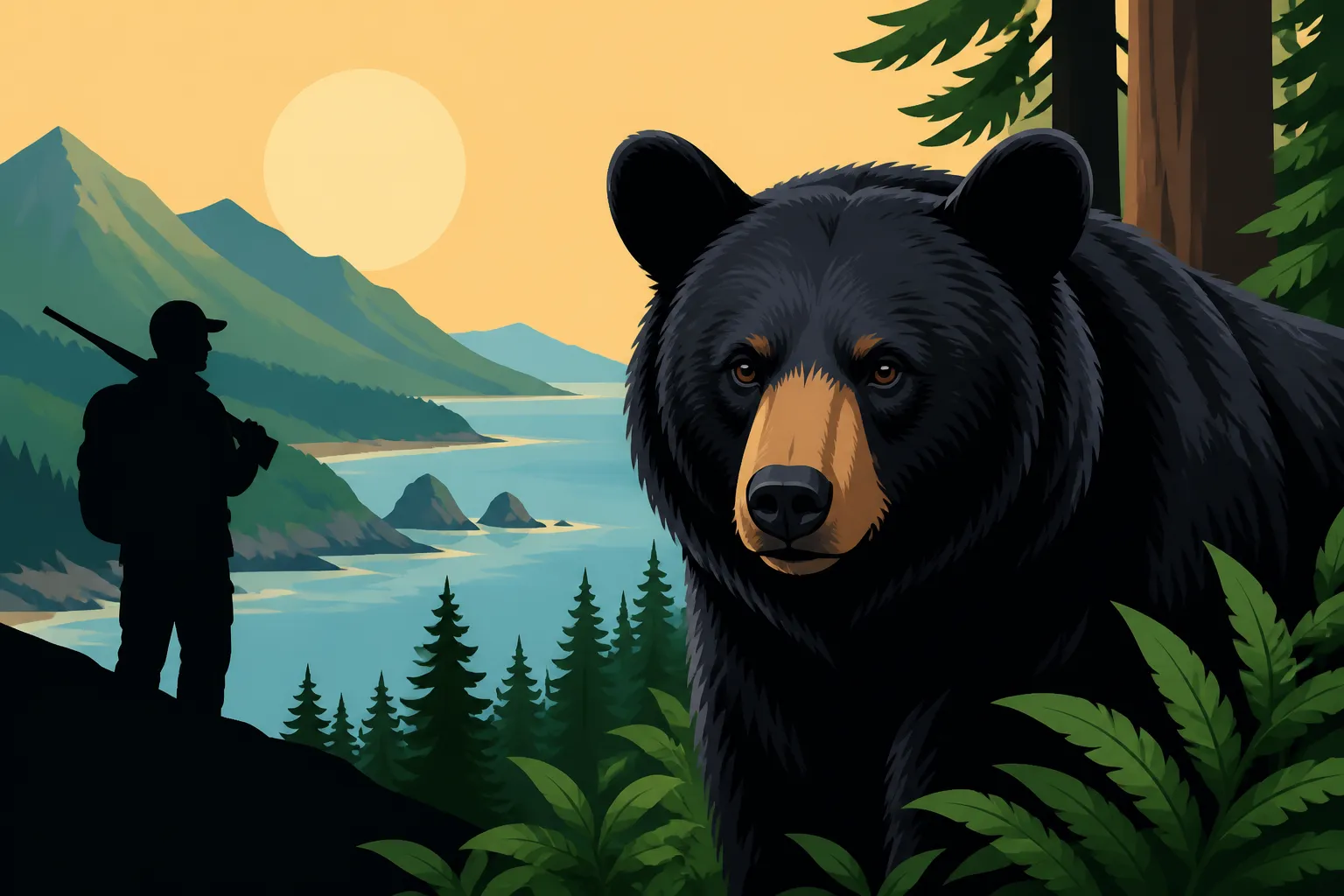
Hunting British Columbia's vast coastline for black bears is an experience unlike any other, but it comes with its own set of challenges. The dense rainforests, unpredictable weather, and the sheer scale of the landscape can feel overwhelming, making it tough to know where to start or how to effectively pursue these intelligent animals. This guide will delve deep into the world of coastal black bears, offering practical insights into their habitat, behavior, and the unique considerations for hunting them in this rugged, beautiful environment.
The Unique Environment of British Columbia's Coast for Black Bears
British Columbia's coastline is a realm of dramatic fjords, ancient rainforests, and nutrient-rich estuaries, creating an unparalleled ecosystem for black bears. Unlike their interior counterparts, coastal black bears thrive in a maritime climate, influencing their size, diet, and seasonal movements in fascinating ways. It's a land where the ocean dictates much of what happens on shore, and understanding this relationship is key to successful hunting.
Lush Rainforests and Abundant Food Sources
The coastal temperate rainforests of British Columbia are legendary for their biodiversity and staggering biomass. Giant Sitka spruce, western red cedar, and western hemlock tower over a dense understory of salal, huckleberry, and salmonberry. This lush environment provides an incredible array of forage for black bears throughout the year. From the moment they emerge from their dens in spring, they are greeted by tender new growth, nutrient-rich sedges, and kelp washed up on the beaches. As the seasons progress, a cascade of berries ripen, offering a bounty that helps bears pack on critical fat reserves. The sheer volume and diversity of food here mean bears can grow exceptionally large, a point of fascination for many hunters who wonder, Why British Columbia Grows Big Black Bears. These forests are constantly wet, often shrouded in mist, which impacts everything from bear movement patterns to the type of gear a hunter needs to carry.
Mild Climate and Extended Activity Periods
One of the most defining characteristics of British Columbia's coast is its mild, wet climate. Winters are generally less severe than in the interior, and summers are often cooler and wetter. This moderation has a significant impact on black bear behaviour. Bears on the coast often have shorter denning periods, emerging earlier in the spring and sometimes remaining active later into the fall compared to bears in colder regions. This extended active season provides more opportunities for them to feed, grow, and reproduce. However, this mild climate also means a longer growing season for vegetation, providing dense cover that can make spotting bears a real challenge. The constant moisture also influences scent conditions, which can work both for and against a hunter depending on the wind and rain. Understanding these nuances is vital for anyone planning a hunt, from scouting to the actual pursuit.
Understanding Coastal Black Bear Biology and Behavior
Coastal black bears are a distinct population, shaped by their marine-influenced environment. While they share many characteristics with other black bears, their adaptation to the Pacific Northwest's unique conditions sets them apart, leading to interesting variations in their appearance, diet, and life cycles.
Size, Color Phases, and Physical Characteristics
When you think of a black bear, you likely picture a uniformly dark-furred animal, but coastal black bears in British Columbia defy this simple image. While many are indeed black, the region is famous for its incredible diversity in colour phases. You might encounter bears that are chocolate brown, cinnamon, or even a stunning blonde. Perhaps the most iconic and rare is the Kermode bear, or "Spirit Bear," a subspecies of black bear with a recessive gene that causes its fur to be white. These bears are found predominantly in the Great Bear Rainforest and are fully protected from hunting. Many hunters are intrigued by Where Kermode Bears Live and Why the Spirit Bear Cannot Be Hunted. This genetic diversity is a testament to the isolated evolution of some coastal populations. In terms of size, coastal black bears can grow to be exceptionally large due to the rich food sources. Mature boars can easily exceed 400 pounds, with some exceptional specimens pushing closer to 600 pounds. Hunters often find themselves asking What a Coastal Black Bear Weighs, and the answer can be quite impressive for this region. They generally possess broad shoulders and powerful legs, suited for navigating steep, dense terrain and foraging intensively.
Seasonal Diet and Foraging Habits
The diet of a coastal black bear is a testament to the bounty of its environment and its incredible adaptability as an omnivore. In spring, as bears emerge from their dens, they seek out nutrient-rich green vegetation like sedges, skunk cabbage, and newly sprouted grasses in estuaries and along river bottoms. As the weather warms, they transition to a diet of early berries, such as salmonberries and huckleberries, which grow in profusion throughout the rainforest. What truly sets coastal bears apart, however, is their reliance on marine resources. Many populations will actively forage on tide flats, flipping rocks for crustaceans, mussels, and other invertebrates. Critically, during the late summer and fall, salmon runs become a primary food source. Bears will congregate along rivers and streams, feasting on migrating salmon, which provides a massive influx of fat and protein essential for winter survival. This seasonal shift to salmon is a major factor in What Bears Eat on a Coastal Estuary and why these areas are prime hunting locations in the fall. During these salmon runs, bears will spend countless hours fishing, often moving between different streams as the runs peak.
Denning and Reproduction Cycles
The milder coastal climate also influences the denning and reproductive cycles of British Columbia's black bears. Typically, bears will enter their dens in late fall or early winter, often choosing protected spots under large roots, in hollow logs, or in rock caves. However, on the coast, with more moderate temperatures, the timing can be more variable, and some bears might den later or emerge earlier than their interior counterparts. Pregnant sows will give birth to one to three cubs in the den, usually in late January or February. These cubs are born incredibly small and vulnerable, spending their first few months nursing and growing rapidly within the safety of the den. When they emerge in spring, often in April or May, the cubs are still small but quickly learn to forage alongside their mother. Black bears generally have a breeding cycle of two to three years, meaning a sow will have a litter, raise those cubs for a year and a half to two and a half years, and then breed again. This is an important consideration for hunters, as avoiding sows with cubs is not only ethical but often legally mandated. Understanding When British Columbia Bears Leave the Den is crucial for planning spring hunts.
| Season | Primary Food Sources | Typical Location for Bears | Key Considerations for Hunters |
|---|---|---|---|
| Spring | Green grasses, sedges, skunk cabbage, kelp, new growth | Estuaries, river deltas, logging roads, lower elevation clearcuts | Bears emerging from dens, seeking nutrient-rich greens; often visible. Avoid sows with cubs. |
| Summer | Early berries (salmonberry, huckleberry), insects | Berry patches, riparian zones, timber fringes, higher clearcuts | Bears focused on berries; denser cover, can be harder to spot. |
| Fall | Salmon, late-season berries (blueberry), acorns, roots | Salmon spawning rivers, estuaries, dense berry slopes, old growth | Bears bulking up for winter; strong salmon runs can concentrate bears. |
Prime Coastal Black Bear Habitat and Hotspots
The vastness of British Columbia's coast means that finding prime black bear habitat requires a keen understanding of their preferred environments. While bears can be found almost anywhere along the coast, certain areas consistently offer better opportunities due to an abundance of food, cover, and historical use patterns.
Estuaries, River Systems, and Tide Flats
If you're looking for a consistent bet for finding coastal black bears, estuaries, river systems, and the expansive tide flats they create are gold mines. These areas are ecological hotspots, acting as magnets for wildlife, especially bears. In spring, as bears emerge hungry from their dens, the lush, green sedges and grasses that sprout up in these flood plains are often the first readily available food source. They're like nature's salad bar, packed with nutrients after a long winter fast. As the season progresses into fall, these same areas become critical migration routes and spawning grounds for salmon. The sight of a black bear methodically fishing in a shallow river or flipping rocks for crabs on a receding tide is a classic coastal scene. Hunters often focus their efforts on Hunting Bears on a Coastal Estuary in May or Glassing for Bears on a Coastal Estuary during the salmon runs. These open, nutrient-rich environments provide excellent visibility compared to the dense forest, making spot-and-stalk tactics more feasible. However, these areas can also see more human activity, so early mornings and late evenings are often the most productive times.
Logging Operations and Second-Growth Forests
While ancient rainforests provide valuable habitat, recent and active logging operations, along with the subsequent growth of second-growth forests, also create significant opportunities for coastal black bears. Clearcuts, especially those a few years post-logging, explode with new vegetation and berry growth. The sunlight reaching the forest floor after logging promotes the growth of forage that was once suppressed by the dense canopy. Bears are quick to exploit these new food sources, often seen grazing on clover, grasses, and berry bushes within these openings. Logging roads themselves, particularly deactivated ones, provide excellent travel corridors for bears and can offer open lines of sight for hunters. Spring Bear Hunting British Columbia's Logging Roads is a popular method, as bears often emerge onto these open paths to feed on new growth and warm themselves in the sun. Areas with a mosaic of different-aged clearcuts and second-growth stands often hold the highest densities of bears, as it provides a mix of feeding grounds and dense cover for security. Understanding the stages of forest regeneration and how bears utilize them is a powerful tool for any hunter.
Ethical Hunting Practices for Coastal Black Bears
Hunting black bears on British Columbia's coast isn't just about finding an animal; it's about doing so ethically, responsibly, and with a deep respect for the wildlife and the environment. The unique challenges of the coastal terrain demand specific approaches to ensure a clean harvest and adherence to regulations.
Timing Your Hunt and Understanding Seasons
British Columbia offers distinct seasons for black bear hunting, primarily a spring season and a fall season, with specific dates varying by region. The spring season, typically running from April through June, is immensely popular, as bears are emerging from dens, often visible in open areas like estuaries, clearcuts, and logging roads, eager to replenish lost weight. This is when you'll find guides and independent hunters focused on Black Bear Hunting British Columbia's Spring. The bears' coats are usually in prime condition at this time, having not yet been worn by summer activity. Fall seasons, typically from September into November, coincide with salmon runs and the ripening of late-season berries. Bears are intensely focused on gorging themselves to build fat reserves for winter. Hunting Fall Bears on British Columbia Berry Slopes can be very productive. It's crucial to consult the current British Columbia hunting regulations synopsis for precise dates, bag limits, and any regional restrictions, as these can change. Knowing the British Columbia Bear Season Dates for your chosen Management Unit is non-negotiable, and platforms like GoHunt can be invaluable for cross-referencing this information with mapping data to identify potential hotspots.
Responsible Spot and Stalk Techniques
Due to the dense cover and often rugged terrain of the coast, spot-and-stalk is the predominant and most effective hunting method for black bears. This involves extensive glassing from a vantage point to locate bears, followed by a careful, silent approach to get within shooting range. Good optics are paramount here – a high-quality spotting scope and binoculars are worth their weight in gold for picking out bears against the dark forest backdrop or in expansive estuaries. When spotting a bear, it’s critical to assess the wind direction, the terrain between you and the animal, and potential escape routes for the bear. The coastal environment, with its wet ground and thick underbrush, can make silent stalking challenging, requiring extreme patience and slow movement. Always consider your approach carefully, minimizing noise and scent. The goal is to get into a position for a clean, ethical shot without alerting the bear. This method emphasizes patience and woodsmanship, truly immersing the hunter in the landscape.
Crucial Bear Identification and Safety
One of the most critical aspects of coastal black bear hunting is accurate bear identification, especially distinguishing between a boar and a sow, and even more importantly, avoiding sows with cubs. It is illegal and unethical to harvest a sow with dependent cubs. Hunters must be absolutely certain of their target. Look for physical indicators: boars often have broader heads, smaller ears relative to their head size, and a more robust, blocky build. Sows tend to have more delicate features and proportionally larger ears. Observing the bear's behaviour for an extended period is also vital; if you see a bear, wait and watch for cubs, even if you only see one at first. Cubs can be surprisingly well-hidden in the dense coastal vegetation. Utilizing tools like GoHunt's mapping features can help identify areas known for sow and cub activity, informing your scouting efforts.
Beyond identification, bear safety is paramount, particularly in an environment where grizzlies also roam. While grizzlies are protected from hunting in BC, encounters are possible, especially in northern coastal regions. Carrying bear spray and knowing how to use it is non-negotiable. Familiarize yourself with Bear Safety While Hunting in British Columbia. Always hunt with a partner, make noise when moving through dense cover, and store food securely to avoid attracting bears to camp. Awareness of your surroundings and an understanding of bear behaviour can prevent dangerous encounters.
Essential Gear and Preparation for Coastal Bear Hunts
Hunting British Columbia's coast demands specific gear tailored to its unique weather and terrain. Proper preparation isn't just about comfort; it's about safety and increasing your chances of success in a truly wild environment.
Clothing, Footwear, and Rain Protection
The single most important consideration for a coastal hunt is dealing with the rain. It's not a matter of if it will rain, but when and how much. High-quality rain gear is non-negotiable. This means a durable, waterproof and breathable jacket and pants. Look for materials like Gore-Tex or similar technical fabrics that can withstand constant moisture without wetting out. Layering is key: start with a moisture-wicking base layer, add insulating layers like fleece or synthetic puff jackets, and finish with your bombproof rain shell. Cotton is your enemy; once wet, it loses its insulating properties and takes forever to dry.
For footwear, sturdy, waterproof boots are essential. They need to provide excellent ankle support for navigating steep, uneven terrain and rocky shorelines, and have aggressive soles for traction on slick, moss-covered rocks and muddy trails. Gaiters are also a wise addition to keep water, mud, and debris out of your boots and to protect your pants from thorns and brush. Remember, staying dry is critical for maintaining core body temperature and preventing hypothermia, which can quickly become a serious threat in the cold, wet coastal environment. Packing extra socks and having a dry change of clothes at base camp is always a good idea.
Optics and Navigation Tools
In the vast, often timbered landscapes of coastal British Columbia, high-quality optics are your best friends. A good pair of 10×42 or 12×50 binoculars are essential for long hours of glassing clearcuts, estuaries, and distant hillsides. Don't skimp here; clear, bright glass makes all the difference in low light conditions or when trying to pick out a dark bear against a shadowed background. A spotting scope (20-60x or 15-45x) is also highly recommended, especially when you need to confirm a bear's size, identify its sex, or look for cubs from a distance.
For navigation, a reliable GPS unit or a smartphone with robust hunting apps like those offered through GoHunt is critical. These tools allow you to pinpoint your location, mark bear sightings, track your path, and navigate through unfamiliar terrain, especially in dense fog or thick timber where visibility is limited. Always carry paper maps and a compass as a backup, and know how to use them. Satellite communication devices like an InReach or Garmin Messenger are also highly recommended for emergency communication, as cell service is often non-existent in remote coastal areas.
Field Care and Meat Preservation in Warm Climates
Coastal British Columbia, particularly during the spring and early fall seasons, can experience warm temperatures, even amidst the rain. This presents a significant challenge for Meat Care in British Columbia's Warm Early Seasons and preserving your harvest. Once a bear is down, the priority is to field dress it immediately and thoroughly. Removing the entrails helps the carcass cool down rapidly. Skinning the bear and quartering it should follow as quickly as possible. Bear meat, if not handled correctly and quickly cooled, can spoil very fast due to the thick layer of fat.
Packing out meat requires breathable game bags to protect it from dirt and flies while allowing air circulation. If possible, hang the meat in a cool, shady, well-ventilaired spot. In warmer conditions, carrying a cooler with ice (if accessible) to get the meat cooled down quickly is an excellent strategy. For longer pack-outs or remote hunts, specialized game bags that aid in cooling can be beneficial. Understanding Skinning and Caring for a Bear Hide is also important if you plan to keep the hide, as it needs to be cooled and preserved rapidly to prevent hair slippage. The goal is to reduce the meat's temperature as rapidly as possible to prevent bacterial growth and ensure a quality harvest.
Preserving the Future of British Columbia's Coastal Black Bears
As hunters, we have a vital role not just in harvesting animals, but in actively participating in their conservation and ensuring healthy populations for future generations. British Columbia's coastal black bears are a valuable resource, and their sustainable management relies on informed hunters and sound conservation practices.
Conservation Efforts and Sustainable Management
British Columbia's wildlife management system is built on principles of conservation, aiming to maintain healthy and sustainable populations of game species. For black bears, this involves monitoring population trends, setting appropriate harvest limits, and managing habitat. The provincial government, in collaboration with various conservation organizations and research groups, conducts studies to understand bear demographics, health, and habitat use. Factors like wildfire, logging practices, and climate change all influence bear populations and require ongoing adaptation in management strategies.
Hunters contribute directly to these efforts through licence fees and the purchase of species tags, which fund wildlife research, habitat enhancement projects, and enforcement. Additionally, data collected from compulsory reporting provides valuable information on harvest numbers, locations, and biological data, which is crucial for assessing population health and informing future management decisions. Organizations like the BC Wildlife Federation also advocate for habitat preservation and responsible wildlife policies, playing a critical role in the broader conservation landscape.
Hunter's Role in Data Collection and Reporting
Every hunter plays a direct and significant role in the ongoing management and conservation of British Columbia's black bear populations through compulsory reporting. When you harvest a black bear, you are required to report your harvest within a specified timeframe, typically 30 days. This includes details such as the date and location of the kill, the sex of the animal, and often other information like general age class. This data is aggregated by the provincial government and is indispensable for wildlife biologists to track harvest levels, monitor population trends, and identify areas that might need closer attention or management adjustments.
Accurate and timely reporting isn't just a legal obligation; it's an ethical responsibility that underpins scientific wildlife management. Without this data, managers would have a much harder time making informed decisions to ensure sustainable hunting opportunities and healthy bear populations. Beyond formal reporting, observant hunters can also contribute by reporting unusual sightings, sick animals, or any signs of poaching to the Report All Poachers and Polluters (RAPP) line. Your active participation and adherence to regulations are cornerstones of responsible hunting and crucial for the long-term health of British Columbia's coastal black bears.
Disclaimer
Please be aware that hunting regulations, season dates, and specific rules can change. Always consult the most current British Columbia Hunting and Trapping Regulations Synopsis before planning or embarking on any hunting trip. This guide provides general information and should not be considered a substitute for official government regulations. Ensure you have all necessary licences and tags, and always hunt safely and ethically.