British Columbia’s Pheasant Populations
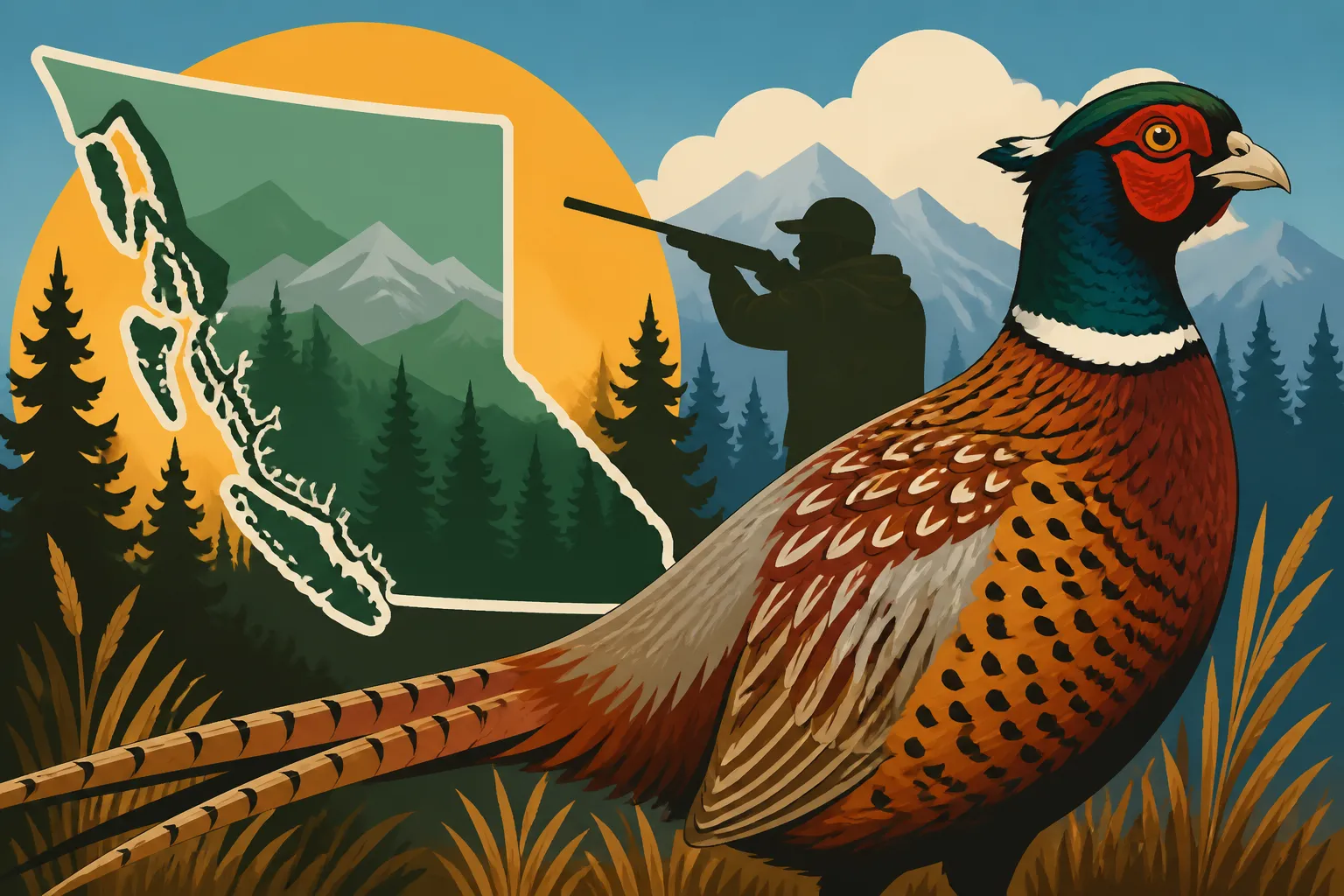
It can be incredibly frustrating for hunters in British Columbia to understand the true landscape of pheasant populations. Unlike many other game birds, pheasants here don't always represent a robust, self-sustaining wild population you can just stumble upon anywhere. This guide is here to shed light on exactly where British Columbia's pheasants call home, distinguishing between the elusive truly wild birds and those supported by release programs, and how you can approach hunting them effectively.
Understanding British Columbia's Pheasant Landscape
Pheasant hunting in British Columbia carries a certain romantic allure, conjuring images of pointing dogs and vibrant roosters exploding from cover. However, the reality on the ground is often more nuanced than many hunters expect, particularly for those accustomed to vast wild pheasant ranges in other parts of the world. Our province's unique geography and climate mean that truly wild, self-sustaining pheasant populations are rare and localized, primarily existing in specific agricultural pockets where conditions are just right.
The History of Pheasant Introduction
Pheasants aren't native to British Columbia, nor to North America as a whole. Ring-necked pheasants (Phasianus colchicus) were initially introduced to the continent from Asia in the late 1800s, with various strains brought over time. In British Columbia, these birds found some initial success, particularly in the agricultural breadbaskets like the Fraser Valley and parts of the Okanagan and Cariboo regions. They thrive in areas with a mix of cultivated fields, thick cover, and readily available food sources, which mirrors much of their native habitat.
Early introductions were often driven by private hunting clubs and government initiatives aimed at establishing a new game bird for recreational hunting. For a time, some areas saw booming populations, but factors like changing agricultural practices, increased predation, and harsh winters have always challenged their ability to establish widespread, enduring wild populations across the diverse British Columbia landscape.
Distinguishing Wild from Released Birds
One of the biggest distinctions you'll need to make as a pheasant hunter in British Columbia is between wild-hatched birds and those that have been raised in captivity and then released. A truly wild pheasant, born and raised in the wild, tends to be much more wary, quicker to flush, and inherently more challenging to hunt. They've learned survival skills from their parents and have adapted to their specific environment.
Released birds, often part of "put-and-take" programs, can sometimes be identifiable by signs of captivity, such as slightly worn wing feathers or a less robust, more domesticated appearance. More importantly, their behavior is often different; they might hold tighter, be less prone to running, or sometimes even appear disoriented after release. Understanding this difference is crucial, as hunting success and the overall experience can vary wildly depending on whether you're pursuing a genuinely wild bird or one recently introduced to the field. Many hunters feel a different sense of accomplishment from a truly wild bird.
Biology and Habitat Preferences
Pheasants are ground-dwelling birds, preferring to run rather than fly when threatened. Their ideal habitat consists of a mosaic of diverse cover types: tall grasses and reeds for nesting and roosting, brushy hedgerows or field edges for escape cover, and agricultural fields (corn, wheat, alfalfa) for abundant food. Water sources are also important, but they can often get sufficient moisture from dew and their diet.
In British Columbia, these conditions are most consistently found in agricultural lowlands, river valleys, and areas with extensive field systems. The Okanagan, for example, with its mix of orchards, vineyards, and dry grasslands, offers some pockets of suitable habitat. The Fraser Valley, with its intensive farming, is another prime area. Elsewhere, pheasants might survive in isolated pockets, but without that critical blend of food and cover, populations struggle to persist through the seasons, especially the colder, harsher winters we can experience inland.
Where to Find Pheasants in British Columbia
Finding pheasants in British Columbia isn't as straightforward as just picking a general open season and heading out. It requires a bit of detective work, an understanding of local habitats, and often, a good relationship with private landowners. The key is to focus on areas that provide the specific mix of agricultural land and dense cover these birds need to thrive, or where consistent release programs are in place.
The Fraser Valley Hotspots
Without a doubt, the Fraser Valley remains one of British Columbia's most significant pheasant hunting regions. Its fertile soils and extensive agricultural operations create ideal conditions. You'll find a mix of crop fields – corn, berries, hay – interspersed with dense ditch lines, blackberry brambles, and patches of natural cover. This mosaic provides both food and security for pheasants.
However, the Fraser Valley is also densely populated, meaning public access can be a real challenge. Much of the prime habitat is on private land. This is where hunters need to put in the effort to gain permission from landowners. Building respectful relationships, asking well in advance, and always leaving the land better than you found it are paramount. Even with private land access, these areas are often well-known, and competition can be stiff. It pays to scout, use mapping tools like GoHunt, and talk to local farmers or conservation officers to understand the best approach. Hunters often focus on the edges of fields, old farmsteads, and overgrown areas adjacent to active crops.
Interior Pockets and Agricultural Lands
Beyond the Fraser Valley, decent pheasant hunting opportunities are more scattered. The Okanagan Valley, particularly around Vernon, Kelowna, and south towards Osoyoos, offers some good potential. Here, the pheasants utilize the edges of vineyards, orchards, and the dry, grassy hillsides dotted with sagebrush. The challenge here, again, is often access to private land, as much of the agricultural area is privately owned.
Further inland, in parts of the Cariboo and even the Peace River regions, isolated pockets of pheasants can exist, especially around smaller farmsteads and river bottoms where grain crops are grown. These populations are typically less dense and more prone to natural fluctuations due to weather and predation. Hunters might find success in areas like the Hunting a Peace Country Grain Field or exploring specific Hunting a Cariboo Cattle Range where agricultural activities create suitable micro-habitats. Success in these interior spots often hinges on extensive scouting and finding those small, overlooked patches of cover that hold birds.
Navigating Private Versus Public Access
The reality for pheasant hunting in British Columbia is that a significant portion of the best habitat lies on private land. This means that unlike hunting deer or moose on vast tracts of Crown land, pheasant hunting often requires permission from landowners. Respectful engagement with farmers and private property owners is essential. Always ask first, and if granted access, adhere strictly to any conditions they set. Showing gratitude, perhaps by offering some help or a small token of thanks, can go a long way in fostering good relationships for future hunts.
While challenging, some public access does exist. Wildlife Management Areas (WMAs) or other provincially managed lands might have release programs or small wild populations, especially where suitable habitat is maintained. It's crucial to check the specific regulations for these areas, as they can often have unique rules regarding hunting pressure and seasons. Using a resource like GoHunt can help identify potential public access points near pheasant-friendly habitats, but always verify on the ground and with local regulations. Understanding British Columbia Trespass and Private Land Law is absolutely vital before heading out.
The Role of Release Programs and Private Land
In British Columbia, the concept of "wild" pheasants is often intertwined with release programs. While some genuinely wild birds persist, particularly in the Fraser Valley, the sustained opportunity for pheasant hunting across the province is heavily reliant on birds released by various organizations and private operations.
Government-Supported Release Programs
The provincial government, often through partnerships with local rod and gun clubs, supports pheasant release programs in specific areas. The goal of these programs is to provide hunting opportunities where wild populations cannot naturally sustain themselves or to supplement existing smaller populations. These birds are typically raised in game farms and then released into designated hunting areas shortly before or during the hunting season.
The locations and timing of these releases are usually announced through the BC Wildlife Federation (BCWF) or local club channels. These programs are vital for many hunters, especially those new to bird hunting or those without access to private land. They offer a more predictable hunting experience, as the birds are known to be in the general area, though they still offer a good challenge once they've had a few days in the wild. For specific details on these initiatives, our article on British Columbia's Pheasant Release Program is an excellent resource.
Private Preserves and Commercial Operations
Beyond public release programs, British Columbia also has a number of private hunting preserves and commercial operations that offer guided pheasant hunts. These operations raise pheasants specifically for hunting and release them onto their managed lands. For hunters looking for a guaranteed opportunity, often with no bag limits and a longer season, these preserves can be an excellent option. They typically provide a well-managed experience, often including trained bird dogs and professional guides.
While these hunts come at a cost, they offer accessibility and convenience that can be hard to find in the wild. They are particularly popular with groups, corporate outings, or hunters who want to introduce new people to the sport in a controlled environment. Before booking, it's always a good idea to research the reputation of the preserve and understand what their package includes.
The "Put-and-Take" Reality
The reliance on release programs has created a "put-and-take" hunting culture for pheasants in many parts of British Columbia. This means that hunters are primarily pursuing birds that have been "put" into the environment, with the expectation that they will be "taken" by hunters. This differs significantly from hunting truly wild populations where the focus is on sustainable harvest from a naturally reproducing stock.
This reality shapes how many hunters approach pheasant season. It emphasizes the importance of knowing release schedules and locations, and sometimes, the hunt can be more about finding the recently released birds than deeply scouting for wild, resident populations. While it provides opportunities, it also means that the experience can feel less "wild" for some. Nonetheless, a pheasant bursting from cover is always an exciting moment, regardless of its origin.
Hunting Strategies for British Columbia Pheasants
Pheasant hunting, whether for wild or released birds, is an engaging sport that often requires patience, persistence, and a good strategy. The dense cover pheasants favour means they're rarely an easy target, even if you know they're in the area.
Working with a Bird Dog
A good bird dog is undeniably the most effective tool for pheasant hunting. Breeds like Brittany Spaniels, English Setters, German Shorthaired Pointers, and various retrievers are perfectly suited for the task. Dogs use their superior sense of smell to locate birds, hold them on point, and flush them, giving the hunter a clear shot. They are also invaluable for retrieving downed birds, especially in thick cover where a pheasant can vanish in an instant.
When hunting with a dog, pay close attention to its body language. A dog on point is indicating a bird is nearby. Walk in to flush the bird, ready your gun, and be prepared for a fast, powerful ascent. A well-trained dog will then retrieve the bird to hand. For more in-depth guidance on canine companions, explore our article on Using a Bird Dog in British Columbia Timber and also general British Columbia Rules on Hunting With Dogs. Remember that even with a dog, pheasants are masters of evasion, often running far ahead or even flying out the back of a patch of cover unnoticed.
Stalking and Flushing Without a Dog
Hunting pheasants without a dog is certainly possible, but it requires even more strategic effort and often more hunters. This method is often called "driving" or "pushing" cover. The key is to walk slowly and deliberately through prime pheasant habitat, making noise and trying to push birds towards blockers or open areas. Dense cover, like blackberry patches, tall grass, or corn rows, should be worked thoroughly.
If hunting alone, focus on smaller, isolated patches of cover, especially those adjacent to feeding areas. Walk slowly, pause frequently, and be ready to shoot at any moment. Pheasants will often hold tight, only flushing when you're almost on top of them. Walk in a zigzag pattern, kick clumps of grass, and try to make yourself unpredictable. It's often helpful to walk with the sun at your back to minimize glare and make it easier to see flushing birds. This can be a challenging method, but successfully flushing and bagging a bird without canine assistance is incredibly rewarding.
Gear and Shot Selection
For pheasant hunting, a 12-gauge or 20-gauge shotgun is typically preferred, with either an Improved Cylinder or Modified choke. These chokes offer a good balance of spread for close flushes and sufficient density for birds that break further out. Shot size typically ranges from 5 to 7.5. Larger shot (like 5) is effective for harder-hitting power on pheasants, while smaller shot (like 6 or 7.5) offers a denser pattern, which can be beneficial in fast, close-range situations. You must remember that Non-Toxic Shot Requirements for Waterfowl apply to waterfowl, but pheasants typically do not require it unless you are in a specific WMA or hunting near water.
Appropriate hunting attire is crucial. Dress in layers to adapt to changing weather, wear sturdy, waterproof boots for navigating rough terrain and wet fields, and blaze orange is usually required or highly recommended for safety, especially if hunting with a group or in areas of high pressure. A good vest with large pockets for shells and birds is also a practical item. Many hunters find GoHunt a useful tool for scouting locations, checking regulations, and even identifying key habitat features before they head out, helping them be better prepared with the right gear and strategy.
Table: British Columbia Pheasant Hunting Overview
| Feature | Wild Pheasants | Released Pheasants |
|---|---|---|
| Primary Habitat | Self-sustaining in specific agricultural pockets | Designated release sites, private preserves |
| Location | Fraser Valley (select areas), Okanagan, interior | Widely distributed where programs exist |
| Numbers | Generally low, localized, fluctuate naturally | Higher density in release areas during season |
| Hunter Effort | High scouting, landowner permission, dog valuable | Less scouting, often public or paid access |
| Behavior | Wary, prone to running, challenging flush | Can hold tighter, less wary initially |
| Season Length | Standard British Columbia Upland Bird Seasons | Often extended on private preserves |
| Access | Mostly private land with permission | Public access on release sites, private preserves |
Challenges and Conservation of Pheasant Hunting
Pheasant hunting in British Columbia faces unique challenges that shape its future. From dwindling habitat to increasing pressure, hunters need to be aware of these factors to ensure sustainable opportunities.
Habitat Loss and Predation Pressure
One of the most significant long-term threats to wild pheasant populations is habitat loss. As agricultural lands are developed for housing or commercial purposes, or as farming practices become more intensive (e.g., larger fields, fewer hedgerows), the crucial mosaic of food and cover that pheasants rely on diminishes. This fragmentation of habitat makes it harder for wild birds to find safe nesting sites, escape cover, and food throughout the year.
Predation is another constant pressure. Coyotes, foxes, raptors, and even domestic cats can take a heavy toll on pheasant nests, chicks, and adult birds. While a natural part of the ecosystem, intense predation pressure in already marginal habitats can prevent populations from rebounding. Organizations like the BC Wildlife Federation work to address habitat issues, but hunters also play a role by supporting conservation efforts and advocating for wildlife-friendly land management practices. Considering the broader impact of changes to the landscape, it's worth reading up on What Wildfire Has Done to British Columbia Game, as even indirect habitat changes can affect pheasant success.
Managing Expectations and Access
For hunters new to British Columbia, it's important to manage expectations regarding pheasant hunting. Unlike some regions of North America with vast, self-sustaining wild populations, our province's opportunities are often more localized and either dependent on release programs or require significant effort to gain private land access. Expecting to simply roam public land and find abundant wild pheasants without prior scouting or permissions can lead to disappointment.
Access is, as mentioned, a continuous challenge. The increasing urbanization of agricultural areas means fewer willing landowners and more competition for the available spots. Building trust and respecting private property are paramount. Hunters should always carry their hunting licence and permission slips (if on private land) and be prepared to show them. Good hunter etiquette ensures that these precious access opportunities are preserved for future generations.
The Future of Pheasant Hunting in British Columbia
The future of pheasant hunting in British Columbia largely hinges on continued collaboration between government agencies, conservation organizations, and private landowners. Release programs will likely remain a cornerstone for providing hunting opportunities, especially in accessible areas. Efforts to enhance and protect suitable habitat for wild birds, even if localized, are also critical.
Hunters can contribute by supporting organizations like the BCWF, participating in habitat restoration projects, and always practicing ethical hunting behaviours. Educating new hunters about the unique challenges and opportunities of pheasant hunting in BC will also help foster a realistic and sustainable approach to the sport. While it may not be like the prairie states, the thrill of a British Columbia pheasant flush, whether wild or released, remains a cherished experience for many. It's an important part of British Columbia's Game Birds and Waterfowl heritage.
Disclaimer
This article is for general informational purposes only and does not constitute professional advice. Laws, prices and regulations vary by location and change over time. Consult a qualified professional for guidance on your specific situation.