Calling a Blacktail Buck With a Fawn Bleat
Mastering the fawn bleat helps hunters call elusive blacktail bucks out of dense British Columbia coastal forests during the rut.
Close the distance.
Archery, muzzleloader, and firearm techniques — calling, stand placement, still-hunting, spot-and-stalk, and the weapon rules that change at the state line.
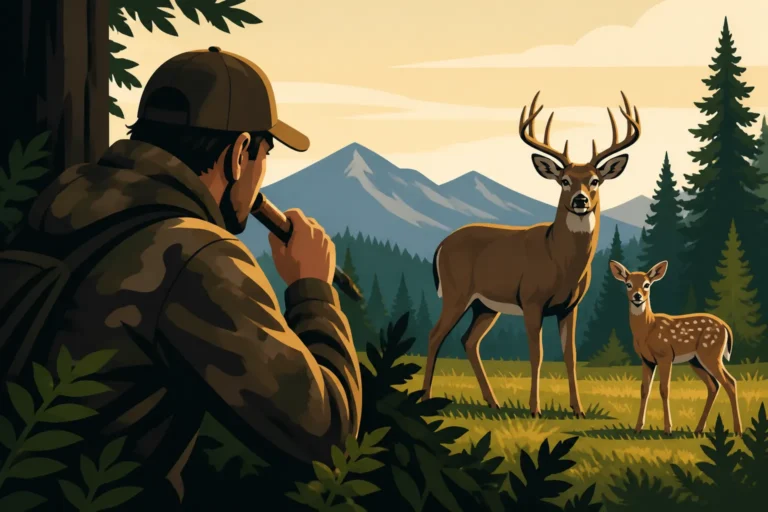
Mastering the fawn bleat helps hunters call elusive blacktail bucks out of dense British Columbia coastal forests during the rut.
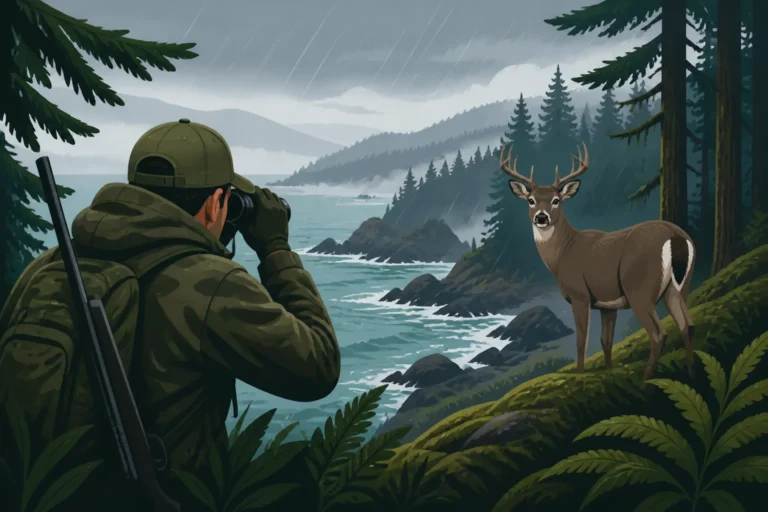
Blacktail deer behavior during heavy coastal rain, including bedding areas, feeding habits, and movement patterns in British Columbia.
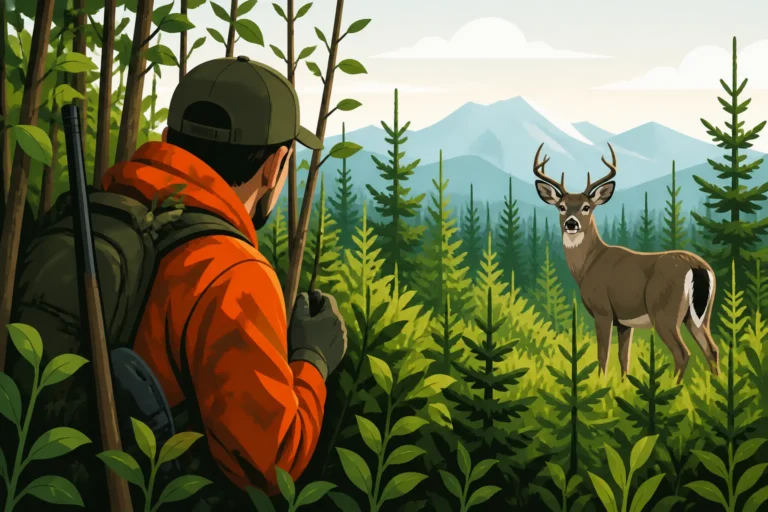
Still-hunting blacktail deer in British Columbia second-growth forests requires specific slow movement tactics for dense habitat success.
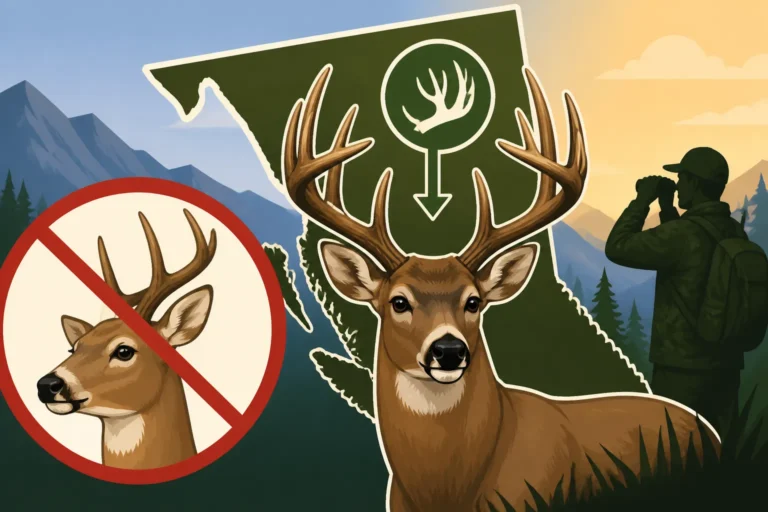
British Columbia antler point regulations require deer antler projections to measure at least one inch long and exceed base width.
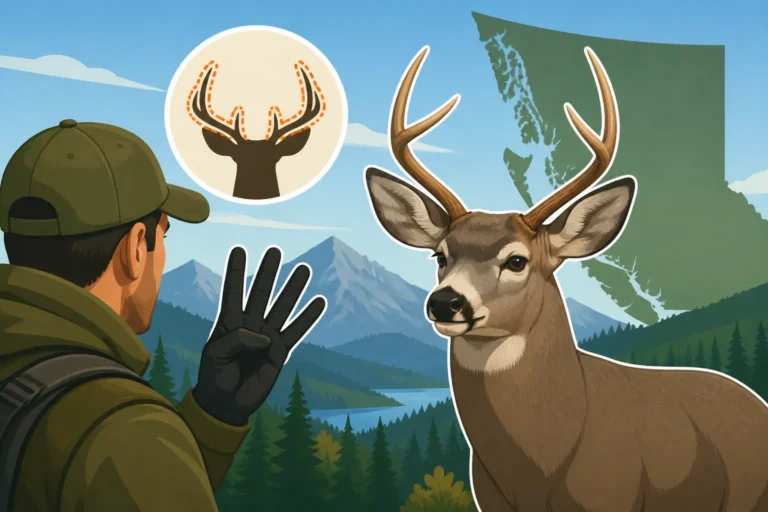
British Columbia mule deer regulations require hunters to correctly identify four-point antler restrictions by excluding brow tines.
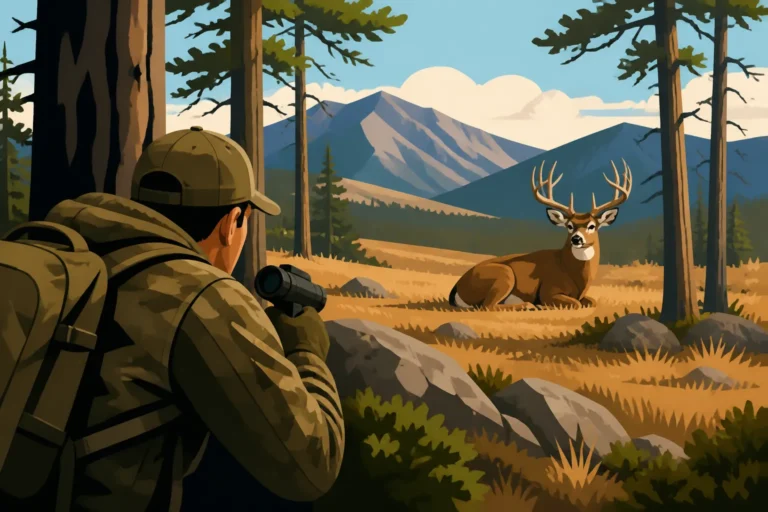
Stalking a bedded buck in British Columbia open timber requires managing wind currents, thermals, and deer vantage points.
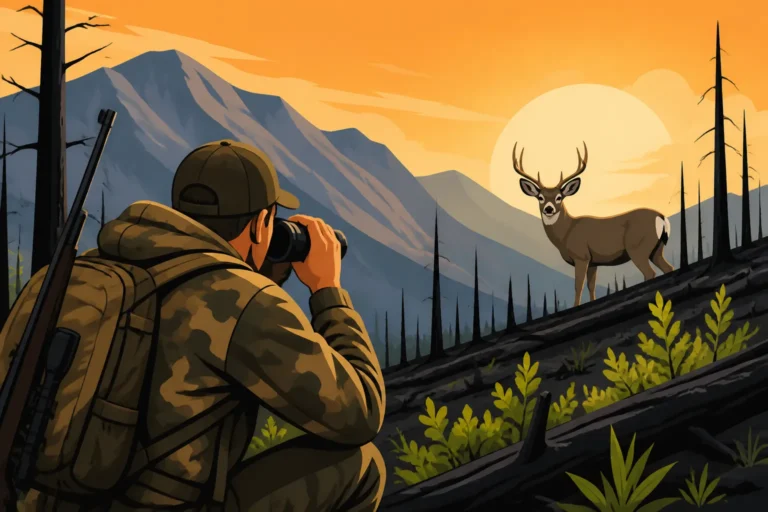
Wildfire burn scars in British Columbia offer mule deer new forage, while unburned timber patches provide critical bedding areas and escape routes.
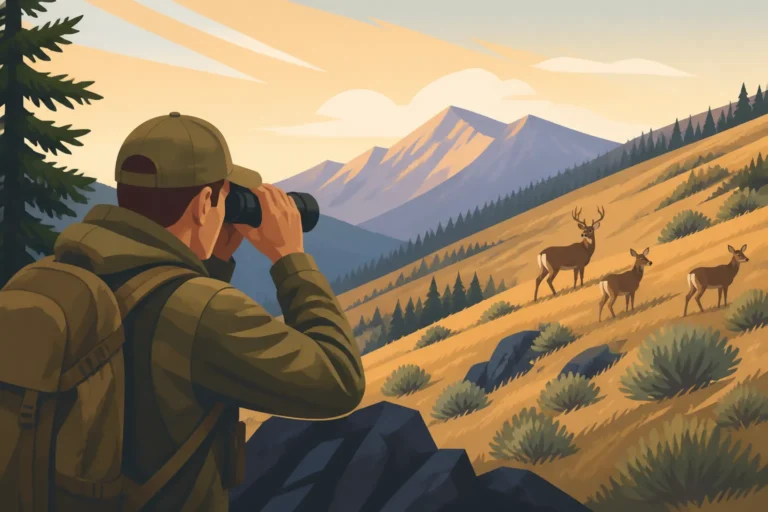
Effective glassing techniques help hunters systematically spot elusive mule deer across expansive British Columbia interior hillsides.
British Columbia October rifle hunting involves unpredictable mountain weather, shifting deer movement, and active bears.
British Columbia archers can learn specific opening dates, regional regulations, and management unit rules for upcoming bow hunting seasons.