Skinning and Caring for a Bear Hide
Proper bear hide skinning and cooling techniques prevent hair slippage and preserve the trophy from British Columbia hunts.
Close the distance.
Archery, muzzleloader, and firearm techniques — calling, stand placement, still-hunting, spot-and-stalk, and the weapon rules that change at the state line.
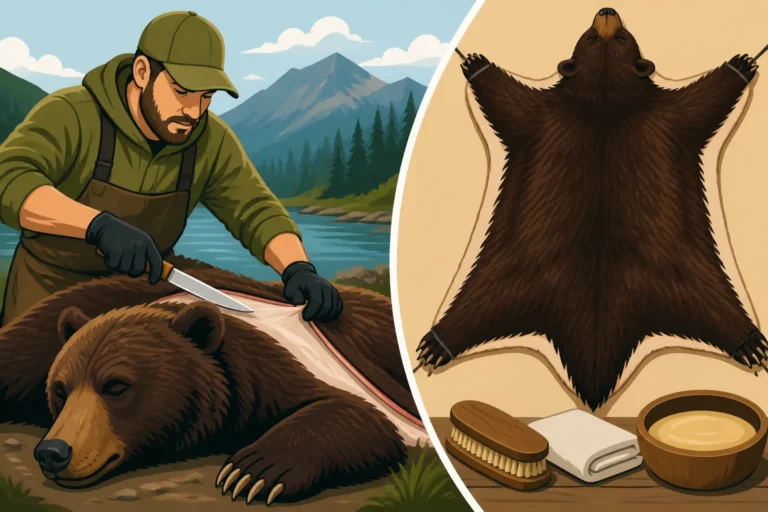
Proper bear hide skinning and cooling techniques prevent hair slippage and preserve the trophy from British Columbia hunts.
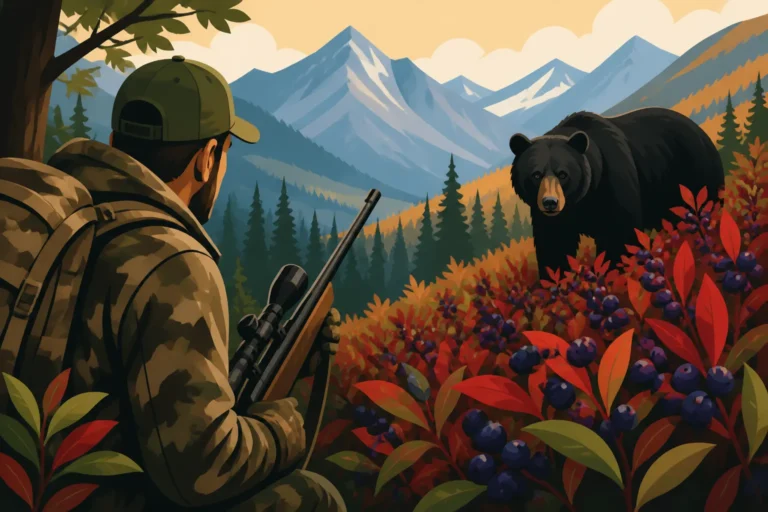
British Columbia autumn bear hunting strategies explain how to locate black bears feeding on seasonal huckleberry and cranberry slopes.
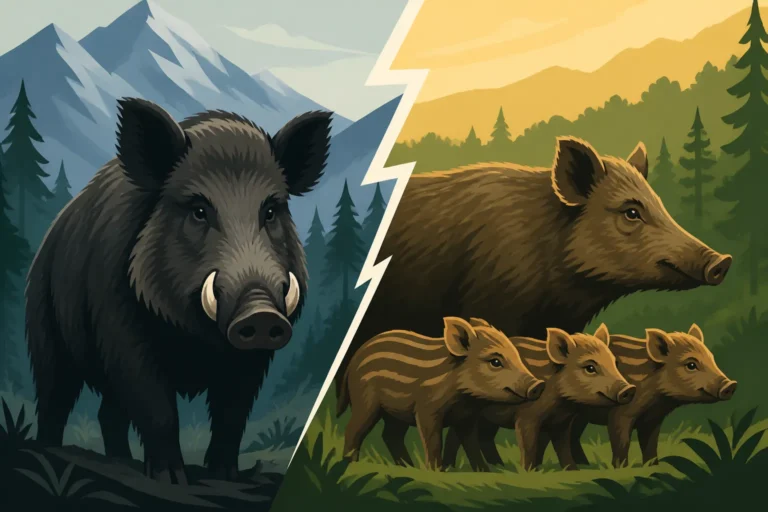
Black bear identification methods help British Columbia hunters distinguish solitary boars from protective sows with dependent young.
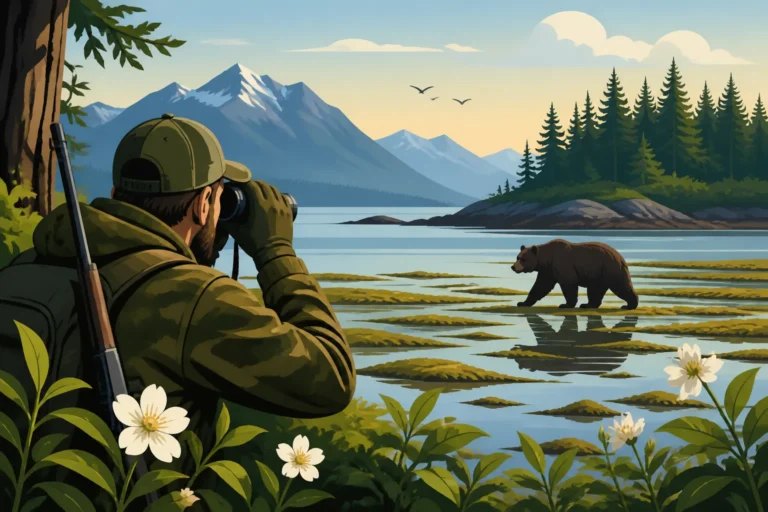
Coastal estuary bear hunting in British Columbia during May requires navigating tides, rain, and post hibernation feeding patterns.
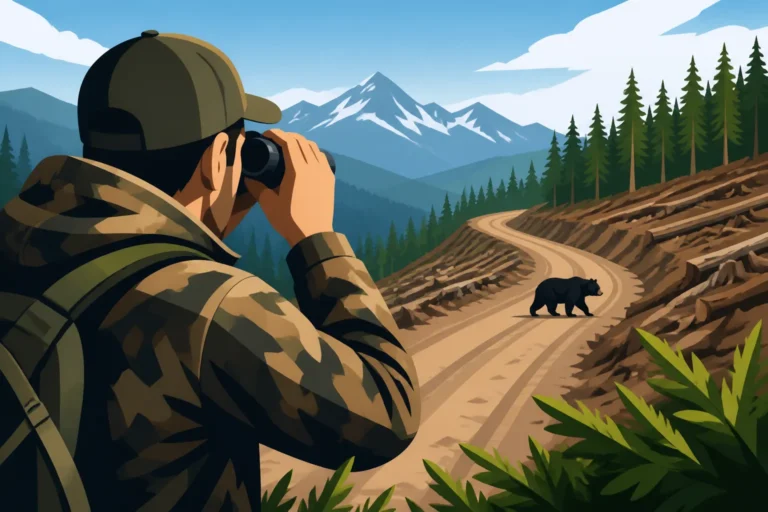
Spring bear hunting strategies using British Columbia logging roads provide early green-up vegetation and open visibility.

British Columbia spring bear season dates and environmental cues determine when black bears actively forage for vegetation.
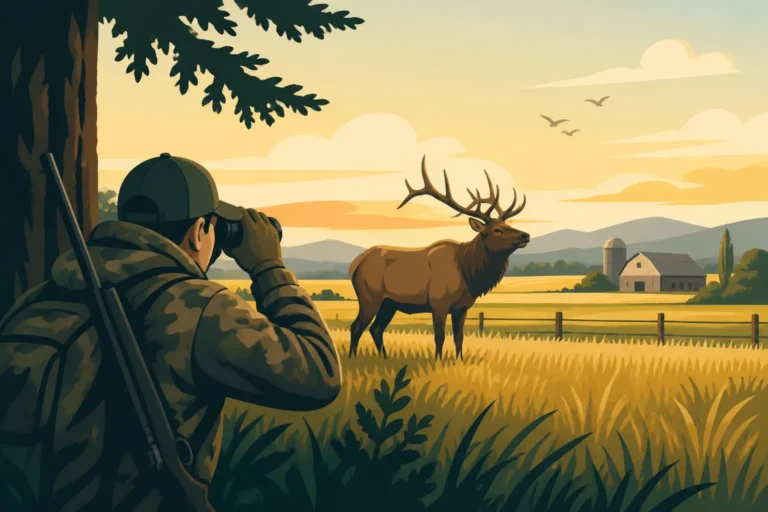
Peace Country elk movements on British Columbia farm edges reveal feeding patterns, bedding cover, and daily timing for hunters.

Elk hunting strategies and seasonal movement patterns for British Columbia Kootenay Valleys terrain, including early season and rut tactics.
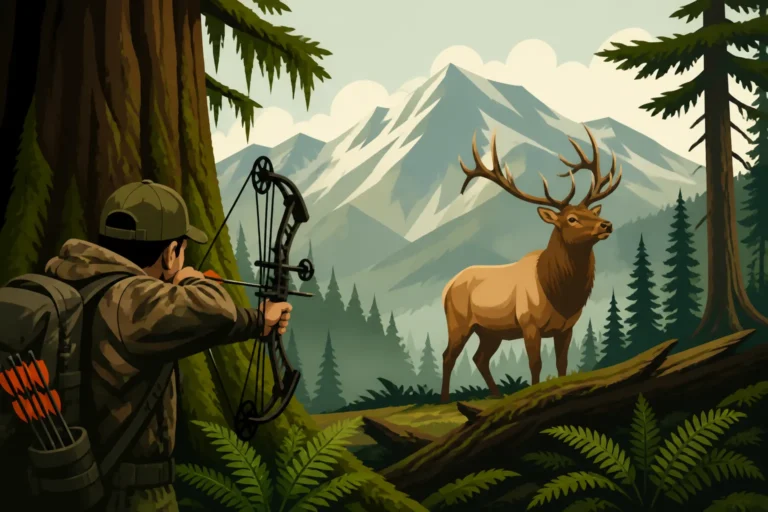
Roosevelt elk hunting in British Columbia old-growth forests requires navigating dense canopies, wet terrain, and unique behavioral challenges.
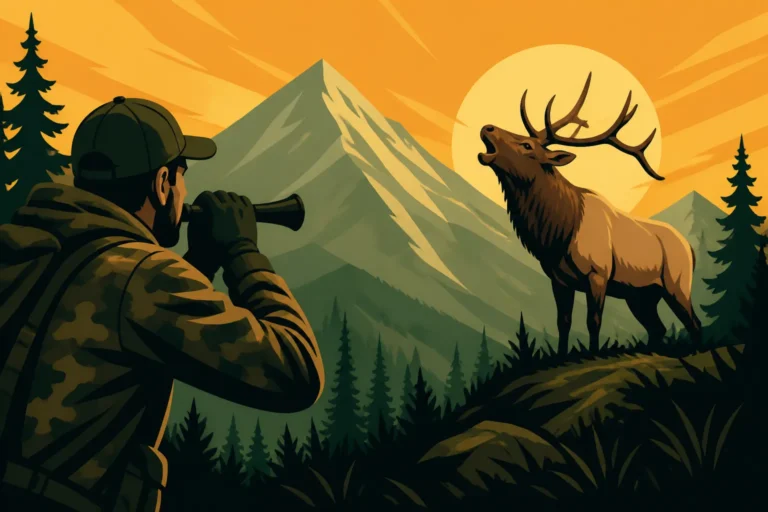
Roosevelt elk bugles and vocalizations in British Columbia during the September rut help hunters decode bull intentions and calls.