How LEH Points Carry Over
It’s a feeling many of us know all too well: the anxious wait for the British Columbia Limited Entry Hunting (LEH) draw results. You click refresh, your heart pounds, and then… disappointment. Another year, another tag missed. But amidst that frustration, there’s a glimmer of hope: your LEH points. Understanding how these vital points accumulate, carry over, and reset is absolutely crucial for any serious hunter in our province. This guide is here to unravel the mystery, making sure you're fully clued in on how your hard-earned points actually work.
The Basics of British Columbia's Limited Entry Hunting System
Before we dive deep into the nitty-gritty of how your points move through the system, let’s quickly touch on why we even have a Limited Entry Hunting system in British Columbia. It’s a foundational piece of our wildlife management.
What is Limited Entry Hunting and Why Does it Exist?
Limited Entry Hunting, or LEH as we affectionately call it, isn't just a way to make us sweat before hunting season. It's a critical tool for managing wildlife populations in specific areas. Think about those incredible, mature bull moose in the Northern Rockies, or the elusive Rocky Mountain elk in the Kootenays. If we had unlimited hunting pressure on these populations, it wouldn't take long before their numbers dwindled, or the quality of the hunting experience drastically declined.
The LEH system essentially limits the number of tags issued for certain species in particular management units (MUs) or regions. This ensures that hunting pressure remains sustainable, allowing animal populations to thrive and providing a fair chance for hunters to pursue specific, often highly sought-after, game. It's about conservation first and foremost, ensuring there's game for future generations. For us hunters, it means we get a chance at some incredible opportunities that would otherwise be overwhelmed by demand. It also means, frustratingly, that sometimes you see the perfect buck or bull on a scouting trip, only to remember you don't have the tag to pursue it in that particular zone. It’s a necessary evil, really, for the long-term health of our herds.
How the LEH Draw Process Works
The LEH draw is where the magic (or heartbreak) happens. Each year, the province announces the specific LEH opportunities available for various species – everything from moose and elk to mountain goat and bighorn sheep. You, as a licensed hunter, then apply for these draws, selecting your preferred species, management unit, and season. You might apply for a specific British Columbia Moose Season Dates or target an antler restriction hunt for mule deer.
The application period typically runs for several weeks, often in the spring, allowing everyone ample time to research their options and get their applications in. It’s a time of intense strategizing, pouring over maps, and discussing with hunting buddies. Do you put in for that long-shot sheep tag, or aim for a more attainable deer draw?
Once the application window closes, the waiting game begins. The government then conducts a random draw, with a weighting system that takes into account your accumulated LEH points. When the results are finally released, usually in the summer, it's a mix of anticipation and dread. You log in, navigate to the results, and either celebrate a successful draw – meaning you've secured one of those coveted tags – or you find yourself back at square one, ready to accumulate another point for next year. It’s a cycle that every BC hunter lives through, and understanding When LEH Results Are Released is often the most stressful part of the season.
Understanding LEH Priority Points
This is where the rubber meets the road. Your priority points are the key to improving your odds year after year in this often-competitive system.
The Core Concept of Preference Points
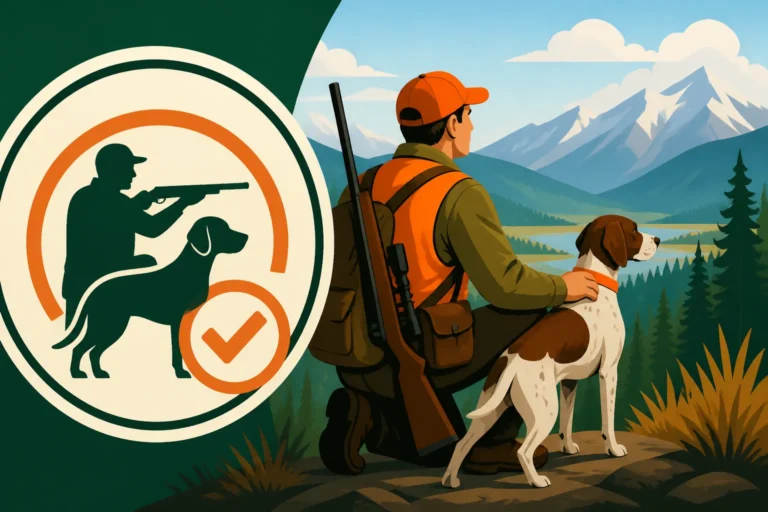
So, what exactly is an LEH priority point? Simply put, it's a system designed to give unsuccessful applicants a better chance in subsequent draws for the same hunt choice. For every year you apply for a specific LEH hunt (meaning a unique combination of species, management unit, and season) and are unsuccessful in drawing a tag, you are awarded one priority point for that particular hunt choice.
Think of it like this: each point is like a little boost to your name in the hat. The more points you have for a specific draw, the more "weight" your application carries in the random selection process. It doesn't mean your name is physically put in the hat more times, but rather the system is designed to give those with higher points a statistically better chance of drawing. It's the provincial government's way of acknowledging your persistence and loyalty to a specific hunt over time.
It can be incredibly frustrating to stack up points for years, watching them climb, only to miss out again and again. You might have 10 points for a specific bull elk hunt, and your buddy draws it with 3. That's the randomness of the draw still at play, even with the weighting. However, without those points, your odds would be significantly lower. Resources like GoHunt are fantastic for visualizing these odds, helping you understand how your points translate into a real chance. They help you analyze historical draw data, making sense of how many points it usually takes to draw certain tags, and can give you a clearer picture of your own prospects. The more points you have, the more you feel like you're playing the long game, inching closer to that dream tag.
How Points Accumulate and What Happens When You Draw
The accumulation of points is straightforward: apply, don't draw, get a point. This happens annually for each individual hunt choice you apply for. If you apply for a mule deer LEH in Region 3 and an elk LEH in Region 4, and you don't draw either, you'll earn one point for the mule deer hunt and one point for the elk hunt. These points are separate and distinct. They are tied to your British Columbia Resident Hunting Licence Cost and your personal FWID, making them uniquely yours.
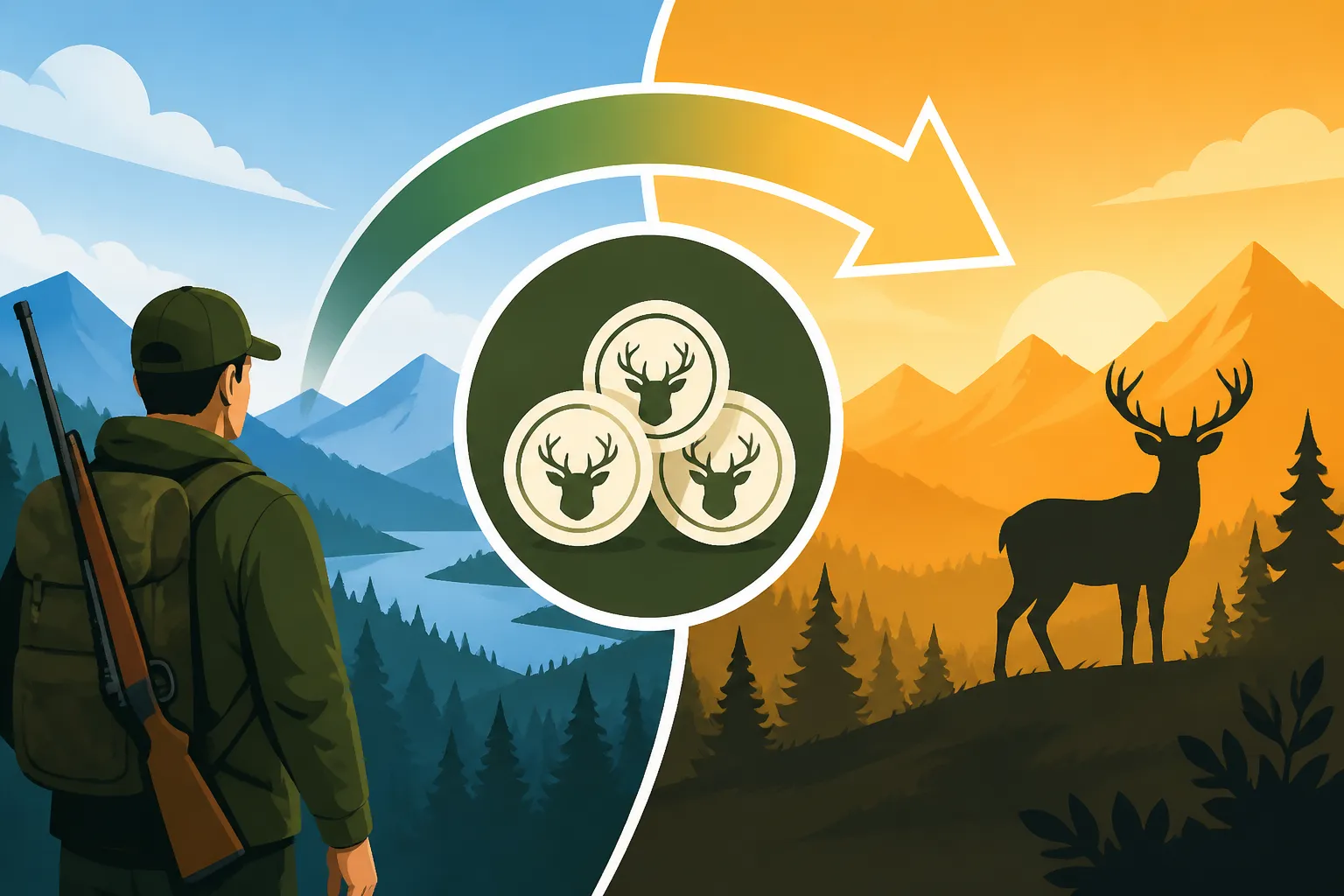
Now, here's the crucial part and where many hunters sometimes get confused: when you successfully draw an LEH tag, your priority points for that specific hunt choice reset to zero. This is a critical mechanism to ensure that the system remains fair and that the same individuals don't perpetually draw the most coveted tags.
Let's illustrate with a hypothetical scenario:
Imagine you've been putting in for a limited entry moose tag in a popular Omineca region for five years, accumulating five priority points. This year, you finally draw that moose tag – congratulations! Your points for that specific moose hunt will now reset to zero. You'll start fresh next year if you decide to apply for the same moose LEH.
However, let's say in parallel, you've also been applying for a mountain goat LEH in the Coast Range for three years and haven't drawn. You have three priority points for that goat hunt. Even though you drew the moose tag, your three mountain goat points are completely unaffected. They remain, ready to boost your chances for next year's goat draw. This specificity means you can be building points for multiple species and locations simultaneously, strategically playing the long game across different hunting opportunities. Understanding how LEH points carry over is all about grasping this clear distinction between individual hunt choices.
Strategies for Maximizing Your LEH Points
Understanding the mechanism is one thing, but truly leveraging the LEH point system requires a strategic approach to your applications. It’s about more than just throwing your hat in the ring; it’s about playing the long game.
Strategic Application for Future Success
Consistency is king when it comes to LEH points. The most fundamental strategy is simply to apply every single year, even if you feel the odds are stacked against you or you're not entirely sure you'd go on the hunt that particular year. Why? Because you can’t earn a point if you don’t apply. Missing even one year means you've effectively put yourself one year behind everyone else who consistently applies.
Consider your personal hunting goals. Are you dead set on a specific, once-in-a-lifetime hunt like a Stone's Sheep or a Roosevelt Elk? These tags often require a significant number of points to draw. In such cases, a smart strategy might be to apply for that dream hunt every year to build your points, even if you know your immediate chances are low. Meanwhile, you could also apply for other, less competitive draws, maybe for a black bear or a general deer tag in an area with better odds, which you might draw sooner. This way, you stay active in the system, potentially drawing tags for other species while patiently accumulating points for your ultimate goal. GoHunt offers fantastic tools for analyzing Reading LEH Odds Before You Apply, which can be invaluable in making these strategic choices. By understanding the historical draw success rates for various management units and species, you can make informed decisions about where to apply to maximize either immediate success or long-term point accumulation.
For instance, if you're keen on Mule Deer Hunting in British Columbia but the popular units have high point requirements, you might put in for a less competitive management unit for a few years to build points while still getting out for general open seasons. It's a balance between immediate gratification and future aspirations.
Party Hunts and Their Impact on Points
Hunting with friends or family is a cherished tradition, and British Columbia's LEH system allows for party applications. This means a group of licensed hunters can apply together for the same LEH draw. The beauty of this is that if one person in the party draws, everyone in the party draws. It's a fantastic way to share the experience.
However, party applications have a specific impact on how points are handled: when a group applies together, the draw system uses the lowest priority point total of any individual in that party for the draw calculation. For example, if you have 10 points for an elk hunt, and your buddy has 2 points, and you apply as a party, the system treats your application as if it has 2 points for the purposes of that specific draw.
If your party is successful in drawing the tag, then each individual's priority points for that specific hunt choice will reset to zero. This applies to everyone in the party, regardless of their individual point totals before the draw.
This creates an interesting trade-off:
- Pros of party hunting: Increased camaraderie, shared effort, and potentially pooling resources. It can also be a way for a high-point holder to help a low-point holder draw a tag they otherwise wouldn't have.
- Cons for point maximization: If you consistently apply with lower-point friends for high-demand hunts, you'll effectively be using your friend's lower point total, meaning your own high points aren't fully utilized to their maximum potential. And if you draw, all your points for that hunt reset, even if you brought a high number to the table.
For those serious about maximizing their own individual draw odds for a coveted tag, understanding Applying as an LEH Party and its point implications is critical. You might choose to apply solo for your dream hunt to utilize your high point total, while still joining party applications for other, less point-dependent hunts. It's all about balancing personal hunting goals with the joys of hunting with your crew.
Common Pitfalls and Misconceptions About LEH Points
The LEH system, while designed to be fair, often leads to misunderstandings. Let's clear up some common areas of confusion so you can navigate the draws with greater clarity.
Don't Confuse Points with Guarantees
This is perhaps the biggest misconception out there, and one that leads to the most heartbreak. While priority points significantly increase your statistical odds of drawing an LEH tag, they absolutely do not guarantee a tag. It’s crucial to understand that even with a substantial number of points, there's always an element of randomness in the draw.
Think about it this way: the system is designed to give preference to those with more points, but it's still a draw. There are usually a limited number of tags available for each hunt choice. If there are, say, 10 tags for a particular moose hunt and 1,000 applicants, even the person with 15 points isn't guaranteed one if 10 other people with fewer points are randomly selected before them in the weighted draw.
It’s incredibly disheartening to accrue 10, 12, or even 15 points for a specific species like Stone's Sheep or a trophy elk, only to miss out year after year. Meanwhile, you hear stories of someone drawing the same tag with zero or one point. This isn't a flaw in the system; it's simply how a preference point draw works when combined with a random selection. The points increase your likelihood, not your certainty. This is why persistent application is key, as is managing your expectations. Tools like GoHunt can show you historical draw odds, including how many tags were available and the point ranges of successful applicants, helping you gauge the true difficulty of a draw. Knowing the British Columbia's Limited Entry Hunting Draws often require extreme patience is part of the game.
Species and Management Unit Specificity
Another common misunderstanding revolves around the specificity of LEH points. Your priority points are strictly tied to the exact species, management unit (MU), and season you applied for. They are not universal.
What does this mean in practice? Let's say you've diligently applied for moose in MU 6-04 (part of the Omineca region) for several years, building up seven priority points for that specific hunt. Those seven points are only valid for a moose LEH application in MU 6-04. They will not help you if you decide to apply for an elk LEH in MU 4-18 (in the Kootenay region), or even a moose LEH in a different management unit, say MU 7-20 in the Peace region.
This distinction is vital for planning your applications. You can't transfer points between species or even between different geographic areas (management units). Each unique hunt choice (species + MU + season) is its own separate entity in the point system. This means that to build a strong portfolio of draw odds across various hunting opportunities, you might need to accumulate points for multiple distinct hunts over time.
For example, if you dream of Moose Hunting British Columbia's Interior but also want to try for a trophy black bear, you'll be building separate point totals for each. This nuanced understanding is key to effectively navigating the system and strategizing for future success. You can always check your current point totals for all your applied hunts through the BC Fish and Wildlife ID (FWID) system on the provincial government's website. It’s always a good idea to monitor these, especially if you're juggling applications for several different species or MUs across British Columbia's Management Units and Regions.
Here's a quick look at how LEH points might accumulate and reset:
| Year | Applied For (Species/MU) | Points Before Draw | Drawn? | Points After Draw | Next Year's Points (for this hunt) |
|---|---|---|---|---|---|
| 2020 | Moose / 6-04 | 0 | No | 1 | 1 |
| 2021 | Moose / 6-04 | 1 | No | 2 | 2 |
| 2022 | Moose / 6-04 | 2 | Yes | 0 | 0 (reset) |
| 2023 | Moose / 6-04 | 0 | No | 1 | 1 |
| 2020 | Elk / 4-18 | 0 | No | 1 | 1 |
| 2021 | Elk / 4-18 | 1 | No | 2 | 2 |
| 2022 | Elk / 4-18 | 2 | No | 3 | 3 |
| 2023 | Elk / 4-18 | 3 | Yes | 0 | 0 (reset) |
| 2020 | Sheep / 7-42 | 0 | No | 1 | 1 |
| 2021 | Sheep / 7-42 | 1 | No | 2 | 2 |
| 2022 | Sheep / 7-42 | 2 | No | 3 | 3 |
| 2023 | Sheep / 7-42 | 3 | No | 4 | 4 |
As you can see, each hunt choice has its own separate point track. Drawing for moose in 2022 didn't affect the elk or sheep points at all. It's a system that truly rewards consistent, patient application for specific opportunities. So keep those points building, understand the process, and good luck in the next draw!
Disclaimer
Please remember that hunting regulations, seasons, and draw systems in British Columbia can change. Always consult the most current BC Hunting & Trapping Regulations Synopsis and official government resources before planning any hunt. This guide is for informational purposes only and should not replace official sources.