Reading LEH Odds by Zone
That annual scramble to understand the British Columbia Limited Entry Hunting (LEH) odds can feel like trying to solve a complex puzzle, leaving many of us scratching our heads and wondering if we’re truly making the best choices for our applications. It’s frustrating when you pour over the regulations, dream of that special tag, and then realize the raw numbers don’t always tell the whole story. This comprehensive guide is here to demystify the LEH odds by zone, helping you interpret the data, refine your application strategy, and increase your chances of drawing that coveted tag.
Understanding the British Columbia Limited Entry Hunting System
Before we can even begin to dive into the intricate world of LEH odds, it's really important to grasp the fundamental purpose and structure of British Columbia's Limited Entry Hunting system. Unlike general open seasons where a valid license and species tag are all you need to hunt, LEH zones are designed to carefully manage specific wildlife populations and hunting pressure in particular areas. This system ensures sustainable harvesting, especially for vulnerable or highly sought-after species and age classes, preventing over-harvesting and maintaining healthy populations for future generations.
The BC government implements LEH draws for a variety of reasons, including conservation of specific species like moose, elk, sheep, and mountain goat, as well as managing the take of mature animals like four-point or better mule deer bucks in certain regions. It's a critical tool in wildlife management, balancing hunter opportunity with ecological sustainability. You can learn a lot more about the overall structure by checking out our guide on British Columbia's Limited Entry Hunting Draws. Essentially, it's a lottery, and while luck certainly plays a huge role, understanding the numbers gives you an edge.
The Purpose of Limited Entry Hunting
Imagine a prime hunting area, renowned for its big bulls or mature rams. If everyone could hunt there every year, those populations would quickly dwindle. Limited Entry Hunting prevents this scenario by restricting the number of hunters who can pursue certain species in specific areas during particular seasons. This helps distribute hunting pressure more evenly across the landscape, allowing animals in heavily hunted areas to mature and populations to remain robust. It's a delicate dance between providing opportunity and ensuring conservation, and the LEH system is the government’s primary way of maintaining that balance. Without it, many of the incredible hunting opportunities we cherish in British Columbia simply wouldn't exist in the same sustainable way.
How LEH Zones and Management Units Intersect
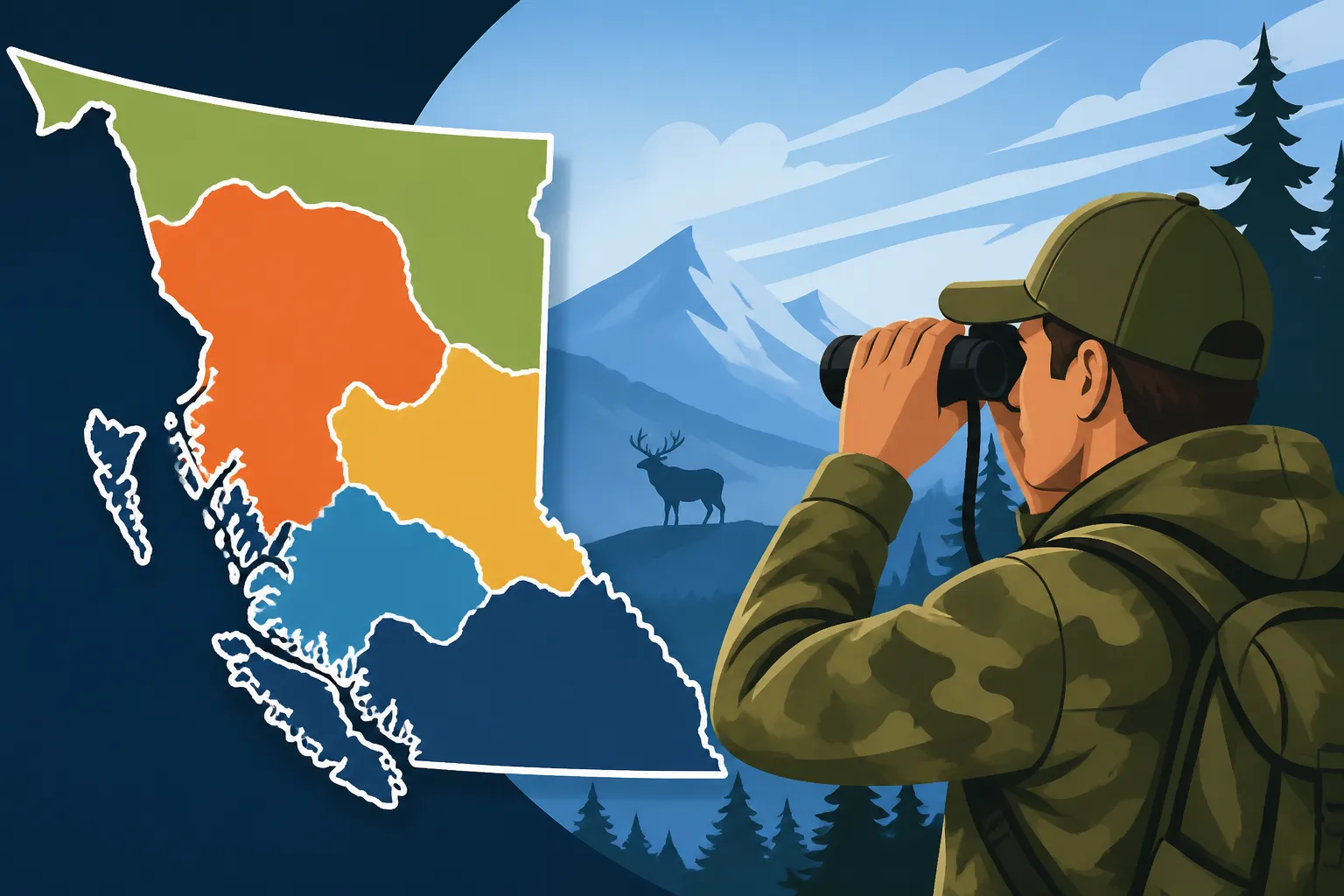
When you're looking at the LEH synopsis, you'll notice applications are tied to very specific "zones" within larger Management Units (MUs). Understanding How Management Unit Numbers Work is key here. A Management Unit is a broad geographical area, but an LEH "zone" often defines a smaller, more precise area within one or more MUs, and sometimes even specifies particular animal classes (e.g., "Bull Moose," "Any Elk," "Mule Deer Buck 4 Point or Better"). These zones are meticulously defined based on wildlife populations, habitat, and accessibility, and they are the granular units where your draw odds truly apply. A single MU might have multiple LEH zones, each with different species, seasons, and, crucially, different odds of drawing. It's not enough to simply know you want to hunt elk in a certain region; you need to pinpoint the exact LEH zone that aligns with your hunting goals and, of course, your odds assessment.
Decoding LEH Odds: What the Numbers Actually Mean
Okay, this is where the rubber meets the road. You’ve navigated the BC Hunting and Trapping Regulations Synopsis, found the species and regions you're interested in, and now you're staring at a table of numbers under "odds of drawing." These numbers can look daunting, but once you understand what they represent, you can make much more informed decisions. It's not just about picking the zone with the "best" odds; it's about understanding what those odds imply for your chances and your hunting style.
Interpreting the "1 in X" Ratios
The most common way LEH odds are presented is as a "1 in X" ratio. For example, "1 in 5," "1 in 20," or "1 in 100." This simply means that for every X applications received for that specific LEH zone, season, and species, one tag was authorized. So, if the odds are 1 in 10, it means that, historically, for every ten people who applied, one person was successful in drawing the tag. A lower "X" number, like 1 in 5, indicates better odds than a higher "X" number, like 1 in 50. It’s crucial to remember that this is historical data and a statistical average; it doesn't guarantee you'll draw in five tries if the odds are 1 in 5, but it gives you a strong indication of demand and availability.
Many hunters get discouraged by high "X" values, seeing 1 in 100 as impossible. However, it's all relative. For a premier mountain goat or Stone's sheep tag, 1 in 100 might actually be considered "good" odds, given the extreme demand and limited number of tags available for these rare opportunities. Conversely, a 1 in 5 chance for a common species in an easily accessible area might seem like a sure thing, but it’s still a lottery. This is where researching Reading LEH Odds by Zone becomes an annual ritual for many, carefully weighing desire against probability.
Factors Influencing Draw Odds
Several critical factors contribute to the complexity and variability of LEH draw odds across different zones and years. Understanding these elements can help you anticipate which zones will have higher or lower demand.
- Species and Sex: Generally, iconic species like mountain sheep, mountain goats, and mature bull moose or elk have much tighter odds than more common species like black bear or antlerless deer. Bull tags almost always have tougher odds than antlerless tags, reflecting the higher demand for trophy animals and the biological need to manage female populations.
- Management Unit (MU) Accessibility: Zones that are easily accessible via logging roads or close to population centers typically see higher application rates, thus driving down the odds. Remote, difficult-to-access zones, whether requiring long hikes, horses, or even float planes, often have better odds simply because fewer people are willing or able to commit to that kind of hunt. Consider reviewing resources on British Columbia's Forest Service Road Network or Hunting British Columbia's Alpine in September to gauge accessibility.
- Season Length and Timing: Longer seasons or seasons that coincide with prime rutting periods (like the elk rut in September or the deer rut in November) or favorable weather tend to attract more applicants, making those tags harder to draw. Early seasons, particularly archery seasons, might have slightly better odds in some areas compared to the general rifle season, as fewer hunters participate in archery.
- Weapon Type: Archery-only or muzzleloader-only seasons often have better odds than general rifle seasons. This is due to the smaller pool of hunters who use these specific weapons, as well as the inherent challenges these methods present, which can deter some applicants.
- Historical Success Rates and Trophy Potential: Word travels fast in the hunting community. If a particular zone has a reputation for producing large animals or high hunter success rates in previous years, application numbers will surge, pushing the odds lower. Conversely, zones that have seen lower success rates might have slightly improved odds in subsequent years.
Strategies for Applying Based on Zone Odds
Applying for LEH tags isn't just about throwing your name into the hat; it's about making calculated decisions based on the odds, your personal hunting goals, and your willingness to commit to different types of hunts. There’s no single “right” way to apply, but by understanding your options, you can tailor a strategy that maximizes your chances of drawing something you’ll truly enjoy.
High-Demand, Low-Odds Applications
These are the "dream tags" – the trophy moose hunt in the far north, the full-curl ram in the alpine, or the giant Roosevelt elk on the coast. The odds are often in the hundreds or even thousands to one. Most experienced hunters will tell you, if you want one of these, you just have to apply every year. Think of it like buying a lottery ticket; your chances are slim, but you can't win if you don't play. For some, the sheer anticipation and the possibility of drawing one of these once-in-a-lifetime tags makes the annual application fee worthwhile, regardless of the daunting odds.
If you decide to pursue these tags, embrace the fact that it might take many years, if ever, to draw. This is where patience and persistence truly pay off. Don’t put all your eggs in one basket, however. While you might apply for that dream sheep tag, consider applying for other, more realistic options as well. It’s also wise to check When LEH Results Are Released so you can prepare yourself for either the excitement of a draw or the disappointment (and then planning for next year!).
Maximizing Chances with Moderate-Odds Zones
This is often where the most strategic thinking comes into play for many hunters. These are zones that might not offer the absolute biggest trophy potential or the most remote wilderness, but they provide solid hunting opportunities with significantly better odds than the dream tags. Perhaps it’s an antlerless elk tag in a region with a healthy population, or a general mule deer buck tag in a more accessible but still productive area.
The trick here is to delve deeper into the data. Look for zones with odds in the 1 in 5 to 1 in 25 range. These are often accessible enough for a diligent hunter but don't face the overwhelming pressure of the truly blue-ribbon draws. Pay attention to specific nuances: an early season bow hunt for black bear might have much better odds than a late fall rifle hunt in the same general area. Think about your available time, physical conditioning, and preferred hunting style, and align them with zones that offer a reasonable chance of drawing. Platforms like GoHunt can be invaluable here, allowing you to filter by species, region, and odds to pinpoint these sweet spots.
The Party Application Advantage
British Columbia's LEH system allows for party applications, which can be a game-changer for groups of hunters. When you apply as a party, if one member draws, the entire party draws. This means that if you and a few buddies apply together, you essentially combine your individual "tickets" into one, improving your collective statistical chance of success compared to applying individually for the same specific tag. If a zone has a 1 in 10 chance, and you apply as a party of four, your party's chance of drawing becomes 4 in 10, or 2 in 5. This is a powerful strategy, especially for tags that are typically hunted with partners, like a moose hunt where help with packing out is always appreciated.
However, the flip side is that if you're applying for different dream tags, a party application for one limits your ability to apply individually for others. So, you need to coordinate with your party members on shared goals. Make sure to understand all the rules for Applying as an LEH Party before submitting your applications.
Leveraging Tools and Resources for Better Applications
In today's digital age, hunters have more resources at their fingertips than ever before to help them navigate the complexities of the LEH system. Beyond just reading the regulations, leveraging these tools can provide deeper insights, allowing for more strategic and informed application choices.
The Official BC Hunting and Trapping Regulations Synopsis
This is your absolute bible, the first and most important resource for anyone hunting in British Columbia. Available online and in print, it contains all the legal framework, season dates, bag limits, and, of course, the LEH zone details and draw odds. It's updated biennially, so always ensure you're referencing the most current version. While the synopsis provides the raw data, it’s up to you to interpret it and combine it with other information. Remember to carefully read about British Columbia's Two-Year Regulations Synopsis for a full overview of its structure and changes.
It's not just about glancing at the numbers; you need to read the specific conditions for each zone. Are there antler restrictions? Weapon restrictions? Specific dates? All these details, found within the synopsis, significantly impact the quality of the hunt and, therefore, the desirability and odds of drawing that particular tag.
Online Resources and Data Analysis Platforms
Beyond the official synopsis, several online platforms and communities dedicate themselves to analyzing and presenting LEH data in user-friendly formats. Services like GoHunt are excellent examples. These platforms often aggregate historical draw data, visualize trends, and even offer predictive analytics based on past application numbers and tag allocations. They can allow you to filter results by species, region, specific Management Unit, and even compare odds across different years, giving you a much clearer picture of where your best chances might lie.
Many hunters find the mapping features on these sites incredibly useful for scouting. Being able to overlay LEH zone boundaries onto satellite imagery and topographical maps helps in understanding the terrain, access points, and potential game habitat within a specific zone. This kind of advanced research, combined with resources like Scouting a British Columbia Management Unit Online, can truly elevate your application strategy beyond simply picking a zone with decent odds.
Here's a simplified table illustrating how odds might look and what they could imply:
| LEH Zone (Species, Sex, Season) | Number of Tags Available | Total Applicants | Odds of Drawing (Approx.) | Implication for Hunter |
|---|---|---|---|---|
| MU 8-15 Bull Moose (Rifle, Oct 1-15) | 5 | 1000 | 1 in 200 | Dream Tag: Highly coveted, often remote. Requires serious commitment and physical fitness if drawn. Apply yearly, but don't rely on it. |
| MU 3-17 Antlerless Elk (Rifle, Nov 1-15) | 50 | 250 | 1 in 5 | High Chance, Meat Hunt: Excellent odds for a meat hunt. Accessible area, good for filling the freezer. A great option if you prioritize high probability over trophy size. |
| MU 6-04 Mule Deer Buck (4pt+, Archery, Sep 1-10) | 10 | 150 | 1 in 15 | Strategic Pick, Archery Specific: Decent odds for a quality buck, but requires archery proficiency. Fewer applicants due to weapon restriction. Good for a dedicated bowhunter seeking a challenge. Check When British Columbia's Archery Season Opens for more context. |
| MU 5-02 Black Bear (Any, Rifle, Apr 15-May 31) | 20 | 60 | 1 in 3 | Very High Chance, Spring Bear: Fantastic odds for a spring bear hunt. Often highly accessible, good for new hunters or those wanting to guarantee a spring trip. |
| MU 7-30 Mountain Goat (Rifle, Sep 1-Oct 15) | 2 | 800 | 1 in 400 | Lifetime Tag: Extremely low odds, but a truly incredible experience if drawn. Requires extensive planning, equipment, and physical endurance. |
Note: These are hypothetical examples for illustrative purposes and do not reflect actual current BC LEH odds.
Community Forums and Local Knowledge
Never underestimate the power of local knowledge and hunter communities. Online forums, social media groups, and even conversations at your local sporting goods store (like Italian Sporting Goods or a local Rod & Gun Club) can provide invaluable insights that numbers alone can't convey. Hunters who have drawn a particular tag in the past can offer first-hand accounts of terrain, game behaviour, and access challenges. They might share tips on Hunting British Columbia's Logging Road Network or specific nuances of a given area.
However, always take forum advice with a grain of salt. While most hunters are happy to help, some information might be outdated or even intentionally misleading to reduce competition. Cross-reference any anecdotal evidence with the official regulations and your own scouting efforts. The best strategy always combines official data, historical trends, and boots-on-the-ground knowledge to create a truly informed application plan. Even just discussing options with a seasoned veteran can reveal insights you might have missed in the raw data.
Disclaimer
The information provided in this guide is for general informational purposes only and is based on publicly available data. Hunting regulations, seasons, and LEH odds in British Columbia are subject to change by the provincial government. Always consult the official British Columbia Hunting and Trapping Synopsis for the most current and accurate regulations before applying for any licenses or tags or embarking on a hunt. Personal hunting success depends on numerous factors, including skill, effort, and luck.