Which Caribou Herds Are in Trouble
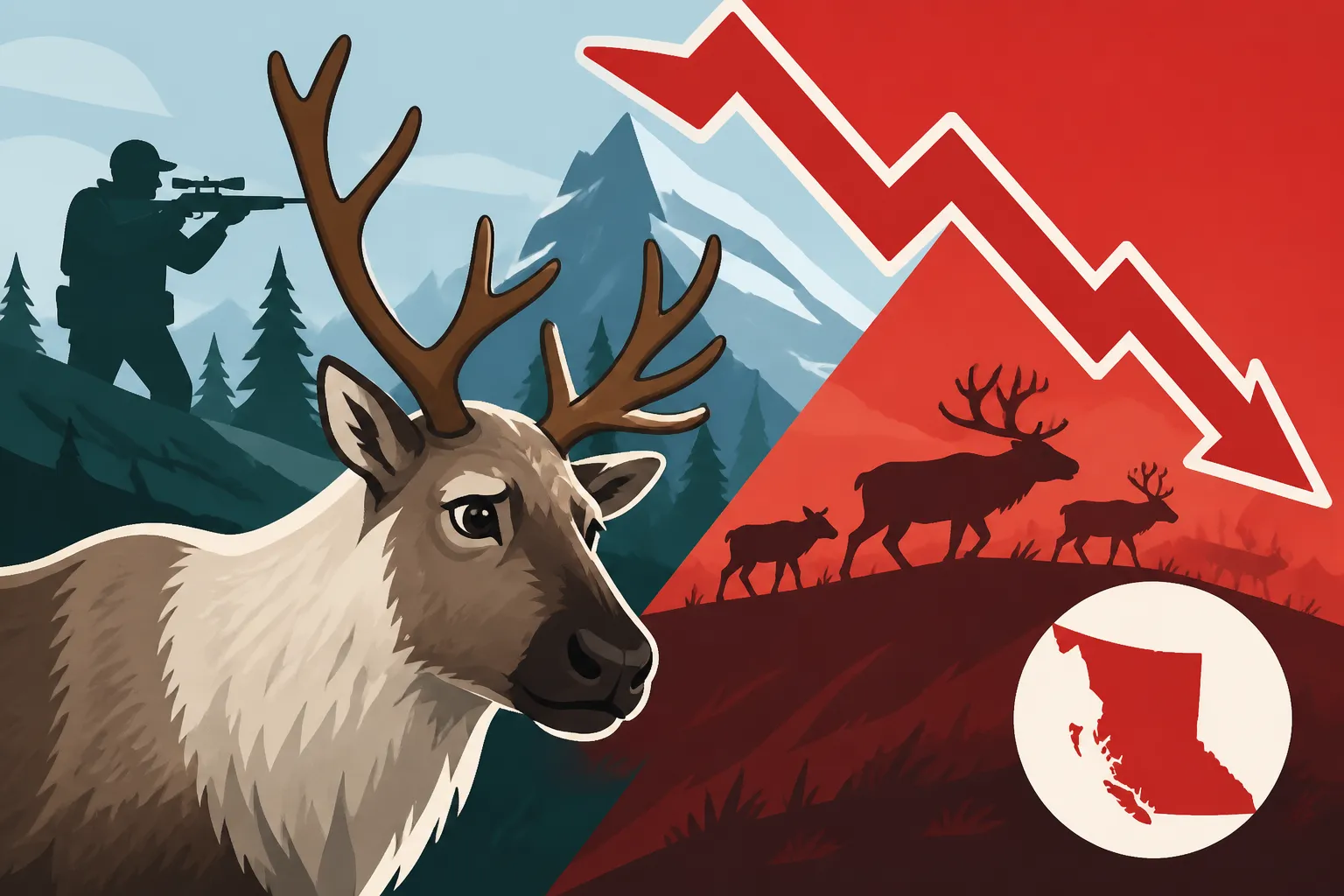
It’s a tough pill to swallow for many of us who cherish British Columbia’s wild places and the incredible animals that call them home. The talk of caribou, especially, often comes with a heavy heart these days. If you’ve been following the news or just spending time in the backcountry, you've probably heard the concerning whispers—or outright alarms—about the state of our caribou populations. Many hunters and conservationists alike are deeply worried about these iconic creatures, and it’s a valid concern. This guide is here to shed some light on which caribou herds in British Columbia are currently facing the most significant challenges, what's contributing to their struggles, and what that means for the future of these magnificent animals and the landscape they inhabit.
Understanding the Caribou Crisis in British Columbia
The plight of caribou in British Columbia is not a simple story; it’s a complex tapestry woven with environmental shifts, human activity, and the inherent vulnerabilities of a species uniquely adapted to specific, often harsh, conditions. For many, the idea of a herd simply vanishing from the landscape is almost unthinkable, yet it's a very real threat for several of BC's caribou populations.
The Nature of Caribou Decline
Caribou in British Columbia are broadly categorized into three ecotypes: northern, boreal, and mountain caribou. Each of these ecotypes, while sharing the overarching "caribou" designation, occupies distinct habitats and faces unique sets of pressures. The decline isn't uniform across the board; some herds have unfortunately dwindled to critical levels, prompting widespread concern and significant conservation efforts. It's a sobering reality that several of these herds are now considered provincially endangered, or even extirpated from parts of their historic range. This isn't just a slight dip in numbers; for many, it's a freefall that demands our immediate attention and understanding. For anyone planning a trip, even for other species, being aware of these sensitive areas is crucial. Resources like GoHunt can sometimes offer insights into historical ranges or general management unit information that might overlap with these critical caribou habitats.
The key frustration for many is the feeling of helplessness, or the complexity of understanding why this is happening. It’s easy to point fingers, but the truth is usually far more intricate. The decline is often characterized by very low calf recruitment—meaning fewer young caribou are surviving to adulthood—and reduced adult survival rates. This creates a demographic trap where the population simply can’t recover, even with seemingly stable numbers. Understanding British Columbia's Caribou Herds and Their Status is a vital first step for anyone trying to grasp the scale of the challenge.
Why Caribou are Unique and Vulnerable
Caribou are often seen as indicators of ecosystem health, particularly in old-growth forests and expansive northern landscapes. They are unique among North American deer species for several reasons, not least of which is their reliance on lichens as a primary winter food source. These aren't just any lichens; mountain caribou, for instance, depend heavily on arboreal lichens that grow slowly on old-growth trees, taking decades, sometimes centuries, to establish. Boreal caribou, on the other hand, often rely on terrestrial lichens found in peatlands and mature conifer forests. This specialized diet ties them inextricably to very specific, often undisturbed, habitats.
Their life history also makes them particularly vulnerable. They generally have low reproductive rates, typically only having one calf per year, and they breed later in life compared to many other cervids. They also evolved as a prey species that relies on predator avoidance through spatial separation – essentially, living in places where other predators and their primary prey (like deer and moose) don’t typically thrive. When their habitat is altered, bringing them into closer contact with generalist predators like wolves and bears, and higher densities of alternative prey, their survival rates plummet. This unique biology means they are incredibly sensitive to habitat changes and increased predation pressure, far more so than a generalist species might be.
Specific Herds Facing the Most Significant Challenges
While no caribou herd in British Columbia is entirely free of conservation concerns, some are teetering on the brink more than others. It's important to remember that these aren't just statistics; they represent a tangible loss of our natural heritage.
Mountain Caribou Predicament
The mountain caribou ecotype is arguably the most critically endangered in British Columbia. These are the caribou that inhabit the deep snow zones of the province's interior mountain ranges, primarily the Columbia, Selkirk, and Monashee Mountains. They are renowned for their remarkable adaptation to winter, migrating to high-elevation old-growth forests where they feed on arboreal lichens, essentially "snowshoeing" through the deep powder on their broad hooves. This strategy allows them to escape predators that struggle in such conditions and to access food unavailable to other ungulates.
However, this specialization is their Achilles' heel. Widespread logging of old-growth forests has decimated their winter habitat. Roads built for logging also provide access for predators and human disturbance into formerly secure areas. When these forests are fragmented, caribou are forced into lower elevations or smaller patches of suitable habitat, where they come into increased contact with wolves, cougars, and even grizzly bears, which are often drawn to the higher densities of moose and deer in these altered landscapes. Many individual mountain caribou herds have shrunk to alarmingly small numbers, with some being augmented by translocations or even captive breeding programs in a desperate bid for survival. These herds are a prime example of British Columbia's Caribou Recovery Effort.
Boreal Caribou Struggles
Boreal caribou are found in the vast, remote peatlands and mature conifer forests of northeastern British Columbia, primarily in the Peace Region. Unlike their mountain cousins, they rely heavily on terrestrial lichens and occupy relatively flat, expansive landscapes. Their conservation challenges stem predominantly from industrial development, including oil and gas exploration, seismic lines, logging, and mining. These activities fragment their remote habitat, creating linear features (like seismic lines and roads) that act as "superhighways" for predators like wolves.
These linear disturbances allow predators to travel far more efficiently into areas that caribou once used as refuge, disrupting the caribou's natural strategy of spatial separation. Even seemingly small disturbances can have a cumulative effect across their immense ranges. The boreal caribou herds have faced significant declines in recent decades, leading to widespread population instability. It's a tough situation, as these areas are also rich in natural resources that drive economic activity. Balancing these competing interests is one of the most complex conservation puzzles facing the province.
Northern Caribou Vulnerabilities
Northern caribou are generally found in the north-central and northern parts of British Columbia, including regions like the Spatsizi Plateau and the Muskwa-Kechika Management Area. This ecotype encompasses both migratory and sedentary populations, with some herds undertaking incredible annual migrations to and from their calving grounds. They typically inhabit alpine and subalpine zones in summer, descending to forested areas in winter, feeding on both terrestrial and arboreal lichens, as well as sedges and shrubs.
While some northern caribou herds are relatively more robust than their mountain and boreal counterparts, they are not immune to decline. Resource development, including mining, forestry, and hydroelectric projects, can fragment their vast ranges and disrupt migration corridors. Climate change is also a growing concern, as it can alter vegetation patterns, increase wildfire frequency, and affect snow conditions, all of which impact caribou survival. While these remote herds might seem protected by their sheer inaccessibility, the cumulative effects of various pressures are still felt, albeit often on a different scale than in the more developed south. Keeping up with the latest information, perhaps through resources like GoHunt, can help understand the status of different populations, even if directly hunting caribou is not an option.
| Caribou Ecotype | Primary Habitat | Key Threats | Current Status (General) |
|---|---|---|---|
| Mountain Caribou | High-elevation old-growth forest | Habitat loss (logging), increased predation | Critically Endangered / Extirpated in some areas |
| Boreal Caribou | Peatlands, mature conifer forest | Industrial fragmentation, linear features, predation | Endangered |
| Northern Caribou | Alpine/subalpine, boreal forest | Resource development, climate change, habitat alteration | Vulnerable / Declining (varies by herd) |
Key Factors Contributing to Caribou Decline
It’s easy to feel overwhelmed by the scale of the problem. However, understanding the core drivers behind the decline can help us appreciate the complexity and the challenges in finding solutions. It’s rarely just one thing, but a confluence of factors that unfortunately synergize to create a very difficult situation for caribou.
Habitat Alteration and Fragmentation
This is perhaps the most significant overarching threat to all caribou ecotypes. Whether it’s clear-cutting old-growth forests vital for mountain caribou lichens, or the vast network of seismic lines and access roads dissecting boreal caribou peatlands, human activity is fundamentally changing the landscape. How Logging Does to Deer Winter Range might give you an idea of the scale of impact, and similar principles apply to caribou, though their specific needs are often more specialized. These alterations don't just remove habitat; they also create edges that favour other species like moose and deer, which in turn support higher densities of generalist predators like wolves.
Fragmented habitats also make it harder for caribou to move between seasonal ranges, reducing gene flow and increasing their vulnerability to localized disturbances. A once vast, contiguous forest that provided a safe haven becomes a patchwork of small, isolated islands, each too small to sustain a healthy caribou population. For hunters who rely on understanding British Columbia's Management Units and Regions, it's a stark reminder of how dynamic these landscapes are, and how rapidly human footprint can change the balance for sensitive species.
Predation Pressures and Management
Historically, caribou coexisted with predators. However, habitat alteration has fundamentally shifted this dynamic. When logging or industrial development brings caribou into closer proximity with increased populations of deer and moose, it creates what's known as "apparent competition." Predators, primarily wolves, thrive on these higher densities of alternative prey. This leads to an increase in predator numbers, which then spill over and exert unsustainable pressure on caribou, even if caribou aren't their primary food source. It’s like creating a buffet for predators right in the caribou’s backyard. British Columbia's Predators and Furbearers are a natural part of the ecosystem, but their relationship with caribou has been thrown off balance.
In response, some areas have seen controversial predator management initiatives, aiming to temporarily reduce wolf populations to give caribou herds a chance to stabilize and grow. These are often highly localized and implemented as a short-term measure while long-term habitat recovery is pursued. It's a challenging and often emotionally charged aspect of caribou conservation, highlighting the difficult choices made when a species is on the brink.
Impacts of a Changing Climate
Climate change adds another layer of complexity to the caribou crisis. Shifting weather patterns can lead to changes in snowpack, which is critical for caribou. Too little snow, or inconsistent snow, can expose caribou to predators, while unusual freezing rain events can encase their lichen food source in ice, making it inaccessible. Changes in vegetation, driven by altered temperatures and precipitation, can also affect the availability of preferred forage.
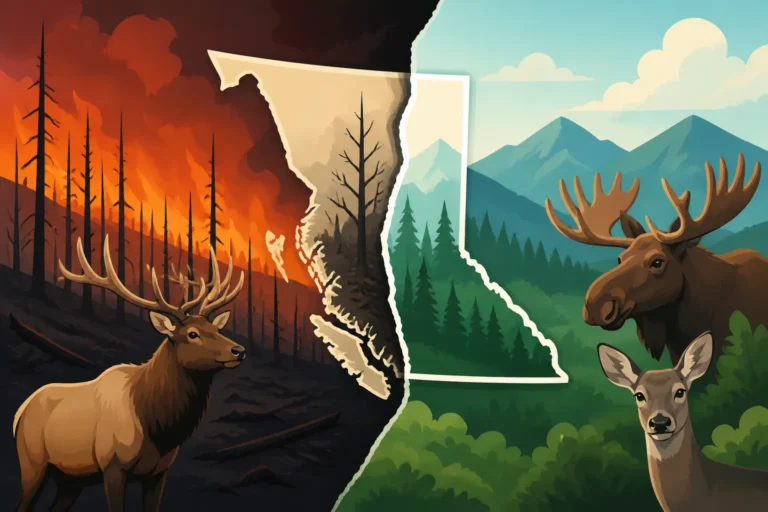
Furthermore, a warming climate can increase the frequency and intensity of wildfires. While fire is a natural part of many ecosystems, large, destructive fires can eliminate old-growth forests that mountain caribou depend on for decades. What Wildfire Has Done to British Columbia Game is a relevant topic here, as it illustrates how quickly habitats can be altered. These long-term, landscape-level changes are difficult to mitigate and pose a significant existential threat to caribou populations already struggling with other pressures.
Conservation Efforts and What They Mean for Hunters
The situation with British Columbia's caribou herds is undoubtedly grim for many populations, but it’s not without active efforts to turn the tide. These efforts are multifaceted, involving government, Indigenous communities, conservation groups, and even the broader public.
Provincial Management Strategies
British Columbia has implemented a range of strategies aimed at caribou recovery. These often include habitat protection measures, such as deferring logging in critical old-growth winter ranges for mountain caribou or restricting new industrial development in boreal caribou areas. Habitat restoration is also a key component, with efforts to decommission old roads and reforest seismic lines to reduce predator access and improve habitat connectivity.
Beyond habitat, predator management (as discussed) has been used in some areas to provide a "head start" for struggling herds. Captive breeding and translocations—moving caribou from healthier herds to supplement struggling ones—are also tools being explored or actively used for the most imperiled populations. These are often large-scale, costly endeavors, reflecting the urgency of the situation. Anyone interested in the details of provincial efforts can usually find information in the latest British Columbia's Two-Year Regulations Synopsis or related wildlife management plans. For specific details on where these efforts are concentrated, tools like GoHunt can sometimes overlay management designations on maps, although direct caribou hunting information may be limited due to closures.
The Role of Hunters in Caribou Conservation
For many years, caribou were a cherished big game species for resident hunters in British Columbia. However, due to the severe declines, the vast majority of caribou hunting seasons across the province have been closed for an extended period. This can be a source of frustration for hunters who value these animals and wish to participate in sustainable harvesting. The current reality is that, for most hunters, our direct role in caribou conservation is not through hunting, but through advocacy, support for conservation initiatives, and adherence to regulations, especially those related to backcountry access and habitat protection.
Hunters, through their purchase of licences and tags for other species, contribute financially to wildlife management and conservation efforts in the province through surcharges like the Habitat Conservation Trust Fund. Furthermore, responsible backcountry use, avoiding disturbance in known caribou habitat (even if not specifically closed), and reporting observations or concerns to wildlife authorities are all ways hunters can contribute. While the opportunities for Caribou Hunting Where Seasons Are Open are extremely limited or non-existent in BC right now, remaining informed and engaged as a conservationist is more important than ever. Understanding where caribou populations are sensitive allows us to plan our other hunting trips responsibly, ensuring we minimize our footprint in crucial areas.
Disclaimer
This article is for general informational purposes only and does not constitute professional advice. Laws, prices and regulations vary by location and change over time. Consult a qualified professional for guidance on your specific situation.